Request Demo
What are SKP2 gene modulators and how do they work?
26 June 2024
The S-phase kinase-associated protein 2 (SKP2) gene is a crucial player in cell cycle regulation and has garnered significant attention due to its role in tumorigenesis. Understanding the modulation of the SKP2 gene is paramount in unlocking potential therapeutic avenues for various cancers. This article delves into the intricacies of SKP2 gene modulators, their mechanisms of action, and their therapeutic applications.
SKP2, a member of the F-box protein family, functions as a substrate recognition component of the SCF (SKP1-CUL1-F-box protein) complex, an E3 ubiquitin ligase. The SCF complex is responsible for the ubiquitination and subsequent proteasomal degradation of target proteins, which are often cyclin-dependent kinase inhibitors like p27^Kip1 and p21^Cip1. These inhibitors regulate the cell cycle by preventing the transition from the G1 phase to the S phase. By directing the degradation of these inhibitors, SKP2 promotes cell cycle progression and proliferation.
SKP2 gene modulators work by either inhibiting or enhancing the activity of the SKP2 protein. Inhibitors of SKP2 can block its interaction with components of the SCF complex or its substrates, leading to the accumulation of cyclin-dependent kinase inhibitors and cell cycle arrest. This mechanism effectively halts the proliferation of cancer cells, providing a vital control point in cancer therapy. Conversely, activators of SKP2, though less commonly studied, can theoretically promote cell cycle progression and could be useful in contexts where cell proliferation is desirable, such as in tissue regeneration and repair.
Several strategies have been employed to modulate SKP2 activity. Small molecule inhibitors, peptides, and RNA interference (RNAi) are the primary approaches. Small molecule inhibitors typically bind to the F-box domain of SKP2, preventing its interaction with the SCF complex. Peptides designed to mimic the binding sites of SKP2 substrates can competitively inhibit the binding and subsequent ubiquitination of these substrates. RNAi involves the use of small interfering RNA (siRNA) to reduce SKP2 mRNA levels, thereby decreasing the production of the SKP2 protein. Each of these methods provides a unique way to modulate SKP2 activity and can be tailored for specific therapeutic needs.
SKP2 gene modulators hold promise in several therapeutic contexts, most notably in cancer treatment. High levels of SKP2 are often correlated with poor prognosis in various cancers, including breast, prostate, and lung cancers. By inhibiting SKP2, cancer cell proliferation can be significantly reduced, making SKP2 inhibitors a valuable addition to the oncologist’s arsenal. Preclinical studies have demonstrated that SKP2 inhibitors can sensitize cancer cells to conventional therapies like chemotherapy and radiation, potentially improving treatment outcomes.
Beyond cancer, SKP2 modulators may also play a role in treating other proliferative disorders. Conditions such as psoriasis, characterized by excessive cell proliferation, could benefit from SKP2 inhibition. Moreover, in the field of regenerative medicine, where controlled cell proliferation is essential for tissue repair and regeneration, SKP2 activators might be utilized to enhance cell cycle progression and promote healing.
In addition to therapeutic applications, SKP2 modulators are invaluable tools for research. By manipulating SKP2 activity, researchers can gain deeper insights into cell cycle regulation, the molecular mechanisms underlying various diseases, and the development of drug resistance. This knowledge can lead to the identification of new therapeutic targets and the development of more effective treatments.
The modulation of the SKP2 gene represents a promising frontier in biomedical science. Through a better understanding of how SKP2 gene modulators work and their potential applications, we can develop innovative therapies for a range of diseases characterized by dysregulated cell proliferation. As research continues to advance, the translation of these modulators from bench to bedside holds the potential to significantly improve patient outcomes across multiple medical disciplines.
SKP2, a member of the F-box protein family, functions as a substrate recognition component of the SCF (SKP1-CUL1-F-box protein) complex, an E3 ubiquitin ligase. The SCF complex is responsible for the ubiquitination and subsequent proteasomal degradation of target proteins, which are often cyclin-dependent kinase inhibitors like p27^Kip1 and p21^Cip1. These inhibitors regulate the cell cycle by preventing the transition from the G1 phase to the S phase. By directing the degradation of these inhibitors, SKP2 promotes cell cycle progression and proliferation.
SKP2 gene modulators work by either inhibiting or enhancing the activity of the SKP2 protein. Inhibitors of SKP2 can block its interaction with components of the SCF complex or its substrates, leading to the accumulation of cyclin-dependent kinase inhibitors and cell cycle arrest. This mechanism effectively halts the proliferation of cancer cells, providing a vital control point in cancer therapy. Conversely, activators of SKP2, though less commonly studied, can theoretically promote cell cycle progression and could be useful in contexts where cell proliferation is desirable, such as in tissue regeneration and repair.
Several strategies have been employed to modulate SKP2 activity. Small molecule inhibitors, peptides, and RNA interference (RNAi) are the primary approaches. Small molecule inhibitors typically bind to the F-box domain of SKP2, preventing its interaction with the SCF complex. Peptides designed to mimic the binding sites of SKP2 substrates can competitively inhibit the binding and subsequent ubiquitination of these substrates. RNAi involves the use of small interfering RNA (siRNA) to reduce SKP2 mRNA levels, thereby decreasing the production of the SKP2 protein. Each of these methods provides a unique way to modulate SKP2 activity and can be tailored for specific therapeutic needs.
SKP2 gene modulators hold promise in several therapeutic contexts, most notably in cancer treatment. High levels of SKP2 are often correlated with poor prognosis in various cancers, including breast, prostate, and lung cancers. By inhibiting SKP2, cancer cell proliferation can be significantly reduced, making SKP2 inhibitors a valuable addition to the oncologist’s arsenal. Preclinical studies have demonstrated that SKP2 inhibitors can sensitize cancer cells to conventional therapies like chemotherapy and radiation, potentially improving treatment outcomes.
Beyond cancer, SKP2 modulators may also play a role in treating other proliferative disorders. Conditions such as psoriasis, characterized by excessive cell proliferation, could benefit from SKP2 inhibition. Moreover, in the field of regenerative medicine, where controlled cell proliferation is essential for tissue repair and regeneration, SKP2 activators might be utilized to enhance cell cycle progression and promote healing.
In addition to therapeutic applications, SKP2 modulators are invaluable tools for research. By manipulating SKP2 activity, researchers can gain deeper insights into cell cycle regulation, the molecular mechanisms underlying various diseases, and the development of drug resistance. This knowledge can lead to the identification of new therapeutic targets and the development of more effective treatments.
The modulation of the SKP2 gene represents a promising frontier in biomedical science. Through a better understanding of how SKP2 gene modulators work and their potential applications, we can develop innovative therapies for a range of diseases characterized by dysregulated cell proliferation. As research continues to advance, the translation of these modulators from bench to bedside holds the potential to significantly improve patient outcomes across multiple medical disciplines.
How to obtain the latest development progress of all targets?
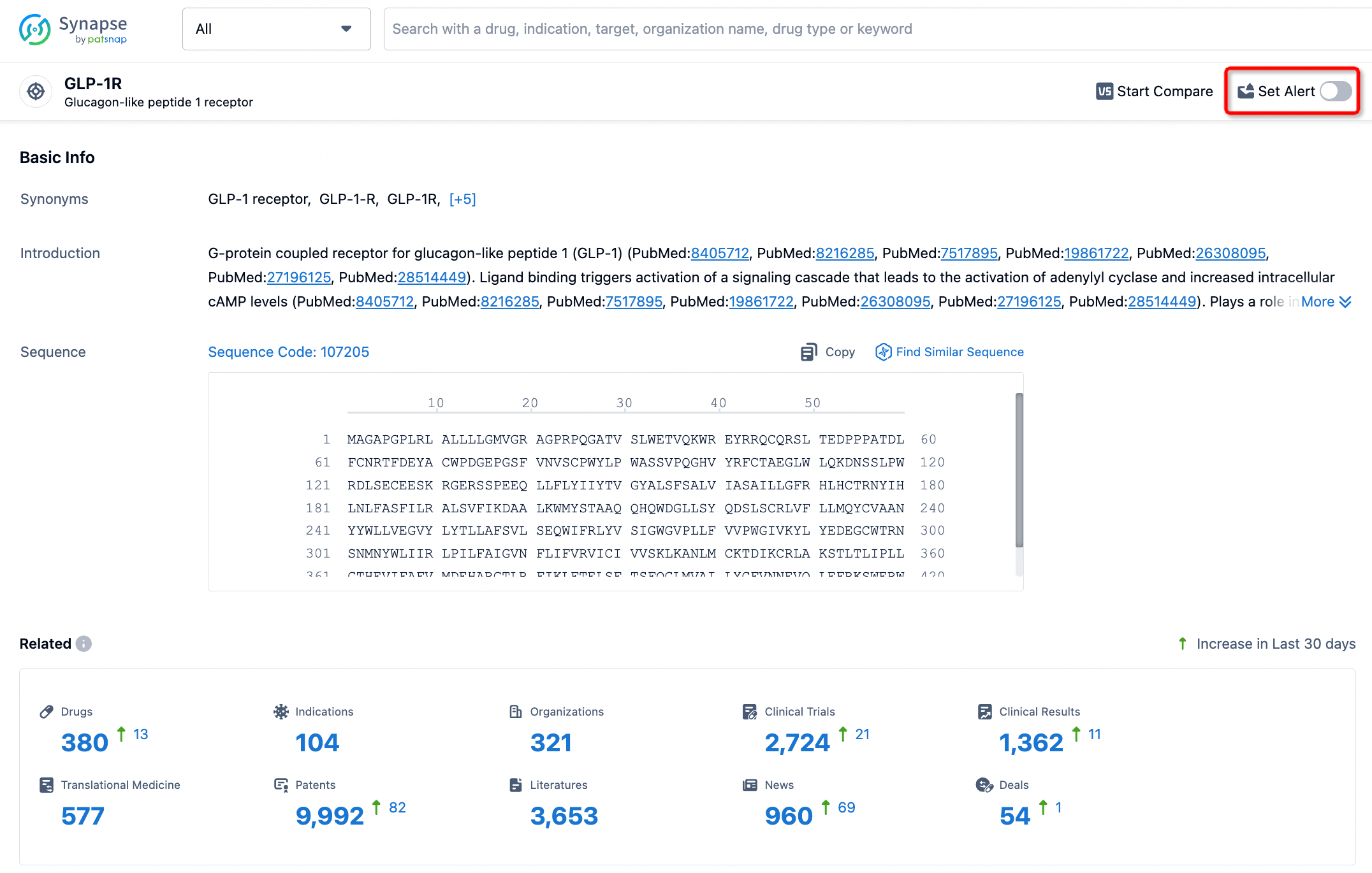
In the Synapse database, you can stay updated on the latest research and development advances of all targets. This service is accessible anytime and anywhere, with updates available daily or weekly. Use the "Set Alert" function to stay informed. Click on the image below to embark on a brand new journey of drug discovery!


AI Agents Built for Biopharma Breakthroughs
Accelerate discovery. Empower decisions. Transform outcomes.
Get started for free today!
Accelerate Strategic R&D decision making with Synapse, PatSnap’s AI-powered Connected Innovation Intelligence Platform Built for Life Sciences Professionals.
Start your data trial now!
Synapse data is also accessible to external entities via APIs or data packages. Empower better decisions with the latest in pharmaceutical intelligence.