Request Demo
What are STK39 inhibitors and how do they work?
26 June 2024
STK39, also known as SPAK (STE20/SPS1-related proline-alanine-rich kinase), is a serine/threonine kinase that plays a critical role in regulating ion transport and maintaining cellular homeostasis. It has garnered significant interest due to its involvement in various physiological processes and its potential implication in several diseases. The development of STK39 inhibitors has opened new avenues for therapeutic interventions, and this blog post aims to shed light on the mechanisms, applications, and potential of these inhibitors.
STK39 is primarily known for its role in the regulation of ion channels and transporters, particularly in the kidneys and the nervous system. Its activity influences the function of Na-K-2Cl cotransporters (NKCCs) and K-Cl cotransporters (KCCs), which are essential for maintaining electrolyte balance and cellular volume. Dysregulation of STK39 has been associated with conditions such as hypertension, neurological disorders, and inflammatory diseases.
STK39 inhibitors are designed to modulate the activity of the STK39 enzyme, thereby influencing the downstream signaling pathways that it regulates. The primary mechanism of action involves the inhibition of the kinase's ability to phosphorylate its target proteins. By blocking this phosphorylation, STK39 inhibitors can alter the activity of ion transporters and channels, leading to changes in cellular homeostasis and physiological function.
These inhibitors can be either small molecules or biologics, each with distinct properties and modes of administration. Small molecule inhibitors typically function by occupying the ATP-binding site of the kinase, thereby preventing its catalytic activity. Biologics, on the other hand, may target the kinase or its substrates through various mechanisms, including monoclonal antibodies or peptide-based inhibitors.
Given the broad regulatory functions of STK39, its inhibitors have potential applications across a range of medical conditions. One of the most promising areas is in the treatment of hypertension. STK39 has been shown to play a role in regulating blood pressure through its effects on renal salt handling. By inhibiting STK39, it may be possible to reduce sodium reabsorption in the kidneys, thereby lowering blood pressure and providing a novel therapeutic option for patients with hypertension.
In the realm of neurology, STK39 inhibitors are being explored for their potential to treat neurodegenerative diseases and other neurological disorders. The enzyme has been implicated in the regulation of neuronal ion transport and excitability, and its dysregulation is thought to contribute to conditions such as epilepsy, Alzheimer's disease, and Parkinson's disease. By modulating STK39 activity, it may be possible to restore normal ion balance and neuronal function, offering hope for new treatments for these challenging conditions.
Additionally, STK39 inhibitors have shown promise in the context of inflammatory diseases. The enzyme is involved in various signaling pathways that regulate inflammation and immune responses. By inhibiting STK39, it might be possible to reduce inflammatory signaling and ameliorate conditions such as rheumatoid arthritis, inflammatory bowel disease, and psoriasis.
Research into STK39 inhibitors is still in its early stages, and much remains to be understood about their full therapeutic potential and safety profiles. However, the initial findings are encouraging, and ongoing studies are likely to provide further insights into their mechanisms of action and clinical applications.
In conclusion, STK39 inhibitors represent a novel and promising class of therapeutic agents with potential applications across a spectrum of diseases, including hypertension, neurological disorders, and inflammatory conditions. As research continues to advance, these inhibitors may offer new hope for patients and contribute to the development of more effective and targeted treatments.
STK39 is primarily known for its role in the regulation of ion channels and transporters, particularly in the kidneys and the nervous system. Its activity influences the function of Na-K-2Cl cotransporters (NKCCs) and K-Cl cotransporters (KCCs), which are essential for maintaining electrolyte balance and cellular volume. Dysregulation of STK39 has been associated with conditions such as hypertension, neurological disorders, and inflammatory diseases.
STK39 inhibitors are designed to modulate the activity of the STK39 enzyme, thereby influencing the downstream signaling pathways that it regulates. The primary mechanism of action involves the inhibition of the kinase's ability to phosphorylate its target proteins. By blocking this phosphorylation, STK39 inhibitors can alter the activity of ion transporters and channels, leading to changes in cellular homeostasis and physiological function.
These inhibitors can be either small molecules or biologics, each with distinct properties and modes of administration. Small molecule inhibitors typically function by occupying the ATP-binding site of the kinase, thereby preventing its catalytic activity. Biologics, on the other hand, may target the kinase or its substrates through various mechanisms, including monoclonal antibodies or peptide-based inhibitors.
Given the broad regulatory functions of STK39, its inhibitors have potential applications across a range of medical conditions. One of the most promising areas is in the treatment of hypertension. STK39 has been shown to play a role in regulating blood pressure through its effects on renal salt handling. By inhibiting STK39, it may be possible to reduce sodium reabsorption in the kidneys, thereby lowering blood pressure and providing a novel therapeutic option for patients with hypertension.
In the realm of neurology, STK39 inhibitors are being explored for their potential to treat neurodegenerative diseases and other neurological disorders. The enzyme has been implicated in the regulation of neuronal ion transport and excitability, and its dysregulation is thought to contribute to conditions such as epilepsy, Alzheimer's disease, and Parkinson's disease. By modulating STK39 activity, it may be possible to restore normal ion balance and neuronal function, offering hope for new treatments for these challenging conditions.
Additionally, STK39 inhibitors have shown promise in the context of inflammatory diseases. The enzyme is involved in various signaling pathways that regulate inflammation and immune responses. By inhibiting STK39, it might be possible to reduce inflammatory signaling and ameliorate conditions such as rheumatoid arthritis, inflammatory bowel disease, and psoriasis.
Research into STK39 inhibitors is still in its early stages, and much remains to be understood about their full therapeutic potential and safety profiles. However, the initial findings are encouraging, and ongoing studies are likely to provide further insights into their mechanisms of action and clinical applications.
In conclusion, STK39 inhibitors represent a novel and promising class of therapeutic agents with potential applications across a spectrum of diseases, including hypertension, neurological disorders, and inflammatory conditions. As research continues to advance, these inhibitors may offer new hope for patients and contribute to the development of more effective and targeted treatments.
How to obtain the latest development progress of all targets?
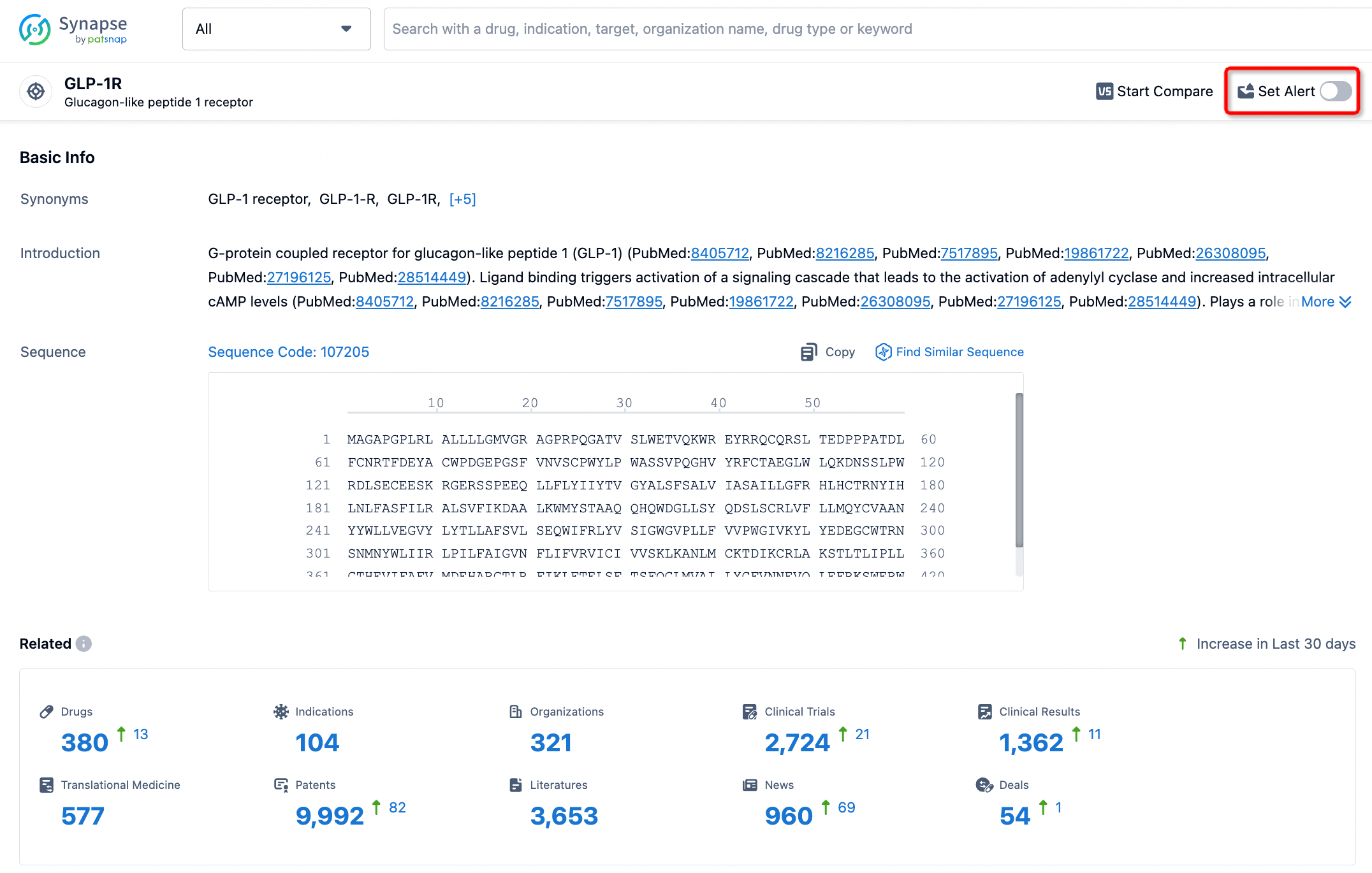
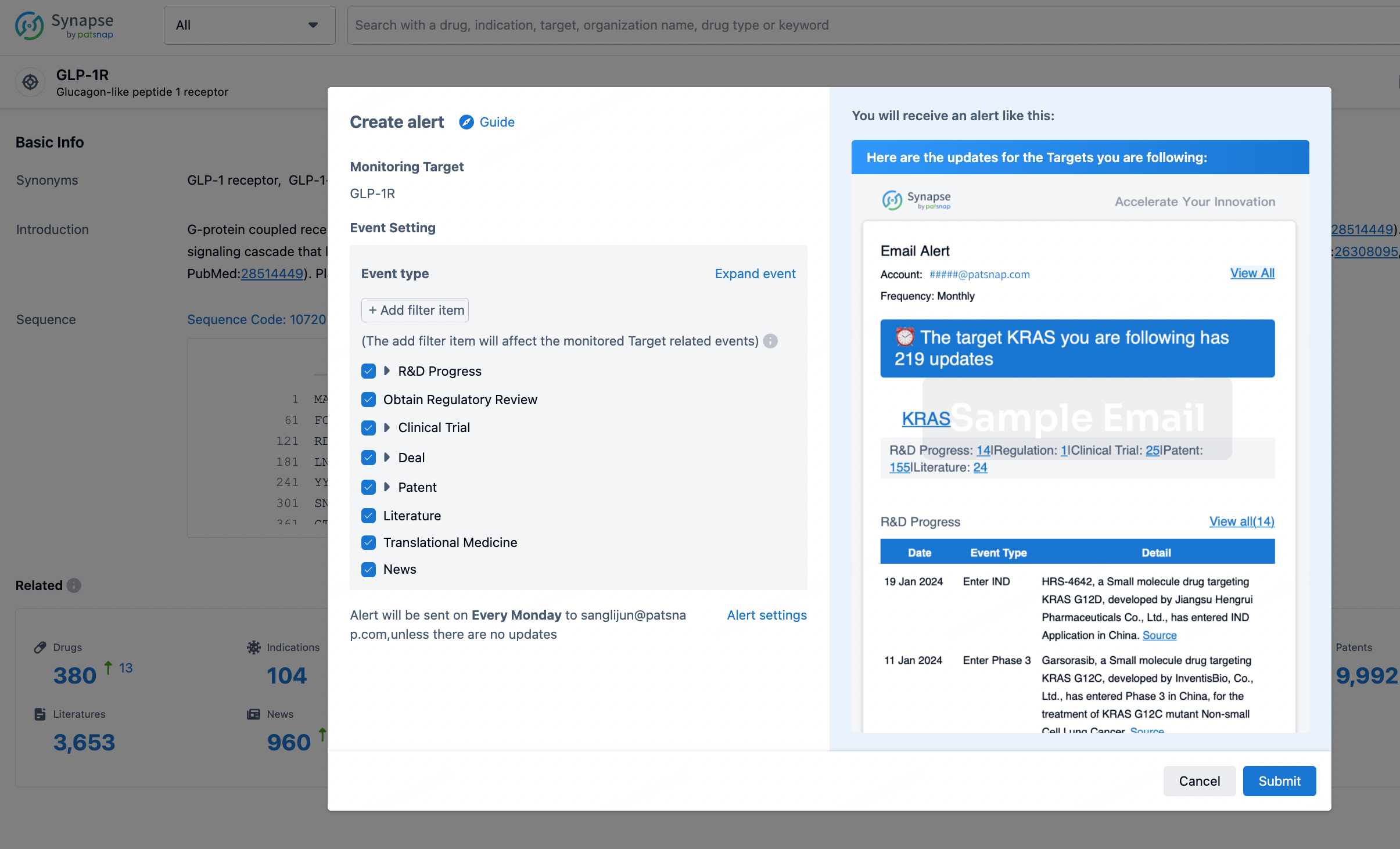
In the Synapse database, you can stay updated on the latest research and development advances of all targets. This service is accessible anytime and anywhere, with updates available daily or weekly. Use the "Set Alert" function to stay informed. Click on the image below to embark on a brand new journey of drug discovery!

AI Agents Built for Biopharma Breakthroughs
Accelerate discovery. Empower decisions. Transform outcomes.
Get started for free today!
Accelerate Strategic R&D decision making with Synapse, PatSnap’s AI-powered Connected Innovation Intelligence Platform Built for Life Sciences Professionals.
Start your data trial now!
Synapse data is also accessible to external entities via APIs or data packages. Empower better decisions with the latest in pharmaceutical intelligence.