Request Demo
What are the approved indications for Atogepant?
7 March 2025
Introduction to Atogepant
Overview of Atogepant
Atogepant is an orally administered, small‐molecule calcitonin gene‐related peptide (CGRP) receptor antagonist that has emerged as a novel therapeutic option in the management of migraine. Developed by AbbVie, Inc., atogepant represents a major advancement in preventive headache therapy because it is the first and only oral agent in the gepant class to be approved for migraine prophylaxis. Since its approval in September 2021 by regulators such as the U.S. Food and Drug Administration (FDA) and subsequently by the European Commission, atogepant has garnered attention not only for its novel mechanism of action but also for the convenience of an oral dosage form which offers a significant advantage for those patients who prefer or require a non‐injectable option over the parenteral CGRP monoclonal antibodies.
At a high level, atogepant has been evaluated in a series of methodical clinical trials across diverse patient populations using endpoints that encompass changes in monthly migraine days (MMDs), reductions in headache severity, and improvements in patients’ quality of life. The extensive clinical research supporting atogepant has made it a potent candidate to fill unmet medical needs in migraine prevention with reliable efficacy and improved tolerability profiles when compared with other conventional therapies. In summary, atogepant is a well‐tolerated and efficacious prophylactic treatment that addresses the limitations of traditional migraine prevention medications such as beta‐blockers, anticonvulsants, and even some of the injectable CGRP antibodies for eligible patients.
Mechanism of Action
Atogepant works by selectively targeting and antagonizing the CGRP receptor, a key component in the pathophysiology of migraine. CGRP is a potent neuropeptide that is known to play a central role in vasodilation and nociceptive signaling during migraine attacks. During an episode of migraine, increased levels of CGRP are observed, which are thought to contribute to the cascade of events leading to headache pain, neurogenic inflammation, and associated symptoms such as nausea and photophobia.
By binding competitively to the CGRP receptor, atogepant effectively prevents CGRP from exerting its biological effects. This in turn attenuates the trigeminovascular signaling pathways that contribute to both the initiation and propagation of migraine headaches. An important aspect of atogepant is its selectivity—not only does it possess a high binding affinity for the CGRP receptor, but it also has a chemical structure designed to minimize the production of reactive metabolites that could contribute to drug-induced liver injury (DILI). This careful pharmacological design provides patients with a preventive treatment that maintains efficacy with a favorable safety profile.
Moreover, the oral dosing regimen of atogepant enables rapid cessation of therapy in cases of adverse effects and offers a flexible treatment option for those who might not tolerate other prophylactic agents. Overall, the mechanism of blocking CGRP receptor activity contributes significantly to its effectiveness in reducing the frequency, severity, and duration of migraine attacks, thereby improving patients’ daily functioning and quality of life.
Approved Indications
Summary of Approved Uses
Atogepant has gained regulatory approval for two primary indications that address the prevention of migraine in adult populations. The approved indications are as follows:
1. Prophylactic Treatment for Episodic Migraine
Atogepant is primarily approved for the preventive treatment of episodic migraine in adults. Episodic migraine is typically characterized by the occurrence of migraine symptoms on fewer than 15 days per month. The approval criteria generally target patients who experience four or more migraine days per month, thereby offering a tailored intervention for those who have a significant frequency of attacks yet do not meet the threshold for chronic migraine. Patients receiving atogepant under this indication have demonstrated statistically significant reductions in mean monthly migraine days, as observed in multiple randomized controlled trials (RCTs) such as the ADVANCE trial. This trial established the efficacy of several oral doses (10 mg, 30 mg, and 60 mg) of atogepant compared to placebo, with improvements in migraine endpoints as well as patient-reported outcomes relating to daily functioning.
2. Prophylactic Treatment for Chronic Migraine
Following its initial approval for episodic migraine, atogepant’s indications have been expanded to include the preventive treatment of chronic migraine. Chronic migraine is clinically defined as 15 or more headache days per month, with at least 8 days meeting the criteria for migraine. The chronic migraine indication received additional support from pivotal studies such as the phase 3 PROGRESS trial, which included over 700 adult participants. In this study, atogepant was administered in two dosing regimens (30 mg twice daily and 60 mg once daily), with the 60 mg dose being specifically indicated for the prevention of chronic migraine. The trial demonstrated statistically significant reductions in the frequency of migraine days over a 12-week period when compared with placebo, along with improvements in several secondary endpoints such as the proportion of patients achieving a ≥50% reduction in monthly migraine days.
These approved indications highlight atogepant’s utility as a first-in-class oral CGRP receptor antagonist that is versatile in its ability to manage both episodic and chronic migraine. The therapy provides a novel alternative to both traditional preventive medications, which may be limited by side effects and tolerability issues, and to injectable options that may be less convenient for certain patients.
Regulatory Approval Process
The regulatory journey of atogepant is marked by robust clinical data and a methodical evaluation process aimed at ensuring both efficacy and safety. The FDA approval in September 2021 was a landmark event, substantiated by data from key phase III studies demonstrating its ability to significantly reduce monthly migraine days relative to placebo. In addition, the safety profile of atogepant, including its lack of drug-induced liver injury (DILI) and manageable treatment-emergent adverse events such as nausea and constipation, played an integral role in the regulatory decision.
Subsequently, additional real-world data and extended clinical trials, including long-term safety studies, have further solidified its position in the therapeutic landscape. In parallel, the European Commission and other regulatory agencies have reviewed atogepant’s clinical application data under well-structured marketing authorization application (MAA) processes. For instance, the European Commission reviewed data from the ADVANCE and PROGRESS trials, granting approval for its use in the prophylaxis of both episodic and chronic migraine in adult patients.
During the evaluation process, several dosing regimens were examined to ensure optimum efficacy while maintaining safety. The dosing flexibility (ranging from 10 mg to 60 mg once daily for episodic migraine, and specifically 60 mg once daily or 30 mg twice daily for chronic migraine) allows clinicians to tailor therapy based on individual patient profiles and migraine severity. Regulatory bodies carefully considered data that not only provided efficacy insights but also offered detailed pharmacokinetic and pharmacodynamic information, thereby verifying that atogepant does not accumulate in the body and demonstrates predictable drug behavior even with repeated administration.
Furthermore, the review process emphasized that, as an oral formulation, atogepant allows for rapid cessation in the event of adverse effects, a critical safety advantage compared to drugs with prolonged half-lives such as monoclonal antibodies. This feature, in addition to its efficacy in reducing migraine frequency and severity, underpinned the regulatory endorsements across multiple jurisdictions, making atogepant a vital addition to the migraine preventive treatment arsenal.
Clinical Trials and Studies
Key Clinical Trials Supporting Approval
Several pivotal clinical trials have formed the cornerstone of the regulatory approval of atogepant. These studies provided the essential efficacy and safety data that supported its use as both an episodic and chronic migraine preventive therapy:
1. ADVANCE Trial – Episodic Migraine
The phase III ADVANCE trial was instrumental in demonstrating the therapeutic potential of atogepant in patients with episodic migraine. In this multi-center, randomized, double-blind, placebo-controlled trial, patients received once-daily doses of atogepant at 10 mg, 30 mg, or 60 mg. The primary endpoint was the change from baseline in mean monthly migraine days (MMDs) over a 12-week period. The trial met its primary endpoint with statistically significant reductions in MMDs across all active dosages when compared to placebo. In addition, key secondary endpoints such as the proportion of patients achieving a ≥50% reduction in MMDs were also met, further validating the efficacy of atogepant in episodic migraine prophylaxis.
2. PROGRESS Trial – Chronic Migraine
Building upon the positive outcomes from the ADVANCE trial, the PROGRESS trial evaluated atogepant in an adult population with chronic migraine. This phase III study enrolled patients with a history of chronic migraine characterized by a high frequency of headache days per month. Participants were randomized to receive either atogepant 30 mg twice daily or atogepant 60 mg once daily, in comparison with placebo. The trial’s primary endpoint was also the change from baseline in mean monthly migraine days over a 12-week treatment period. Both dosing regimens demonstrated significant and clinically meaningful reductions in MMDs, with the 60 mg once-daily regimen being specifically highlighted for its indication in chronic migraine prevention. Secondary endpoints were supportive, showing improvements in measures of function and reduction in acute medication use.
3. Long-Term Safety Trials
In addition to short-term efficacy trials, open-label long-term safety studies extending up to 52 weeks have been conducted to evaluate the tolerability of daily atogepant administration in patients with episodic migraine. These studies provided the reassurance that extended use of atogepant is associated with a manageable safety profile, confirming the low incidence of serious adverse events and the overall absence of clinically problematic liver enzyme elevations. Such results were critical in addressing concerns regarding drug-induced liver injury (DILI) that had been associated with earlier small molecule CGRP antagonists and reinforced the safety of atogepant for chronic administration.
Each of these trials incorporated rigorous study designs with appropriate sample sizes and utilized robust endpoints to measure not only the reduction in monthly migraine days but also the improvement in patients’ overall quality of life and functional outcomes. The breadth of the clinical evaluation spanned diverse patient demographics and migraine severities, ensuring that the data supported a wide-ranging applicability in the adult migraine population.
Efficacy and Safety Data
Efficacy data from the pivotal trials reveal a substantial reduction in migraine frequency in patients treated with atogepant compared with placebo. In the ADVANCE trial, reductions in mean monthly migraine days were significant across the dosing range: patients on atogepant experienced a consistent and durable decline in the number of migraine days over the 12-week treatment period. Notably, a higher proportion of patients achieved clinically meaningful endpoints, such as a ≥50% reduction in MMDs, attesting to the drug’s effectiveness in episodic migraine prophylaxis.
Similarly, the PROGRESS trial for chronic migraine demonstrated that atogepant not only significantly reduced the number of migraine days but also had favorable effects on associated symptoms and the use of acute rescue medications. In both studies, the benefits were seen from the first week of treatment and were sustained across the treatment duration, indicating a rapid onset of action and a durable preventive effect.
Safety data across clinical studies further support atogepant’s favorable profile. Commonly reported treatment-emergent adverse events (TEAEs) included gastrointestinal disturbances such as nausea and constipation, as well as fatigue and upper respiratory tract infections; however, these events were predominantly mild to moderate in severity and led to low discontinuation rates. Importantly, no significant issues with drug-induced liver injury were observed, addressing prior concerns with earlier gepants. The consistency of the pharmacokinetic profile—showing no significant accumulation with once-daily dosing—provides additional confidence in the safety of atogepant when administered chronically.
Furthermore, subgroup analyses in these trials have indicated that atogepant is similarly effective across different demographic groups, including various age ranges and both sexes, although the majority of migraine studies naturally enroll a higher percentage of female participants. Collectively, the efficacy and safety data have played a pivotal role in establishing the approved indications for atogepant, underlining its role as an effective and safe preventive treatment for both episodic and chronic forms of migraine.
Future Directions and Research
Potential New Indications
While atogepant is currently approved for the preventive treatment of episodic migraine and has an expanded indication for chronic migraine, ongoing research continues to explore additional potential uses and new therapeutic frontiers for this CGRP receptor antagonist. Researchers are actively evaluating atogepant in patient populations who have not responded adequately to conventional oral treatments, such as individuals with medication overuse headache or those who have failed to achieve sufficient improvement on traditional preventive therapies.
Some studies are looking into whether atogepant could provide benefit in patient groups with specific comorbidities that complicate migraine management. For example, there is interest in understanding how atogepant might be integrated into treatment regimens for patients with cardiovascular risk factors or other systemic conditions, given the drug’s mechanism that targets a pathway implicated in both vascular and neural processes. Additionally, exploratory endpoints in some trials have shown promise for atogepant to improve aspects of patient quality of life that extend beyond pain reduction, such as enhancing cognitive function and reducing migraine-associated disability. These findings pave the way for future research into adjunctive uses that might further widen the therapeutic spectrum of atogepant.
Ongoing Research and Trials
Ongoing clinical trials continue to assess the long-term effects and additional applications of atogepant. Current studies are designed to evaluate the durability of its preventive effects over extended treatment periods beyond the typical 12-week trial duration, with some studies following patients for up to one year or more. These long-term trials are critical as they help to establish a comprehensive safety profile over prolonged use and assess the sustainability of clinical benefits over time.
Furthermore, there are phase 3b and real-world effectiveness studies recruiting patients who have previously failed two to four classes of conventional oral preventive treatments, thus broadening the understanding of atogepant’s effectiveness in more challenging clinical scenarios. Such trials are expected to provide additional insights into comparative efficacy, patient satisfaction, and overall health economic outcomes associated with switching to or initiating therapy with atogepant in refractory cases.
Other areas of active investigation include the potential use of atogepant in combination with other migraine therapies. Some studies are examining whether concomitant use with other acute or preventive agents could lead to additive or synergistic effects, thereby optimizing migraine management strategies, particularly in patients with high-frequency migraine attacks. Moreover, analysis of patient-reported outcomes in these trials not only helps to delineate the symptomatic benefits of atogepant but also offers a more granular view of its impact on daily activities, work productivity, and general well-being.
There is also increasing interest in the pharmacogenomic aspects of atogepant, investigating whether certain genetic profiles might predict a better therapeutic response or aid in tailoring individualized dosing strategies. The ongoing exploration of biomarkers and other predictive indicators could potentially refine patient selection, ensuring that atogepant is administered to those most likely to benefit from its use, thereby increasing the overall cost‐effectiveness and clinical success of the treatment. These research avenues are expected to further harness the therapeutic potential of atogepant while also mitigating any residual safety concerns by identifying early predictors of adverse events or diminished response.
Detailed and Explicit Conclusion
In conclusion, atogepant is currently approved for the prophylactic treatment of episodic migraine in adults and, more recently, for chronic migraine with the 60 mg once-daily dose. The regulatory approvals were grounded on robust clinical trial data demonstrating that atogepant significantly reduces the number of monthly migraine days, improves secondary functional outcomes, and offers a rapid, durable response. The key trials—the ADVANCE trial for episodic migraine and the PROGRESS trial for chronic migraine—have provided compelling evidence that atogepant not only meets the efficacy endpoints but also exhibits a favorable safety profile characterized by a low incidence of serious adverse events and no significant liver toxicity.
From a mechanistic perspective, the drug’s ability to selectively block the CGRP receptor disrupts the neurogenic inflammation and vasodilation processes that underpin migraine pathophysiology. This feature, combined with the convenience of an oral dosage form, distinguishes atogepant from other migraine prophylaxis options, especially those that require injectable formulations and have a longer half-life, which could delay the reversal of adverse effects if necessary.
Regulatory bodies, including the FDA and the European Commission, have reviewed extensive data—ranging from short-term randomized controlled trials to long-term open-label safety studies—to conclude that atogepant is both effective and safe for its approved indications. The rigorous evaluation process has ensured that the approved indications cover patients with episodic migraine (typically defined as less than 15 headache days per month) and those with chronic migraine (characterized by 15 or more headache days per month), thereby addressing a broad spectrum of migraine severity. Regulatory oversight has also emphasized flexible dosing regimens that allow clinicians to manage therapy tailored to individual patient needs.
Looking forward, the future research landscape for atogepant is bright, with ongoing trials aimed at extending its use to patients who have failed other oral preventive treatments and exploring combination therapies that might further optimize migraine management. There is also active investigation into pharmacogenomics and biomarker-based patient stratification, which may eventually lead to more personalized therapy. Ultimately, atogepant not only fills a significant unmet need in migraine prophylaxis but also sets the stage for future innovations in migraine treatment strategies, influencing both clinical practice and health policy decisions related to migraine management.
This comprehensive approach—from its detailed mechanism of action, through the rigorous approval process and clinical trial data, to the promising future directions—demonstrates that atogepant represents a significant and innovative addition to the armamentarium for migraine prevention. Its broad approval for both episodic and chronic migraine underscores its clinical versatility and the robust evidence supporting its use. Patients with frequent migraine attacks now have a highly effective, orally administered option available, offering improved convenience, fewer adverse effects, and a promising impact on daily functional status and overall quality of life.
In summary, the approved indications for atogepant, as outlined by available synapse data and clinical trial documentation, include:
• Preventive (prophylactic) treatment of episodic migraine in adults who experience four or more migraine days per month.
• Expanded use for the preventive treatment of chronic migraine, particularly recognizing that the 60 mg once-daily dose is effective in reducing the frequency of migraine days among patients with high headache burdens.
This multi-layered, evidence-based approval has been pivotal in ensuring that atogepant is recognized as a safe, effective, and convenient option for migraine prophylaxis in modern clinical practice.
Overview of Atogepant
Atogepant is an orally administered, small‐molecule calcitonin gene‐related peptide (CGRP) receptor antagonist that has emerged as a novel therapeutic option in the management of migraine. Developed by AbbVie, Inc., atogepant represents a major advancement in preventive headache therapy because it is the first and only oral agent in the gepant class to be approved for migraine prophylaxis. Since its approval in September 2021 by regulators such as the U.S. Food and Drug Administration (FDA) and subsequently by the European Commission, atogepant has garnered attention not only for its novel mechanism of action but also for the convenience of an oral dosage form which offers a significant advantage for those patients who prefer or require a non‐injectable option over the parenteral CGRP monoclonal antibodies.
At a high level, atogepant has been evaluated in a series of methodical clinical trials across diverse patient populations using endpoints that encompass changes in monthly migraine days (MMDs), reductions in headache severity, and improvements in patients’ quality of life. The extensive clinical research supporting atogepant has made it a potent candidate to fill unmet medical needs in migraine prevention with reliable efficacy and improved tolerability profiles when compared with other conventional therapies. In summary, atogepant is a well‐tolerated and efficacious prophylactic treatment that addresses the limitations of traditional migraine prevention medications such as beta‐blockers, anticonvulsants, and even some of the injectable CGRP antibodies for eligible patients.
Mechanism of Action
Atogepant works by selectively targeting and antagonizing the CGRP receptor, a key component in the pathophysiology of migraine. CGRP is a potent neuropeptide that is known to play a central role in vasodilation and nociceptive signaling during migraine attacks. During an episode of migraine, increased levels of CGRP are observed, which are thought to contribute to the cascade of events leading to headache pain, neurogenic inflammation, and associated symptoms such as nausea and photophobia.
By binding competitively to the CGRP receptor, atogepant effectively prevents CGRP from exerting its biological effects. This in turn attenuates the trigeminovascular signaling pathways that contribute to both the initiation and propagation of migraine headaches. An important aspect of atogepant is its selectivity—not only does it possess a high binding affinity for the CGRP receptor, but it also has a chemical structure designed to minimize the production of reactive metabolites that could contribute to drug-induced liver injury (DILI). This careful pharmacological design provides patients with a preventive treatment that maintains efficacy with a favorable safety profile.
Moreover, the oral dosing regimen of atogepant enables rapid cessation of therapy in cases of adverse effects and offers a flexible treatment option for those who might not tolerate other prophylactic agents. Overall, the mechanism of blocking CGRP receptor activity contributes significantly to its effectiveness in reducing the frequency, severity, and duration of migraine attacks, thereby improving patients’ daily functioning and quality of life.
Approved Indications
Summary of Approved Uses
Atogepant has gained regulatory approval for two primary indications that address the prevention of migraine in adult populations. The approved indications are as follows:
1. Prophylactic Treatment for Episodic Migraine
Atogepant is primarily approved for the preventive treatment of episodic migraine in adults. Episodic migraine is typically characterized by the occurrence of migraine symptoms on fewer than 15 days per month. The approval criteria generally target patients who experience four or more migraine days per month, thereby offering a tailored intervention for those who have a significant frequency of attacks yet do not meet the threshold for chronic migraine. Patients receiving atogepant under this indication have demonstrated statistically significant reductions in mean monthly migraine days, as observed in multiple randomized controlled trials (RCTs) such as the ADVANCE trial. This trial established the efficacy of several oral doses (10 mg, 30 mg, and 60 mg) of atogepant compared to placebo, with improvements in migraine endpoints as well as patient-reported outcomes relating to daily functioning.
2. Prophylactic Treatment for Chronic Migraine
Following its initial approval for episodic migraine, atogepant’s indications have been expanded to include the preventive treatment of chronic migraine. Chronic migraine is clinically defined as 15 or more headache days per month, with at least 8 days meeting the criteria for migraine. The chronic migraine indication received additional support from pivotal studies such as the phase 3 PROGRESS trial, which included over 700 adult participants. In this study, atogepant was administered in two dosing regimens (30 mg twice daily and 60 mg once daily), with the 60 mg dose being specifically indicated for the prevention of chronic migraine. The trial demonstrated statistically significant reductions in the frequency of migraine days over a 12-week period when compared with placebo, along with improvements in several secondary endpoints such as the proportion of patients achieving a ≥50% reduction in monthly migraine days.
These approved indications highlight atogepant’s utility as a first-in-class oral CGRP receptor antagonist that is versatile in its ability to manage both episodic and chronic migraine. The therapy provides a novel alternative to both traditional preventive medications, which may be limited by side effects and tolerability issues, and to injectable options that may be less convenient for certain patients.
Regulatory Approval Process
The regulatory journey of atogepant is marked by robust clinical data and a methodical evaluation process aimed at ensuring both efficacy and safety. The FDA approval in September 2021 was a landmark event, substantiated by data from key phase III studies demonstrating its ability to significantly reduce monthly migraine days relative to placebo. In addition, the safety profile of atogepant, including its lack of drug-induced liver injury (DILI) and manageable treatment-emergent adverse events such as nausea and constipation, played an integral role in the regulatory decision.
Subsequently, additional real-world data and extended clinical trials, including long-term safety studies, have further solidified its position in the therapeutic landscape. In parallel, the European Commission and other regulatory agencies have reviewed atogepant’s clinical application data under well-structured marketing authorization application (MAA) processes. For instance, the European Commission reviewed data from the ADVANCE and PROGRESS trials, granting approval for its use in the prophylaxis of both episodic and chronic migraine in adult patients.
During the evaluation process, several dosing regimens were examined to ensure optimum efficacy while maintaining safety. The dosing flexibility (ranging from 10 mg to 60 mg once daily for episodic migraine, and specifically 60 mg once daily or 30 mg twice daily for chronic migraine) allows clinicians to tailor therapy based on individual patient profiles and migraine severity. Regulatory bodies carefully considered data that not only provided efficacy insights but also offered detailed pharmacokinetic and pharmacodynamic information, thereby verifying that atogepant does not accumulate in the body and demonstrates predictable drug behavior even with repeated administration.
Furthermore, the review process emphasized that, as an oral formulation, atogepant allows for rapid cessation in the event of adverse effects, a critical safety advantage compared to drugs with prolonged half-lives such as monoclonal antibodies. This feature, in addition to its efficacy in reducing migraine frequency and severity, underpinned the regulatory endorsements across multiple jurisdictions, making atogepant a vital addition to the migraine preventive treatment arsenal.
Clinical Trials and Studies
Key Clinical Trials Supporting Approval
Several pivotal clinical trials have formed the cornerstone of the regulatory approval of atogepant. These studies provided the essential efficacy and safety data that supported its use as both an episodic and chronic migraine preventive therapy:
1. ADVANCE Trial – Episodic Migraine
The phase III ADVANCE trial was instrumental in demonstrating the therapeutic potential of atogepant in patients with episodic migraine. In this multi-center, randomized, double-blind, placebo-controlled trial, patients received once-daily doses of atogepant at 10 mg, 30 mg, or 60 mg. The primary endpoint was the change from baseline in mean monthly migraine days (MMDs) over a 12-week period. The trial met its primary endpoint with statistically significant reductions in MMDs across all active dosages when compared to placebo. In addition, key secondary endpoints such as the proportion of patients achieving a ≥50% reduction in MMDs were also met, further validating the efficacy of atogepant in episodic migraine prophylaxis.
2. PROGRESS Trial – Chronic Migraine
Building upon the positive outcomes from the ADVANCE trial, the PROGRESS trial evaluated atogepant in an adult population with chronic migraine. This phase III study enrolled patients with a history of chronic migraine characterized by a high frequency of headache days per month. Participants were randomized to receive either atogepant 30 mg twice daily or atogepant 60 mg once daily, in comparison with placebo. The trial’s primary endpoint was also the change from baseline in mean monthly migraine days over a 12-week treatment period. Both dosing regimens demonstrated significant and clinically meaningful reductions in MMDs, with the 60 mg once-daily regimen being specifically highlighted for its indication in chronic migraine prevention. Secondary endpoints were supportive, showing improvements in measures of function and reduction in acute medication use.
3. Long-Term Safety Trials
In addition to short-term efficacy trials, open-label long-term safety studies extending up to 52 weeks have been conducted to evaluate the tolerability of daily atogepant administration in patients with episodic migraine. These studies provided the reassurance that extended use of atogepant is associated with a manageable safety profile, confirming the low incidence of serious adverse events and the overall absence of clinically problematic liver enzyme elevations. Such results were critical in addressing concerns regarding drug-induced liver injury (DILI) that had been associated with earlier small molecule CGRP antagonists and reinforced the safety of atogepant for chronic administration.
Each of these trials incorporated rigorous study designs with appropriate sample sizes and utilized robust endpoints to measure not only the reduction in monthly migraine days but also the improvement in patients’ overall quality of life and functional outcomes. The breadth of the clinical evaluation spanned diverse patient demographics and migraine severities, ensuring that the data supported a wide-ranging applicability in the adult migraine population.
Efficacy and Safety Data
Efficacy data from the pivotal trials reveal a substantial reduction in migraine frequency in patients treated with atogepant compared with placebo. In the ADVANCE trial, reductions in mean monthly migraine days were significant across the dosing range: patients on atogepant experienced a consistent and durable decline in the number of migraine days over the 12-week treatment period. Notably, a higher proportion of patients achieved clinically meaningful endpoints, such as a ≥50% reduction in MMDs, attesting to the drug’s effectiveness in episodic migraine prophylaxis.
Similarly, the PROGRESS trial for chronic migraine demonstrated that atogepant not only significantly reduced the number of migraine days but also had favorable effects on associated symptoms and the use of acute rescue medications. In both studies, the benefits were seen from the first week of treatment and were sustained across the treatment duration, indicating a rapid onset of action and a durable preventive effect.
Safety data across clinical studies further support atogepant’s favorable profile. Commonly reported treatment-emergent adverse events (TEAEs) included gastrointestinal disturbances such as nausea and constipation, as well as fatigue and upper respiratory tract infections; however, these events were predominantly mild to moderate in severity and led to low discontinuation rates. Importantly, no significant issues with drug-induced liver injury were observed, addressing prior concerns with earlier gepants. The consistency of the pharmacokinetic profile—showing no significant accumulation with once-daily dosing—provides additional confidence in the safety of atogepant when administered chronically.
Furthermore, subgroup analyses in these trials have indicated that atogepant is similarly effective across different demographic groups, including various age ranges and both sexes, although the majority of migraine studies naturally enroll a higher percentage of female participants. Collectively, the efficacy and safety data have played a pivotal role in establishing the approved indications for atogepant, underlining its role as an effective and safe preventive treatment for both episodic and chronic forms of migraine.
Future Directions and Research
Potential New Indications
While atogepant is currently approved for the preventive treatment of episodic migraine and has an expanded indication for chronic migraine, ongoing research continues to explore additional potential uses and new therapeutic frontiers for this CGRP receptor antagonist. Researchers are actively evaluating atogepant in patient populations who have not responded adequately to conventional oral treatments, such as individuals with medication overuse headache or those who have failed to achieve sufficient improvement on traditional preventive therapies.
Some studies are looking into whether atogepant could provide benefit in patient groups with specific comorbidities that complicate migraine management. For example, there is interest in understanding how atogepant might be integrated into treatment regimens for patients with cardiovascular risk factors or other systemic conditions, given the drug’s mechanism that targets a pathway implicated in both vascular and neural processes. Additionally, exploratory endpoints in some trials have shown promise for atogepant to improve aspects of patient quality of life that extend beyond pain reduction, such as enhancing cognitive function and reducing migraine-associated disability. These findings pave the way for future research into adjunctive uses that might further widen the therapeutic spectrum of atogepant.
Ongoing Research and Trials
Ongoing clinical trials continue to assess the long-term effects and additional applications of atogepant. Current studies are designed to evaluate the durability of its preventive effects over extended treatment periods beyond the typical 12-week trial duration, with some studies following patients for up to one year or more. These long-term trials are critical as they help to establish a comprehensive safety profile over prolonged use and assess the sustainability of clinical benefits over time.
Furthermore, there are phase 3b and real-world effectiveness studies recruiting patients who have previously failed two to four classes of conventional oral preventive treatments, thus broadening the understanding of atogepant’s effectiveness in more challenging clinical scenarios. Such trials are expected to provide additional insights into comparative efficacy, patient satisfaction, and overall health economic outcomes associated with switching to or initiating therapy with atogepant in refractory cases.
Other areas of active investigation include the potential use of atogepant in combination with other migraine therapies. Some studies are examining whether concomitant use with other acute or preventive agents could lead to additive or synergistic effects, thereby optimizing migraine management strategies, particularly in patients with high-frequency migraine attacks. Moreover, analysis of patient-reported outcomes in these trials not only helps to delineate the symptomatic benefits of atogepant but also offers a more granular view of its impact on daily activities, work productivity, and general well-being.
There is also increasing interest in the pharmacogenomic aspects of atogepant, investigating whether certain genetic profiles might predict a better therapeutic response or aid in tailoring individualized dosing strategies. The ongoing exploration of biomarkers and other predictive indicators could potentially refine patient selection, ensuring that atogepant is administered to those most likely to benefit from its use, thereby increasing the overall cost‐effectiveness and clinical success of the treatment. These research avenues are expected to further harness the therapeutic potential of atogepant while also mitigating any residual safety concerns by identifying early predictors of adverse events or diminished response.
Detailed and Explicit Conclusion
In conclusion, atogepant is currently approved for the prophylactic treatment of episodic migraine in adults and, more recently, for chronic migraine with the 60 mg once-daily dose. The regulatory approvals were grounded on robust clinical trial data demonstrating that atogepant significantly reduces the number of monthly migraine days, improves secondary functional outcomes, and offers a rapid, durable response. The key trials—the ADVANCE trial for episodic migraine and the PROGRESS trial for chronic migraine—have provided compelling evidence that atogepant not only meets the efficacy endpoints but also exhibits a favorable safety profile characterized by a low incidence of serious adverse events and no significant liver toxicity.
From a mechanistic perspective, the drug’s ability to selectively block the CGRP receptor disrupts the neurogenic inflammation and vasodilation processes that underpin migraine pathophysiology. This feature, combined with the convenience of an oral dosage form, distinguishes atogepant from other migraine prophylaxis options, especially those that require injectable formulations and have a longer half-life, which could delay the reversal of adverse effects if necessary.
Regulatory bodies, including the FDA and the European Commission, have reviewed extensive data—ranging from short-term randomized controlled trials to long-term open-label safety studies—to conclude that atogepant is both effective and safe for its approved indications. The rigorous evaluation process has ensured that the approved indications cover patients with episodic migraine (typically defined as less than 15 headache days per month) and those with chronic migraine (characterized by 15 or more headache days per month), thereby addressing a broad spectrum of migraine severity. Regulatory oversight has also emphasized flexible dosing regimens that allow clinicians to manage therapy tailored to individual patient needs.
Looking forward, the future research landscape for atogepant is bright, with ongoing trials aimed at extending its use to patients who have failed other oral preventive treatments and exploring combination therapies that might further optimize migraine management. There is also active investigation into pharmacogenomics and biomarker-based patient stratification, which may eventually lead to more personalized therapy. Ultimately, atogepant not only fills a significant unmet need in migraine prophylaxis but also sets the stage for future innovations in migraine treatment strategies, influencing both clinical practice and health policy decisions related to migraine management.
This comprehensive approach—from its detailed mechanism of action, through the rigorous approval process and clinical trial data, to the promising future directions—demonstrates that atogepant represents a significant and innovative addition to the armamentarium for migraine prevention. Its broad approval for both episodic and chronic migraine underscores its clinical versatility and the robust evidence supporting its use. Patients with frequent migraine attacks now have a highly effective, orally administered option available, offering improved convenience, fewer adverse effects, and a promising impact on daily functional status and overall quality of life.
In summary, the approved indications for atogepant, as outlined by available synapse data and clinical trial documentation, include:
• Preventive (prophylactic) treatment of episodic migraine in adults who experience four or more migraine days per month.
• Expanded use for the preventive treatment of chronic migraine, particularly recognizing that the 60 mg once-daily dose is effective in reducing the frequency of migraine days among patients with high headache burdens.
This multi-layered, evidence-based approval has been pivotal in ensuring that atogepant is recognized as a safe, effective, and convenient option for migraine prophylaxis in modern clinical practice.
Discover Eureka LS: AI Agents Built for Biopharma Efficiency
Stop wasting time on biopharma busywork. Meet Eureka LS - your AI agent squad for drug discovery.
▶ See how 50+ research teams saved 300+ hours/month
From reducing screening time to simplifying Markush drafting, our AI Agents are ready to deliver immediate value. Explore Eureka LS today and unlock powerful capabilities that help you innovate with confidence.
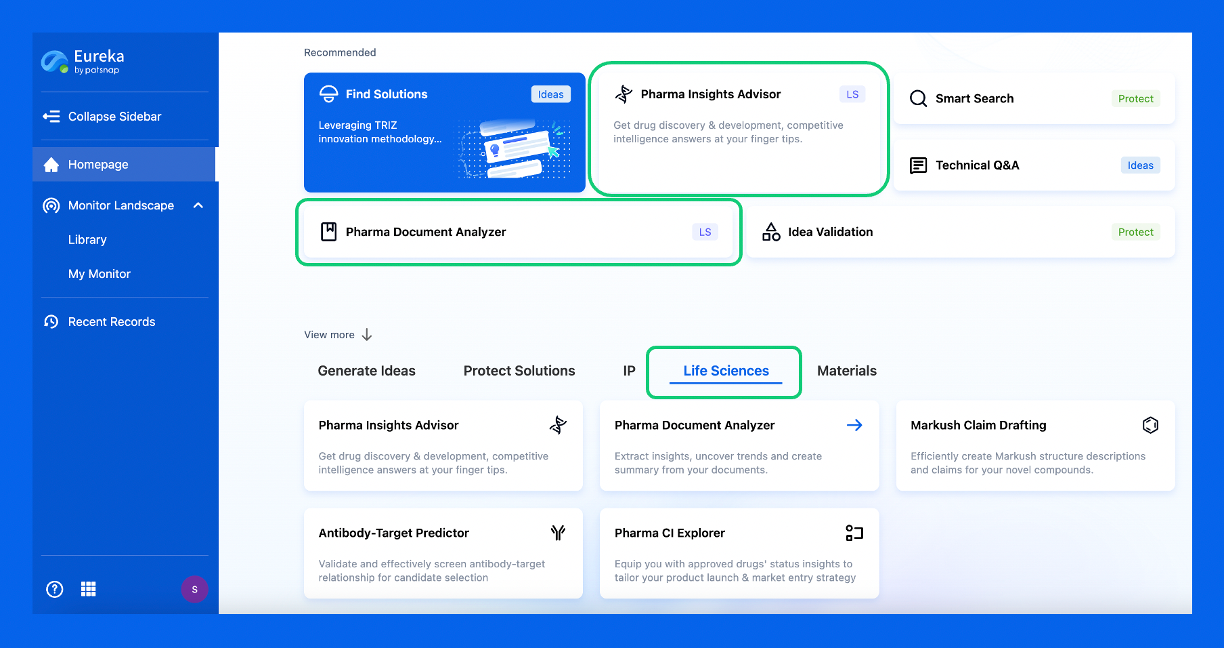
AI Agents Built for Biopharma Breakthroughs
Accelerate discovery. Empower decisions. Transform outcomes.
Get started for free today!
Accelerate Strategic R&D decision making with Synapse, PatSnap’s AI-powered Connected Innovation Intelligence Platform Built for Life Sciences Professionals.
Start your data trial now!
Synapse data is also accessible to external entities via APIs or data packages. Empower better decisions with the latest in pharmaceutical intelligence.