Request Demo
What are the key players in the Castration-Resistant Prostatic Cancer treatment market?
12 March 2025
Overview of Castration-Resistant Prostatic CancerDefinitionon and Characteristics
Castration-resistant prostate cancer (CRPC) is an advanced form of prostate cancer in which the malignancy continues to progress despite the suppression of testosterone to castrate levels by surgical or medical means. In general, prostate cancer is initially androgen-dependent, with therapies—such as androgen deprivation therapy (ADT)—providing robust responses in the early stages. However, over time, most patients develop resistance, and the disease no longer responds to the lowering of androgen levels. This process is linked to multiple adaptive mechanisms including overexpression or mutation of the androgen receptor (AR), intratumoral androgen synthesis, and even activation of alternative cell survival pathways independent of the AR axis. CRPC is characterized by a high proliferation rate, aggressive metastatic behavior (particularly to bone), poor prognosis, and a median overall survival typically ranging between 9 and 30 months after development of resistance. Recent molecular insights have elucidated that many CRPC tumors continue to rely on residual or reactivated androgen signaling even in a low-testosterone environment, underscoring the complexity of treatment resistance in this disease.
Current Treatment Landscape
Initially, treatment options for localized prostate cancer include surgery and radiation therapy; however, for advanced disease, the primary modality remains androgen deprivation therapy. Although ADT leads to significant initial remission, the eventual transition to CRPC is virtually inevitable due to adaptive resistance mechanisms that allow cancer cells to circumvent androgen deprivation. In response, clinical strategies have expanded to include chemotherapeutic agents—most notably docetaxel as a first-line standard following the failure of ADT—as well as second-line taxanes like cabazitaxel. In addition, novel hormonal agents including abiraterone acetate (a CYP17 inhibitor) and enzalutamide (a potent antiandrogen) have been developed, which specifically target ongoing androgen receptor signaling in CRPC patients. Immunotherapeutic approaches—such as the autologous cell-based vaccine sipuleucel-T—radiopharmaceuticals like radium-223 dichloride for bone metastases, and emerging targeted therapies including PARP inhibitors are all gaining traction. In recent years, there has been an increasing emphasis on personalized medicine whereby biomarker-driven strategies are employed to guide therapeutic decisions and treatment sequencing in this heterogeneous disease.
Key Players in the CRPC Treatment Market
Leading Pharmaceutical Companies
The CRPC treatment landscape is marked by the involvement of a broad spectrum of multinational, well‐established pharmaceutical companies along with innovative biotech firms. The leading players are typically categorized on the basis of their robust research and development pipelines and their market presence from both their approved products and pipeline candidates. Key players – as evidenced in the synapse research and news sources – include:
• AstraZeneca – A global leader with a diversified oncology portfolio, AstraZeneca has been instrumental in developing novel agents for CRPC. Their involvement not only spans approved therapies but also extends to targeted molecular candidates currently in advanced clinical trials.
• Arvinas – Renowned for its pioneering work in drug development, Arvinas has entered the field with innovative therapies that disrupt key oncogenic signaling pathways in advanced cancers, including CRPC.
• Bristol Myers Squibb – With a strong focus on immunotherapy and checkpoint inhibitors, this company plays an essential role in developing combination strategies for CRPC, particularly given its experience with PD-1 inhibitors which are being investigated in combination with other agents in CRPC.
• Merck – Through both its internal R&D and strategic partnerships, Merck is actively engaged in identifying and developing agents that target hormone refractory mechanisms and advanced disease resistance pathways in CRPC.
• Exelixis – This company is known for its work in developing novel kinase inhibitors and other anti-neoplastic agents and remains a critical player in late-stage clinical development programs for CRPC.
• Takeda – Takeda’s oncology portfolio includes innovative compounds, and they are actively exploring new hormonal and targeted therapies that address resistance mechanisms in CRPC.
• Pfizer, Janssen Pharmaceuticals, and Astellas Pharma – Together, these companies form a triumvirate in the metastatic castration-sensitive and CRPC domains. Their approved products – such as abiraterone acetate (initially brought to market through Janssen) – highlight their significant contributions to evolving treatment paradigms.
• MacroGenics, Daiichi Sankyo, Seagen, Taiho Pharmaceutical, and Modra Pharmaceuticals – These companies represent emerging biotech and mid-sized pharmaceutical enterprises with robust pipelines focused on innovative delivery mechanisms, novel targets, and next-generation therapeutic agents. Their collaborative efforts have yielded pipeline progress toward targeted, personalized CRPC treatments.
• Xencor, Point Biopharma, Lantheus Holdings, Zenith Epigenetics, Essa Pharma, Telix Pharmaceuticals, Kintor Pharmaceutical, and AB Science – These companies are also significant, particularly in the context of emerging modalities such as antibody–drug conjugates, radiopharmaceutical strategies, and small-molecule inhibitors, all of which are expected to disrupt current clinical practices in CRPC treatment.
• Eli Lilly and Company – A multinational pharmaceutical giant with a long history in oncology, Eli Lilly is increasingly contributing to the CRPC space through potential next-generation antiandrogens and combination regimens.
In addition to these leaders, other companies such as Myovant Sciences, Clovis Oncology, Novartis Pharmaceuticals, Ferring Pharmaceuticals, and Genentech are also noteworthy due to their involvement in both the metastatic castration-sensitive and CRPC segments. Their approbation of novel agents and forward-thinking portfolio strategies position them as critical stakeholders in the market.
Market Share and Competitive Landscape
The CRPC treatment market is highly competitive and dynamic, influenced by both established standard-of-care agents and an influx of pipeline products vying to capture greater market share. Geographically, the United States has historically led the market owing to its advanced healthcare infrastructure, robust R&D investments, and high disease prevalence. The North American market is complemented by significant activity in the EU5 (Germany, France, Italy, Spain, and the United Kingdom) and Japan, where healthcare systems and regulatory pathways foster pharmaceutical innovation and rapid approval of new treatments.
From a competitive standpoint, traditional therapies—such as chemotherapy agents like docetaxel—continue to maintain significant market presence; however, novel hormonal agents (abiraterone acetate, enzalutamide) and immunotherapies are steadily eroding market share from conventional options due to significantly improved survival and quality of life outcomes. The market is evolving rapidly as players incorporate combination therapies, second-generation agents, and personalized medicine approaches geared toward tumor molecular profiling. Establishing market share is also increasingly dependent on the therapeutic index—the balance between efficacy and tolerability—as well as the ease of administration and patient convenience. As such, companies with deep pipelines and strong clinical data demonstrating both life-prolonging benefits and favorable side effect profiles are well positioned to dominate the competitive landscape.
Furthermore, merger and acquisition activity within the oncology space has directly impacted the competitive dynamics. For instance, collaborations between established pharmaceutical giants and innovative biotechs are aimed at quickly integrating breakthrough technology into existing portfolios, thereby potentially reshaping market shares and offering comprehensive, multi-targeted approaches for CRPC management. These alliances not only improve the speed of innovation but also contribute to portfolio diversification, ensuring that companies remain competitive in view of changing therapeutic paradigms. Collaborative initiatives are crucial for addressing reimbursement challenges and for gaining regulatory approvals across multiple territories, thus directly influencing market expansion and penetration.
Major CRPC Treatments and Innovations
Approved Drugs and Therapies
Currently approved treatments for CRPC include an array of chemotherapeutic agents, hormonal therapies, radionuclide therapies, and, more recently, immunotherapies. Key approved therapies include:
• Docetaxel and Cabazitaxel: Docetaxel set the standard of care for metastatic CRPC as the first chemotherapeutic agent to show a survival benefit in large phase III clinical trials. Cabazitaxel, a next-generation taxane, is used in patients progressing after docetaxel treatment. Both drugs have contributed substantially to improved survival outcomes in CRPC.
• Abiraterone Acetate: This potent CYP17 inhibitor significantly reduces androgen production not only in the adrenal glands but also intratumorally, thereby addressing a key mechanism of CRPC progression. Abiraterone, typically administered with low-dose corticosteroids, has demonstrated a survival benefit in both chemotherapy-pretreated and chemotherapy-naïve settings.
• Enzalutamide: A next-generation antiandrogen that blocks androgen receptor signaling more effectively than earlier agents. Enzalutamide has shown impressive efficacy in prolonging survival among CRPC patients by impeding AR translocation, DNA binding, and coactivator recruitment.
• Sipuleucel-T: This autologous immunotherapy vaccine stimulates a patient’s immune system to target prostatic acid phosphatase, a protein commonly expressed on prostate cancer cells. Sipuleucel-T offers a novel treatment modality with the purpose of providing durable immune-mediated control of tumor progression.
• Radium-223 Dichloride: As a radiopharmaceutical agent, radium-223 targets bone metastases, a hallmark of CRPC, by delivering localized alpha radiation. This has been shown to not only palliate bone pain but also improve overall survival in patients with symptomatic bone metastases.
Each of these approved drugs has undergone rigorous evaluation in phase III clinical trials, contributing to the evolving therapeutic standard for CRPC. Their development has been closely monitored by multiple regulatory agencies worldwide, reflecting the critical need for effective treatments in this patient population.
Pipeline Products and Research
Alongside the approved modalities, robust research and development efforts are underway to expand the therapeutic armamentarium against CRPC. Key areas of innovation in the pipeline include:
• Novel Androgen Receptor Inhibitors: In addition to enzalutamide, several next-generation antiandrogens are in clinical development. Among these, novel small-molecule inhibitors targeting different aspects of AR activation, nuclear translocation, and DNA binding are being evaluated in early- and late-stage clinical trials. Some promising candidates target not only the full-length AR but also its splice variants, which are implicated in resistance.
• PARP Inhibitors and DNA Damage Repair Agents: With a growing understanding of the role of DNA repair deficiencies in prostate cancer, agents such as olaparib, rucaparib, and niraparib are under investigation for their potential to exploit these vulnerabilities. These drugs, already approved in other cancer indications, are now being tested in CRPC patients harboring mutations in homologous recombination repair genes. Their development represents an important step toward precision medicine in oncology.
• Immune Checkpoint Inhibitors and Combination Immunotherapy: Although CRPC is generally considered less immunogenic than other tumors, there is an active search for strategies to enhance immune recognition of prostate cancer cells. Immune checkpoint inhibitors, in combination with other agents (e.g., docetaxel or novel hormonal therapies), are being evaluated to determine their efficacy in overcoming tumor-induced immunosuppression. Recent trials have highlighted the potential of such combinations to produce durable responses in subsets of patients.
• Targeted Nanotherapeutics and Drug Delivery Systems: Innovative approaches that utilize nanotechnology to improve the bioavailability, targeting, and controlled release of therapeutic agents are emerging. Such systems are designed to deliver high concentrations of drugs directly to the tumor site while minimizing systemic toxicities. Early-phase clinical investigations are underway to explore these novel nanodrug delivery systems in CRPC.
• Molecularly Targeted Therapies Beyond the AR Axis: Research is also focusing on targeting other key molecular pathways involved in CRPC progression. Examples include inhibitors of the PI3K/Akt/mTOR signaling pathway, Src family kinases, and novel epigenetic modulators. Such investigational compounds could be used alone or in combination with established therapies to further improve patient outcomes.
The pipeline is highly dynamic, with many agents transitioning rapidly from preclinical to clinical phases. Competitive pressures among companies to accelerate development have fostered numerous collaborative agreements and licensing deals, further enriching the pipeline and potentially reshaping future treatment paradigms.
Market Dynamics and Future Outlook
Trends and Growth Drivers
The global market for CRPC treatments is witnessing robust growth driven by several key factors. First, the aging population combined with the high incidence of prostate cancer in developed markets continues to expand the patient pool eligible for CRPC therapies. Advances in diagnostic capabilities and early detection have led to an increased focus on managing the later stages of the disease when CRPC develops.
In addition, the remarkable level of innovation in the oncology space is a major driver. The transition from conventional chemotherapy to targeted hormone therapies, immunotherapies, and combination regimens has dramatically altered the risk–benefit profile of CRPC treatment. The demonstrated survival benefits and improved quality of life associated with these novel agents have stimulated further investment by both large pharmaceutical companies and nimble biotech firms.
Another significant trend is the rising adoption of personalized medicine approaches. With the increasing availability of biomarker testing and genomic profiling, treatments can be tailored to the molecular characteristics of a patient’s tumor. This strategy not only improves the clinical outcomes but also drives market growth by enabling more efficient patient selection for therapies such as PARP inhibitors and novel AR-targeting agents.
Furthermore, market consolidation through mergers, acquisitions, and strategic partnerships has enhanced the clinical portfolio and R&D capabilities of major players. Collaborative initiatives allow companies to share risks, access novel technologies, and speed up the development and regulatory approval process for innovative treatments.
Lastly, regulatory advancements and expedited approval pathways for breakthrough therapies have played an important role. In regions such as North America and Europe, agencies are increasingly supportive of agents that demonstrate significant clinical benefits, ensuring that effective CRPC therapies reach patients earlier and thus fuel market penetration.
Challenges and Opportunities
Despite significant progress, multiple challenges remain. The heterogeneity of CRPC means that a “one‐size‐fits‐all” approach is not feasible, leading to variability in patient responses and a persistent need for effective biomarkers to predict treatment response and resistance. In addition, the high cost associated with many new therapies, particularly targeted treatments and immunotherapies, poses reimbursement challenges and could limit market access in certain regions.
Clinically, the management of treatment resistance remains a central challenge. Cancer cells develop adaptive strategies—such as the emergence of AR splice variants or the activation of compensatory pathways—to overcome both hormonal and cytotoxic therapies. This not only hampers long-term treatment effectiveness but also necessitates a continuous evolution of therapeutic strategies.
On the opportunity side, emerging combination therapies offer significant promise. Combining agents that target different molecular mechanisms—such as pairing hormonal therapies with immunotherapies or PARP inhibitors—has the potential to overcome resistance and result in synergistic clinical effects. The future of CRPC treatment is likely to be characterized by regimen personalization and an increased reliance on multiagent protocols.
Technological innovations in drug delivery, including the use of nanoparticle-based systems, are also poised to enhance treatment efficacy by specifically targeting tumor tissue while reducing systemic exposure and side effects. Moreover, the continuing evolution of “omics” technologies, such as genomics and proteomics, will further drive the discovery of new biomarkers and therapeutic targets, paving the way for more effective and individualized treatment plans.
An additional opportunity lies in the economic domain. With the expansion of the patient pool and the increasing use of advanced diagnostics, the overall market size is projected to grow significantly over the coming years. Market forecasts indicate that the therapeutic market could surpass several billion dollars in major regions, particularly in North America and Europe, given the increased incidence of CRPC and ongoing R&D investments.
Moreover, there is considerable scope for healthcare systems to benefit from cost-effectiveness studies that integrate both the quality of life improvements and overall survival benefits of novel therapies. Robust real-world evidence and registry data could help optimize treatment sequences, guide reimbursement decisions, and ultimately improve patient management while containing costs.
Conclusion
In summary, the CRPC treatment market is both highly competitive and rapidly evolving. On a general level, CRPC is defined by its advanced, treatment‐resistant nature, necessitating sophisticated and multi-pronged therapeutic approaches. Specific to this landscape, leading pharmaceutical companies such as AstraZeneca, Bristol Myers Squibb, Merck, Exelixis, and Takeda, alongside innovative biotech firms like Arvinas, MacroGenics, and Xencor, are at the forefront of developing and commercializing novel therapies. These companies continue to build their portfolios with approved agents like abiraterone acetate, enzalutamide, docetaxel, cabazitaxel, sipuleucel-T, and radium-223 dichloride, while also driving an aggressive pipeline in the areas of next-generation hormonal inhibitors, PARP inhibitors, and immunotherapies.
Market share dynamics are predominantly influenced by geographical factors and the continued expansion of advanced treatment modalities. The United States remains a dominant market, bolstered by strong healthcare infrastructures and regulatory support, while Europe and Japan also represent significant regions for CRPC drug approvals and market penetration. The competitive landscape is further reshaped by trends toward personalized medicine and combination therapy regimens, which aim to address the heterogeneous nature of CRPC and overcome treatment resistance.
From a specific perspective, several growth drivers and technological innovations—including biomarker-based treatment selection, advanced drug delivery systems, and combination strategies—present both challenges and opportunities for market participants. While the complexity of treatment resistance, high drug costs, and patient heterogeneity pose significant challenges, the promise of extended survival, improved quality of life, and personalized medicine approaches offers tremendous opportunities for both established and emerging players.
In conclusion, the CRPC treatment market is marked by intense competition, rapid technological and therapeutic innovation, and dynamic shifts in treatment paradigms. The interplay between multinational giants and agile biotech firms, driven by sophisticated R&D pipelines and strategic collaborations, is set to profoundly influence the future management of CRPC. Ultimately, the combined efforts in advancing approved therapies and pipeline candidates—along with the integration of personalized medicine approaches—will be critical in improving outcomes for patients afflicted by this challenging condition.
Castration-resistant prostate cancer (CRPC) is an advanced form of prostate cancer in which the malignancy continues to progress despite the suppression of testosterone to castrate levels by surgical or medical means. In general, prostate cancer is initially androgen-dependent, with therapies—such as androgen deprivation therapy (ADT)—providing robust responses in the early stages. However, over time, most patients develop resistance, and the disease no longer responds to the lowering of androgen levels. This process is linked to multiple adaptive mechanisms including overexpression or mutation of the androgen receptor (AR), intratumoral androgen synthesis, and even activation of alternative cell survival pathways independent of the AR axis. CRPC is characterized by a high proliferation rate, aggressive metastatic behavior (particularly to bone), poor prognosis, and a median overall survival typically ranging between 9 and 30 months after development of resistance. Recent molecular insights have elucidated that many CRPC tumors continue to rely on residual or reactivated androgen signaling even in a low-testosterone environment, underscoring the complexity of treatment resistance in this disease.
Current Treatment Landscape
Initially, treatment options for localized prostate cancer include surgery and radiation therapy; however, for advanced disease, the primary modality remains androgen deprivation therapy. Although ADT leads to significant initial remission, the eventual transition to CRPC is virtually inevitable due to adaptive resistance mechanisms that allow cancer cells to circumvent androgen deprivation. In response, clinical strategies have expanded to include chemotherapeutic agents—most notably docetaxel as a first-line standard following the failure of ADT—as well as second-line taxanes like cabazitaxel. In addition, novel hormonal agents including abiraterone acetate (a CYP17 inhibitor) and enzalutamide (a potent antiandrogen) have been developed, which specifically target ongoing androgen receptor signaling in CRPC patients. Immunotherapeutic approaches—such as the autologous cell-based vaccine sipuleucel-T—radiopharmaceuticals like radium-223 dichloride for bone metastases, and emerging targeted therapies including PARP inhibitors are all gaining traction. In recent years, there has been an increasing emphasis on personalized medicine whereby biomarker-driven strategies are employed to guide therapeutic decisions and treatment sequencing in this heterogeneous disease.
Key Players in the CRPC Treatment Market
Leading Pharmaceutical Companies
The CRPC treatment landscape is marked by the involvement of a broad spectrum of multinational, well‐established pharmaceutical companies along with innovative biotech firms. The leading players are typically categorized on the basis of their robust research and development pipelines and their market presence from both their approved products and pipeline candidates. Key players – as evidenced in the synapse research and news sources – include:
• AstraZeneca – A global leader with a diversified oncology portfolio, AstraZeneca has been instrumental in developing novel agents for CRPC. Their involvement not only spans approved therapies but also extends to targeted molecular candidates currently in advanced clinical trials.
• Arvinas – Renowned for its pioneering work in drug development, Arvinas has entered the field with innovative therapies that disrupt key oncogenic signaling pathways in advanced cancers, including CRPC.
• Bristol Myers Squibb – With a strong focus on immunotherapy and checkpoint inhibitors, this company plays an essential role in developing combination strategies for CRPC, particularly given its experience with PD-1 inhibitors which are being investigated in combination with other agents in CRPC.
• Merck – Through both its internal R&D and strategic partnerships, Merck is actively engaged in identifying and developing agents that target hormone refractory mechanisms and advanced disease resistance pathways in CRPC.
• Exelixis – This company is known for its work in developing novel kinase inhibitors and other anti-neoplastic agents and remains a critical player in late-stage clinical development programs for CRPC.
• Takeda – Takeda’s oncology portfolio includes innovative compounds, and they are actively exploring new hormonal and targeted therapies that address resistance mechanisms in CRPC.
• Pfizer, Janssen Pharmaceuticals, and Astellas Pharma – Together, these companies form a triumvirate in the metastatic castration-sensitive and CRPC domains. Their approved products – such as abiraterone acetate (initially brought to market through Janssen) – highlight their significant contributions to evolving treatment paradigms.
• MacroGenics, Daiichi Sankyo, Seagen, Taiho Pharmaceutical, and Modra Pharmaceuticals – These companies represent emerging biotech and mid-sized pharmaceutical enterprises with robust pipelines focused on innovative delivery mechanisms, novel targets, and next-generation therapeutic agents. Their collaborative efforts have yielded pipeline progress toward targeted, personalized CRPC treatments.
• Xencor, Point Biopharma, Lantheus Holdings, Zenith Epigenetics, Essa Pharma, Telix Pharmaceuticals, Kintor Pharmaceutical, and AB Science – These companies are also significant, particularly in the context of emerging modalities such as antibody–drug conjugates, radiopharmaceutical strategies, and small-molecule inhibitors, all of which are expected to disrupt current clinical practices in CRPC treatment.
• Eli Lilly and Company – A multinational pharmaceutical giant with a long history in oncology, Eli Lilly is increasingly contributing to the CRPC space through potential next-generation antiandrogens and combination regimens.
In addition to these leaders, other companies such as Myovant Sciences, Clovis Oncology, Novartis Pharmaceuticals, Ferring Pharmaceuticals, and Genentech are also noteworthy due to their involvement in both the metastatic castration-sensitive and CRPC segments. Their approbation of novel agents and forward-thinking portfolio strategies position them as critical stakeholders in the market.
Market Share and Competitive Landscape
The CRPC treatment market is highly competitive and dynamic, influenced by both established standard-of-care agents and an influx of pipeline products vying to capture greater market share. Geographically, the United States has historically led the market owing to its advanced healthcare infrastructure, robust R&D investments, and high disease prevalence. The North American market is complemented by significant activity in the EU5 (Germany, France, Italy, Spain, and the United Kingdom) and Japan, where healthcare systems and regulatory pathways foster pharmaceutical innovation and rapid approval of new treatments.
From a competitive standpoint, traditional therapies—such as chemotherapy agents like docetaxel—continue to maintain significant market presence; however, novel hormonal agents (abiraterone acetate, enzalutamide) and immunotherapies are steadily eroding market share from conventional options due to significantly improved survival and quality of life outcomes. The market is evolving rapidly as players incorporate combination therapies, second-generation agents, and personalized medicine approaches geared toward tumor molecular profiling. Establishing market share is also increasingly dependent on the therapeutic index—the balance between efficacy and tolerability—as well as the ease of administration and patient convenience. As such, companies with deep pipelines and strong clinical data demonstrating both life-prolonging benefits and favorable side effect profiles are well positioned to dominate the competitive landscape.
Furthermore, merger and acquisition activity within the oncology space has directly impacted the competitive dynamics. For instance, collaborations between established pharmaceutical giants and innovative biotechs are aimed at quickly integrating breakthrough technology into existing portfolios, thereby potentially reshaping market shares and offering comprehensive, multi-targeted approaches for CRPC management. These alliances not only improve the speed of innovation but also contribute to portfolio diversification, ensuring that companies remain competitive in view of changing therapeutic paradigms. Collaborative initiatives are crucial for addressing reimbursement challenges and for gaining regulatory approvals across multiple territories, thus directly influencing market expansion and penetration.
Major CRPC Treatments and Innovations
Approved Drugs and Therapies
Currently approved treatments for CRPC include an array of chemotherapeutic agents, hormonal therapies, radionuclide therapies, and, more recently, immunotherapies. Key approved therapies include:
• Docetaxel and Cabazitaxel: Docetaxel set the standard of care for metastatic CRPC as the first chemotherapeutic agent to show a survival benefit in large phase III clinical trials. Cabazitaxel, a next-generation taxane, is used in patients progressing after docetaxel treatment. Both drugs have contributed substantially to improved survival outcomes in CRPC.
• Abiraterone Acetate: This potent CYP17 inhibitor significantly reduces androgen production not only in the adrenal glands but also intratumorally, thereby addressing a key mechanism of CRPC progression. Abiraterone, typically administered with low-dose corticosteroids, has demonstrated a survival benefit in both chemotherapy-pretreated and chemotherapy-naïve settings.
• Enzalutamide: A next-generation antiandrogen that blocks androgen receptor signaling more effectively than earlier agents. Enzalutamide has shown impressive efficacy in prolonging survival among CRPC patients by impeding AR translocation, DNA binding, and coactivator recruitment.
• Sipuleucel-T: This autologous immunotherapy vaccine stimulates a patient’s immune system to target prostatic acid phosphatase, a protein commonly expressed on prostate cancer cells. Sipuleucel-T offers a novel treatment modality with the purpose of providing durable immune-mediated control of tumor progression.
• Radium-223 Dichloride: As a radiopharmaceutical agent, radium-223 targets bone metastases, a hallmark of CRPC, by delivering localized alpha radiation. This has been shown to not only palliate bone pain but also improve overall survival in patients with symptomatic bone metastases.
Each of these approved drugs has undergone rigorous evaluation in phase III clinical trials, contributing to the evolving therapeutic standard for CRPC. Their development has been closely monitored by multiple regulatory agencies worldwide, reflecting the critical need for effective treatments in this patient population.
Pipeline Products and Research
Alongside the approved modalities, robust research and development efforts are underway to expand the therapeutic armamentarium against CRPC. Key areas of innovation in the pipeline include:
• Novel Androgen Receptor Inhibitors: In addition to enzalutamide, several next-generation antiandrogens are in clinical development. Among these, novel small-molecule inhibitors targeting different aspects of AR activation, nuclear translocation, and DNA binding are being evaluated in early- and late-stage clinical trials. Some promising candidates target not only the full-length AR but also its splice variants, which are implicated in resistance.
• PARP Inhibitors and DNA Damage Repair Agents: With a growing understanding of the role of DNA repair deficiencies in prostate cancer, agents such as olaparib, rucaparib, and niraparib are under investigation for their potential to exploit these vulnerabilities. These drugs, already approved in other cancer indications, are now being tested in CRPC patients harboring mutations in homologous recombination repair genes. Their development represents an important step toward precision medicine in oncology.
• Immune Checkpoint Inhibitors and Combination Immunotherapy: Although CRPC is generally considered less immunogenic than other tumors, there is an active search for strategies to enhance immune recognition of prostate cancer cells. Immune checkpoint inhibitors, in combination with other agents (e.g., docetaxel or novel hormonal therapies), are being evaluated to determine their efficacy in overcoming tumor-induced immunosuppression. Recent trials have highlighted the potential of such combinations to produce durable responses in subsets of patients.
• Targeted Nanotherapeutics and Drug Delivery Systems: Innovative approaches that utilize nanotechnology to improve the bioavailability, targeting, and controlled release of therapeutic agents are emerging. Such systems are designed to deliver high concentrations of drugs directly to the tumor site while minimizing systemic toxicities. Early-phase clinical investigations are underway to explore these novel nanodrug delivery systems in CRPC.
• Molecularly Targeted Therapies Beyond the AR Axis: Research is also focusing on targeting other key molecular pathways involved in CRPC progression. Examples include inhibitors of the PI3K/Akt/mTOR signaling pathway, Src family kinases, and novel epigenetic modulators. Such investigational compounds could be used alone or in combination with established therapies to further improve patient outcomes.
The pipeline is highly dynamic, with many agents transitioning rapidly from preclinical to clinical phases. Competitive pressures among companies to accelerate development have fostered numerous collaborative agreements and licensing deals, further enriching the pipeline and potentially reshaping future treatment paradigms.
Market Dynamics and Future Outlook
Trends and Growth Drivers
The global market for CRPC treatments is witnessing robust growth driven by several key factors. First, the aging population combined with the high incidence of prostate cancer in developed markets continues to expand the patient pool eligible for CRPC therapies. Advances in diagnostic capabilities and early detection have led to an increased focus on managing the later stages of the disease when CRPC develops.
In addition, the remarkable level of innovation in the oncology space is a major driver. The transition from conventional chemotherapy to targeted hormone therapies, immunotherapies, and combination regimens has dramatically altered the risk–benefit profile of CRPC treatment. The demonstrated survival benefits and improved quality of life associated with these novel agents have stimulated further investment by both large pharmaceutical companies and nimble biotech firms.
Another significant trend is the rising adoption of personalized medicine approaches. With the increasing availability of biomarker testing and genomic profiling, treatments can be tailored to the molecular characteristics of a patient’s tumor. This strategy not only improves the clinical outcomes but also drives market growth by enabling more efficient patient selection for therapies such as PARP inhibitors and novel AR-targeting agents.
Furthermore, market consolidation through mergers, acquisitions, and strategic partnerships has enhanced the clinical portfolio and R&D capabilities of major players. Collaborative initiatives allow companies to share risks, access novel technologies, and speed up the development and regulatory approval process for innovative treatments.
Lastly, regulatory advancements and expedited approval pathways for breakthrough therapies have played an important role. In regions such as North America and Europe, agencies are increasingly supportive of agents that demonstrate significant clinical benefits, ensuring that effective CRPC therapies reach patients earlier and thus fuel market penetration.
Challenges and Opportunities
Despite significant progress, multiple challenges remain. The heterogeneity of CRPC means that a “one‐size‐fits‐all” approach is not feasible, leading to variability in patient responses and a persistent need for effective biomarkers to predict treatment response and resistance. In addition, the high cost associated with many new therapies, particularly targeted treatments and immunotherapies, poses reimbursement challenges and could limit market access in certain regions.
Clinically, the management of treatment resistance remains a central challenge. Cancer cells develop adaptive strategies—such as the emergence of AR splice variants or the activation of compensatory pathways—to overcome both hormonal and cytotoxic therapies. This not only hampers long-term treatment effectiveness but also necessitates a continuous evolution of therapeutic strategies.
On the opportunity side, emerging combination therapies offer significant promise. Combining agents that target different molecular mechanisms—such as pairing hormonal therapies with immunotherapies or PARP inhibitors—has the potential to overcome resistance and result in synergistic clinical effects. The future of CRPC treatment is likely to be characterized by regimen personalization and an increased reliance on multiagent protocols.
Technological innovations in drug delivery, including the use of nanoparticle-based systems, are also poised to enhance treatment efficacy by specifically targeting tumor tissue while reducing systemic exposure and side effects. Moreover, the continuing evolution of “omics” technologies, such as genomics and proteomics, will further drive the discovery of new biomarkers and therapeutic targets, paving the way for more effective and individualized treatment plans.
An additional opportunity lies in the economic domain. With the expansion of the patient pool and the increasing use of advanced diagnostics, the overall market size is projected to grow significantly over the coming years. Market forecasts indicate that the therapeutic market could surpass several billion dollars in major regions, particularly in North America and Europe, given the increased incidence of CRPC and ongoing R&D investments.
Moreover, there is considerable scope for healthcare systems to benefit from cost-effectiveness studies that integrate both the quality of life improvements and overall survival benefits of novel therapies. Robust real-world evidence and registry data could help optimize treatment sequences, guide reimbursement decisions, and ultimately improve patient management while containing costs.
Conclusion
In summary, the CRPC treatment market is both highly competitive and rapidly evolving. On a general level, CRPC is defined by its advanced, treatment‐resistant nature, necessitating sophisticated and multi-pronged therapeutic approaches. Specific to this landscape, leading pharmaceutical companies such as AstraZeneca, Bristol Myers Squibb, Merck, Exelixis, and Takeda, alongside innovative biotech firms like Arvinas, MacroGenics, and Xencor, are at the forefront of developing and commercializing novel therapies. These companies continue to build their portfolios with approved agents like abiraterone acetate, enzalutamide, docetaxel, cabazitaxel, sipuleucel-T, and radium-223 dichloride, while also driving an aggressive pipeline in the areas of next-generation hormonal inhibitors, PARP inhibitors, and immunotherapies.
Market share dynamics are predominantly influenced by geographical factors and the continued expansion of advanced treatment modalities. The United States remains a dominant market, bolstered by strong healthcare infrastructures and regulatory support, while Europe and Japan also represent significant regions for CRPC drug approvals and market penetration. The competitive landscape is further reshaped by trends toward personalized medicine and combination therapy regimens, which aim to address the heterogeneous nature of CRPC and overcome treatment resistance.
From a specific perspective, several growth drivers and technological innovations—including biomarker-based treatment selection, advanced drug delivery systems, and combination strategies—present both challenges and opportunities for market participants. While the complexity of treatment resistance, high drug costs, and patient heterogeneity pose significant challenges, the promise of extended survival, improved quality of life, and personalized medicine approaches offers tremendous opportunities for both established and emerging players.
In conclusion, the CRPC treatment market is marked by intense competition, rapid technological and therapeutic innovation, and dynamic shifts in treatment paradigms. The interplay between multinational giants and agile biotech firms, driven by sophisticated R&D pipelines and strategic collaborations, is set to profoundly influence the future management of CRPC. Ultimately, the combined efforts in advancing approved therapies and pipeline candidates—along with the integration of personalized medicine approaches—will be critical in improving outcomes for patients afflicted by this challenging condition.
Discover Eureka LS: AI Agents Built for Biopharma Efficiency
Stop wasting time on biopharma busywork. Meet Eureka LS - your AI agent squad for drug discovery.
▶ See how 50+ research teams saved 300+ hours/month
From reducing screening time to simplifying Markush drafting, our AI Agents are ready to deliver immediate value. Explore Eureka LS today and unlock powerful capabilities that help you innovate with confidence.
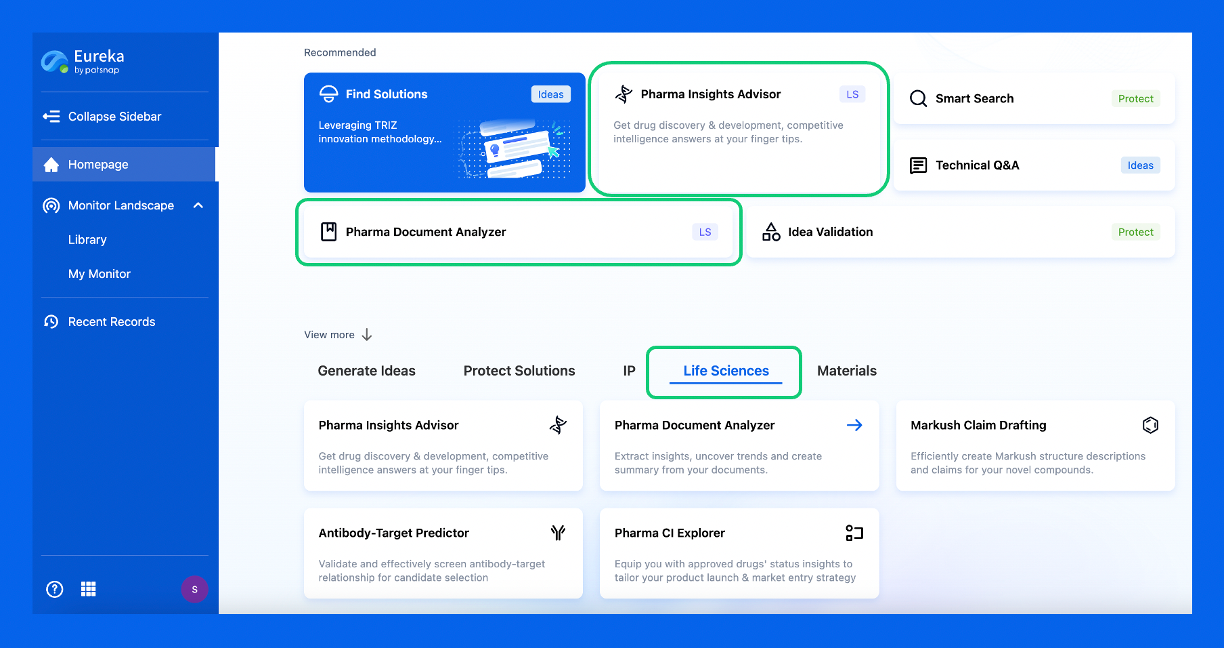
AI Agents Built for Biopharma Breakthroughs
Accelerate discovery. Empower decisions. Transform outcomes.
Get started for free today!
Accelerate Strategic R&D decision making with Synapse, PatSnap’s AI-powered Connected Innovation Intelligence Platform Built for Life Sciences Professionals.
Start your data trial now!
Synapse data is also accessible to external entities via APIs or data packages. Empower better decisions with the latest in pharmaceutical intelligence.