Request Demo
What are the key players in the Esophageal Carcinoma treatment market?
12 March 2025
Overview of Esophageal Carcinoma
Definition and Epidemiology
Esophageal carcinoma is a highly aggressive malignancy that primarily manifests in two histological subtypes: esophageal squamous cell carcinoma (ESCC) and esophageal adenocarcinoma (EAC). Globally, more than 600,000 new cases are diagnosed annually, with mortality rates that rank among the highest in all cancers. In high‐incidence regions such as East Asia and parts of Africa, ESCC dominates the landscape, and China in particular contributes more than half of the global cases of esophageal cancer. These numbers underscore the public health burden of the disease, and even modest improvements in treatment can have substantial impacts on survival outcomes. Moreover, the distinct epidemiology between regions—ESCC being more prevalent in developing countries and EAC showing rising incidence in Western nations—has led to varying treatment approaches and market dynamics across geographical areas.
Current Treatment Options
Current therapies for esophageal carcinoma have evolved from the traditional sole reliance on surgery to include multimodality approaches such as neoadjuvant chemoradiation, adjuvant therapies, definitive chemoradiation for non-operable cases, and, more recently, targeted treatment strategies and immunotherapies. Standard treatments for locally advanced disease primarily involve a combination of chemoradiation followed by surgical resection, which has improved R0 resection rates and overall survival compared to surgery alone. In advanced and metastatic cases, platinum-based regimens, fluorouracil combinations, and clinical use of checkpoint inhibitors (e.g., PD-1/PD-L1 targeting antibodies) have begun to reshape outcomes for patients. Overall, while traditional modalities continue to be the mainstay of treatment, the increasing adoption of novel agents and combination regimens has created a dynamic environment in which new therapies are in active development, thereby influencing market structure and the competitive landscape.
Market Landscape
Key Players and Companies
The esophageal carcinoma treatment market is highly dynamic, with a robust pipeline of emerging products and technologies driven by a wide range of key players. According to structured news sources from synapse, several leading companies are actively investing in the development of novel esophageal cancer drugs, indicating a highly competitive and innovation-driven market. Among these companies are:
• Zymeworks – Known for its antibody-based approaches that may be applied in targeting tumor antigens in esophageal cancer.
• Innovent Biologics – A key biotech company focused on innovative immunotherapies and targeted solutions that may address the high unmet needs in esophageal carcinoma markets.
• BeiGene – Actively developing targeted therapies and immunotherapies, BeiGene’s pipeline includes novel agents that target immune checkpoints and other molecular pathways.
• Apexigen – With a focus on next-generation immunomodulatory drugs, Apexigen is working on innovative modalities that may be applied to esophageal cancer therapies.
• Shanghai Henlius Biotech, CStone Pharmaceuticals, and Jiangsu HengRui Medicine Co., Ltd. – These Chinese companies are influential in the Asian market and are dedicated to advancing new biologics and targeted agents that specifically address esophageal squamous cell carcinoma.
• AstraZeneca, Symphogen, and Hoffmann-La Roche – Global pharmaceutical giants that are leveraging their extensive research capabilities to evaluate targeted therapies and immune-modulators in various cancers including esophageal carcinoma.
• Chia Tai Tianqing Pharmaceutical Group Co., Ltd., Sinocelltech Ltd., and Eli Lilly and Company – These organizations are also active within the robust pipeline, contributing to significant innovation, especially in areas of chemotherapeutic enhancement and targeted immuno-oncology.
• Ipsen, Jacobio Pharmaceuticals Co., Ltd., Shire, GlaxoSmithKline – Often involved in both early and late-stage research projects, these companies are part of the coalition of global firms that are exploring novel targets for esophageal cancer treatment.
• Keythera Pharmaceuticals (Australia) Pty Ltd and Sunshine Lake Pharma Co., Ltd. – Smaller biotech players that have shown promise in utilizing precision approaches and biologics in their therapeutic strategies for this particular cancer.
• Novartis Pharmaceuticals and Sanofi – Two of the largest global research organizations, with significant market presence, they are investing in targeted agents including those in the immunotherapy space to treat esophageal and gastroesophageal junction cancers.
• Seagen Inc., Rapa Therapeutics LLC, and Incyte Corporation – Companies that are recognized for their innovative immuno-oncology and targeted therapeutics, contributing to the emerging portfolio for aggressive solid tumor treatments.
• Atreca, Inc., Exelixis, Bayer, and Lyell Immunopharma – With strong oncological portfolios, these companies are pushing forward in the field through programs that target aberrant signaling pathways in esophageal carcinomas.
• Sichuan Baili Pharmaceutical, AP Biosciences, Leap Therapeutics, Inc., Adlai Nortye Biopharma Co., Ltd., Athenex, Inc. – These companies represent a mix of emerging, mid-sized, and established players from Asia and internationally that are heavily investing in research for esophageal cancer, particularly targeting pathogenic mechanisms such as hyperfibrinogenemia and immune evasion.
• Pfizer, Genentech, Hangzhou Neoantigen Therapeutics, and Janssen Pharmaceutical – Global leaders with extensive clinical development programs, these companies are exploring both traditional chemotherapeutic regimens and cutting-edge molecular targeted and immunotherapeutic approaches.
• Curis, Inc., Merck KGaA, Shenzhen Hornetcorn Biotechnology Company, LTD, MacroGenics, Bristol-Myers Squibb, Integral Molecular, CARTEXELL, and EMD Serono – These companies round out the competitive landscape, each focusing on various innovative treatment strategies ranging from small molecules to advanced cellular therapies that could revolutionize treatment paradigms in esophageal carcinoma.
This diverse mix of companies—ranging from global pharmaceutical heavyweights (such as Pfizer, Novartis, AstraZeneca, and Sanofi) to agile biotechnology firms emerging primarily from China and other Asian markets (such as Jiangsu HengRui Medicine, Shanghai Henlius Biotech, and CStone Pharmaceuticals)—collectively represents the key players who are driving innovation and market share shifts in the esophageal carcinoma treatment arena.
Market Share and Competitive Analysis
The esophageal carcinoma treatment market is characterized by intense competition and rapid technological change. Large multinational companies with established market presence, like Pfizer, Novartis, AstraZeneca, and Sanofi, command significant market share due to their ability to invest in comprehensive R&D and undertake large-scale clinical trials. Their diverse portfolios often include both traditional chemotherapeutic agents and cutting-edge targeted or immunotherapeutic products that are shaping modern treatment paradigms for esophageal cancer.
Conversely, emerging biotech companies, particularly those originating from Asia—such as BeiGene, Shanghai Henlius Biotech, and CStone Pharmaceuticals—have increasingly captured market attention due to their innovative molecules and robust pipeline projects. These companies are leveraging advanced genomic and immunological insights to develop novel therapies tailored to the specific molecular characteristics of ESCC, which is highly prevalent in the region.
In terms of competitive analysis, the market is segmented by product type (monoclonal antibodies, small molecule inhibitors, combination regimens, and cell-based therapies), stage of clinical development (from discovery and pre-clinical trials to Phase I/II and Phase III studies), and geographical penetration. The North American market, bolstered by established reimbursement policies and robust clinical infrastructure, remains a major stronghold for advanced drug approvals, whereas the Asian market, particularly in China, is witnessing rapid expansion driven by local companies’ aggressive clinical trials and collaboration with academic research centers.
Furthermore, competitive advantages in this market are often secured through regulatory approvals, patent portfolios, and strategic partnerships that facilitate faster market entry and better reimbursement coverage. This landscape not only promotes healthy competition but also spurs collaborative innovation among key players, as companies align with academic institutions and contract research organizations (CROs) to accelerate drug discovery and development.
Strategic Approaches of Key Players
Research and Development Initiatives
One of the defining strategic approaches among the key players in the esophageal carcinoma market is their robust investment in research and development initiatives. Global giants such as Pfizer, Novartis, AstraZeneca, and Sanofi allocate substantial R&D budgets to understanding the intricate molecular pathways involved in tumorigenesis. They focus on targeting key drivers such as immune checkpoints (e.g., PD-1/PD-L1), receptor tyrosine kinases (e.g., HER2, VEGFR), and intracellular signaling molecules that regulate cell proliferation, apoptosis, and metastasis.
In parallel, innovative biotech companies like BeiGene, Apexigen, and Shanghai Henlius Biotech use state-of-the-art technologies, including high-throughput sequencing, CRISPR-based screening, and advanced bioinformatics platforms, to identify novel targets and develop precision medicines. Their R&D strategies frequently emphasize personalized medicine approaches, which aim to match specific molecular aberrations in a patient’s tumor with tailored therapeutic agents. Such precision approaches are designed to achieve higher efficacy and reduce systemic toxicity, thus addressing urgent unmet clinical needs.
Moreover, many key players are engaging in translational research to bridge the gap between laboratory discoveries and clinical applications. For example, multiple studies have focused on evaluating the clinical significance of biomarkers such as hyperfibrinogenemia and immune-related indexes (e.g., NLR, PLR) that correlate with tumor progression and therapeutic resistance, providing scientists and clinicians with critical insights for developing novel intervention strategies. These initiatives are often supported by collaborations with leading academic research institutes and specialized centers in high-incidence regions, further enhancing the depth and breadth of their translational programs.
Partnerships and Collaborations
Strategic partnerships form an integral component of the competitive landscape in esophageal carcinoma treatments. Multinational pharmaceutical companies often collaborate with innovative biotech firms as well as academic institutions to combine complementary expertise, streamline clinical trial designs, and share the risks associated with early-stage drug development. Such alliances have proven instrumental in accelerating the clinical development timelines of promising compounds and expanding market access in both established and emerging markets.
For instance, collaboration agreements between companies like Genentech, Pfizer, and Janssen have led to the co-development of targeted agents and immunotherapies that are being evaluated in large, international, multi-center clinical trials. Likewise, regional players such as Shanghai Henlius Biotech and CStone Pharmaceuticals are increasingly engaging with local academic centers and leveraging government-supported research programs in China to advance their targeted therapeutic candidates from discovery to clinical proof-of-concept stages.
This network of partnerships extends to co-marketing deals and licensing agreements that facilitate geographic expansion and regulatory alignment across diverse jurisdictions. The ability to navigate different regulatory landscapes, secure intellectual property rights, and integrate multi-national clinical data confers a significant competitive edge in such a complex therapeutic area. Additionally, collaborations related to biomarker discovery and companion diagnostics are critical, as they enable companies to identify patient subpopulations most likely to benefit from specific treatments, thereby enhancing both efficacy and market penetration.
Future Trends and Challenges
Emerging Therapies
Looking forward, the esophageal carcinoma treatment market is set to evolve significantly with the advent of emerging therapies that extend beyond conventional chemotherapy and radiotherapy. The rapidly advancing field of immuno-oncology is providing novel treatment options such as PD-1/PD-L1 checkpoint inhibitors, which have already shown promising survival benefits in preliminary studies. In addition, targeted molecular therapies—including monoclonal antibodies, small molecule inhibitors, and even CAR-T and CAR-NK cell therapies—are being actively explored as potential game-changers in the treatment of esophageal cancer.
There is also growing interest in innovative modalities such as oncolytic virotherapy and the repurposing of existing drugs like disulfiram (DSF) as radiosensitizers, which have demonstrated preclinical efficacy and are under early-phase clinical investigation. These emerging therapies, often developed through multidisciplinary research initiatives and sophisticated clinical trial designs, are likely to address some of the inherent resistance mechanisms seen with traditional treatments. They are expected to pave the way for more personalized and effective interventions in a cancer that has historically been associated with dismal long-term outcomes.
Moreover, advances in genomics and proteomics are poised to further refine patient stratification, enabling the identification of novel molecular targets and thereby fostering the development of precision therapeutics. By aligning therapies with the underlying biology of the tumor, key players aim to overcome heterogeneity-driven resistance and improve overall response rates. The integration of these innovative approaches with existing treatment backbones is anticipated to not only enhance efficacy but also to create new therapeutic paradigms that could transform standard-of-care protocols in the near future.
Market Challenges and Opportunities
Despite the promising outlook in emerging therapies, the esophageal carcinoma treatment market faces a number of challenges. One of the primary hurdles is the high cost associated with the development and commercialization of novel therapies. The cost of early-phase clinical trials, manufacturing complexities, and the rigorous regulatory approval processes often impede rapid market entry, particularly for smaller biotech firms with limited financial resources.
Additionally, the heterogeneous nature of esophageal cancer—both between ESCC and EAC and within subtypes of the same histology—poses significant challenges in identifying universally effective therapeutic approaches. The varying molecular profiles across patient populations require personalized diagnostic tools and companion diagnostics, which further complicates clinical trial designs and market segmentation strategies.
However, these challenges are accompanied by considerable opportunities. The high unmet need for effective treatments in esophageal carcinoma presents a compelling value proposition for companies that can bring innovative, targeted therapies to market. With substantial incidence rates and mortality worldwide, a successful new therapy can capture significant market share and generate strong competitive advantages over traditional modalities.
Opportunities also arise from strategic collaborations between large pharmaceutical companies and innovative smaller biotech firms. Such partnerships not only facilitate resource sharing but also enable access to novel technologies and improved patient stratification tools. Furthermore, government research initiatives and favorable reimbursement policies in key markets such as North America, Europe, and increasingly Asia provide an encouraging environment for the accelerated development and adoption of advanced therapeutics.
Continuous advances in diagnostic imaging, molecular biomarker discovery, and data analytics also offer avenues to refine treatment regimens and optimize clinical outcomes. For example, integrated approaches that combine advanced endoscopic techniques with targeted molecular therapies have the potential to improve early detection rates and subsequently improve survival outcomes. These multi-disciplinary innovations will likely play a critical role in shaping the future market landscape, making it a vibrant field with substantial growth potential.
Conclusion
In summary, the esophageal carcinoma treatment market is defined by a complex interplay of traditional therapies and rapidly emerging targeted and immunotherapeutic strategies. The key players range from multinational pharmaceutical giants such as Pfizer, Novartis, AstraZeneca, and Sanofi, to dynamic and innovative biotech companies like BeiGene, Shanghai Henlius Biotech, CStone Pharmaceuticals, and Apexigen. These companies are not only competitive in terms of market share but are also strategically investing in state-of-the-art research and development initiatives aimed at understanding the molecular underpinnings of this lethal cancer.
Leading players have leveraged robust clinical data, strategic partnerships, and advanced diagnostic technologies to craft innovative treatment solutions that address the heterogeneous nature of esophageal cancer. The market landscape is further complicated by regional differences in disease prevalence and treatment paradigms, with high-incidence regions like China playing a crucial role in defining future trends through aggressive clinical trial activity and collaborative research.
Emerging therapies, particularly in the realms of immunotherapy and targeted molecular treatments, are expected to redefine standard-of-care practices over the next decade. However, significant challenges such as high R&D costs, complex regulatory pathways, and intrinsic tumor heterogeneity continue to exert pressure on the market. Despite these hurdles, the substantial unmet medical need and potential for improved clinical outcomes provide a fertile ground for substantial investment and innovation.
Ultimately, the strategic approaches of key players—encompassing robust R&D investments, strategic alliances, and a continuous focus on precision oncology—have set the stage for a transformative shift in how esophageal cancer is managed. With an accelerating pace of technological advancement and evolving clinical practice guidelines, the market is poised for further consolidation as companies that can deliver effective, personalized therapies stand to secure both significant market share and improved patient outcomes. This integrated understanding, derived from multiple research perspectives and clinical data provided by reliable sources like synapse, underlines the importance of continued innovation and collaboration in the quest to finally overcome the challenges posed by esophageal carcinoma.
In conclusion, while the market is currently dominated by both established large pharmaceutical companies and agile biotech firms, the future trends in esophageal carcinoma treatment point towards a convergence of personalized medicine, innovative targeted agents, and multi-modality treatment strategies that are rigorously defined by translational research and robust clinical evidence. The continued evolution of this market will depend on an integrated approach that combines strategic R&D investments, effective partnerships, and an unwavering commitment to addressing the unmet needs of this challenging disease.
Definition and Epidemiology
Esophageal carcinoma is a highly aggressive malignancy that primarily manifests in two histological subtypes: esophageal squamous cell carcinoma (ESCC) and esophageal adenocarcinoma (EAC). Globally, more than 600,000 new cases are diagnosed annually, with mortality rates that rank among the highest in all cancers. In high‐incidence regions such as East Asia and parts of Africa, ESCC dominates the landscape, and China in particular contributes more than half of the global cases of esophageal cancer. These numbers underscore the public health burden of the disease, and even modest improvements in treatment can have substantial impacts on survival outcomes. Moreover, the distinct epidemiology between regions—ESCC being more prevalent in developing countries and EAC showing rising incidence in Western nations—has led to varying treatment approaches and market dynamics across geographical areas.
Current Treatment Options
Current therapies for esophageal carcinoma have evolved from the traditional sole reliance on surgery to include multimodality approaches such as neoadjuvant chemoradiation, adjuvant therapies, definitive chemoradiation for non-operable cases, and, more recently, targeted treatment strategies and immunotherapies. Standard treatments for locally advanced disease primarily involve a combination of chemoradiation followed by surgical resection, which has improved R0 resection rates and overall survival compared to surgery alone. In advanced and metastatic cases, platinum-based regimens, fluorouracil combinations, and clinical use of checkpoint inhibitors (e.g., PD-1/PD-L1 targeting antibodies) have begun to reshape outcomes for patients. Overall, while traditional modalities continue to be the mainstay of treatment, the increasing adoption of novel agents and combination regimens has created a dynamic environment in which new therapies are in active development, thereby influencing market structure and the competitive landscape.
Market Landscape
Key Players and Companies
The esophageal carcinoma treatment market is highly dynamic, with a robust pipeline of emerging products and technologies driven by a wide range of key players. According to structured news sources from synapse, several leading companies are actively investing in the development of novel esophageal cancer drugs, indicating a highly competitive and innovation-driven market. Among these companies are:
• Zymeworks – Known for its antibody-based approaches that may be applied in targeting tumor antigens in esophageal cancer.
• Innovent Biologics – A key biotech company focused on innovative immunotherapies and targeted solutions that may address the high unmet needs in esophageal carcinoma markets.
• BeiGene – Actively developing targeted therapies and immunotherapies, BeiGene’s pipeline includes novel agents that target immune checkpoints and other molecular pathways.
• Apexigen – With a focus on next-generation immunomodulatory drugs, Apexigen is working on innovative modalities that may be applied to esophageal cancer therapies.
• Shanghai Henlius Biotech, CStone Pharmaceuticals, and Jiangsu HengRui Medicine Co., Ltd. – These Chinese companies are influential in the Asian market and are dedicated to advancing new biologics and targeted agents that specifically address esophageal squamous cell carcinoma.
• AstraZeneca, Symphogen, and Hoffmann-La Roche – Global pharmaceutical giants that are leveraging their extensive research capabilities to evaluate targeted therapies and immune-modulators in various cancers including esophageal carcinoma.
• Chia Tai Tianqing Pharmaceutical Group Co., Ltd., Sinocelltech Ltd., and Eli Lilly and Company – These organizations are also active within the robust pipeline, contributing to significant innovation, especially in areas of chemotherapeutic enhancement and targeted immuno-oncology.
• Ipsen, Jacobio Pharmaceuticals Co., Ltd., Shire, GlaxoSmithKline – Often involved in both early and late-stage research projects, these companies are part of the coalition of global firms that are exploring novel targets for esophageal cancer treatment.
• Keythera Pharmaceuticals (Australia) Pty Ltd and Sunshine Lake Pharma Co., Ltd. – Smaller biotech players that have shown promise in utilizing precision approaches and biologics in their therapeutic strategies for this particular cancer.
• Novartis Pharmaceuticals and Sanofi – Two of the largest global research organizations, with significant market presence, they are investing in targeted agents including those in the immunotherapy space to treat esophageal and gastroesophageal junction cancers.
• Seagen Inc., Rapa Therapeutics LLC, and Incyte Corporation – Companies that are recognized for their innovative immuno-oncology and targeted therapeutics, contributing to the emerging portfolio for aggressive solid tumor treatments.
• Atreca, Inc., Exelixis, Bayer, and Lyell Immunopharma – With strong oncological portfolios, these companies are pushing forward in the field through programs that target aberrant signaling pathways in esophageal carcinomas.
• Sichuan Baili Pharmaceutical, AP Biosciences, Leap Therapeutics, Inc., Adlai Nortye Biopharma Co., Ltd., Athenex, Inc. – These companies represent a mix of emerging, mid-sized, and established players from Asia and internationally that are heavily investing in research for esophageal cancer, particularly targeting pathogenic mechanisms such as hyperfibrinogenemia and immune evasion.
• Pfizer, Genentech, Hangzhou Neoantigen Therapeutics, and Janssen Pharmaceutical – Global leaders with extensive clinical development programs, these companies are exploring both traditional chemotherapeutic regimens and cutting-edge molecular targeted and immunotherapeutic approaches.
• Curis, Inc., Merck KGaA, Shenzhen Hornetcorn Biotechnology Company, LTD, MacroGenics, Bristol-Myers Squibb, Integral Molecular, CARTEXELL, and EMD Serono – These companies round out the competitive landscape, each focusing on various innovative treatment strategies ranging from small molecules to advanced cellular therapies that could revolutionize treatment paradigms in esophageal carcinoma.
This diverse mix of companies—ranging from global pharmaceutical heavyweights (such as Pfizer, Novartis, AstraZeneca, and Sanofi) to agile biotechnology firms emerging primarily from China and other Asian markets (such as Jiangsu HengRui Medicine, Shanghai Henlius Biotech, and CStone Pharmaceuticals)—collectively represents the key players who are driving innovation and market share shifts in the esophageal carcinoma treatment arena.
Market Share and Competitive Analysis
The esophageal carcinoma treatment market is characterized by intense competition and rapid technological change. Large multinational companies with established market presence, like Pfizer, Novartis, AstraZeneca, and Sanofi, command significant market share due to their ability to invest in comprehensive R&D and undertake large-scale clinical trials. Their diverse portfolios often include both traditional chemotherapeutic agents and cutting-edge targeted or immunotherapeutic products that are shaping modern treatment paradigms for esophageal cancer.
Conversely, emerging biotech companies, particularly those originating from Asia—such as BeiGene, Shanghai Henlius Biotech, and CStone Pharmaceuticals—have increasingly captured market attention due to their innovative molecules and robust pipeline projects. These companies are leveraging advanced genomic and immunological insights to develop novel therapies tailored to the specific molecular characteristics of ESCC, which is highly prevalent in the region.
In terms of competitive analysis, the market is segmented by product type (monoclonal antibodies, small molecule inhibitors, combination regimens, and cell-based therapies), stage of clinical development (from discovery and pre-clinical trials to Phase I/II and Phase III studies), and geographical penetration. The North American market, bolstered by established reimbursement policies and robust clinical infrastructure, remains a major stronghold for advanced drug approvals, whereas the Asian market, particularly in China, is witnessing rapid expansion driven by local companies’ aggressive clinical trials and collaboration with academic research centers.
Furthermore, competitive advantages in this market are often secured through regulatory approvals, patent portfolios, and strategic partnerships that facilitate faster market entry and better reimbursement coverage. This landscape not only promotes healthy competition but also spurs collaborative innovation among key players, as companies align with academic institutions and contract research organizations (CROs) to accelerate drug discovery and development.
Strategic Approaches of Key Players
Research and Development Initiatives
One of the defining strategic approaches among the key players in the esophageal carcinoma market is their robust investment in research and development initiatives. Global giants such as Pfizer, Novartis, AstraZeneca, and Sanofi allocate substantial R&D budgets to understanding the intricate molecular pathways involved in tumorigenesis. They focus on targeting key drivers such as immune checkpoints (e.g., PD-1/PD-L1), receptor tyrosine kinases (e.g., HER2, VEGFR), and intracellular signaling molecules that regulate cell proliferation, apoptosis, and metastasis.
In parallel, innovative biotech companies like BeiGene, Apexigen, and Shanghai Henlius Biotech use state-of-the-art technologies, including high-throughput sequencing, CRISPR-based screening, and advanced bioinformatics platforms, to identify novel targets and develop precision medicines. Their R&D strategies frequently emphasize personalized medicine approaches, which aim to match specific molecular aberrations in a patient’s tumor with tailored therapeutic agents. Such precision approaches are designed to achieve higher efficacy and reduce systemic toxicity, thus addressing urgent unmet clinical needs.
Moreover, many key players are engaging in translational research to bridge the gap between laboratory discoveries and clinical applications. For example, multiple studies have focused on evaluating the clinical significance of biomarkers such as hyperfibrinogenemia and immune-related indexes (e.g., NLR, PLR) that correlate with tumor progression and therapeutic resistance, providing scientists and clinicians with critical insights for developing novel intervention strategies. These initiatives are often supported by collaborations with leading academic research institutes and specialized centers in high-incidence regions, further enhancing the depth and breadth of their translational programs.
Partnerships and Collaborations
Strategic partnerships form an integral component of the competitive landscape in esophageal carcinoma treatments. Multinational pharmaceutical companies often collaborate with innovative biotech firms as well as academic institutions to combine complementary expertise, streamline clinical trial designs, and share the risks associated with early-stage drug development. Such alliances have proven instrumental in accelerating the clinical development timelines of promising compounds and expanding market access in both established and emerging markets.
For instance, collaboration agreements between companies like Genentech, Pfizer, and Janssen have led to the co-development of targeted agents and immunotherapies that are being evaluated in large, international, multi-center clinical trials. Likewise, regional players such as Shanghai Henlius Biotech and CStone Pharmaceuticals are increasingly engaging with local academic centers and leveraging government-supported research programs in China to advance their targeted therapeutic candidates from discovery to clinical proof-of-concept stages.
This network of partnerships extends to co-marketing deals and licensing agreements that facilitate geographic expansion and regulatory alignment across diverse jurisdictions. The ability to navigate different regulatory landscapes, secure intellectual property rights, and integrate multi-national clinical data confers a significant competitive edge in such a complex therapeutic area. Additionally, collaborations related to biomarker discovery and companion diagnostics are critical, as they enable companies to identify patient subpopulations most likely to benefit from specific treatments, thereby enhancing both efficacy and market penetration.
Future Trends and Challenges
Emerging Therapies
Looking forward, the esophageal carcinoma treatment market is set to evolve significantly with the advent of emerging therapies that extend beyond conventional chemotherapy and radiotherapy. The rapidly advancing field of immuno-oncology is providing novel treatment options such as PD-1/PD-L1 checkpoint inhibitors, which have already shown promising survival benefits in preliminary studies. In addition, targeted molecular therapies—including monoclonal antibodies, small molecule inhibitors, and even CAR-T and CAR-NK cell therapies—are being actively explored as potential game-changers in the treatment of esophageal cancer.
There is also growing interest in innovative modalities such as oncolytic virotherapy and the repurposing of existing drugs like disulfiram (DSF) as radiosensitizers, which have demonstrated preclinical efficacy and are under early-phase clinical investigation. These emerging therapies, often developed through multidisciplinary research initiatives and sophisticated clinical trial designs, are likely to address some of the inherent resistance mechanisms seen with traditional treatments. They are expected to pave the way for more personalized and effective interventions in a cancer that has historically been associated with dismal long-term outcomes.
Moreover, advances in genomics and proteomics are poised to further refine patient stratification, enabling the identification of novel molecular targets and thereby fostering the development of precision therapeutics. By aligning therapies with the underlying biology of the tumor, key players aim to overcome heterogeneity-driven resistance and improve overall response rates. The integration of these innovative approaches with existing treatment backbones is anticipated to not only enhance efficacy but also to create new therapeutic paradigms that could transform standard-of-care protocols in the near future.
Market Challenges and Opportunities
Despite the promising outlook in emerging therapies, the esophageal carcinoma treatment market faces a number of challenges. One of the primary hurdles is the high cost associated with the development and commercialization of novel therapies. The cost of early-phase clinical trials, manufacturing complexities, and the rigorous regulatory approval processes often impede rapid market entry, particularly for smaller biotech firms with limited financial resources.
Additionally, the heterogeneous nature of esophageal cancer—both between ESCC and EAC and within subtypes of the same histology—poses significant challenges in identifying universally effective therapeutic approaches. The varying molecular profiles across patient populations require personalized diagnostic tools and companion diagnostics, which further complicates clinical trial designs and market segmentation strategies.
However, these challenges are accompanied by considerable opportunities. The high unmet need for effective treatments in esophageal carcinoma presents a compelling value proposition for companies that can bring innovative, targeted therapies to market. With substantial incidence rates and mortality worldwide, a successful new therapy can capture significant market share and generate strong competitive advantages over traditional modalities.
Opportunities also arise from strategic collaborations between large pharmaceutical companies and innovative smaller biotech firms. Such partnerships not only facilitate resource sharing but also enable access to novel technologies and improved patient stratification tools. Furthermore, government research initiatives and favorable reimbursement policies in key markets such as North America, Europe, and increasingly Asia provide an encouraging environment for the accelerated development and adoption of advanced therapeutics.
Continuous advances in diagnostic imaging, molecular biomarker discovery, and data analytics also offer avenues to refine treatment regimens and optimize clinical outcomes. For example, integrated approaches that combine advanced endoscopic techniques with targeted molecular therapies have the potential to improve early detection rates and subsequently improve survival outcomes. These multi-disciplinary innovations will likely play a critical role in shaping the future market landscape, making it a vibrant field with substantial growth potential.
Conclusion
In summary, the esophageal carcinoma treatment market is defined by a complex interplay of traditional therapies and rapidly emerging targeted and immunotherapeutic strategies. The key players range from multinational pharmaceutical giants such as Pfizer, Novartis, AstraZeneca, and Sanofi, to dynamic and innovative biotech companies like BeiGene, Shanghai Henlius Biotech, CStone Pharmaceuticals, and Apexigen. These companies are not only competitive in terms of market share but are also strategically investing in state-of-the-art research and development initiatives aimed at understanding the molecular underpinnings of this lethal cancer.
Leading players have leveraged robust clinical data, strategic partnerships, and advanced diagnostic technologies to craft innovative treatment solutions that address the heterogeneous nature of esophageal cancer. The market landscape is further complicated by regional differences in disease prevalence and treatment paradigms, with high-incidence regions like China playing a crucial role in defining future trends through aggressive clinical trial activity and collaborative research.
Emerging therapies, particularly in the realms of immunotherapy and targeted molecular treatments, are expected to redefine standard-of-care practices over the next decade. However, significant challenges such as high R&D costs, complex regulatory pathways, and intrinsic tumor heterogeneity continue to exert pressure on the market. Despite these hurdles, the substantial unmet medical need and potential for improved clinical outcomes provide a fertile ground for substantial investment and innovation.
Ultimately, the strategic approaches of key players—encompassing robust R&D investments, strategic alliances, and a continuous focus on precision oncology—have set the stage for a transformative shift in how esophageal cancer is managed. With an accelerating pace of technological advancement and evolving clinical practice guidelines, the market is poised for further consolidation as companies that can deliver effective, personalized therapies stand to secure both significant market share and improved patient outcomes. This integrated understanding, derived from multiple research perspectives and clinical data provided by reliable sources like synapse, underlines the importance of continued innovation and collaboration in the quest to finally overcome the challenges posed by esophageal carcinoma.
In conclusion, while the market is currently dominated by both established large pharmaceutical companies and agile biotech firms, the future trends in esophageal carcinoma treatment point towards a convergence of personalized medicine, innovative targeted agents, and multi-modality treatment strategies that are rigorously defined by translational research and robust clinical evidence. The continued evolution of this market will depend on an integrated approach that combines strategic R&D investments, effective partnerships, and an unwavering commitment to addressing the unmet needs of this challenging disease.
Discover Eureka LS: AI Agents Built for Biopharma Efficiency
Stop wasting time on biopharma busywork. Meet Eureka LS - your AI agent squad for drug discovery.
▶ See how 50+ research teams saved 300+ hours/month
From reducing screening time to simplifying Markush drafting, our AI Agents are ready to deliver immediate value. Explore Eureka LS today and unlock powerful capabilities that help you innovate with confidence.
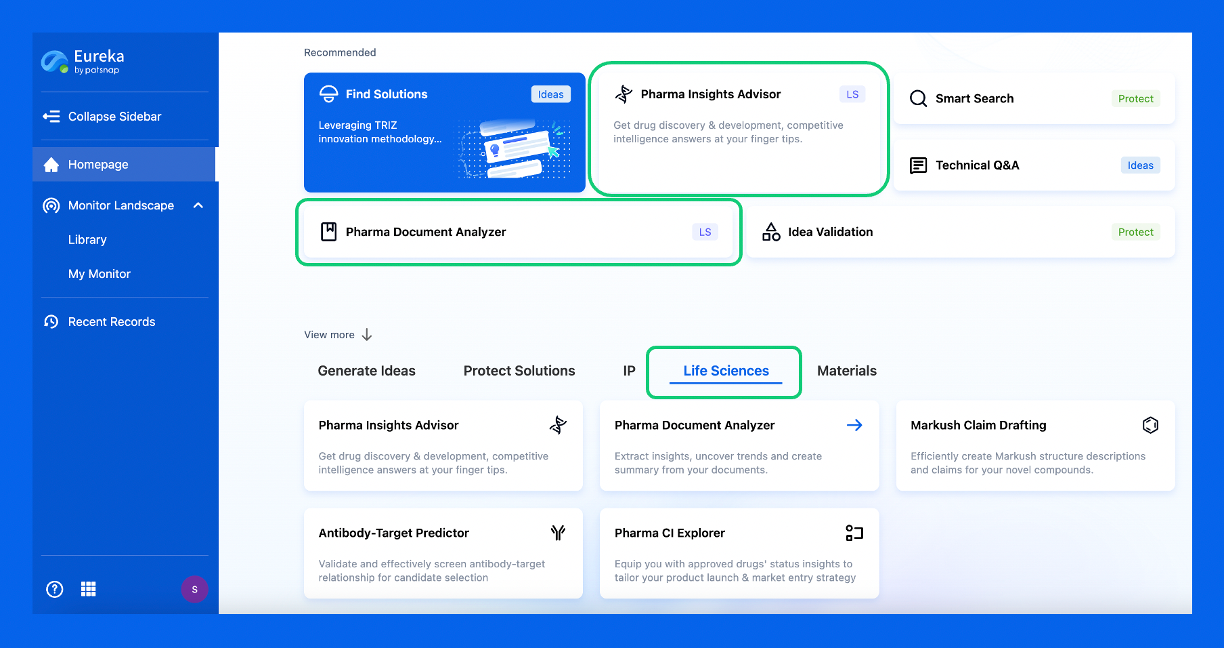
AI Agents Built for Biopharma Breakthroughs
Accelerate discovery. Empower decisions. Transform outcomes.
Get started for free today!
Accelerate Strategic R&D decision making with Synapse, PatSnap’s AI-powered Connected Innovation Intelligence Platform Built for Life Sciences Professionals.
Start your data trial now!
Synapse data is also accessible to external entities via APIs or data packages. Empower better decisions with the latest in pharmaceutical intelligence.