Request Demo
What are the key players in the pharmaceutical industry targeting Ang2?
11 March 2025
Overview of Ang2
Angiopoietin-2 (Ang2) is a critical signaling molecule that plays a central role in vascular biology. It is a secreted glycoprotein that regulates angiogenesis in both physiological and pathophysiological contexts. Ang2 functions in a dynamic manner depending on the local microenvironment, serving either to destabilize blood vessels during developmental vascular remodeling or to facilitate abnormal vessel growth under disease conditions. In particular, elevated levels of Ang2 are closely associated with tumor angiogenesis, metastasis, and inflammatory diseases. In addition, Ang2 mediates vascular permeability and pericyte coverage loss that contribute to the progression of ocular diseases, liver fibrosis, and other pathological conditions.
Biological Role of Ang2
At a fundamental level, Ang2 is substantially involved in the regulation of endothelial cell activation, vascular destabilization, and the coordination of angiogenic cues. In healthy tissues, Ang2 is present at low levels, maintaining a quiescent vascular phenotype when balanced by the protective ligand Ang1. However, under pathological conditions, Ang2 is upregulated and acts as a pro‑angiogenic and vessel destabilizing factor. It competes with Ang1 for binding to the Tie2 receptor on endothelial cells, thereby redirecting signaling pathways and influencing downstream effects such as endothelial cell migration, survival, and capillary leakiness. This dualistic role makes Ang2 a versatile modulator of blood vessel formation and a potential key driver of disease progression in various conditions including cancer, nonalcoholic fatty liver disease, diabetic retinopathy, and chronic inflammatory diseases.
Importance in Disease Pathways
Ang2’s unique role within the vascular network makes it a pivotally important molecule in the pathogenesis of several disorders. In the oncology space, high levels of Ang2 correlate with increased tumor growth, invasion, and metastasis. The imbalance created by excessive Ang2 can lead to aberrant angiogenesis that not only supports primary tumor growth but also facilitates dissemination of cancer cells through the circulation. In the context of nonalcoholic steatohepatitis (NASH) and liver fibrosis, Ang2 contributes to pathological angiogenesis that exacerbates inflammation, fibrosis, and ultimately hepatocellular carcinoma. Similar pathogenic roles have been documented in ocular diseases where Ang2 is implicated in neovascular age‐related macular degeneration (nAMD); here, elevated levels contribute to abnormal vessel leakage and retinal edema. Therefore, the understanding and modulation of Ang2 signaling pathways have become crucial for designing therapeutic strategies that address a broad range of angiogenesis-driven diseases.
Pharmaceutical Industry Landscape
Over recent years, both established pharmaceutical giants and emerging biotechnology companies have recognized the therapeutic potential of targeting Ang2. As awareness has grown regarding the limitations of therapies that focus solely on the vascular endothelial growth factor (VEGF) pathway, companies are increasingly exploring dual or complementary approaches that incorporate Ang2 inhibition and Tie2 activation to normalize tumor vasculature and enhance drug delivery, while also mitigating resistance mechanisms.
Major Players in the Industry
Several leading companies have emerged as major players in the effort to translate the biological insights regarding Ang2 into effective clinical therapies. Big pharmaceutical companies such as Roche and Regeneron have actively invested in developing agents that target Ang2 either directly as monoclonal antibodies or indirectly through bispecific molecules that also target VEGF. These companies have further refined their strategies by pursuing innovative approaches like ligand traps and directed evolution methods to fine-tune receptor specificity for Ang2. Additionally, other key players incorporate multi-target drug development strategies to address the intricacies of angiogenesis and the tumor microenvironment, thereby positioning themselves in competitive therapeutic areas like oncology and ophthalmology.
Trends in Ang2-targeting Drug Development
The landscape for Ang2-targeting drugs has witnessed a notable evolution. Early clinical studies often relied on monotherapy strategies employing Ang2 inhibitors to disrupt tumor vascular networks. However, as clinical failures and resistance to monotherapy became apparent, the trend has shifted towards combination therapies. These include dual inhibition of VEGF and Ang2, as well as strategies that combine Ang2 blockade with immunotherapies or chemotherapies for improved outcomes.
Moreover, the development of bispecific antibodies, such as Roche’s RG7716 (known as faricimab), reflects the ongoing trend of targeting multiple pathways simultaneously. This approach has demonstrated promising preclinical and clinical results, particularly in diseases of the eye where stabilization of the vasculature is critical. The adoption of directed evolution techniques for ligand traps is another innovative trend that offers superior specificity for Ang2, further exemplified by recent research efforts.
Key Companies Targeting Ang2
The companies at the forefront of Ang2-targeting therapies are leading the charge in both oncology and ophthalmology with a range of therapeutic modalities—from monoclonal antibodies and ligand traps to bispecific fusion proteins. Their approaches are underpinned by rigorous preclinical research and are being validated through multiple clinical trials.
Leading Companies and Their Drugs
Roche has been a prominent player in the field with its bispecific antibody RG7716 (faricimab). Faricimab is designed to concurrently inhibit VEGF and Ang2, offering a dual blockade that normalizes abnormal vessel growth and reduces vascular leakage in diseases such as nAMD. Clinical studies of faricimab have demonstrated sustained vision outcomes compared to anti‑VEGF monotherapies, attesting to its therapeutic potential in ophthalmology.
Regeneron has also made significant strides in the Ang2 arena, including acquiring full rights to novel candidates targeting Ang2 in ophthalmic indications. One of Regeneron’s approaches involves developing Ang2-binding antibodies such as nesvacumab, which have been shown in preclinical studies to inhibit tumor growth and promote normalization of the vascular microenvironment. Furthermore, Regeneron’s investment in innovative methods such as directed evolution of a ligand trap that selectively binds Ang2 underscores its commitment to developing next-generation Ang2 modulators.
Amgen, another major pharmaceutical company, has contributed to the space with therapeutic candidates that block both Ang1 and Ang2 interactions by inhibiting their binding to the Tie2 receptor. Although this approach has faced challenges, the insights gleaned have informed subsequent strategies to target Ang2 more selectively, thereby ensuring that the beneficial aspects of Ang1-mediated vascular stabilization are preserved.
In addition to these giants, several smaller biotechnology companies and academic spin-offs are also actively developing Ang2 inhibitors. These companies often leverage innovative platforms such as siRNA-mediated knockdown, as demonstrated in preclinical models of malignant melanoma, or advanced protein engineering techniques for the development of domain antibodies and VHHs that specifically antagonize Ang2. These emerging players play a crucial role in broadening the therapeutic pipeline and may eventually lead to niche products targeting specific disease indications tied to Ang2 dysregulation.
Pipeline and Development Stages
An important aspect of the competitive landscape is the robustness of the development pipeline. Companies are advancing candidates through various phases of clinical trials. For instance, faricimab by Roche, currently advancing through Phase 3 trials in comparison with established anti-VEGF agents, exemplifies high-level clinical development and market readiness. In contrast, agents like nesvacumab from Regeneron have been studied in Phase 1 trials with promising safety profiles and manageable toxicity, especially in oncology settings.
Furthermore, preclinical studies continue to yield novel candidates that utilize different mechanisms of action—from siRNA approaches that directly suppress Ang2 expression to engineered ligand traps that exploit the Tie2 receptor’s biology. The preclinical validation seen in models of glioma, renal cell carcinoma, and metastatic melanoma underscores the growing maturity of the Ang2-targeting pipeline. This breadth of candidates and the diverse mechanisms they target provide a multi-layered approach to interfering with Ang2-mediated pathology, enhancing the likelihood of overcoming issues such as primary or acquired therapeutic resistance.
Strategic Approaches
Pharmaceutical companies are employing a variety of strategic approaches in their research and development portfolios to target Ang2 effectively. These strategies reflect not only a deep understanding of Ang2’s biological functions but also the adaptive measures necessary to ensure clinical success in complex indications such as cancer and ocular diseases.
Research and Development Strategies
At the research level, key strategies include the design and optimization of monoclonal antibodies that exhibit high specificity and potent neutralization of Ang2. Companies like Roche and Regeneron have leveraged advanced protein engineering techniques to refine the binding affinities and pharmacokinetic profiles of their candidates. One interesting R&D strategy involves the use of directed evolution, where the inherent somatic hypermutation machinery of B cells is harnessed to evolve the Tie2 ectodomain so that it selectively traps Ang2, effectively diminishing its antagonistic effect on Ang1’s signaling.
In parallel, research teams are developing ligand traps that mimic the natural receptor binding sites, thereby sequestering Ang2 before it can interact with Tie2 receptors. This approach has the added benefit of preserving the protective effects of Ang1, thus maintaining a beneficial balance between vessel destabilization and stabilization. Furthermore, the employment of siRNA strategies to silence Ang2 gene expression in tumor cells represents another innovative approach that could complement antibody-based therapies by reducing the local production of the protein in the tumor microenvironment.
These R&D strategies are complemented by advanced preclinical models and high-throughput screening techniques, which allow for rapid iteration and optimization of candidate molecules. A significant amount of resources is dedicated to validating the efficacy and safety profiles of these agents using both in vitro assays and in vivo models, such as orthotopic glioma models and patient-derived xenografts, ensuring that the translational potential from bench to bedside is robust.
Partnerships and Collaborations
In the highly competitive field of Ang2-targeting drug development, strategic partnerships and collaborations have emerged as indispensable components of commercial success. Major pharmaceutical companies often enter into collaborative agreements with biotechnology firms and academic institutions to access novel technologies, share development costs, and expedite clinical validation processes.
For example, Roche’s collaboration in developing faricimab for ocular indications involves not only internal R&D efforts but also partnerships with academic researchers and clinical trial networks to ensure robust data collection over extended treatment periods. Similarly, Regeneron’s strategy of acquiring rights to innovative Ang2-targeting candidates and harnessing their proprietary technology platforms has allowed it to build a competitive portfolio that spans both oncology and ophthalmology.
Collaborative ventures often extend to co-development and co-commercialization agreements, where companies combine their expertise in antibody engineering, translational biology, and clinical trial management. These arrangements enhance the overall competitiveness of the therapeutic candidates, ensuring that they are backed by comprehensive data packages and have favorable regulatory pathways. In addition, such collaborations allow for shared risks and investment in the expensive, long-term development of drugs that target complex pathways like Ang2.
Future Directions and Market Impact
The future landscape of Ang2-targeting therapies looks promising, driven by continued improvements in drug design, strategic combination regimens, and expanding indications across oncology, ophthalmology, and cardiovascular diseases. As the pharmaceutical industry gains deeper insights into the multifaceted roles of Ang2 in disease progression, market strategies are expected to further evolve, ultimately impacting patient outcomes and the global market dynamics significantly.
Potential Market Impact
The successful clinical translation of Ang2-targeting agents is poised to reshape treatment paradigms in several disease areas. In oncology, targeting Ang2 in combination with VEGF inhibitors or immunotherapeutic agents has the potential to improve tumor vascular normalization, enhance drug delivery, and overcome resistance mechanisms that typically limit the efficacy of monotherapies. This could translate into improved progression-free survival and overall survival rates in patients with advanced cancers such as renal cell carcinoma and malignant melanoma, as substantiated by early-phase clinical evidence.
In the realm of ocular diseases, the dual-targeting approach exemplified by faricimab is already demonstrating improved and sustained vision outcomes in patients with nAMD compared to conventional anti-VEGF therapies. The market for ophthalmology-focused therapies is vast, with a significant patient population that could benefit from reduced injection frequencies and improved safety profiles. Additionally, the applicability of Ang2 inhibitors in liver diseases, particularly in conditions such as NASH that eventually progress to hepatocellular carcinoma, further underscores the wide-reaching market potential of these agents.
Moreover, emerging preclinical and early clinical data suggest that the extension of Ang2-targeting strategies into other therapeutic domains—such as inflammatory and fibrotic diseases—could further broaden the market landscape. As companies optimize dosing regimens, administration routes, and combination protocols, it is anticipated that economic models will adjust to reflect the high demand for effective anti-angiogenic therapies. Such market expansion is expected to drive further investment in R&D and facilitate the emergence of biosimilars and next-generation agents that capitalize on the lessons learned from early clinical trials.
Future Research and Development Trends
Looking ahead, the research trajectory for Ang2-targeting therapies is likely to be characterized by continued innovation and diversification of drug modalities. Researchers are expected to focus on further elucidating the precise molecular mechanisms by which Ang2 contributes to endothelial dysfunction, tumor metastasis, and vascular leakiness. Such insights will be critical in refining the therapeutic index of Ang2 inhibitors and ensuring that beneficial signaling via Ang1 is maintained while deleterious Ang2 signals are effectively blocked.
Future R&D efforts will likely involve the development of combinatorial regimens that utilize Ang2 inhibitors in tandem with agents targeting complementary pathways such as VEGF, PDGF, and even emerging immunomodulatory targets. The integration of multi-omics data, advanced imaging techniques, and machine learning algorithms can help identify patient subgroups that are most likely to benefit from Ang2-targeted interventions, thereby paving the way for personalized medicine strategies. These approaches not only promise better clinical outcomes but also support more cost-effective treatment paradigms by avoiding one-size-fits-all approaches.
Another promising research direction is the improvement of the pharmacodynamic and pharmacokinetic properties of Ang2-targeting candidates. The development of novel drug delivery systems, such as nanoparticle-based carriers, might enhance the bioavailability and tissue specificity of these agents, reducing systemic side effects while maintaining potent efficacy. Additionally, the exploration of combination therapy regimens that strategically sequence or simultaneously deliver multiple agents targeting different nodes in the angiogenic network is expected to play a pivotal role in overcoming adaptive resistance mechanisms.
Collaboration between academic laboratories, biotechnology startups, and major pharmaceutical companies is anticipated to accelerate these research trends. The explosion of high-throughput technologies and computational modeling techniques will continue to refine candidate selection and experimental validation, ultimately reducing the clinical translation timeline for promising therapies. As evidence accumulates from ongoing clinical trials, regulatory agencies are likely to adopt more streamlined evaluation processes for combination therapies that target Ang2, thereby catalyzing market entry and adoption.
Conclusion
In conclusion, the pharmaceutical industry targeting Ang2 is evolving into a highly competitive and innovative landscape, driven by the critical biological functions of Ang2 in angiogenesis and disease progression. The interplay between Ang2 and its receptor Tie2 in the regulation of vascular stability makes it an attractive target for a broad array of diseases, including cancers, ocular disorders, and chronic inflammatory conditions.
Major players such as Roche and Regeneron have emerged as key leaders by developing advanced therapeutic candidates like faricimab and nesvacumab, which are designed either to inhibit Ang2 directly or to modulate its effects in concert with VEGF signaling. Amgen and several smaller biotechnology firms complement these efforts with alternative approaches such as siRNA-based knockdown, engineered ligand traps, and domain antibody technologies. The collective R&D strategies deployed range from conventional monoclonal antibody development to cutting-edge directed evolution methods, thereby ensuring a robust and diverse pipeline at various stages of clinical development.
Strategic approaches in the field consist of rigorous preclinical evaluation, innovation in drug design, and extensive collaborations that combine the expertise of established pharmaceutical companies with pioneering academic research teams. These partnerships not only enhance product development but also pave the way for combination therapies that can overcome resistance to conventional antiangiogenic treatments.
Looking to the future, the market impact of successfully developed Ang2-targeting agents is highly promising. With potential applications spanning from oncology to ophthalmology and beyond, these therapies are expected to deliver improved clinical outcomes, reduce side effects associated with current anti-VEGF monotherapies, and expand treatment options for patients with diverse angiogenesis-driven diseases. Continued investments in basic and translational research will be essential for optimizing these drugs further, improving patient stratification, and refining combination regimens that ensure maximum therapeutic benefit.
In summary, the key players in the pharmaceutical industry targeting Ang2 represent a diverse blend of global leaders and agile biotechnology innovators. Their collective efforts are propelling the development of advanced therapeutic strategies that promise to transform clinical practice by addressing the intricacies of angiogenesis and vascular remodeling. With a clear focus on multitargeted approaches and a deep commitment to strategic partnerships, the future of Ang2-targeted therapy appears both promising and instrumental in the next generation of precision medicine.
Angiopoietin-2 (Ang2) is a critical signaling molecule that plays a central role in vascular biology. It is a secreted glycoprotein that regulates angiogenesis in both physiological and pathophysiological contexts. Ang2 functions in a dynamic manner depending on the local microenvironment, serving either to destabilize blood vessels during developmental vascular remodeling or to facilitate abnormal vessel growth under disease conditions. In particular, elevated levels of Ang2 are closely associated with tumor angiogenesis, metastasis, and inflammatory diseases. In addition, Ang2 mediates vascular permeability and pericyte coverage loss that contribute to the progression of ocular diseases, liver fibrosis, and other pathological conditions.
Biological Role of Ang2
At a fundamental level, Ang2 is substantially involved in the regulation of endothelial cell activation, vascular destabilization, and the coordination of angiogenic cues. In healthy tissues, Ang2 is present at low levels, maintaining a quiescent vascular phenotype when balanced by the protective ligand Ang1. However, under pathological conditions, Ang2 is upregulated and acts as a pro‑angiogenic and vessel destabilizing factor. It competes with Ang1 for binding to the Tie2 receptor on endothelial cells, thereby redirecting signaling pathways and influencing downstream effects such as endothelial cell migration, survival, and capillary leakiness. This dualistic role makes Ang2 a versatile modulator of blood vessel formation and a potential key driver of disease progression in various conditions including cancer, nonalcoholic fatty liver disease, diabetic retinopathy, and chronic inflammatory diseases.
Importance in Disease Pathways
Ang2’s unique role within the vascular network makes it a pivotally important molecule in the pathogenesis of several disorders. In the oncology space, high levels of Ang2 correlate with increased tumor growth, invasion, and metastasis. The imbalance created by excessive Ang2 can lead to aberrant angiogenesis that not only supports primary tumor growth but also facilitates dissemination of cancer cells through the circulation. In the context of nonalcoholic steatohepatitis (NASH) and liver fibrosis, Ang2 contributes to pathological angiogenesis that exacerbates inflammation, fibrosis, and ultimately hepatocellular carcinoma. Similar pathogenic roles have been documented in ocular diseases where Ang2 is implicated in neovascular age‐related macular degeneration (nAMD); here, elevated levels contribute to abnormal vessel leakage and retinal edema. Therefore, the understanding and modulation of Ang2 signaling pathways have become crucial for designing therapeutic strategies that address a broad range of angiogenesis-driven diseases.
Pharmaceutical Industry Landscape
Over recent years, both established pharmaceutical giants and emerging biotechnology companies have recognized the therapeutic potential of targeting Ang2. As awareness has grown regarding the limitations of therapies that focus solely on the vascular endothelial growth factor (VEGF) pathway, companies are increasingly exploring dual or complementary approaches that incorporate Ang2 inhibition and Tie2 activation to normalize tumor vasculature and enhance drug delivery, while also mitigating resistance mechanisms.
Major Players in the Industry
Several leading companies have emerged as major players in the effort to translate the biological insights regarding Ang2 into effective clinical therapies. Big pharmaceutical companies such as Roche and Regeneron have actively invested in developing agents that target Ang2 either directly as monoclonal antibodies or indirectly through bispecific molecules that also target VEGF. These companies have further refined their strategies by pursuing innovative approaches like ligand traps and directed evolution methods to fine-tune receptor specificity for Ang2. Additionally, other key players incorporate multi-target drug development strategies to address the intricacies of angiogenesis and the tumor microenvironment, thereby positioning themselves in competitive therapeutic areas like oncology and ophthalmology.
Trends in Ang2-targeting Drug Development
The landscape for Ang2-targeting drugs has witnessed a notable evolution. Early clinical studies often relied on monotherapy strategies employing Ang2 inhibitors to disrupt tumor vascular networks. However, as clinical failures and resistance to monotherapy became apparent, the trend has shifted towards combination therapies. These include dual inhibition of VEGF and Ang2, as well as strategies that combine Ang2 blockade with immunotherapies or chemotherapies for improved outcomes.
Moreover, the development of bispecific antibodies, such as Roche’s RG7716 (known as faricimab), reflects the ongoing trend of targeting multiple pathways simultaneously. This approach has demonstrated promising preclinical and clinical results, particularly in diseases of the eye where stabilization of the vasculature is critical. The adoption of directed evolution techniques for ligand traps is another innovative trend that offers superior specificity for Ang2, further exemplified by recent research efforts.
Key Companies Targeting Ang2
The companies at the forefront of Ang2-targeting therapies are leading the charge in both oncology and ophthalmology with a range of therapeutic modalities—from monoclonal antibodies and ligand traps to bispecific fusion proteins. Their approaches are underpinned by rigorous preclinical research and are being validated through multiple clinical trials.
Leading Companies and Their Drugs
Roche has been a prominent player in the field with its bispecific antibody RG7716 (faricimab). Faricimab is designed to concurrently inhibit VEGF and Ang2, offering a dual blockade that normalizes abnormal vessel growth and reduces vascular leakage in diseases such as nAMD. Clinical studies of faricimab have demonstrated sustained vision outcomes compared to anti‑VEGF monotherapies, attesting to its therapeutic potential in ophthalmology.
Regeneron has also made significant strides in the Ang2 arena, including acquiring full rights to novel candidates targeting Ang2 in ophthalmic indications. One of Regeneron’s approaches involves developing Ang2-binding antibodies such as nesvacumab, which have been shown in preclinical studies to inhibit tumor growth and promote normalization of the vascular microenvironment. Furthermore, Regeneron’s investment in innovative methods such as directed evolution of a ligand trap that selectively binds Ang2 underscores its commitment to developing next-generation Ang2 modulators.
Amgen, another major pharmaceutical company, has contributed to the space with therapeutic candidates that block both Ang1 and Ang2 interactions by inhibiting their binding to the Tie2 receptor. Although this approach has faced challenges, the insights gleaned have informed subsequent strategies to target Ang2 more selectively, thereby ensuring that the beneficial aspects of Ang1-mediated vascular stabilization are preserved.
In addition to these giants, several smaller biotechnology companies and academic spin-offs are also actively developing Ang2 inhibitors. These companies often leverage innovative platforms such as siRNA-mediated knockdown, as demonstrated in preclinical models of malignant melanoma, or advanced protein engineering techniques for the development of domain antibodies and VHHs that specifically antagonize Ang2. These emerging players play a crucial role in broadening the therapeutic pipeline and may eventually lead to niche products targeting specific disease indications tied to Ang2 dysregulation.
Pipeline and Development Stages
An important aspect of the competitive landscape is the robustness of the development pipeline. Companies are advancing candidates through various phases of clinical trials. For instance, faricimab by Roche, currently advancing through Phase 3 trials in comparison with established anti-VEGF agents, exemplifies high-level clinical development and market readiness. In contrast, agents like nesvacumab from Regeneron have been studied in Phase 1 trials with promising safety profiles and manageable toxicity, especially in oncology settings.
Furthermore, preclinical studies continue to yield novel candidates that utilize different mechanisms of action—from siRNA approaches that directly suppress Ang2 expression to engineered ligand traps that exploit the Tie2 receptor’s biology. The preclinical validation seen in models of glioma, renal cell carcinoma, and metastatic melanoma underscores the growing maturity of the Ang2-targeting pipeline. This breadth of candidates and the diverse mechanisms they target provide a multi-layered approach to interfering with Ang2-mediated pathology, enhancing the likelihood of overcoming issues such as primary or acquired therapeutic resistance.
Strategic Approaches
Pharmaceutical companies are employing a variety of strategic approaches in their research and development portfolios to target Ang2 effectively. These strategies reflect not only a deep understanding of Ang2’s biological functions but also the adaptive measures necessary to ensure clinical success in complex indications such as cancer and ocular diseases.
Research and Development Strategies
At the research level, key strategies include the design and optimization of monoclonal antibodies that exhibit high specificity and potent neutralization of Ang2. Companies like Roche and Regeneron have leveraged advanced protein engineering techniques to refine the binding affinities and pharmacokinetic profiles of their candidates. One interesting R&D strategy involves the use of directed evolution, where the inherent somatic hypermutation machinery of B cells is harnessed to evolve the Tie2 ectodomain so that it selectively traps Ang2, effectively diminishing its antagonistic effect on Ang1’s signaling.
In parallel, research teams are developing ligand traps that mimic the natural receptor binding sites, thereby sequestering Ang2 before it can interact with Tie2 receptors. This approach has the added benefit of preserving the protective effects of Ang1, thus maintaining a beneficial balance between vessel destabilization and stabilization. Furthermore, the employment of siRNA strategies to silence Ang2 gene expression in tumor cells represents another innovative approach that could complement antibody-based therapies by reducing the local production of the protein in the tumor microenvironment.
These R&D strategies are complemented by advanced preclinical models and high-throughput screening techniques, which allow for rapid iteration and optimization of candidate molecules. A significant amount of resources is dedicated to validating the efficacy and safety profiles of these agents using both in vitro assays and in vivo models, such as orthotopic glioma models and patient-derived xenografts, ensuring that the translational potential from bench to bedside is robust.
Partnerships and Collaborations
In the highly competitive field of Ang2-targeting drug development, strategic partnerships and collaborations have emerged as indispensable components of commercial success. Major pharmaceutical companies often enter into collaborative agreements with biotechnology firms and academic institutions to access novel technologies, share development costs, and expedite clinical validation processes.
For example, Roche’s collaboration in developing faricimab for ocular indications involves not only internal R&D efforts but also partnerships with academic researchers and clinical trial networks to ensure robust data collection over extended treatment periods. Similarly, Regeneron’s strategy of acquiring rights to innovative Ang2-targeting candidates and harnessing their proprietary technology platforms has allowed it to build a competitive portfolio that spans both oncology and ophthalmology.
Collaborative ventures often extend to co-development and co-commercialization agreements, where companies combine their expertise in antibody engineering, translational biology, and clinical trial management. These arrangements enhance the overall competitiveness of the therapeutic candidates, ensuring that they are backed by comprehensive data packages and have favorable regulatory pathways. In addition, such collaborations allow for shared risks and investment in the expensive, long-term development of drugs that target complex pathways like Ang2.
Future Directions and Market Impact
The future landscape of Ang2-targeting therapies looks promising, driven by continued improvements in drug design, strategic combination regimens, and expanding indications across oncology, ophthalmology, and cardiovascular diseases. As the pharmaceutical industry gains deeper insights into the multifaceted roles of Ang2 in disease progression, market strategies are expected to further evolve, ultimately impacting patient outcomes and the global market dynamics significantly.
Potential Market Impact
The successful clinical translation of Ang2-targeting agents is poised to reshape treatment paradigms in several disease areas. In oncology, targeting Ang2 in combination with VEGF inhibitors or immunotherapeutic agents has the potential to improve tumor vascular normalization, enhance drug delivery, and overcome resistance mechanisms that typically limit the efficacy of monotherapies. This could translate into improved progression-free survival and overall survival rates in patients with advanced cancers such as renal cell carcinoma and malignant melanoma, as substantiated by early-phase clinical evidence.
In the realm of ocular diseases, the dual-targeting approach exemplified by faricimab is already demonstrating improved and sustained vision outcomes in patients with nAMD compared to conventional anti-VEGF therapies. The market for ophthalmology-focused therapies is vast, with a significant patient population that could benefit from reduced injection frequencies and improved safety profiles. Additionally, the applicability of Ang2 inhibitors in liver diseases, particularly in conditions such as NASH that eventually progress to hepatocellular carcinoma, further underscores the wide-reaching market potential of these agents.
Moreover, emerging preclinical and early clinical data suggest that the extension of Ang2-targeting strategies into other therapeutic domains—such as inflammatory and fibrotic diseases—could further broaden the market landscape. As companies optimize dosing regimens, administration routes, and combination protocols, it is anticipated that economic models will adjust to reflect the high demand for effective anti-angiogenic therapies. Such market expansion is expected to drive further investment in R&D and facilitate the emergence of biosimilars and next-generation agents that capitalize on the lessons learned from early clinical trials.
Future Research and Development Trends
Looking ahead, the research trajectory for Ang2-targeting therapies is likely to be characterized by continued innovation and diversification of drug modalities. Researchers are expected to focus on further elucidating the precise molecular mechanisms by which Ang2 contributes to endothelial dysfunction, tumor metastasis, and vascular leakiness. Such insights will be critical in refining the therapeutic index of Ang2 inhibitors and ensuring that beneficial signaling via Ang1 is maintained while deleterious Ang2 signals are effectively blocked.
Future R&D efforts will likely involve the development of combinatorial regimens that utilize Ang2 inhibitors in tandem with agents targeting complementary pathways such as VEGF, PDGF, and even emerging immunomodulatory targets. The integration of multi-omics data, advanced imaging techniques, and machine learning algorithms can help identify patient subgroups that are most likely to benefit from Ang2-targeted interventions, thereby paving the way for personalized medicine strategies. These approaches not only promise better clinical outcomes but also support more cost-effective treatment paradigms by avoiding one-size-fits-all approaches.
Another promising research direction is the improvement of the pharmacodynamic and pharmacokinetic properties of Ang2-targeting candidates. The development of novel drug delivery systems, such as nanoparticle-based carriers, might enhance the bioavailability and tissue specificity of these agents, reducing systemic side effects while maintaining potent efficacy. Additionally, the exploration of combination therapy regimens that strategically sequence or simultaneously deliver multiple agents targeting different nodes in the angiogenic network is expected to play a pivotal role in overcoming adaptive resistance mechanisms.
Collaboration between academic laboratories, biotechnology startups, and major pharmaceutical companies is anticipated to accelerate these research trends. The explosion of high-throughput technologies and computational modeling techniques will continue to refine candidate selection and experimental validation, ultimately reducing the clinical translation timeline for promising therapies. As evidence accumulates from ongoing clinical trials, regulatory agencies are likely to adopt more streamlined evaluation processes for combination therapies that target Ang2, thereby catalyzing market entry and adoption.
Conclusion
In conclusion, the pharmaceutical industry targeting Ang2 is evolving into a highly competitive and innovative landscape, driven by the critical biological functions of Ang2 in angiogenesis and disease progression. The interplay between Ang2 and its receptor Tie2 in the regulation of vascular stability makes it an attractive target for a broad array of diseases, including cancers, ocular disorders, and chronic inflammatory conditions.
Major players such as Roche and Regeneron have emerged as key leaders by developing advanced therapeutic candidates like faricimab and nesvacumab, which are designed either to inhibit Ang2 directly or to modulate its effects in concert with VEGF signaling. Amgen and several smaller biotechnology firms complement these efforts with alternative approaches such as siRNA-based knockdown, engineered ligand traps, and domain antibody technologies. The collective R&D strategies deployed range from conventional monoclonal antibody development to cutting-edge directed evolution methods, thereby ensuring a robust and diverse pipeline at various stages of clinical development.
Strategic approaches in the field consist of rigorous preclinical evaluation, innovation in drug design, and extensive collaborations that combine the expertise of established pharmaceutical companies with pioneering academic research teams. These partnerships not only enhance product development but also pave the way for combination therapies that can overcome resistance to conventional antiangiogenic treatments.
Looking to the future, the market impact of successfully developed Ang2-targeting agents is highly promising. With potential applications spanning from oncology to ophthalmology and beyond, these therapies are expected to deliver improved clinical outcomes, reduce side effects associated with current anti-VEGF monotherapies, and expand treatment options for patients with diverse angiogenesis-driven diseases. Continued investments in basic and translational research will be essential for optimizing these drugs further, improving patient stratification, and refining combination regimens that ensure maximum therapeutic benefit.
In summary, the key players in the pharmaceutical industry targeting Ang2 represent a diverse blend of global leaders and agile biotechnology innovators. Their collective efforts are propelling the development of advanced therapeutic strategies that promise to transform clinical practice by addressing the intricacies of angiogenesis and vascular remodeling. With a clear focus on multitargeted approaches and a deep commitment to strategic partnerships, the future of Ang2-targeted therapy appears both promising and instrumental in the next generation of precision medicine.
Discover Eureka LS: AI Agents Built for Biopharma Efficiency
Stop wasting time on biopharma busywork. Meet Eureka LS - your AI agent squad for drug discovery.
▶ See how 50+ research teams saved 300+ hours/month
From reducing screening time to simplifying Markush drafting, our AI Agents are ready to deliver immediate value. Explore Eureka LS today and unlock powerful capabilities that help you innovate with confidence.
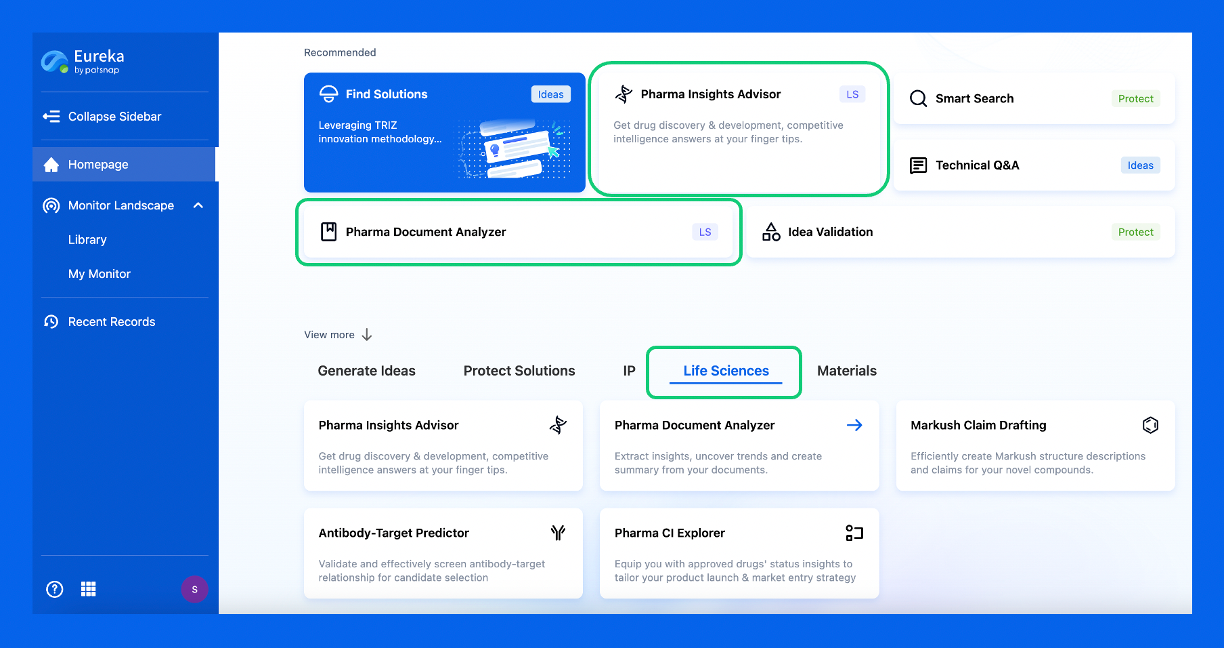
AI Agents Built for Biopharma Breakthroughs
Accelerate discovery. Empower decisions. Transform outcomes.
Get started for free today!
Accelerate Strategic R&D decision making with Synapse, PatSnap’s AI-powered Connected Innovation Intelligence Platform Built for Life Sciences Professionals.
Start your data trial now!
Synapse data is also accessible to external entities via APIs or data packages. Empower better decisions with the latest in pharmaceutical intelligence.