Request Demo
What are the side effects of Broxaterol?
12 July 2024
Broxaterol, a bronchodilator commonly prescribed for respiratory conditions such as asthma and chronic obstructive pulmonary disease (COPD), works by relaxing the muscles in the airways to improve breathing. While the medication can be highly effective for managing symptoms, it is crucial to be aware of potential side effects that may occur. This article outlines both common and less common side effects associated with Broxaterol.
Common Side Effects
Like many medications, Broxaterol can cause some common side effects. These effects are generally mild and often subside as the body adjusts to the drug. Patients experiencing these side effects should consult their healthcare provider if the symptoms persist or worsen.
1. **Nervousness and Tremors**: Some individuals may experience feelings of nervousness or slight tremors, particularly after the initial doses of Broxaterol. These symptoms are usually temporary.
2. **Headache**: Headaches can occur as the body adapts to the medication. Over-the-counter pain relievers may help, but it’s advisable to check with a healthcare provider for recommendations.
3. **Dizziness**: Some patients may feel dizzy after taking Broxaterol. It is essential to avoid driving or operating heavy machinery until you know how the medication affects you.
4. **Nausea and Vomiting**: Gastrointestinal discomfort, including nausea and vomiting, can occur. Taking the medication with food may lessen these effects.
5. **Palpitations**: Broxaterol can sometimes cause an increased heart rate or palpitations. While this can be unsettling, it often diminishes with time.
Less Common Side Effects
While less common, some side effects of Broxaterol can be more severe and may require medical attention. If you experience any of these symptoms, it is important to seek medical advice promptly.
1. **Chest Pain**: Experiencing chest pain while taking Broxaterol warrants immediate medical evaluation to rule out any serious cardiac issues.
2. **Severe Allergic Reactions**: Though rare, some individuals may have an allergic reaction to Broxaterol. Symptoms might include rash, itching, swelling, severe dizziness, and difficulty breathing. Immediate medical attention is needed if these occur.
3. **Muscle Cramps**: Some patients may experience muscle cramps, which can be uncomfortable and may interfere with daily activities. Consulting a healthcare provider for appropriate management is advisable.
4. **Increased Blood Pressure**: Broxaterol has the potential to cause elevated blood pressure in some individuals. Regular monitoring of blood pressure is recommended for those on long-term therapy.
5. **Hypokalemia**: Low potassium levels (hypokalemia) can occur, leading to symptoms such as muscle weakness, cramps, and irregular heartbeats. Regular blood tests may be required to monitor potassium levels.
Long-Term Side Effects
Although Broxaterol is generally safe for long-term use, some side effects may develop over extended periods. Regular follow-ups with your healthcare provider are crucial to monitor for any long-term complications.
1. **Tolerance**: Over time, the body may develop a tolerance to Broxaterol, reducing its effectiveness. Adjustments to the dosage or a switch to another medication might be necessary.
2. **Bone Density Loss**: Long-term use of bronchodilators has been linked to reduced bone density. This side effect highlights the importance of monitoring bone health and considering supplements or lifestyle changes to maintain bone strength.
3. **Cardiovascular Issues**: Prolonged use of Broxaterol may increase the risk of cardiovascular problems, especially in individuals with preexisting heart conditions. Regular cardiovascular assessments are recommended.
Managing Side Effects
Managing side effects effectively involves open communication with your healthcare provider. Here are some strategies to consider:
1. **Lifestyle Modifications**: Incorporating a balanced diet, regular exercise, and stress management techniques can help mitigate some side effects.
2. **Medication Adjustments**: If side effects are severe or persistent, your healthcare provider might adjust the dosage or recommend an alternative medication.
3. **Regular Monitoring**: Routine check-ups and tests can help detect potential side effects early, allowing for timely intervention.
In conclusion, while Broxaterol is an effective medication for managing respiratory conditions, it is not without its side effects. Being aware of these potential issues and maintaining open communication with your healthcare provider can help ensure that you manage your symptoms effectively while minimizing adverse effects. Always consult your healthcare provider before making any changes to your medication regimen.
Common Side Effects
Like many medications, Broxaterol can cause some common side effects. These effects are generally mild and often subside as the body adjusts to the drug. Patients experiencing these side effects should consult their healthcare provider if the symptoms persist or worsen.
1. **Nervousness and Tremors**: Some individuals may experience feelings of nervousness or slight tremors, particularly after the initial doses of Broxaterol. These symptoms are usually temporary.
2. **Headache**: Headaches can occur as the body adapts to the medication. Over-the-counter pain relievers may help, but it’s advisable to check with a healthcare provider for recommendations.
3. **Dizziness**: Some patients may feel dizzy after taking Broxaterol. It is essential to avoid driving or operating heavy machinery until you know how the medication affects you.
4. **Nausea and Vomiting**: Gastrointestinal discomfort, including nausea and vomiting, can occur. Taking the medication with food may lessen these effects.
5. **Palpitations**: Broxaterol can sometimes cause an increased heart rate or palpitations. While this can be unsettling, it often diminishes with time.
Less Common Side Effects
While less common, some side effects of Broxaterol can be more severe and may require medical attention. If you experience any of these symptoms, it is important to seek medical advice promptly.
1. **Chest Pain**: Experiencing chest pain while taking Broxaterol warrants immediate medical evaluation to rule out any serious cardiac issues.
2. **Severe Allergic Reactions**: Though rare, some individuals may have an allergic reaction to Broxaterol. Symptoms might include rash, itching, swelling, severe dizziness, and difficulty breathing. Immediate medical attention is needed if these occur.
3. **Muscle Cramps**: Some patients may experience muscle cramps, which can be uncomfortable and may interfere with daily activities. Consulting a healthcare provider for appropriate management is advisable.
4. **Increased Blood Pressure**: Broxaterol has the potential to cause elevated blood pressure in some individuals. Regular monitoring of blood pressure is recommended for those on long-term therapy.
5. **Hypokalemia**: Low potassium levels (hypokalemia) can occur, leading to symptoms such as muscle weakness, cramps, and irregular heartbeats. Regular blood tests may be required to monitor potassium levels.
Long-Term Side Effects
Although Broxaterol is generally safe for long-term use, some side effects may develop over extended periods. Regular follow-ups with your healthcare provider are crucial to monitor for any long-term complications.
1. **Tolerance**: Over time, the body may develop a tolerance to Broxaterol, reducing its effectiveness. Adjustments to the dosage or a switch to another medication might be necessary.
2. **Bone Density Loss**: Long-term use of bronchodilators has been linked to reduced bone density. This side effect highlights the importance of monitoring bone health and considering supplements or lifestyle changes to maintain bone strength.
3. **Cardiovascular Issues**: Prolonged use of Broxaterol may increase the risk of cardiovascular problems, especially in individuals with preexisting heart conditions. Regular cardiovascular assessments are recommended.
Managing Side Effects
Managing side effects effectively involves open communication with your healthcare provider. Here are some strategies to consider:
1. **Lifestyle Modifications**: Incorporating a balanced diet, regular exercise, and stress management techniques can help mitigate some side effects.
2. **Medication Adjustments**: If side effects are severe or persistent, your healthcare provider might adjust the dosage or recommend an alternative medication.
3. **Regular Monitoring**: Routine check-ups and tests can help detect potential side effects early, allowing for timely intervention.
In conclusion, while Broxaterol is an effective medication for managing respiratory conditions, it is not without its side effects. Being aware of these potential issues and maintaining open communication with your healthcare provider can help ensure that you manage your symptoms effectively while minimizing adverse effects. Always consult your healthcare provider before making any changes to your medication regimen.
How to obtain the latest development progress of all drugs?
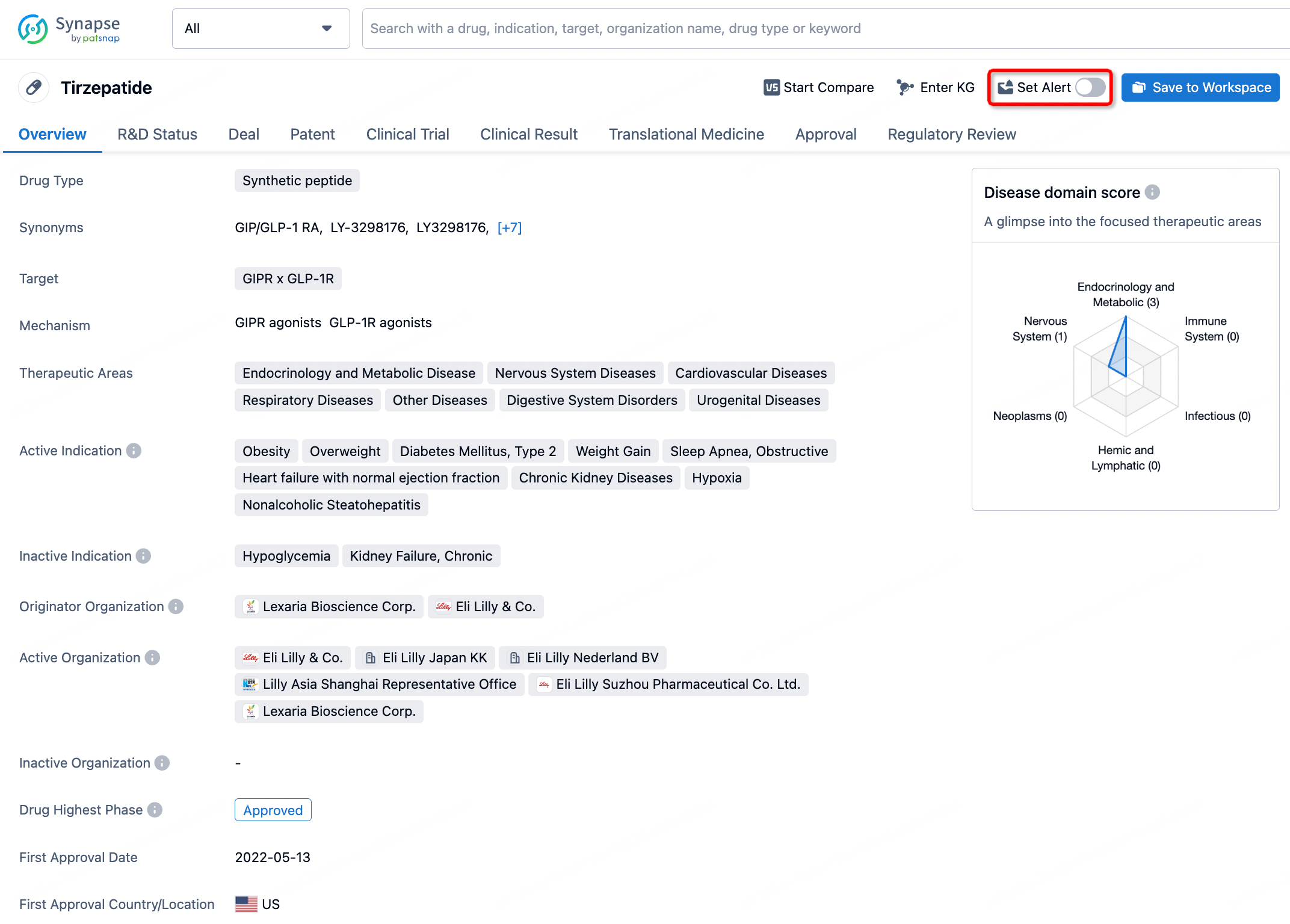
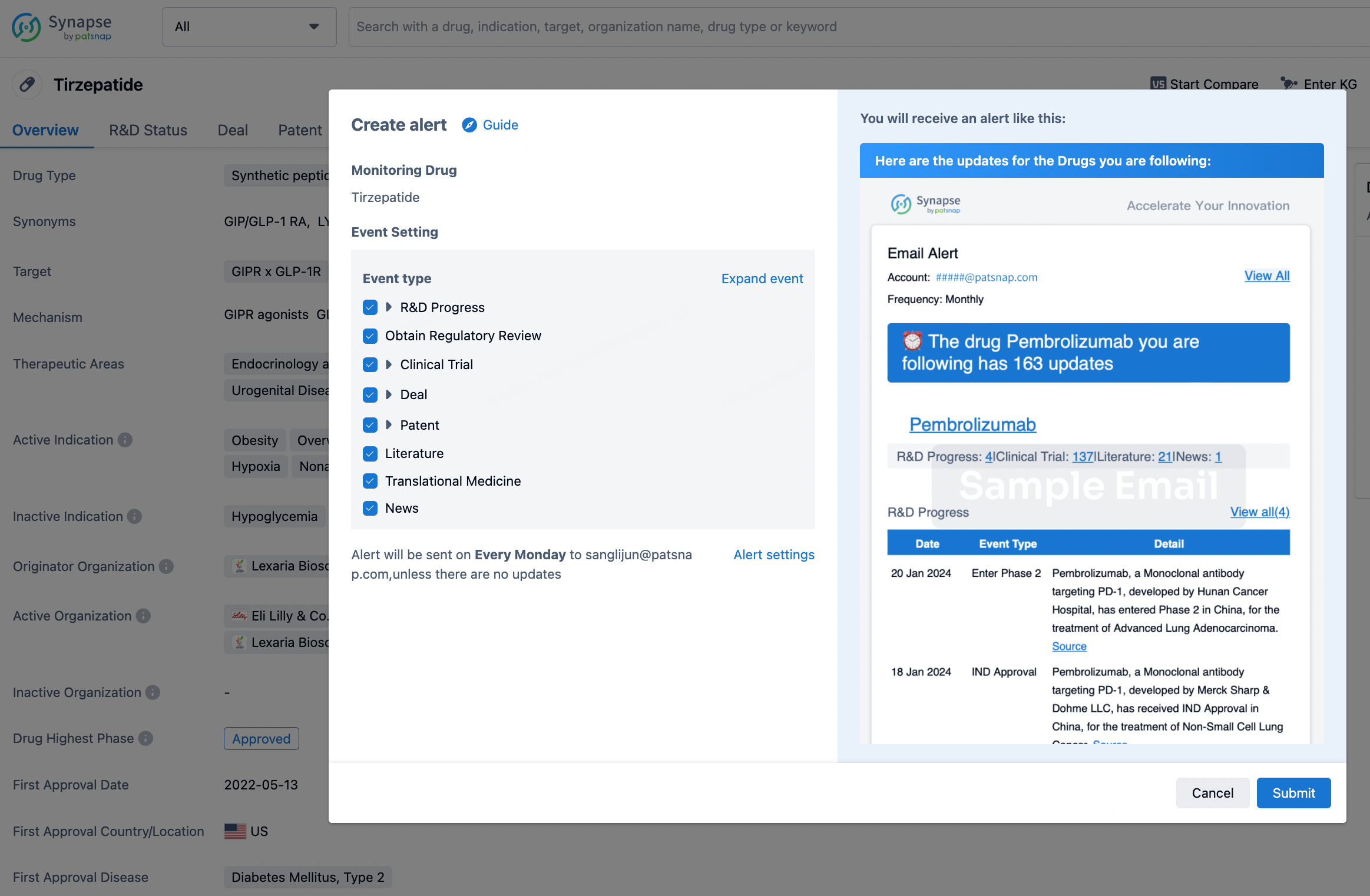
In the Synapse database, you can stay updated on the latest research and development advances of all drugs. This service is accessible anytime and anywhere, with updates available daily or weekly. Use the "Set Alert" function to stay informed. Click on the image below to embark on a brand new journey of drug discovery!

AI Agents Built for Biopharma Breakthroughs
Accelerate discovery. Empower decisions. Transform outcomes.
Get started for free today!
Accelerate Strategic R&D decision making with Synapse, PatSnap’s AI-powered Connected Innovation Intelligence Platform Built for Life Sciences Professionals.
Start your data trial now!
Synapse data is also accessible to external entities via APIs or data packages. Empower better decisions with the latest in pharmaceutical intelligence.