Request Demo
What are the side effects of Bucolome?
12 July 2024
Bucolome is a non-steroidal anti-inflammatory drug (NSAID) that has been utilized for its analgesic and antipyretic properties. Like all medications, it is crucial to be aware of the potential side effects that may arise from its use. Understanding these side effects can help patients and healthcare providers make informed decisions regarding its administration.
Firstly, gastrointestinal issues are among the most common side effects associated with Bucolome. Patients may experience symptoms such as nausea, vomiting, stomach pain, indigestion, and diarrhea. In more severe cases, gastrointestinal bleeding or ulceration may occur, which can be particularly concerning for individuals with a history of peptic ulcers or gastrointestinal disorders.
Secondly, Bucolome may affect the liver. Although rare, hepatotoxicity can manifest, and it is important to monitor liver function during prolonged use. Symptoms of liver issues can include jaundice (yellowing of the skin or eyes), dark urine, fatigue, and abdominal pain.
Renal complications are another possible side effect. Bucolome, like other NSAIDs, can impair kidney function, leading to conditions such as interstitial nephritis or reduced renal perfusion. Patients with pre-existing kidney conditions or those taking other nephrotoxic drugs should exercise caution and undergo regular renal function tests.
Cardiovascular effects can also be a concern. Bucolome may increase the risk of cardiovascular events such as heart attacks or strokes, particularly when used in high doses or over long periods. Patients with cardiovascular disease or risk factors for cardiovascular events should discuss these risks with their healthcare provider.
Allergic reactions are possible but generally uncommon. Hypersensitivity reactions can range from mild skin rashes to severe anaphylaxis. Symptoms might include itching, swelling, difficulty breathing, or hives. Immediate medical attention is required if an allergic reaction is suspected.
Additionally, Bucolome can have hematologic effects. It may cause changes in blood cell counts, such as thrombocytopenia (low platelet count), leukopenia (low white blood cell count), or anemia. Regular blood tests can help monitor these potential changes, especially during long-term therapy.
Neurological side effects, although rare, can also occur. Some patients may experience dizziness, headache, or drowsiness. These side effects can affect an individual's ability to perform tasks that require alertness, such as driving or operating machinery.
In summary, while Bucolome can be an effective treatment for pain and inflammation, it is associated with various side effects. Gastrointestinal issues, liver and renal complications, cardiovascular risks, allergic reactions, hematologic changes, and neurological symptoms are all potential concerns. It is essential for patients to have a thorough discussion with their healthcare provider to weigh the benefits and risks before starting Bucolome. Regular monitoring and timely reporting of any adverse effects can help manage and mitigate these risks effectively.
Firstly, gastrointestinal issues are among the most common side effects associated with Bucolome. Patients may experience symptoms such as nausea, vomiting, stomach pain, indigestion, and diarrhea. In more severe cases, gastrointestinal bleeding or ulceration may occur, which can be particularly concerning for individuals with a history of peptic ulcers or gastrointestinal disorders.
Secondly, Bucolome may affect the liver. Although rare, hepatotoxicity can manifest, and it is important to monitor liver function during prolonged use. Symptoms of liver issues can include jaundice (yellowing of the skin or eyes), dark urine, fatigue, and abdominal pain.
Renal complications are another possible side effect. Bucolome, like other NSAIDs, can impair kidney function, leading to conditions such as interstitial nephritis or reduced renal perfusion. Patients with pre-existing kidney conditions or those taking other nephrotoxic drugs should exercise caution and undergo regular renal function tests.
Cardiovascular effects can also be a concern. Bucolome may increase the risk of cardiovascular events such as heart attacks or strokes, particularly when used in high doses or over long periods. Patients with cardiovascular disease or risk factors for cardiovascular events should discuss these risks with their healthcare provider.
Allergic reactions are possible but generally uncommon. Hypersensitivity reactions can range from mild skin rashes to severe anaphylaxis. Symptoms might include itching, swelling, difficulty breathing, or hives. Immediate medical attention is required if an allergic reaction is suspected.
Additionally, Bucolome can have hematologic effects. It may cause changes in blood cell counts, such as thrombocytopenia (low platelet count), leukopenia (low white blood cell count), or anemia. Regular blood tests can help monitor these potential changes, especially during long-term therapy.
Neurological side effects, although rare, can also occur. Some patients may experience dizziness, headache, or drowsiness. These side effects can affect an individual's ability to perform tasks that require alertness, such as driving or operating machinery.
In summary, while Bucolome can be an effective treatment for pain and inflammation, it is associated with various side effects. Gastrointestinal issues, liver and renal complications, cardiovascular risks, allergic reactions, hematologic changes, and neurological symptoms are all potential concerns. It is essential for patients to have a thorough discussion with their healthcare provider to weigh the benefits and risks before starting Bucolome. Regular monitoring and timely reporting of any adverse effects can help manage and mitigate these risks effectively.
How to obtain the latest development progress of all drugs?
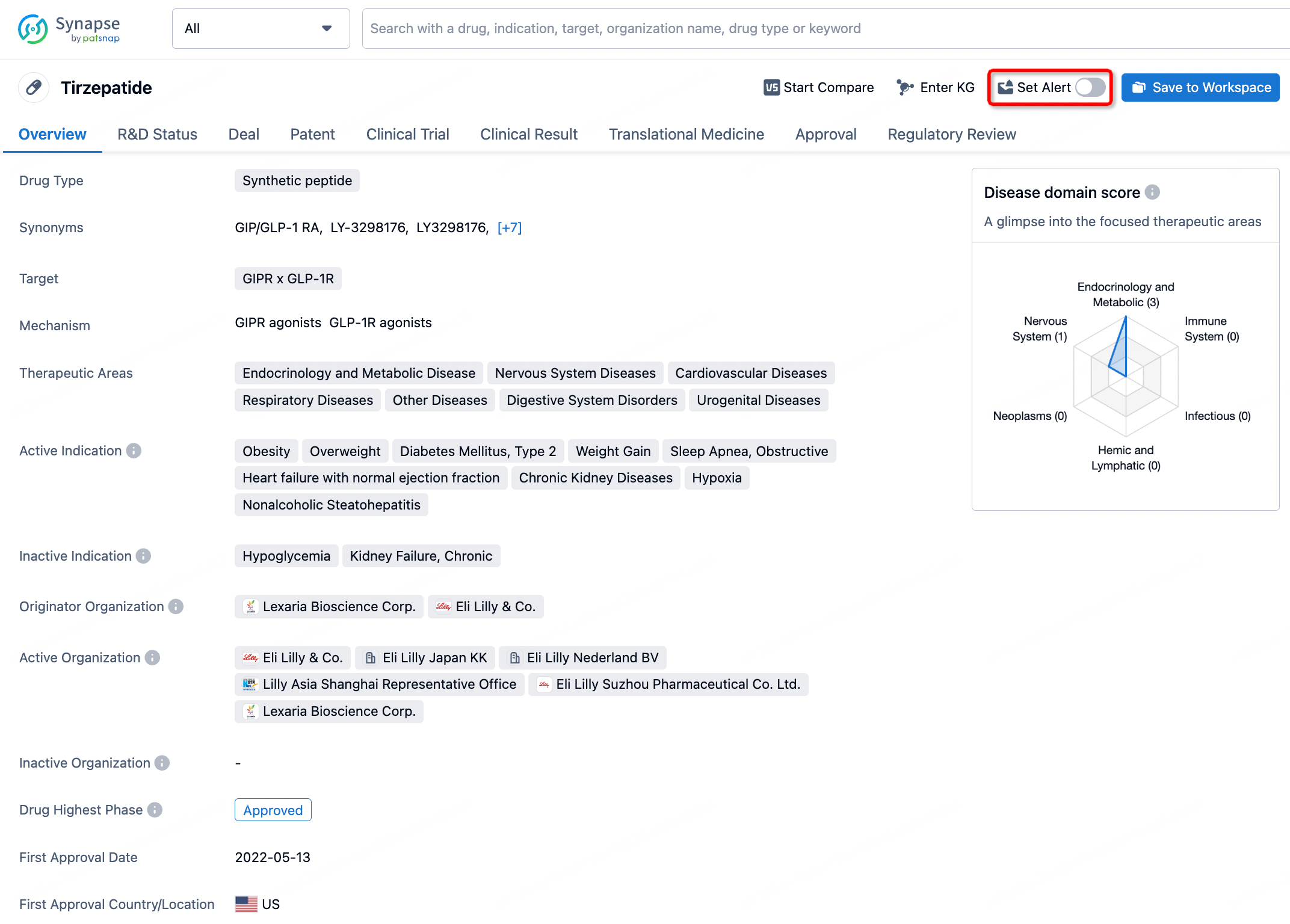
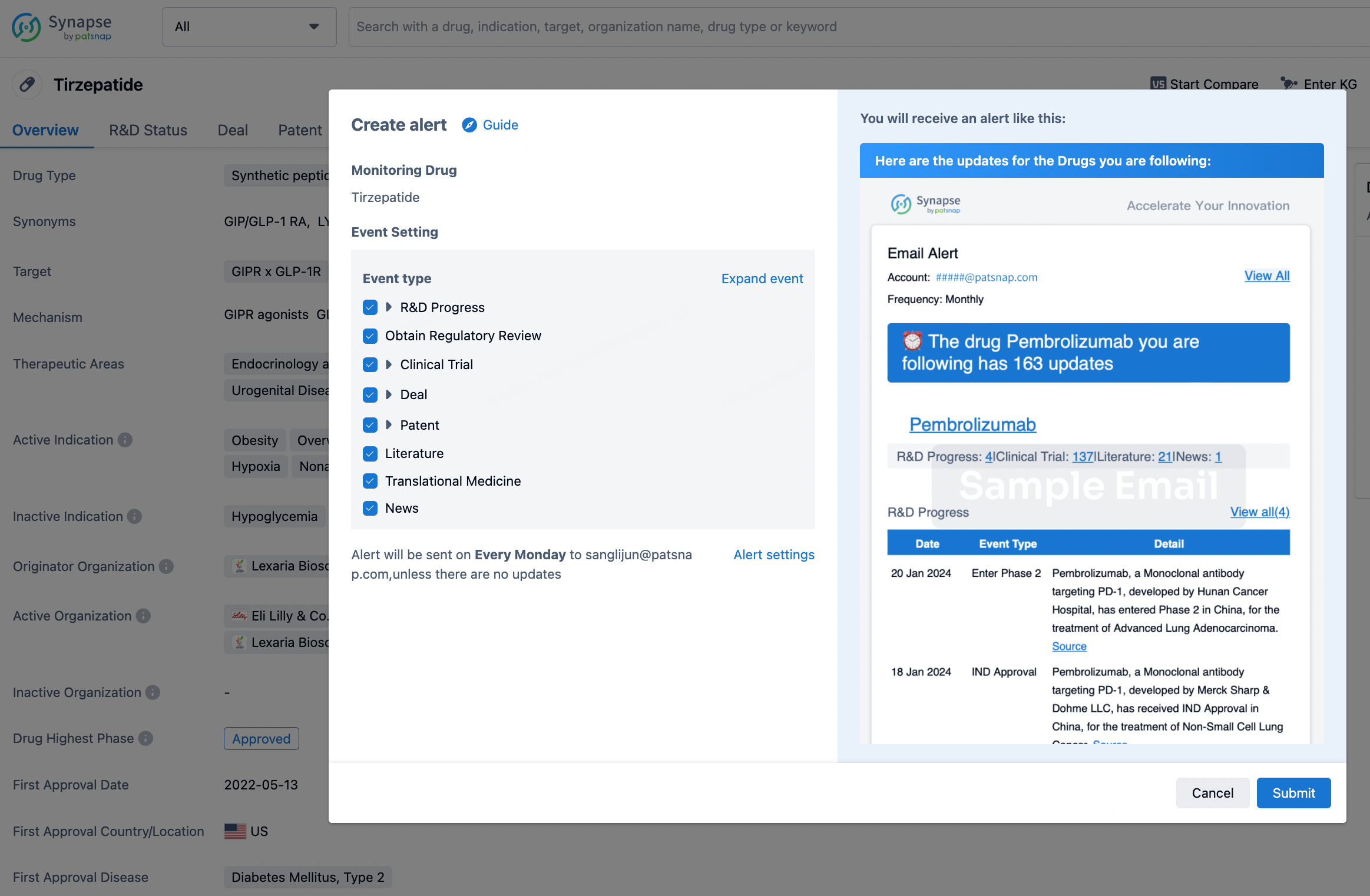
In the Synapse database, you can stay updated on the latest research and development advances of all drugs. This service is accessible anytime and anywhere, with updates available daily or weekly. Use the "Set Alert" function to stay informed. Click on the image below to embark on a brand new journey of drug discovery!
AI Agents Built for Biopharma Breakthroughs
Accelerate discovery. Empower decisions. Transform outcomes.
Get started for free today!
Accelerate Strategic R&D decision making with Synapse, PatSnap’s AI-powered Connected Innovation Intelligence Platform Built for Life Sciences Professionals.
Start your data trial now!
Synapse data is also accessible to external entities via APIs or data packages. Empower better decisions with the latest in pharmaceutical intelligence.