Request Demo
What are the side effects of Camrelizumab?
12 July 2024
Camrelizumab, also known as SHR-1210, is a humanized monoclonal antibody that targets programmed cell death protein 1 (PD-1) and is used in the treatment of various cancers. While its therapeutic benefits have been well-documented, it is crucial for patients and healthcare providers to be aware of the potential side effects associated with its use.
The most commonly reported side effects of Camrelizumab include fatigue, rash, and elevated liver enzymes. Fatigue is a frequent complaint among patients undergoing cancer therapy, and with Camrelizumab, it can vary from mild to severe. Patients experiencing significant fatigue should discuss this with their healthcare provider to manage their energy levels effectively.
Rashes are another common side effect. These can range from mild skin irritations to more severe reactions that require medical attention. It is important for patients to monitor their skin for any changes and report these to their healthcare provider. The management of rashes may include topical treatments or systemic medications, depending on the severity.
Elevated liver enzymes are also frequently observed in patients receiving Camrelizumab. This indicates that the liver is under stress, which can be a marker for liver inflammation or damage. Regular monitoring of liver function tests is essential, and patients should be vigilant for signs of liver problems, such as jaundice, dark urine, or abdominal pain.
In addition to these common side effects, some patients may experience more serious adverse effects. These can include immune-related reactions, as Camrelizumab works by modulating the immune system. Such reactions can affect various organs and systems in the body, leading to conditions like pneumonitis, colitis, hepatitis, endocrinopathies, and nephritis.
Pneumonitis, or inflammation of the lung tissue, can present with symptoms such as cough, shortness of breath, and chest pain. This condition requires prompt medical attention and may necessitate the discontinuation of Camrelizumab and the initiation of corticosteroid therapy.
Colitis, an inflammation of the colon, may lead to symptoms such as diarrhea, abdominal pain, and bloody stools. It is crucial for patients to report these symptoms early, as untreated colitis can become severe and lead to complications.
Hepatitis, or liver inflammation, can present with similar symptoms to those of elevated liver enzymes but may be more severe. Endocrinopathies involve the dysfunction of various glands in the body and can affect the thyroid, adrenal glands, and pituitary gland. Symptoms may include fatigue, weight changes, and mood alterations. These conditions often require hormone replacement therapy or other medical interventions.
Nephritis is an inflammation of the kidneys that can lead to kidney dysfunction. Symptoms may include changes in urine output, blood in the urine, and swelling in the extremities. Prompt recognition and treatment of nephritis are essential to prevent long-term kidney damage.
While these side effects may seem daunting, it is important to remember that not every patient will experience them, and many side effects can be managed effectively with the proper medical care. The benefits of Camrelizumab in treating cancer may outweigh the risks for many patients, but a thorough discussion with a healthcare provider is essential to make an informed decision.
In conclusion, Camrelizumab is a promising cancer therapy with a range of potential side effects. Patients should be closely monitored for both common and serious adverse effects, and open communication with healthcare providers is key to managing these risks effectively. By staying informed and vigilant, patients can better navigate their treatment journey with Camrelizumab.
The most commonly reported side effects of Camrelizumab include fatigue, rash, and elevated liver enzymes. Fatigue is a frequent complaint among patients undergoing cancer therapy, and with Camrelizumab, it can vary from mild to severe. Patients experiencing significant fatigue should discuss this with their healthcare provider to manage their energy levels effectively.
Rashes are another common side effect. These can range from mild skin irritations to more severe reactions that require medical attention. It is important for patients to monitor their skin for any changes and report these to their healthcare provider. The management of rashes may include topical treatments or systemic medications, depending on the severity.
Elevated liver enzymes are also frequently observed in patients receiving Camrelizumab. This indicates that the liver is under stress, which can be a marker for liver inflammation or damage. Regular monitoring of liver function tests is essential, and patients should be vigilant for signs of liver problems, such as jaundice, dark urine, or abdominal pain.
In addition to these common side effects, some patients may experience more serious adverse effects. These can include immune-related reactions, as Camrelizumab works by modulating the immune system. Such reactions can affect various organs and systems in the body, leading to conditions like pneumonitis, colitis, hepatitis, endocrinopathies, and nephritis.
Pneumonitis, or inflammation of the lung tissue, can present with symptoms such as cough, shortness of breath, and chest pain. This condition requires prompt medical attention and may necessitate the discontinuation of Camrelizumab and the initiation of corticosteroid therapy.
Colitis, an inflammation of the colon, may lead to symptoms such as diarrhea, abdominal pain, and bloody stools. It is crucial for patients to report these symptoms early, as untreated colitis can become severe and lead to complications.
Hepatitis, or liver inflammation, can present with similar symptoms to those of elevated liver enzymes but may be more severe. Endocrinopathies involve the dysfunction of various glands in the body and can affect the thyroid, adrenal glands, and pituitary gland. Symptoms may include fatigue, weight changes, and mood alterations. These conditions often require hormone replacement therapy or other medical interventions.
Nephritis is an inflammation of the kidneys that can lead to kidney dysfunction. Symptoms may include changes in urine output, blood in the urine, and swelling in the extremities. Prompt recognition and treatment of nephritis are essential to prevent long-term kidney damage.
While these side effects may seem daunting, it is important to remember that not every patient will experience them, and many side effects can be managed effectively with the proper medical care. The benefits of Camrelizumab in treating cancer may outweigh the risks for many patients, but a thorough discussion with a healthcare provider is essential to make an informed decision.
In conclusion, Camrelizumab is a promising cancer therapy with a range of potential side effects. Patients should be closely monitored for both common and serious adverse effects, and open communication with healthcare providers is key to managing these risks effectively. By staying informed and vigilant, patients can better navigate their treatment journey with Camrelizumab.
How to obtain the latest development progress of all drugs?
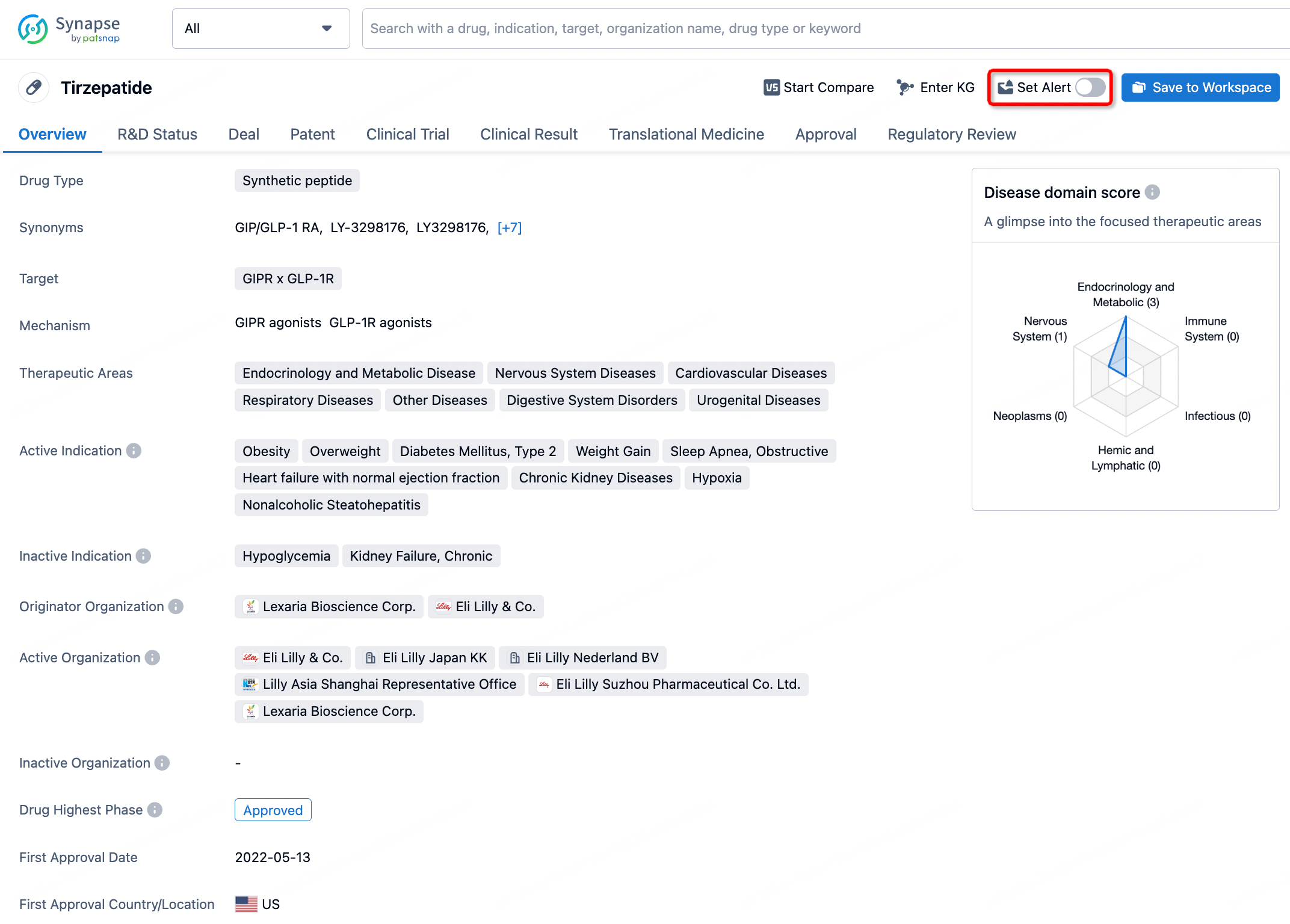
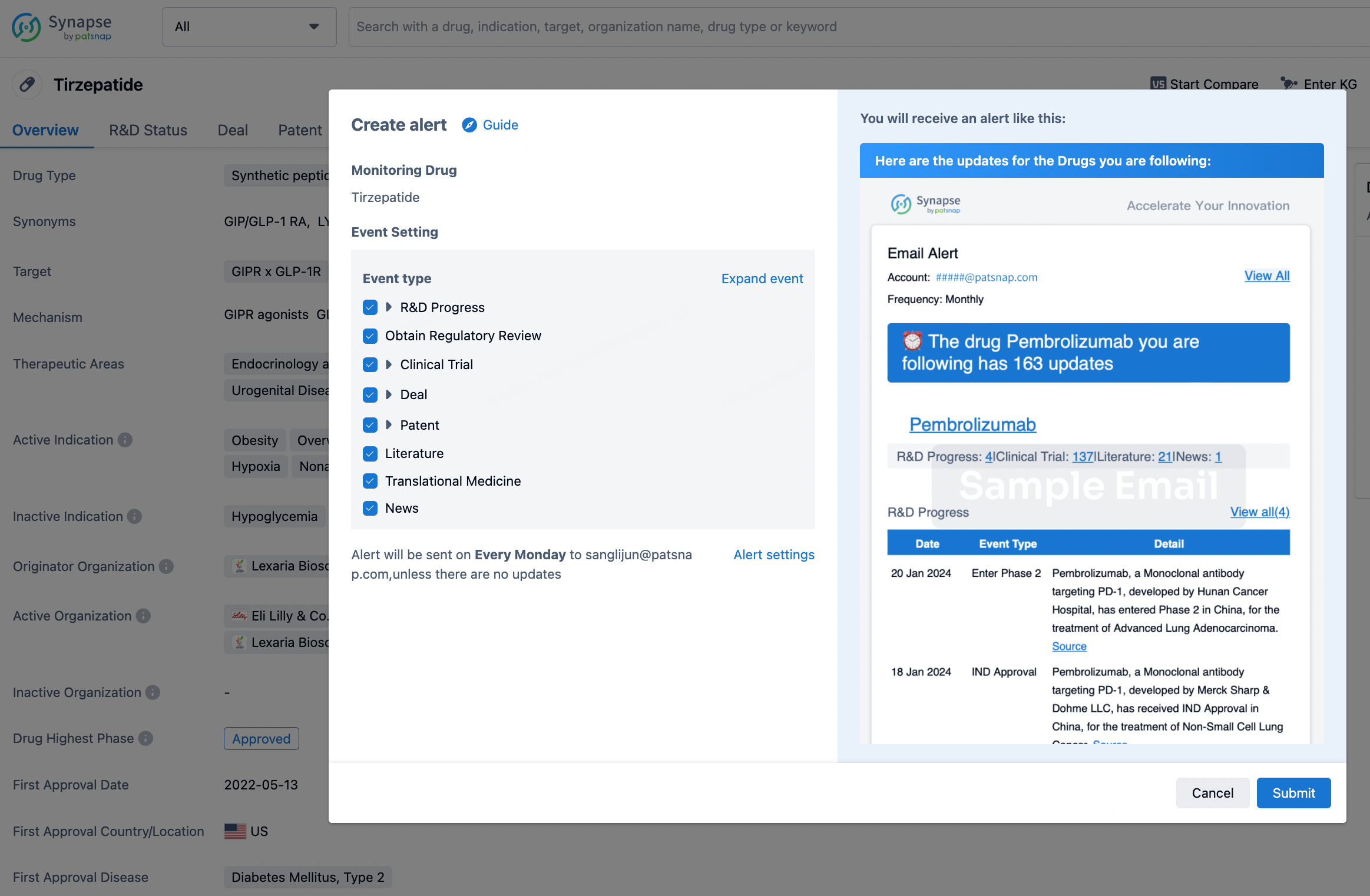
In the Synapse database, you can stay updated on the latest research and development advances of all drugs. This service is accessible anytime and anywhere, with updates available daily or weekly. Use the "Set Alert" function to stay informed. Click on the image below to embark on a brand new journey of drug discovery!

AI Agents Built for Biopharma Breakthroughs
Accelerate discovery. Empower decisions. Transform outcomes.
Get started for free today!
Accelerate Strategic R&D decision making with Synapse, PatSnap’s AI-powered Connected Innovation Intelligence Platform Built for Life Sciences Professionals.
Start your data trial now!
Synapse data is also accessible to external entities via APIs or data packages. Empower better decisions with the latest in pharmaceutical intelligence.