Request Demo
What are the side effects of Drotebanol?
12 July 2024
Drotebanol is an opioid analgesic that has been used in the medical field for the relief of moderate to severe pain. Like other opioids, Drotebanol works by binding to opioid receptors in the brain and spinal cord, which helps to decrease the perception of pain. While it can be effective in managing pain, the use of Drotebanol is associated with a range of side effects, some of which can be quite serious. It is important for patients and healthcare providers to be aware of these potential side effects to manage and mitigate them effectively.
One of the most common side effects of Drotebanol is nausea and vomiting. This occurs because opioids can affect the gastrointestinal system, slowing down the movement of the stomach and intestines. Another frequent side effect is constipation, which can become severe if not managed properly. Patients are often advised to increase their intake of fluids and fiber and sometimes may need to take laxatives to counteract this effect.
Drotebanol can also cause dizziness and drowsiness, which can impair a person’s ability to perform tasks that require alertness, such as driving or operating heavy machinery. This sedative effect is a hallmark of many opioids and can pose a risk for falls and accidents. It is essential to understand how Drotebanol affects you before engaging in any activities that require concentration and coordination.
Respiratory depression is another serious side effect associated with Drotebanol. This occurs when the drug suppresses the body’s natural drive to breathe, leading to shallow or slowed breathing. Respiratory depression can be life-threatening, especially in higher doses or when combined with other substances that depress the central nervous system, such as alcohol or benzodiazepines. It is critical to follow the prescribed dosage and consult with a healthcare professional if you experience any breathing difficulties.
Drotebanol can also impact mental health. Some individuals may experience mood swings, anxiety, or depression while taking this medication. In rare cases, it can cause hallucinations or delusions. These psychological side effects may require adjustments to the dosage or a switch to a different pain management strategy.
Physical dependence and addiction are significant concerns with the use of any opioid, including Drotebanol. Physical dependence means that the body adapts to the drug, and withdrawal symptoms can occur if the medication is suddenly stopped. Withdrawal symptoms can include sweating, chills, irritability, and muscle aches. Addiction is characterized by the compulsive use of the drug despite harmful consequences. It is important for healthcare providers to monitor patients closely for signs of abuse and dependence and to use the lowest effective dose for the shortest duration necessary.
Another potential side effect of Drotebanol is allergic reactions. Symptoms can range from mild (rash, itching) to severe (difficulty breathing, swelling of the face, lips, tongue, or throat). Immediate medical attention is required if an allergic reaction is suspected.
In summary, while Drotebanol can be effective for pain management, its use is associated with a range of side effects, including nausea, constipation, dizziness, respiratory depression, mental health changes, physical dependence, addiction, and allergic reactions. Patients should use this medication under the strict guidance of a healthcare professional and report any adverse effects promptly to ensure safe and effective treatment.
One of the most common side effects of Drotebanol is nausea and vomiting. This occurs because opioids can affect the gastrointestinal system, slowing down the movement of the stomach and intestines. Another frequent side effect is constipation, which can become severe if not managed properly. Patients are often advised to increase their intake of fluids and fiber and sometimes may need to take laxatives to counteract this effect.
Drotebanol can also cause dizziness and drowsiness, which can impair a person’s ability to perform tasks that require alertness, such as driving or operating heavy machinery. This sedative effect is a hallmark of many opioids and can pose a risk for falls and accidents. It is essential to understand how Drotebanol affects you before engaging in any activities that require concentration and coordination.
Respiratory depression is another serious side effect associated with Drotebanol. This occurs when the drug suppresses the body’s natural drive to breathe, leading to shallow or slowed breathing. Respiratory depression can be life-threatening, especially in higher doses or when combined with other substances that depress the central nervous system, such as alcohol or benzodiazepines. It is critical to follow the prescribed dosage and consult with a healthcare professional if you experience any breathing difficulties.
Drotebanol can also impact mental health. Some individuals may experience mood swings, anxiety, or depression while taking this medication. In rare cases, it can cause hallucinations or delusions. These psychological side effects may require adjustments to the dosage or a switch to a different pain management strategy.
Physical dependence and addiction are significant concerns with the use of any opioid, including Drotebanol. Physical dependence means that the body adapts to the drug, and withdrawal symptoms can occur if the medication is suddenly stopped. Withdrawal symptoms can include sweating, chills, irritability, and muscle aches. Addiction is characterized by the compulsive use of the drug despite harmful consequences. It is important for healthcare providers to monitor patients closely for signs of abuse and dependence and to use the lowest effective dose for the shortest duration necessary.
Another potential side effect of Drotebanol is allergic reactions. Symptoms can range from mild (rash, itching) to severe (difficulty breathing, swelling of the face, lips, tongue, or throat). Immediate medical attention is required if an allergic reaction is suspected.
In summary, while Drotebanol can be effective for pain management, its use is associated with a range of side effects, including nausea, constipation, dizziness, respiratory depression, mental health changes, physical dependence, addiction, and allergic reactions. Patients should use this medication under the strict guidance of a healthcare professional and report any adverse effects promptly to ensure safe and effective treatment.
How to obtain the latest development progress of all drugs?
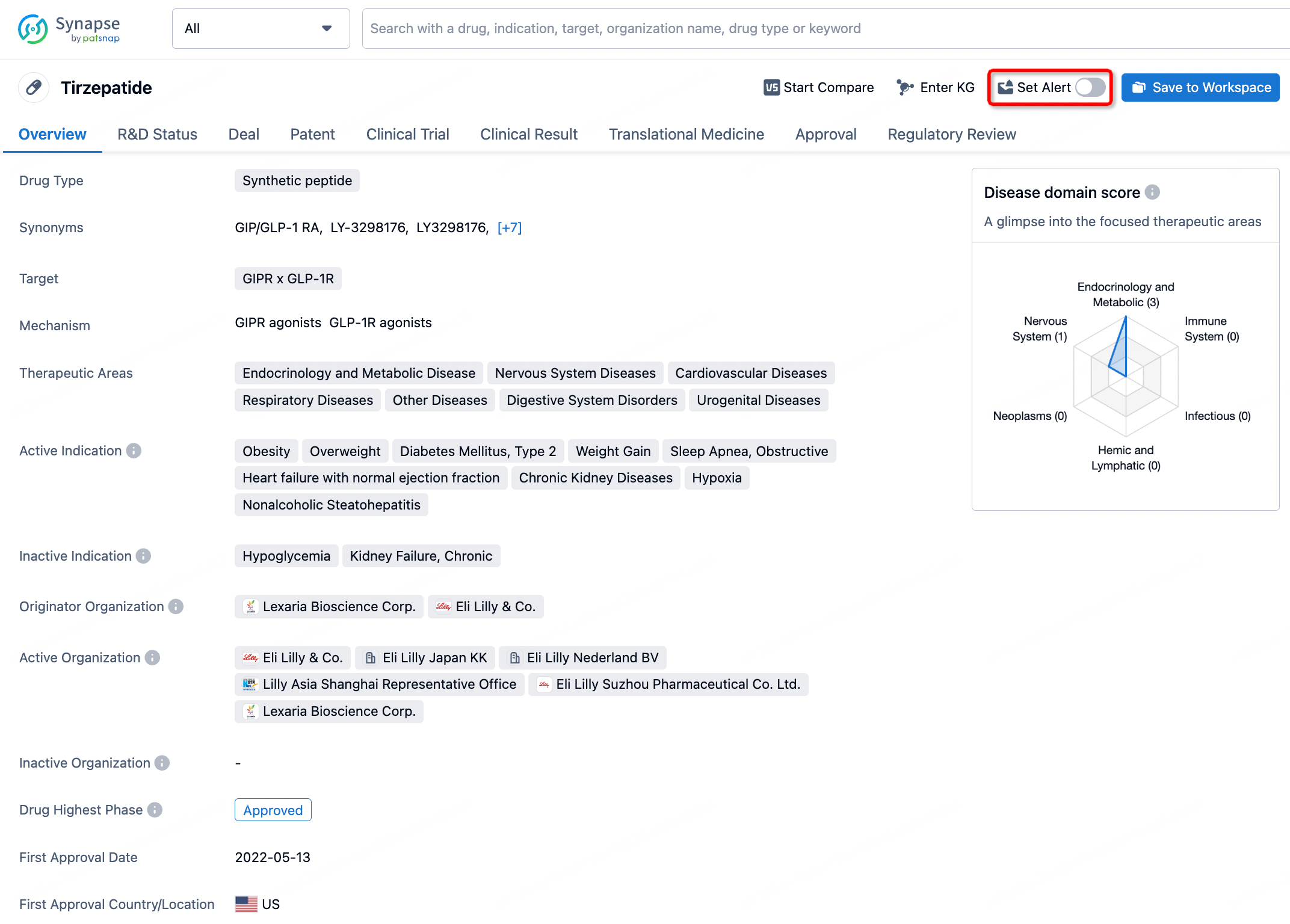
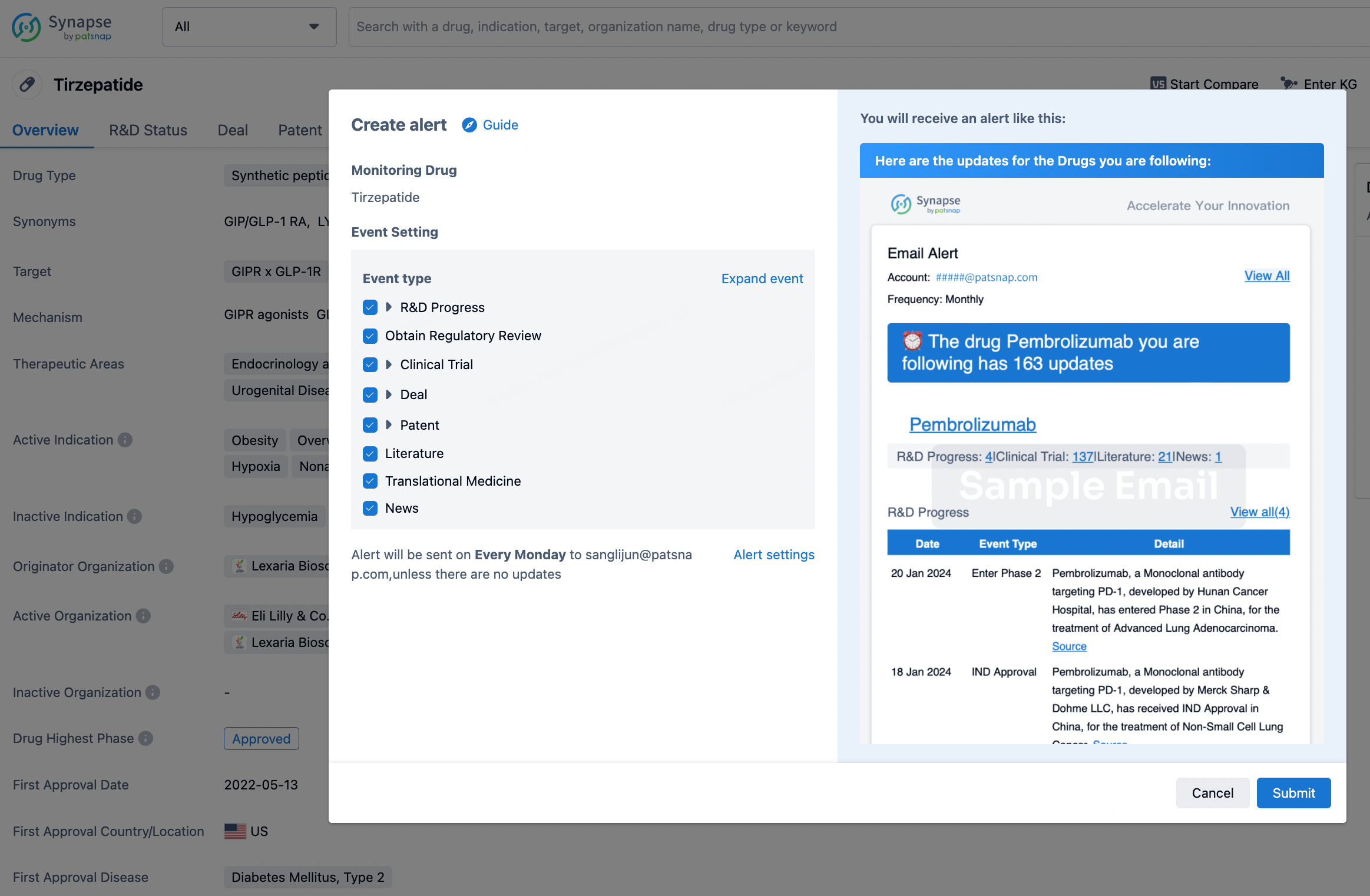
In the Synapse database, you can stay updated on the latest research and development advances of all drugs. This service is accessible anytime and anywhere, with updates available daily or weekly. Use the "Set Alert" function to stay informed. Click on the image below to embark on a brand new journey of drug discovery!

AI Agents Built for Biopharma Breakthroughs
Accelerate discovery. Empower decisions. Transform outcomes.
Get started for free today!
Accelerate Strategic R&D decision making with Synapse, PatSnap’s AI-powered Connected Innovation Intelligence Platform Built for Life Sciences Professionals.
Start your data trial now!
Synapse data is also accessible to external entities via APIs or data packages. Empower better decisions with the latest in pharmaceutical intelligence.