Request Demo
What are the side effects of Ethyl Imidazolate?
13 July 2024
Ethyl imidazolate, a compound with applications in various industrial and pharmaceutical fields, has been the subject of numerous studies to determine its potential side effects. Understanding these side effects is crucial for ensuring its safe use in different contexts. This blog explores the known side effects of ethyl imidazolate on human health.
One of the primary side effects observed with ethyl imidazolate is skin irritation. Upon direct contact, some individuals may experience redness, itching, and swelling. This reaction is typically due to the compound’s ability to disrupt the skin's natural barrier, causing an inflammatory response. It is advisable to use protective gloves and clothing when handling ethyl imidazolate to minimize this risk.
Inhalation of ethyl imidazolate can also pose health risks. When breathed in, it may cause respiratory irritation, leading to symptoms such as coughing, shortness of breath, and throat discomfort. Prolonged exposure might exacerbate these symptoms and could potentially lead to more severe respiratory issues. Therefore, using appropriate ventilation and respiratory protection is essential when working with ethyl imidazolate in environments where airborne particles might be present.
Ethyl imidazolate can affect the eyes if there is accidental contact. Eye exposure can result in irritation, characterized by redness, tearing, and a burning sensation. Immediate rinsing of the eyes with water is recommended to mitigate these effects. In severe cases, seeking medical attention is necessary to prevent long-lasting damage.
Oral ingestion of ethyl imidazolate is another concern. If ingested, it could lead to gastrointestinal discomfort, including nausea, vomiting, and abdominal pain. The severity of these symptoms can vary depending on the amount ingested. In instances of accidental ingestion, it is important to seek medical advice promptly to manage the symptoms and prevent complications.
There are also potential systemic effects associated with ethyl imidazolate. While data on long-term exposure is limited, some studies suggest that prolonged or high-level exposure may impact liver and kidney function, as these organs play a key role in detoxifying chemicals in the body. Monitoring and potentially limiting exposure, especially in occupational settings, is crucial to mitigate these risks.
Additionally, it is essential to consider the potential allergic reactions to ethyl imidazolate. Allergic contact dermatitis is a possible outcome for individuals sensitized to this compound. This condition manifests as a rash, itching, and swelling upon exposure, and can be managed by avoiding contact with the allergen and using antihistamines or corticosteroids as prescribed by a healthcare provider.
In summary, the side effects of ethyl imidazolate range from local irritations, such as skin and respiratory issues, to more serious systemic effects with prolonged exposure. Proper handling procedures, including the use of personal protective equipment and adequate ventilation, are vital to minimizing these risks. Awareness and precautionary measures are key to ensuring the safe use of ethyl imidazolate in any application.
One of the primary side effects observed with ethyl imidazolate is skin irritation. Upon direct contact, some individuals may experience redness, itching, and swelling. This reaction is typically due to the compound’s ability to disrupt the skin's natural barrier, causing an inflammatory response. It is advisable to use protective gloves and clothing when handling ethyl imidazolate to minimize this risk.
Inhalation of ethyl imidazolate can also pose health risks. When breathed in, it may cause respiratory irritation, leading to symptoms such as coughing, shortness of breath, and throat discomfort. Prolonged exposure might exacerbate these symptoms and could potentially lead to more severe respiratory issues. Therefore, using appropriate ventilation and respiratory protection is essential when working with ethyl imidazolate in environments where airborne particles might be present.
Ethyl imidazolate can affect the eyes if there is accidental contact. Eye exposure can result in irritation, characterized by redness, tearing, and a burning sensation. Immediate rinsing of the eyes with water is recommended to mitigate these effects. In severe cases, seeking medical attention is necessary to prevent long-lasting damage.
Oral ingestion of ethyl imidazolate is another concern. If ingested, it could lead to gastrointestinal discomfort, including nausea, vomiting, and abdominal pain. The severity of these symptoms can vary depending on the amount ingested. In instances of accidental ingestion, it is important to seek medical advice promptly to manage the symptoms and prevent complications.
There are also potential systemic effects associated with ethyl imidazolate. While data on long-term exposure is limited, some studies suggest that prolonged or high-level exposure may impact liver and kidney function, as these organs play a key role in detoxifying chemicals in the body. Monitoring and potentially limiting exposure, especially in occupational settings, is crucial to mitigate these risks.
Additionally, it is essential to consider the potential allergic reactions to ethyl imidazolate. Allergic contact dermatitis is a possible outcome for individuals sensitized to this compound. This condition manifests as a rash, itching, and swelling upon exposure, and can be managed by avoiding contact with the allergen and using antihistamines or corticosteroids as prescribed by a healthcare provider.
In summary, the side effects of ethyl imidazolate range from local irritations, such as skin and respiratory issues, to more serious systemic effects with prolonged exposure. Proper handling procedures, including the use of personal protective equipment and adequate ventilation, are vital to minimizing these risks. Awareness and precautionary measures are key to ensuring the safe use of ethyl imidazolate in any application.
How to obtain the latest development progress of all drugs?
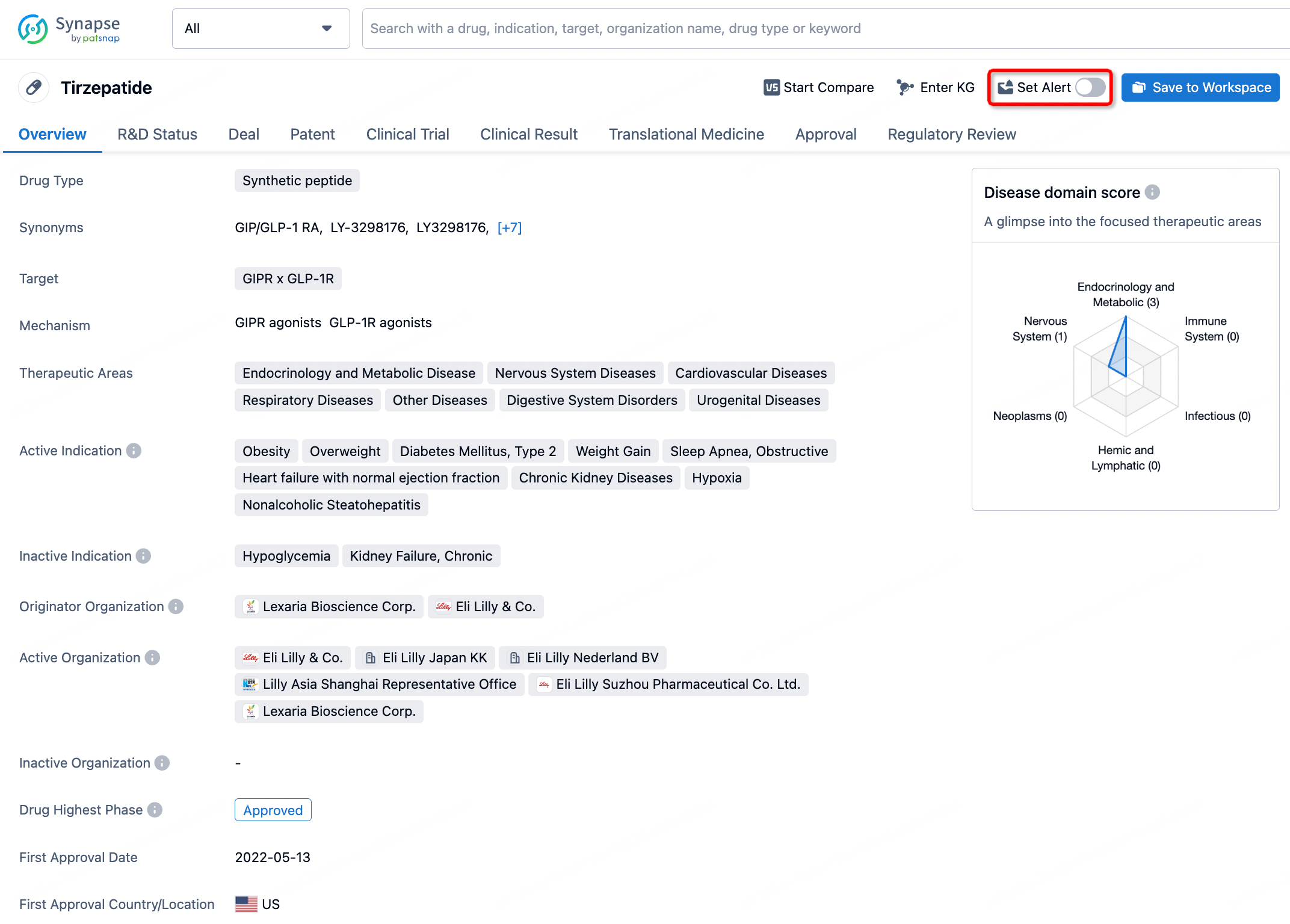
In the Synapse database, you can stay updated on the latest research and development advances of all drugs. This service is accessible anytime and anywhere, with updates available daily or weekly. Use the "Set Alert" function to stay informed. Click on the image below to embark on a brand new journey of drug discovery!


AI Agents Built for Biopharma Breakthroughs
Accelerate discovery. Empower decisions. Transform outcomes.
Get started for free today!
Accelerate Strategic R&D decision making with Synapse, PatSnap’s AI-powered Connected Innovation Intelligence Platform Built for Life Sciences Professionals.
Start your data trial now!
Synapse data is also accessible to external entities via APIs or data packages. Empower better decisions with the latest in pharmaceutical intelligence.