Request Demo
What are the side effects of Fenoverine?
13 July 2024
Fenoverine is a widely used antispasmodic medication that helps alleviate symptoms related to gastrointestinal issues, such as irritable bowel syndrome (IBS) and other functional bowel disorders. Like any medication, Fenoverine may present side effects, and it is crucial for patients and healthcare providers to be aware of these potential adverse reactions to ensure safe and effective use.
The most common side effects associated with Fenoverine are generally mild and temporary. These may include gastrointestinal disturbances such as nausea, abdominal discomfort, and diarrhea. These symptoms are typically short-lived and may resolve as the body adjusts to the medication. However, if they persist or worsen, it is advisable to consult a healthcare professional for further evaluation.
Some patients may experience dizziness or lightheadedness as a side effect of Fenoverine. This could be particularly important for individuals who operate heavy machinery or drive vehicles, as it may impair their ability to perform these tasks safely. It is recommended to avoid such activities until you understand how the medication affects you.
Allergic reactions to Fenoverine are rare but possible. Symptoms of an allergic reaction can include hives, itching, rash, swelling of the face, lips, tongue, or throat, and difficulty breathing. If any of these symptoms occur, it is imperative to seek immediate medical attention, as allergic reactions can be severe and potentially life-threatening.
In rare cases, Fenoverine may cause more serious side effects that require prompt medical attention. These can include severe abdominal pain, bloody or black stools, vomiting blood, or jaundice (yellowing of the skin or eyes). These symptoms could indicate serious underlying conditions that need urgent medical intervention.
Although not common, some patients may experience cardiovascular side effects such as palpitations or an irregular heartbeat. If you notice any unusual heart-related symptoms while taking Fenoverine, it is crucial to contact your healthcare provider immediately.
It is important to note that this list is not exhaustive. Other side effects may occur, and individual responses to medication can vary. Always consult your healthcare provider for personalized medical advice and report any new or worsening symptoms promptly.
Patients with specific medical conditions or those taking other medications should exercise particular caution and discuss their full medical history with their healthcare provider before starting Fenoverine. This includes individuals with a history of heart disease, liver or kidney problems, or those who are pregnant or breastfeeding.
In conclusion, while Fenoverine is generally well-tolerated and effective for managing gastrointestinal spasms, it is essential to be aware of its potential side effects. Monitoring for any adverse reactions and maintaining open communication with your healthcare provider can help manage these risks and ensure the safe use of this medication. Always follow your healthcare provider's instructions and report any concerns or unusual symptoms as soon as they arise.
The most common side effects associated with Fenoverine are generally mild and temporary. These may include gastrointestinal disturbances such as nausea, abdominal discomfort, and diarrhea. These symptoms are typically short-lived and may resolve as the body adjusts to the medication. However, if they persist or worsen, it is advisable to consult a healthcare professional for further evaluation.
Some patients may experience dizziness or lightheadedness as a side effect of Fenoverine. This could be particularly important for individuals who operate heavy machinery or drive vehicles, as it may impair their ability to perform these tasks safely. It is recommended to avoid such activities until you understand how the medication affects you.
Allergic reactions to Fenoverine are rare but possible. Symptoms of an allergic reaction can include hives, itching, rash, swelling of the face, lips, tongue, or throat, and difficulty breathing. If any of these symptoms occur, it is imperative to seek immediate medical attention, as allergic reactions can be severe and potentially life-threatening.
In rare cases, Fenoverine may cause more serious side effects that require prompt medical attention. These can include severe abdominal pain, bloody or black stools, vomiting blood, or jaundice (yellowing of the skin or eyes). These symptoms could indicate serious underlying conditions that need urgent medical intervention.
Although not common, some patients may experience cardiovascular side effects such as palpitations or an irregular heartbeat. If you notice any unusual heart-related symptoms while taking Fenoverine, it is crucial to contact your healthcare provider immediately.
It is important to note that this list is not exhaustive. Other side effects may occur, and individual responses to medication can vary. Always consult your healthcare provider for personalized medical advice and report any new or worsening symptoms promptly.
Patients with specific medical conditions or those taking other medications should exercise particular caution and discuss their full medical history with their healthcare provider before starting Fenoverine. This includes individuals with a history of heart disease, liver or kidney problems, or those who are pregnant or breastfeeding.
In conclusion, while Fenoverine is generally well-tolerated and effective for managing gastrointestinal spasms, it is essential to be aware of its potential side effects. Monitoring for any adverse reactions and maintaining open communication with your healthcare provider can help manage these risks and ensure the safe use of this medication. Always follow your healthcare provider's instructions and report any concerns or unusual symptoms as soon as they arise.
How to obtain the latest development progress of all drugs?
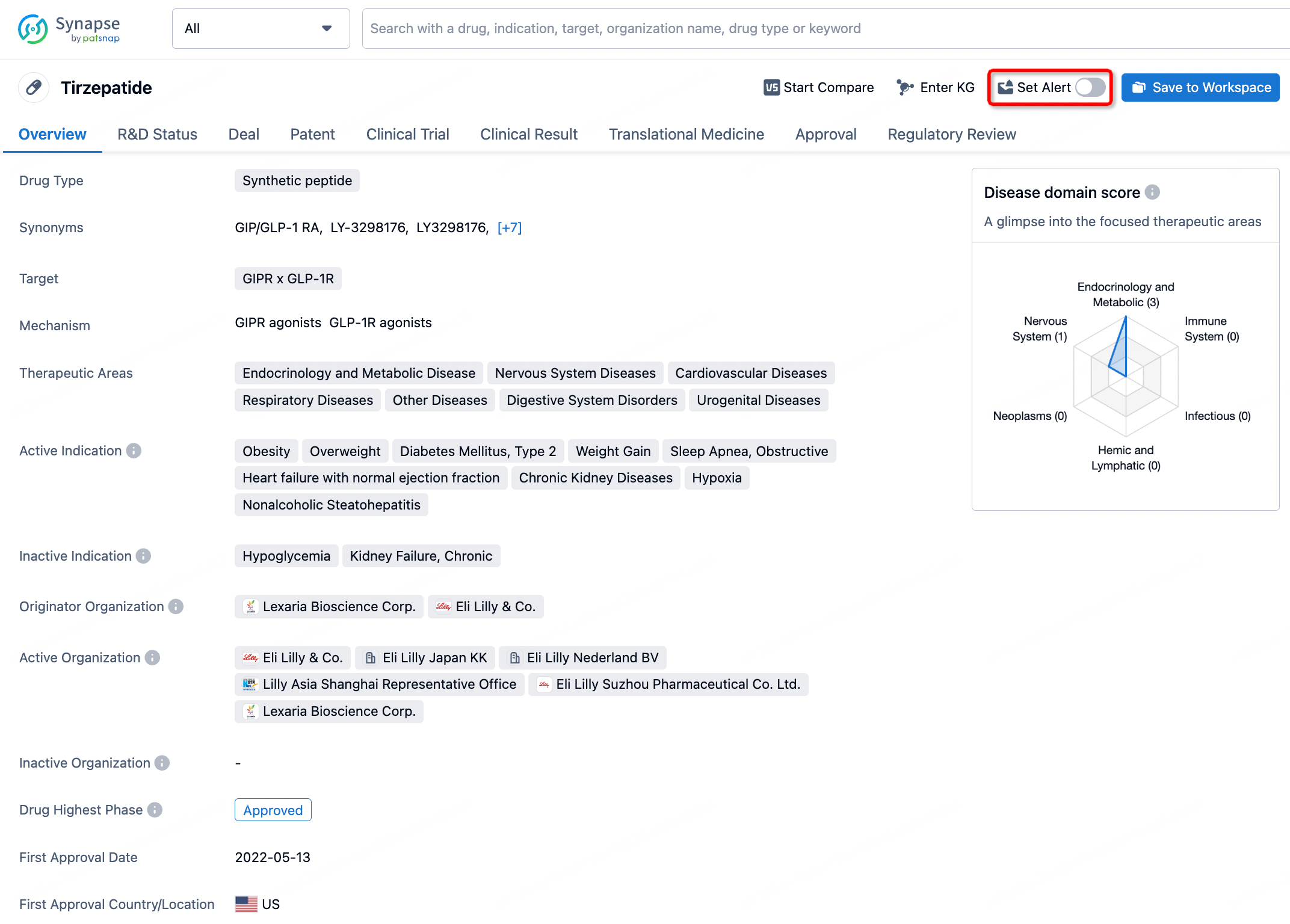
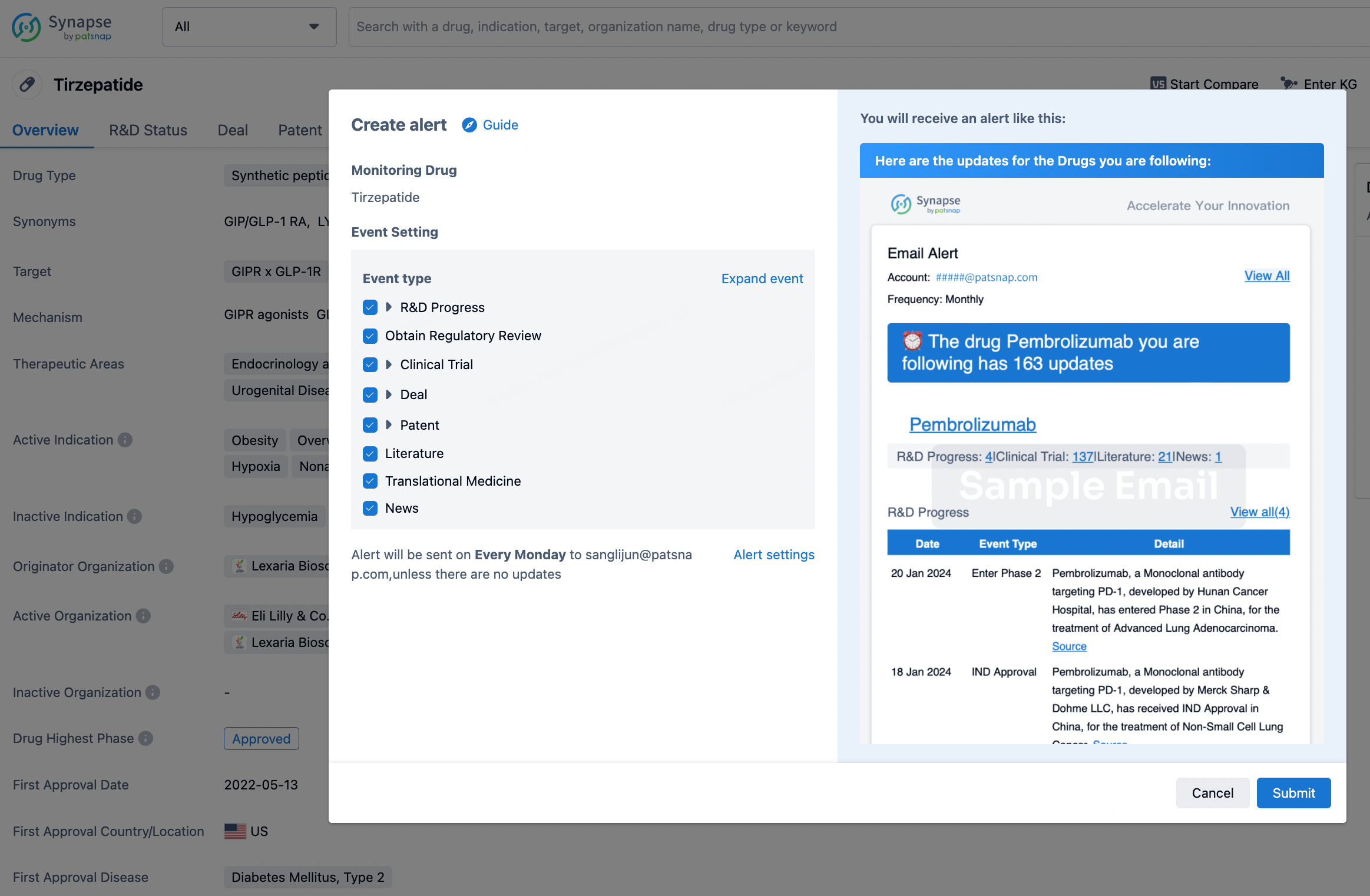
In the Synapse database, you can stay updated on the latest research and development advances of all drugs. This service is accessible anytime and anywhere, with updates available daily or weekly. Use the "Set Alert" function to stay informed. Click on the image below to embark on a brand new journey of drug discovery!

AI Agents Built for Biopharma Breakthroughs
Accelerate discovery. Empower decisions. Transform outcomes.
Get started for free today!
Accelerate Strategic R&D decision making with Synapse, PatSnap’s AI-powered Connected Innovation Intelligence Platform Built for Life Sciences Professionals.
Start your data trial now!
Synapse data is also accessible to external entities via APIs or data packages. Empower better decisions with the latest in pharmaceutical intelligence.