Request Demo
What are the side effects of Fostamatinib Disodium?
12 July 2024
Fostamatinib Disodium is a medication primarily used to treat chronic immune thrombocytopenia (ITP) in adults who have not responded adequately to other treatments. While it can be effective in managing this condition, it's important to be aware of the potential side effects that may accompany its use. Understanding these side effects can help patients and healthcare providers make informed decisions about their treatment plans.
One of the most common side effects of Fostamatinib Disodium is diarrhea. This gastrointestinal issue can range from mild to severe and may require adjustments in diet or additional medications to manage. In some cases, patients may need to temporarily discontinue the medication until the symptoms subside.
Hypertension, or high blood pressure, is another notable side effect. Patients taking Fostamatinib Disodium should have their blood pressure monitored regularly. If hypertension develops, it may necessitate the use of antihypertensive medications or lifestyle modifications to control it.
Liver enzyme elevations have also been observed in some patients. This side effect typically presents as an increase in alanine aminotransferase (ALT) and aspartate aminotransferase (AST) levels. Regular liver function tests are recommended to monitor any potential liver damage, and dosage adjustments may be needed if significant elevations occur.
Neutropenia, or a reduction in white blood cells, is another potential side effect. This condition can make patients more susceptible to infections. Regular blood tests are essential to monitor white blood cell counts, and immediate medical attention is necessary if signs of infection, such as fever or chills, appear.
Fatigue is a less severe but commonly reported side effect. While it may not require medical intervention, it can impact a patient's quality of life. Adequate rest and balanced nutrition are recommended to manage fatigue.
Respiratory infections, including upper respiratory tract infections, have also been reported. Patients should be vigilant for symptoms such as cough, sore throat, and difficulty breathing. It's crucial to seek medical advice if these symptoms develop, as they may require specific treatments.
Additionally, dizziness and headache are other side effects that some patients may experience. These symptoms can often be managed with over-the-counter pain relievers and should be discussed with a healthcare provider to rule out more serious underlying conditions.
Lastly, thrombocytopenia, or a low platelet count, is paradoxically another side effect, though it is relatively rare. Regular monitoring of platelet levels is crucial to ensure that the medication is effectively managing the condition without causing further complications.
In conclusion, while Fostamatinib Disodium can be a valuable treatment for chronic immune thrombocytopenia, it is not without its potential side effects. Regular monitoring, open communication with healthcare providers, and prompt attention to any emerging symptoms are key to managing these side effects effectively. Patients should always consult their healthcare provider for personalized advice and adjustments to their treatment plan.
One of the most common side effects of Fostamatinib Disodium is diarrhea. This gastrointestinal issue can range from mild to severe and may require adjustments in diet or additional medications to manage. In some cases, patients may need to temporarily discontinue the medication until the symptoms subside.
Hypertension, or high blood pressure, is another notable side effect. Patients taking Fostamatinib Disodium should have their blood pressure monitored regularly. If hypertension develops, it may necessitate the use of antihypertensive medications or lifestyle modifications to control it.
Liver enzyme elevations have also been observed in some patients. This side effect typically presents as an increase in alanine aminotransferase (ALT) and aspartate aminotransferase (AST) levels. Regular liver function tests are recommended to monitor any potential liver damage, and dosage adjustments may be needed if significant elevations occur.
Neutropenia, or a reduction in white blood cells, is another potential side effect. This condition can make patients more susceptible to infections. Regular blood tests are essential to monitor white blood cell counts, and immediate medical attention is necessary if signs of infection, such as fever or chills, appear.
Fatigue is a less severe but commonly reported side effect. While it may not require medical intervention, it can impact a patient's quality of life. Adequate rest and balanced nutrition are recommended to manage fatigue.
Respiratory infections, including upper respiratory tract infections, have also been reported. Patients should be vigilant for symptoms such as cough, sore throat, and difficulty breathing. It's crucial to seek medical advice if these symptoms develop, as they may require specific treatments.
Additionally, dizziness and headache are other side effects that some patients may experience. These symptoms can often be managed with over-the-counter pain relievers and should be discussed with a healthcare provider to rule out more serious underlying conditions.
Lastly, thrombocytopenia, or a low platelet count, is paradoxically another side effect, though it is relatively rare. Regular monitoring of platelet levels is crucial to ensure that the medication is effectively managing the condition without causing further complications.
In conclusion, while Fostamatinib Disodium can be a valuable treatment for chronic immune thrombocytopenia, it is not without its potential side effects. Regular monitoring, open communication with healthcare providers, and prompt attention to any emerging symptoms are key to managing these side effects effectively. Patients should always consult their healthcare provider for personalized advice and adjustments to their treatment plan.
How to obtain the latest development progress of all drugs?
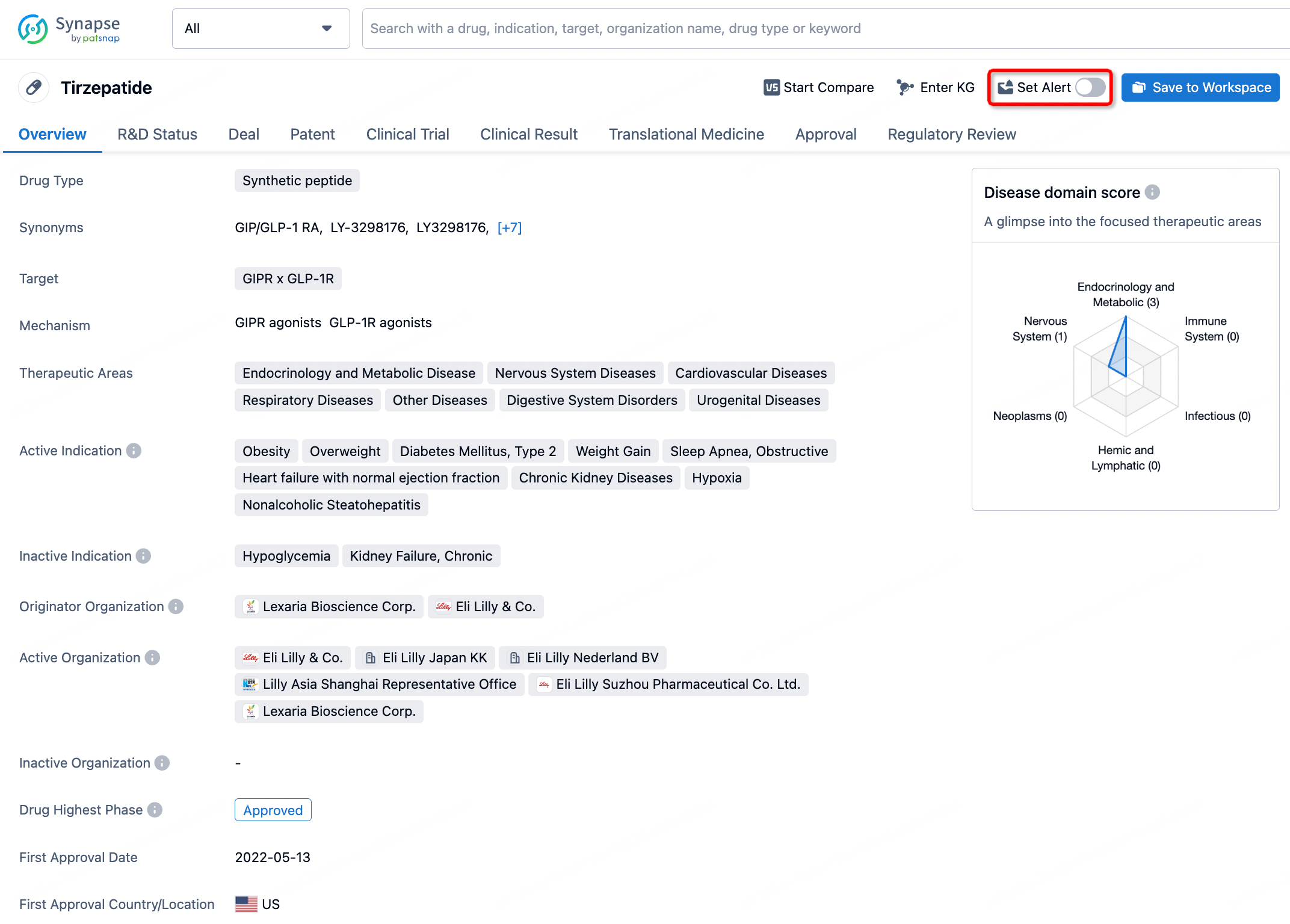
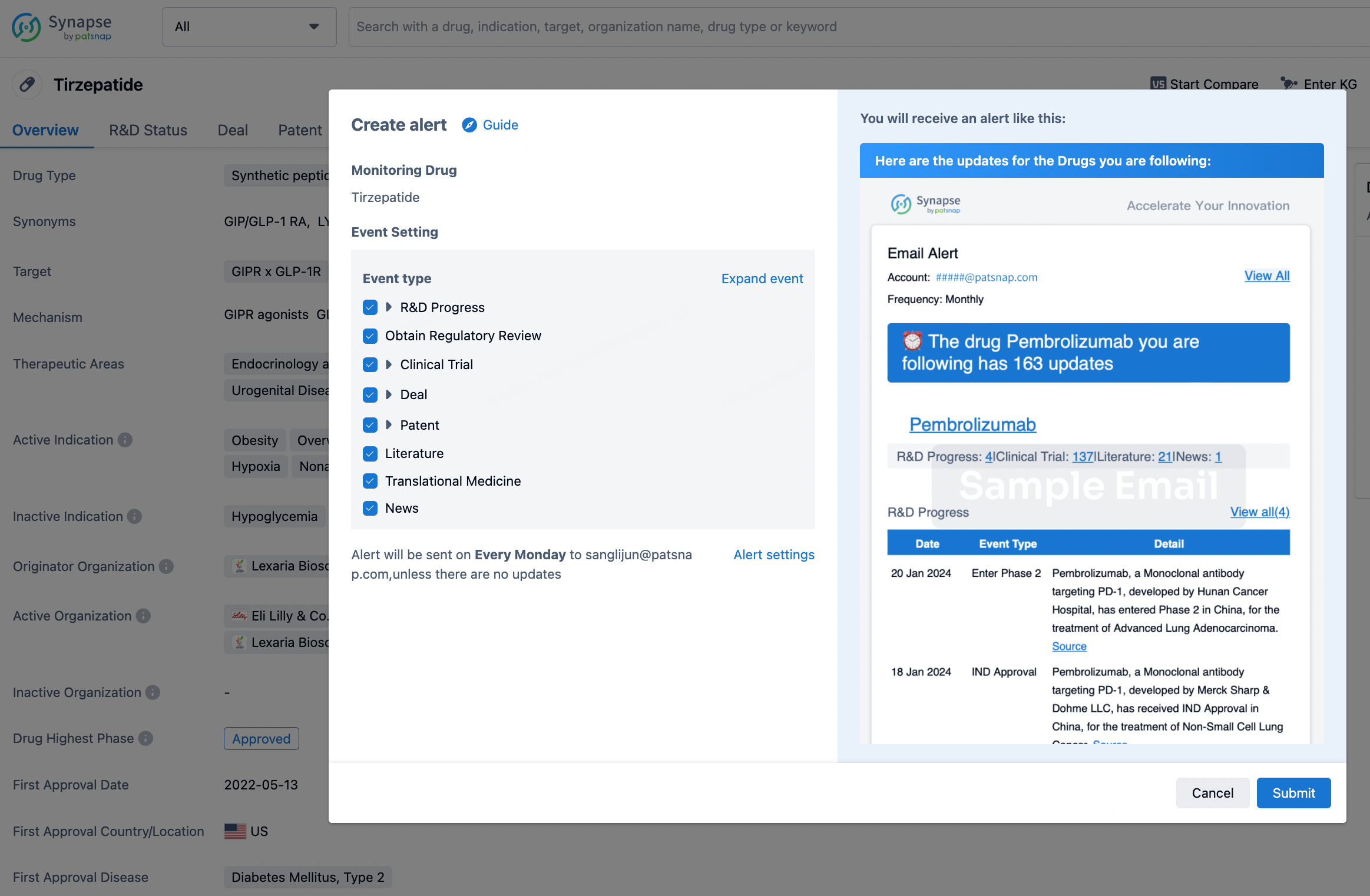
In the Synapse database, you can stay updated on the latest research and development advances of all drugs. This service is accessible anytime and anywhere, with updates available daily or weekly. Use the "Set Alert" function to stay informed. Click on the image below to embark on a brand new journey of drug discovery!
AI Agents Built for Biopharma Breakthroughs
Accelerate discovery. Empower decisions. Transform outcomes.
Get started for free today!
Accelerate Strategic R&D decision making with Synapse, PatSnap’s AI-powered Connected Innovation Intelligence Platform Built for Life Sciences Professionals.
Start your data trial now!
Synapse data is also accessible to external entities via APIs or data packages. Empower better decisions with the latest in pharmaceutical intelligence.