Request Demo
What are the side effects of HEP1?
12 July 2024
HEP1 is a medication that has been gaining attention in recent years for its efficacy in treating certain medical conditions. However, like any drug, it is important to be aware of its potential side effects. Understanding these side effects can help patients and healthcare providers make informed decisions about its use.
One of the most common side effects of HEP1 is nausea. Many patients report feeling queasy or even experiencing vomiting after taking the medication. This can sometimes be managed by taking the drug with food or adjusting the dosage, but it is crucial to consult a healthcare provider for the best approach.
Another frequently reported side effect is dizziness. Patients may feel lightheaded or unsteady, which can be particularly troublesome if they need to drive or operate machinery. This side effect is usually temporary and may diminish as the body adjusts to the medication.
Fatigue is also a notable side effect of HEP1. Patients often feel unusually tired or lack the energy to perform their daily activities. This can impact the quality of life, making it essential to monitor this symptom and discuss it with a healthcare provider.
Headaches are another common issue with HEP1. These can range from mild to severe and might require the use of over-the-counter pain relief medication. However, it is important to consult with a healthcare professional before combining medications.
Some patients experience gastrointestinal issues such as diarrhea or constipation. These side effects can be particularly uncomfortable and might require dietary adjustments or additional medications to manage. Again, it is vital to consult a healthcare provider for personalized advice.
Skin reactions like rashes or itching are also reported by some users of HEP1. These reactions can be mild or severe and may require the discontinuation of the medication if they become too problematic. A healthcare provider can suggest alternatives or treatments to alleviate these symptoms.
In rare cases, HEP1 can affect liver function. This is often detected through routine blood tests, and it is crucial to monitor liver enzymes while on this medication. If there are significant changes in liver function, a healthcare provider may recommend discontinuing the drug.
Psychological effects such as anxiety or depression have also been noted, although these are less common. It is essential to communicate any changes in mood or mental health to a healthcare provider immediately.
Lastly, allergic reactions, though rare, can occur. Symptoms might include swelling, difficulty breathing, or severe skin reactions. These require immediate medical attention and discontinuation of the medication.
In conclusion, while HEP1 can be an effective treatment for certain conditions, it comes with a range of potential side effects that patients should be aware of. Regular consultation with a healthcare provider can help manage these side effects and ensure that the benefits of the medication outweigh the risks. Always follow medical advice and report any adverse reactions promptly.
One of the most common side effects of HEP1 is nausea. Many patients report feeling queasy or even experiencing vomiting after taking the medication. This can sometimes be managed by taking the drug with food or adjusting the dosage, but it is crucial to consult a healthcare provider for the best approach.
Another frequently reported side effect is dizziness. Patients may feel lightheaded or unsteady, which can be particularly troublesome if they need to drive or operate machinery. This side effect is usually temporary and may diminish as the body adjusts to the medication.
Fatigue is also a notable side effect of HEP1. Patients often feel unusually tired or lack the energy to perform their daily activities. This can impact the quality of life, making it essential to monitor this symptom and discuss it with a healthcare provider.
Headaches are another common issue with HEP1. These can range from mild to severe and might require the use of over-the-counter pain relief medication. However, it is important to consult with a healthcare professional before combining medications.
Some patients experience gastrointestinal issues such as diarrhea or constipation. These side effects can be particularly uncomfortable and might require dietary adjustments or additional medications to manage. Again, it is vital to consult a healthcare provider for personalized advice.
Skin reactions like rashes or itching are also reported by some users of HEP1. These reactions can be mild or severe and may require the discontinuation of the medication if they become too problematic. A healthcare provider can suggest alternatives or treatments to alleviate these symptoms.
In rare cases, HEP1 can affect liver function. This is often detected through routine blood tests, and it is crucial to monitor liver enzymes while on this medication. If there are significant changes in liver function, a healthcare provider may recommend discontinuing the drug.
Psychological effects such as anxiety or depression have also been noted, although these are less common. It is essential to communicate any changes in mood or mental health to a healthcare provider immediately.
Lastly, allergic reactions, though rare, can occur. Symptoms might include swelling, difficulty breathing, or severe skin reactions. These require immediate medical attention and discontinuation of the medication.
In conclusion, while HEP1 can be an effective treatment for certain conditions, it comes with a range of potential side effects that patients should be aware of. Regular consultation with a healthcare provider can help manage these side effects and ensure that the benefits of the medication outweigh the risks. Always follow medical advice and report any adverse reactions promptly.
How to obtain the latest development progress of all drugs?
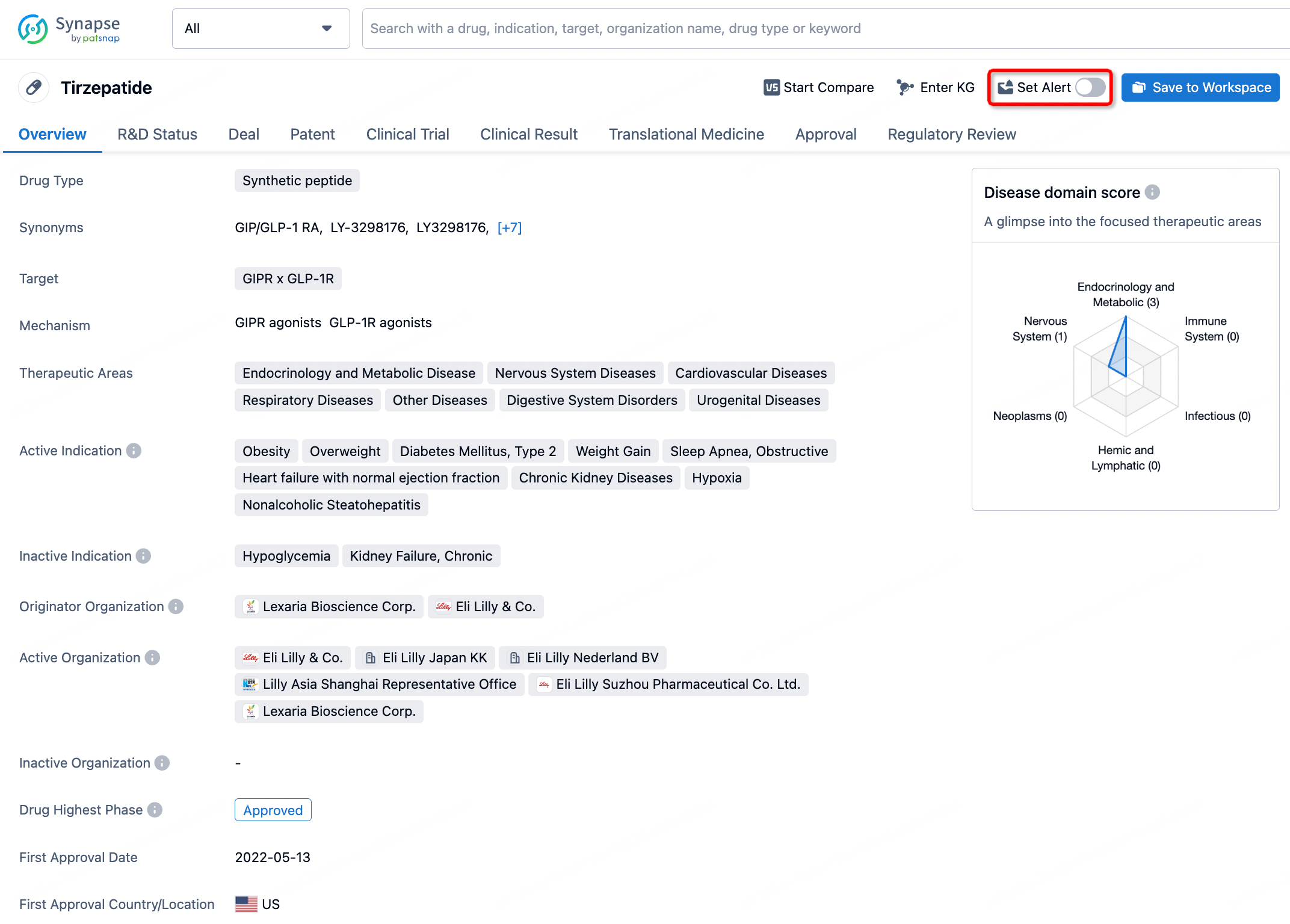
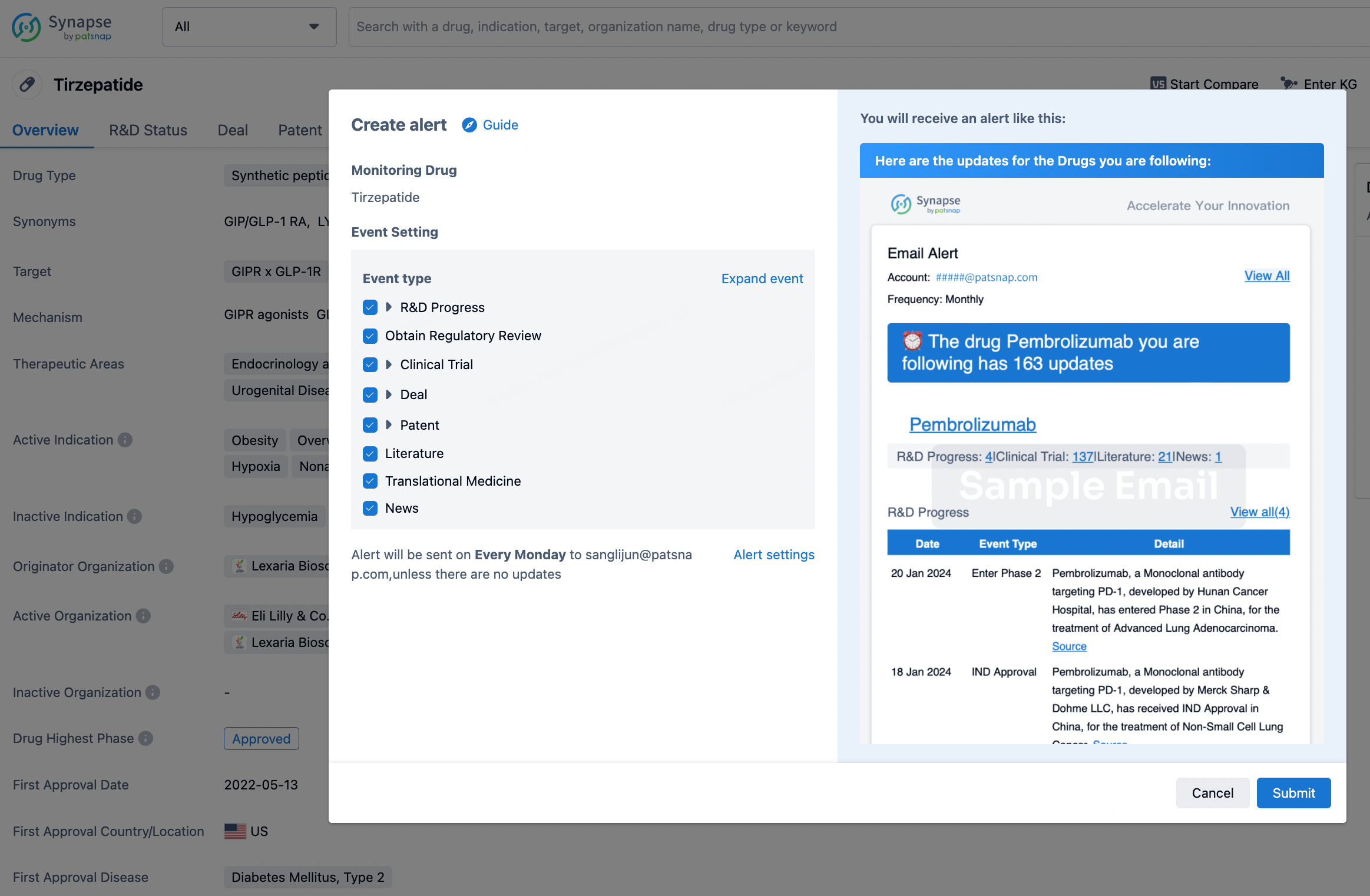
In the Synapse database, you can stay updated on the latest research and development advances of all drugs. This service is accessible anytime and anywhere, with updates available daily or weekly. Use the "Set Alert" function to stay informed. Click on the image below to embark on a brand new journey of drug discovery!

AI Agents Built for Biopharma Breakthroughs
Accelerate discovery. Empower decisions. Transform outcomes.
Get started for free today!
Accelerate Strategic R&D decision making with Synapse, PatSnap’s AI-powered Connected Innovation Intelligence Platform Built for Life Sciences Professionals.
Start your data trial now!
Synapse data is also accessible to external entities via APIs or data packages. Empower better decisions with the latest in pharmaceutical intelligence.