Request Demo
What are the side effects of Inetetamab?
15 July 2024
Inetetamab, like many medications, can come with a variety of side effects. Understanding these potential side effects is crucial for patients and healthcare providers to manage and mitigate any adverse reactions effectively. This article delves into the common and rare side effects associated with Inetetamab, providing a comprehensive overview for those considering its use or currently undergoing treatment.
Common Side Effects:
Inetetamab is known to cause a range of common side effects, most of which are typically mild to moderate in severity. These side effects often occur as the body adjusts to the medication and may diminish over time. Common side effects include:
1. **Fatigue**: Patients frequently report feeling unusually tired or weak. This type of fatigue may interfere with daily activities but is generally manageable with adequate rest and proper nutrition.
2. **Nausea and Vomiting**: Gastrointestinal disturbances such as nausea and vomiting are also common. These can often be controlled with dietary changes or anti-nausea medications prescribed by a healthcare provider.
3. **Diarrhea**: Inetetamab can cause loose or frequent bowel movements. Staying hydrated and following a suitable diet can help alleviate this symptom.
4. **Skin Reactions**: Some patients may experience skin issues such as rash, itching, or redness. These reactions are usually mild and can be treated with topical ointments or antihistamines.
5. **Infusion-related Reactions**: Since Inetetamab is often administered intravenously, some patients may experience reactions at the infusion site, such as pain, redness, or swelling. These reactions are generally temporary.
Less Common Side Effects:
While less common, there are more serious side effects that can occur with Inetetamab. Patients should be aware of these and report any concerning symptoms to their healthcare provider immediately. Less common side effects include:
1. **Cardiovascular Issues**: Inetetamab has been associated with cardiac side effects like hypertension (high blood pressure) and palpitations. Regular monitoring of heart function may be necessary during treatment.
2. **Respiratory Problems**: Some patients may experience respiratory difficulties such as shortness of breath or cough. These symptoms warrant immediate medical attention.
3. **Liver Function Alterations**: Inetetamab can affect liver enzymes, leading to potential liver function abnormalities. Regular blood tests to monitor liver function are recommended during treatment.
4. **Peripheral Neuropathy**: Some users may experience tingling, numbness, or pain in the extremities. This condition, known as peripheral neuropathy, can vary in intensity and may require dose adjustments or additional medications to manage.
5. **Allergic Reactions**: Although rare, allergic reactions to Inetetamab, such as anaphylaxis, can occur. Symptoms of an allergic reaction include hives, swelling, difficulty breathing, and dizziness. Patients experiencing these symptoms should seek emergency medical care.
Long-term Side Effects:
Long-term use of Inetetamab may lead to side effects that develop over an extended period. These can include:
1. **Bone Marrow Suppression**: Prolonged Inetetamab use can affect bone marrow function, leading to decreased production of blood cells. This condition can result in anemia, increased risk of infection, or bleeding problems.
2. **Secondary Malignancies**: There is a possibility, although rare, that long-term use of Inetetamab could increase the risk of developing secondary cancers. Continuous monitoring and regular check-ups are essential for early detection.
3. **Chronic Fatigue**: Persistent fatigue may continue for some patients even after discontinuing Inetetamab. Management strategies include physical therapy, counseling, and support from healthcare professionals.
Conclusion:
While Inetetamab offers significant therapeutic benefits, it is important to be informed about the potential side effects. Patients should maintain open communication with their healthcare providers to manage any adverse reactions effectively. Regular monitoring and proactive management can help mitigate many of the risks associated with Inetetamab, ensuring that the benefits of the medication outweigh the side effects for most patients.
Common Side Effects:
Inetetamab is known to cause a range of common side effects, most of which are typically mild to moderate in severity. These side effects often occur as the body adjusts to the medication and may diminish over time. Common side effects include:
1. **Fatigue**: Patients frequently report feeling unusually tired or weak. This type of fatigue may interfere with daily activities but is generally manageable with adequate rest and proper nutrition.
2. **Nausea and Vomiting**: Gastrointestinal disturbances such as nausea and vomiting are also common. These can often be controlled with dietary changes or anti-nausea medications prescribed by a healthcare provider.
3. **Diarrhea**: Inetetamab can cause loose or frequent bowel movements. Staying hydrated and following a suitable diet can help alleviate this symptom.
4. **Skin Reactions**: Some patients may experience skin issues such as rash, itching, or redness. These reactions are usually mild and can be treated with topical ointments or antihistamines.
5. **Infusion-related Reactions**: Since Inetetamab is often administered intravenously, some patients may experience reactions at the infusion site, such as pain, redness, or swelling. These reactions are generally temporary.
Less Common Side Effects:
While less common, there are more serious side effects that can occur with Inetetamab. Patients should be aware of these and report any concerning symptoms to their healthcare provider immediately. Less common side effects include:
1. **Cardiovascular Issues**: Inetetamab has been associated with cardiac side effects like hypertension (high blood pressure) and palpitations. Regular monitoring of heart function may be necessary during treatment.
2. **Respiratory Problems**: Some patients may experience respiratory difficulties such as shortness of breath or cough. These symptoms warrant immediate medical attention.
3. **Liver Function Alterations**: Inetetamab can affect liver enzymes, leading to potential liver function abnormalities. Regular blood tests to monitor liver function are recommended during treatment.
4. **Peripheral Neuropathy**: Some users may experience tingling, numbness, or pain in the extremities. This condition, known as peripheral neuropathy, can vary in intensity and may require dose adjustments or additional medications to manage.
5. **Allergic Reactions**: Although rare, allergic reactions to Inetetamab, such as anaphylaxis, can occur. Symptoms of an allergic reaction include hives, swelling, difficulty breathing, and dizziness. Patients experiencing these symptoms should seek emergency medical care.
Long-term Side Effects:
Long-term use of Inetetamab may lead to side effects that develop over an extended period. These can include:
1. **Bone Marrow Suppression**: Prolonged Inetetamab use can affect bone marrow function, leading to decreased production of blood cells. This condition can result in anemia, increased risk of infection, or bleeding problems.
2. **Secondary Malignancies**: There is a possibility, although rare, that long-term use of Inetetamab could increase the risk of developing secondary cancers. Continuous monitoring and regular check-ups are essential for early detection.
3. **Chronic Fatigue**: Persistent fatigue may continue for some patients even after discontinuing Inetetamab. Management strategies include physical therapy, counseling, and support from healthcare professionals.
Conclusion:
While Inetetamab offers significant therapeutic benefits, it is important to be informed about the potential side effects. Patients should maintain open communication with their healthcare providers to manage any adverse reactions effectively. Regular monitoring and proactive management can help mitigate many of the risks associated with Inetetamab, ensuring that the benefits of the medication outweigh the side effects for most patients.
How to obtain the latest development progress of all drugs?
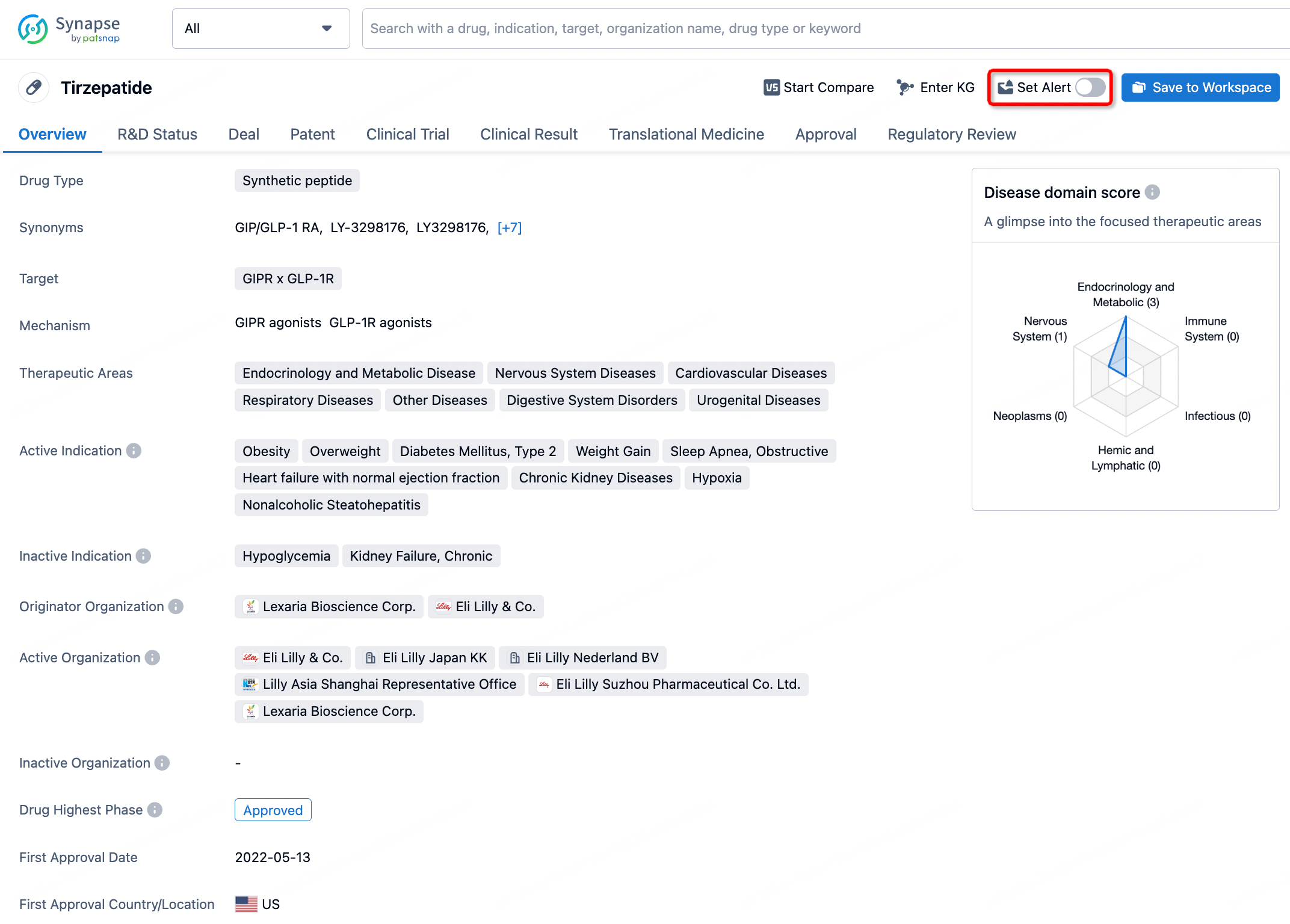
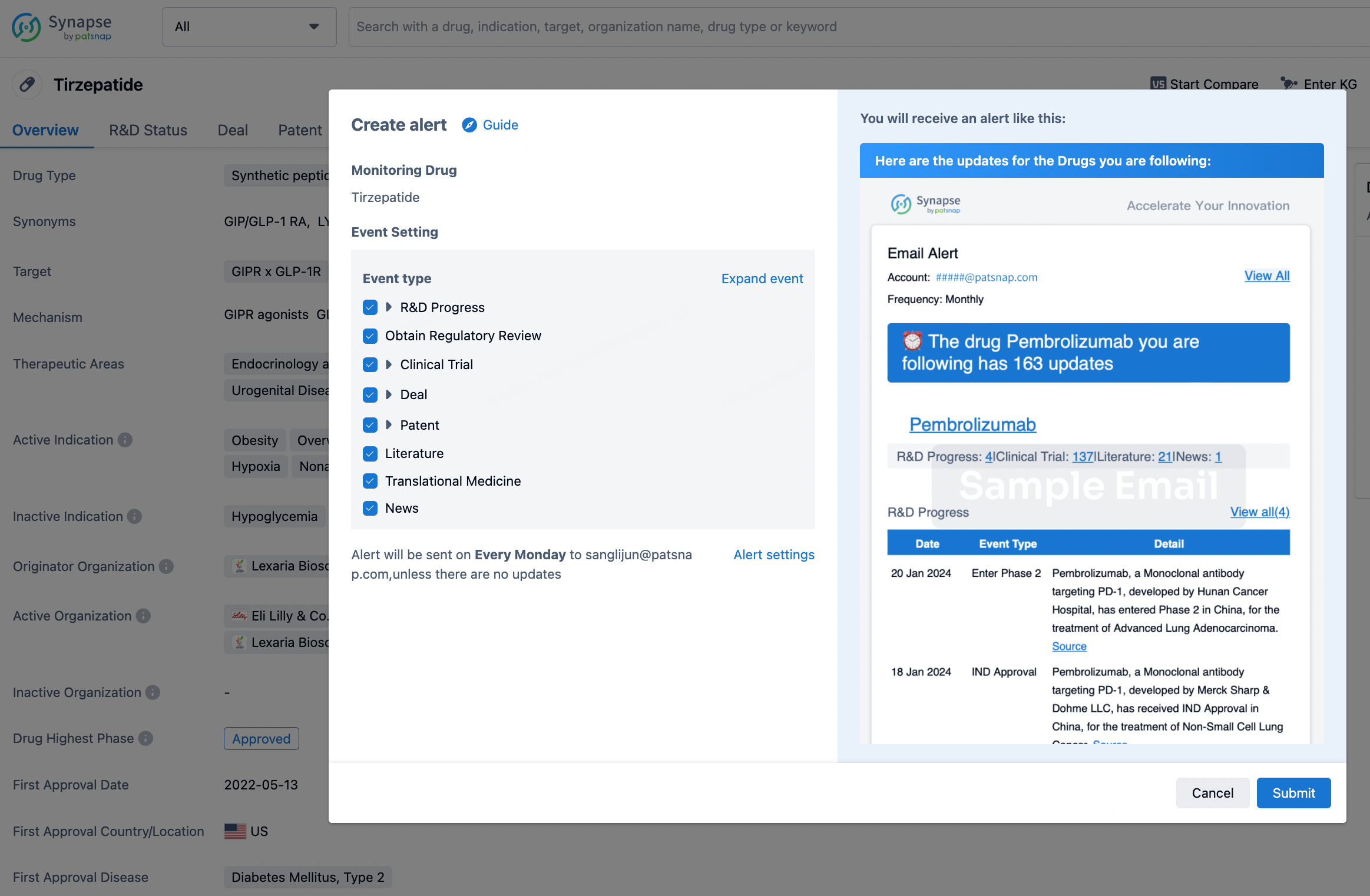
In the Synapse database, you can stay updated on the latest research and development advances of all drugs. This service is accessible anytime and anywhere, with updates available daily or weekly. Use the "Set Alert" function to stay informed. Click on the image below to embark on a brand new journey of drug discovery!

AI Agents Built for Biopharma Breakthroughs
Accelerate discovery. Empower decisions. Transform outcomes.
Get started for free today!
Accelerate Strategic R&D decision making with Synapse, PatSnap’s AI-powered Connected Innovation Intelligence Platform Built for Life Sciences Professionals.
Start your data trial now!
Synapse data is also accessible to external entities via APIs or data packages. Empower better decisions with the latest in pharmaceutical intelligence.