Request Demo
What are the side effects of Liranaftate?
12 July 2024
Liranaftate is an antifungal medication commonly used to treat skin infections such as athlete’s foot, jock itch, and ringworm. While it is generally well-tolerated, it is important to be aware of the potential side effects of Liranaftate to ensure safe and effective use.
One of the most common side effects associated with Liranaftate is skin irritation. This can manifest as redness, itching, or a burning sensation at the site of application. In most cases, these symptoms are mild and subside on their own as the body adjusts to the medication. However, if the irritation persists or becomes severe, it is crucial to discontinue use and consult a healthcare provider.
Some patients may experience an allergic reaction to Liranaftate. Signs of an allergic reaction include rash, hives, swelling, dizziness, and difficulty breathing. Although rare, an allergic reaction can be serious and requires immediate medical attention. If you suspect an allergic reaction, stop using the medication and seek emergency care.
Another potential side effect of Liranaftate is dryness or peeling of the skin. This occurs because the medication targets the fungal cells and can sometimes impact the surrounding healthy skin. Using a moisturizer may help alleviate dryness, but if the peeling becomes excessive, it is advisable to talk to a healthcare professional.
In rare instances, some individuals might experience more systemic side effects such as headache, nausea, or dizziness. These symptoms are uncommon and generally occur if the medication is absorbed through the skin in significant amounts. If you experience any of these symptoms, it is important to report them to your healthcare provider.
It is also worth noting that prolonged use of Liranaftate is not recommended, as overuse can lead to diminished effectiveness and even resistance to the medication. Always follow the prescribed duration and dosage to minimize the risk of side effects.
Certain populations, such as pregnant or breastfeeding women, should exercise caution and consult their healthcare provider before using Liranaftate. The safety of Liranaftate in these populations has not been fully established, and a healthcare provider can offer guidance tailored to individual health needs.
In conclusion, while Liranaftate is effective in treating fungal skin infections, it is not without potential side effects. Common issues like skin irritation, dryness, and peeling are usually mild, but more serious reactions such as allergies or systemic symptoms require medical attention. Always use Liranaftate as directed by a healthcare provider to ensure the best outcomes with minimal risk.
One of the most common side effects associated with Liranaftate is skin irritation. This can manifest as redness, itching, or a burning sensation at the site of application. In most cases, these symptoms are mild and subside on their own as the body adjusts to the medication. However, if the irritation persists or becomes severe, it is crucial to discontinue use and consult a healthcare provider.
Some patients may experience an allergic reaction to Liranaftate. Signs of an allergic reaction include rash, hives, swelling, dizziness, and difficulty breathing. Although rare, an allergic reaction can be serious and requires immediate medical attention. If you suspect an allergic reaction, stop using the medication and seek emergency care.
Another potential side effect of Liranaftate is dryness or peeling of the skin. This occurs because the medication targets the fungal cells and can sometimes impact the surrounding healthy skin. Using a moisturizer may help alleviate dryness, but if the peeling becomes excessive, it is advisable to talk to a healthcare professional.
In rare instances, some individuals might experience more systemic side effects such as headache, nausea, or dizziness. These symptoms are uncommon and generally occur if the medication is absorbed through the skin in significant amounts. If you experience any of these symptoms, it is important to report them to your healthcare provider.
It is also worth noting that prolonged use of Liranaftate is not recommended, as overuse can lead to diminished effectiveness and even resistance to the medication. Always follow the prescribed duration and dosage to minimize the risk of side effects.
Certain populations, such as pregnant or breastfeeding women, should exercise caution and consult their healthcare provider before using Liranaftate. The safety of Liranaftate in these populations has not been fully established, and a healthcare provider can offer guidance tailored to individual health needs.
In conclusion, while Liranaftate is effective in treating fungal skin infections, it is not without potential side effects. Common issues like skin irritation, dryness, and peeling are usually mild, but more serious reactions such as allergies or systemic symptoms require medical attention. Always use Liranaftate as directed by a healthcare provider to ensure the best outcomes with minimal risk.
How to obtain the latest development progress of all drugs?
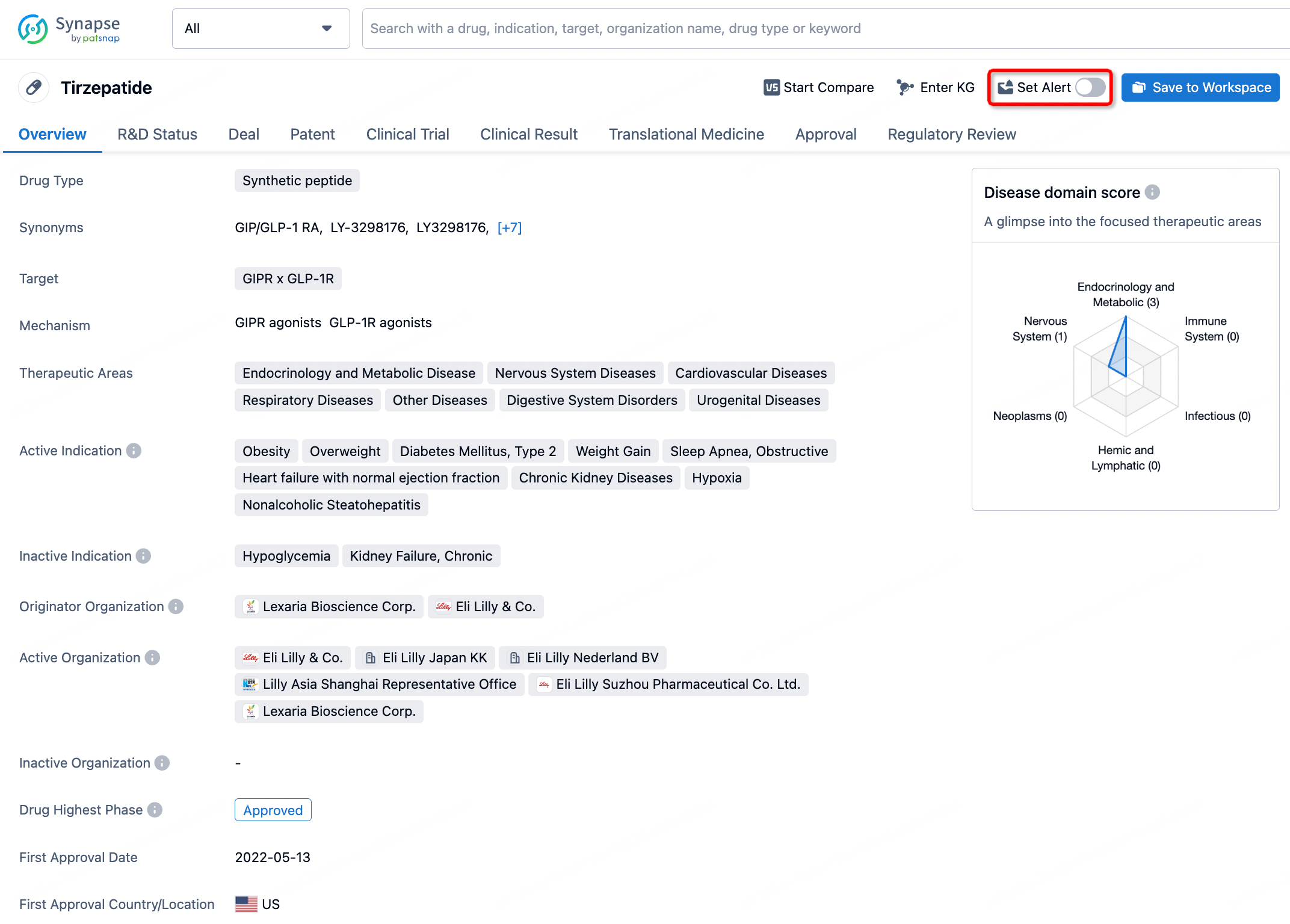
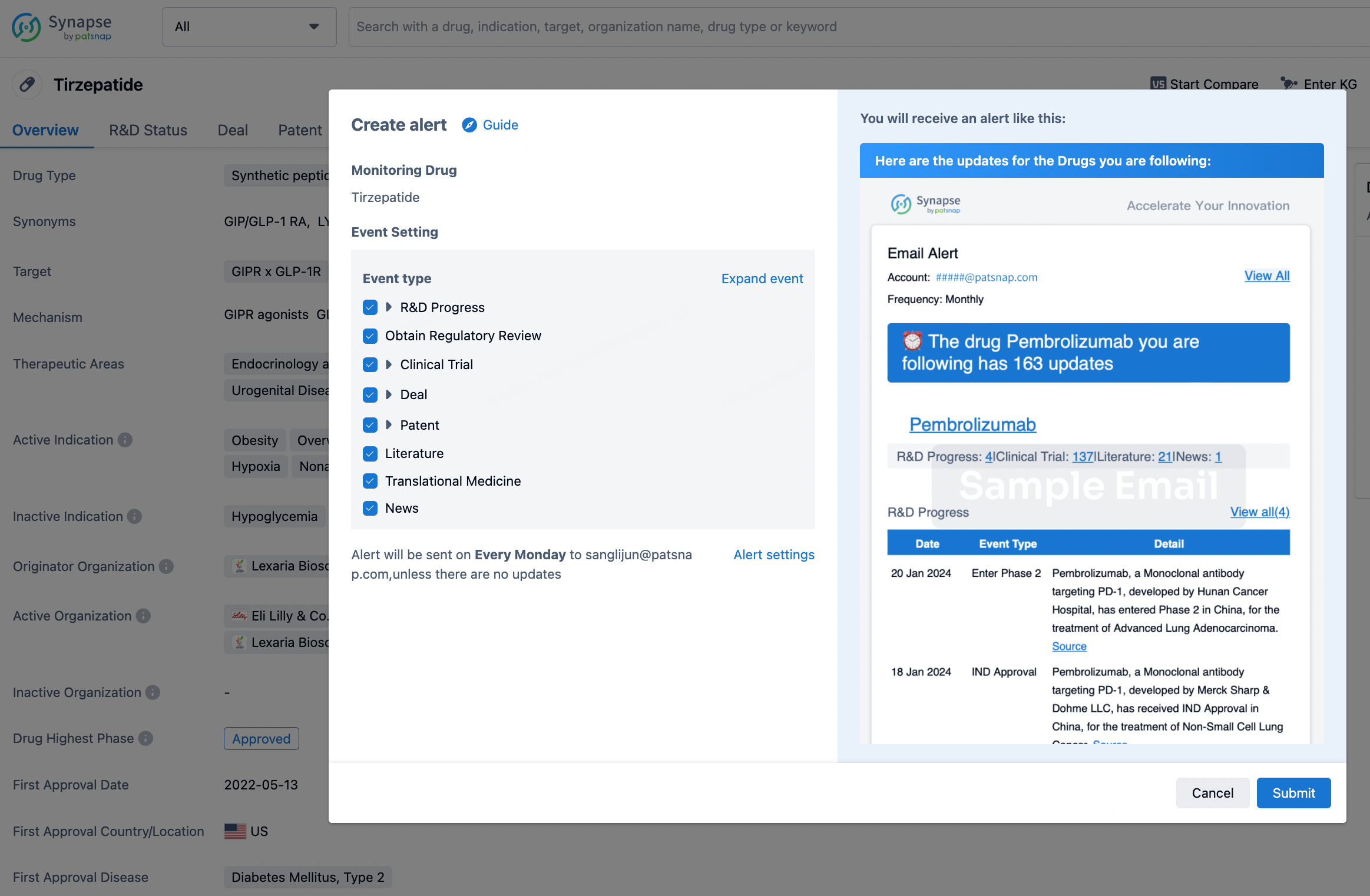
In the Synapse database, you can stay updated on the latest research and development advances of all drugs. This service is accessible anytime and anywhere, with updates available daily or weekly. Use the "Set Alert" function to stay informed. Click on the image below to embark on a brand new journey of drug discovery!

AI Agents Built for Biopharma Breakthroughs
Accelerate discovery. Empower decisions. Transform outcomes.
Get started for free today!
Accelerate Strategic R&D decision making with Synapse, PatSnap’s AI-powered Connected Innovation Intelligence Platform Built for Life Sciences Professionals.
Start your data trial now!
Synapse data is also accessible to external entities via APIs or data packages. Empower better decisions with the latest in pharmaceutical intelligence.