Request Demo
What are the side effects of Micronomicin Sulfate?
15 July 2024
Micronomicin Sulfate is an aminoglycoside antibiotic that is employed to treat various bacterial infections. While effective in targeting specific bacteria, it is crucial to be aware of the potential side effects that may accompany its use. Understanding these side effects can help patients and healthcare providers manage and mitigate any adverse reactions.
One of the most common side effects of Micronomicin Sulfate is nephrotoxicity, which refers to kidney damage. This condition can manifest as an increase in serum creatinine and blood urea nitrogen levels, indicating impaired kidney function. Patients with pre-existing kidney conditions or those receiving high doses of the medication are particularly at risk. Close monitoring of kidney function through regular blood tests is essential to detect any early signs of nephrotoxicity.
Ototoxicity is another significant concern with the use of Micronomicin Sulfate. This side effect involves damage to the inner ear, potentially leading to hearing loss or balance issues. Symptoms may include tinnitus (ringing in the ears), vertigo (a sensation of spinning), and hearing impairment. Hearing loss caused by ototoxicity can be irreversible, making it crucial for patients to report any auditory changes to their healthcare provider promptly.
Gastrointestinal disturbances are also commonly reported side effects. These can range from mild to severe and may include nausea, vomiting, diarrhea, and abdominal pain. These symptoms are typically transient and resolve once the body adjusts to the medication or upon completion of the treatment course. However, persistent or severe gastrointestinal symptoms should be reported to a healthcare provider for further evaluation.
Allergic reactions, though less common, can occur in response to Micronomicin Sulfate. Signs of an allergic reaction may include rash, itching, swelling, dizziness, and difficulty breathing. Anaphylaxis, a severe and potentially life-threatening allergic reaction, is rare but requires immediate medical intervention. Patients should seek emergency medical help if they experience any symptoms of an allergic reaction.
Neurological side effects, although infrequent, can also arise. These may include headaches, dizziness, numbness, or tingling in the extremities. In some cases, more severe neurological symptoms such as seizures or encephalopathy (brain dysfunction) may occur, particularly in patients with predisposing factors or those receiving high doses of the medication.
Micronomicin Sulfate can also affect the neuromuscular system, particularly in patients with neuromuscular disorders such as myasthenia gravis. This can result in muscle weakness and respiratory difficulties. Patients with existing neuromuscular conditions should be closely monitored, and alternative treatments should be considered when appropriate.
In conclusion, while Micronomicin Sulfate is an effective antibiotic for treating various bacterial infections, it is associated with several potential side effects. These include nephrotoxicity, ototoxicity, gastrointestinal disturbances, allergic reactions, neurological symptoms, and neuromuscular effects. Close monitoring and prompt reporting of any adverse reactions to healthcare providers are essential in managing these side effects effectively. By being aware of and addressing these side effects proactively, patients can achieve better outcomes and minimize any potential risks associated with the use of Micronomicin Sulfate.
One of the most common side effects of Micronomicin Sulfate is nephrotoxicity, which refers to kidney damage. This condition can manifest as an increase in serum creatinine and blood urea nitrogen levels, indicating impaired kidney function. Patients with pre-existing kidney conditions or those receiving high doses of the medication are particularly at risk. Close monitoring of kidney function through regular blood tests is essential to detect any early signs of nephrotoxicity.
Ototoxicity is another significant concern with the use of Micronomicin Sulfate. This side effect involves damage to the inner ear, potentially leading to hearing loss or balance issues. Symptoms may include tinnitus (ringing in the ears), vertigo (a sensation of spinning), and hearing impairment. Hearing loss caused by ototoxicity can be irreversible, making it crucial for patients to report any auditory changes to their healthcare provider promptly.
Gastrointestinal disturbances are also commonly reported side effects. These can range from mild to severe and may include nausea, vomiting, diarrhea, and abdominal pain. These symptoms are typically transient and resolve once the body adjusts to the medication or upon completion of the treatment course. However, persistent or severe gastrointestinal symptoms should be reported to a healthcare provider for further evaluation.
Allergic reactions, though less common, can occur in response to Micronomicin Sulfate. Signs of an allergic reaction may include rash, itching, swelling, dizziness, and difficulty breathing. Anaphylaxis, a severe and potentially life-threatening allergic reaction, is rare but requires immediate medical intervention. Patients should seek emergency medical help if they experience any symptoms of an allergic reaction.
Neurological side effects, although infrequent, can also arise. These may include headaches, dizziness, numbness, or tingling in the extremities. In some cases, more severe neurological symptoms such as seizures or encephalopathy (brain dysfunction) may occur, particularly in patients with predisposing factors or those receiving high doses of the medication.
Micronomicin Sulfate can also affect the neuromuscular system, particularly in patients with neuromuscular disorders such as myasthenia gravis. This can result in muscle weakness and respiratory difficulties. Patients with existing neuromuscular conditions should be closely monitored, and alternative treatments should be considered when appropriate.
In conclusion, while Micronomicin Sulfate is an effective antibiotic for treating various bacterial infections, it is associated with several potential side effects. These include nephrotoxicity, ototoxicity, gastrointestinal disturbances, allergic reactions, neurological symptoms, and neuromuscular effects. Close monitoring and prompt reporting of any adverse reactions to healthcare providers are essential in managing these side effects effectively. By being aware of and addressing these side effects proactively, patients can achieve better outcomes and minimize any potential risks associated with the use of Micronomicin Sulfate.
How to obtain the latest development progress of all drugs?
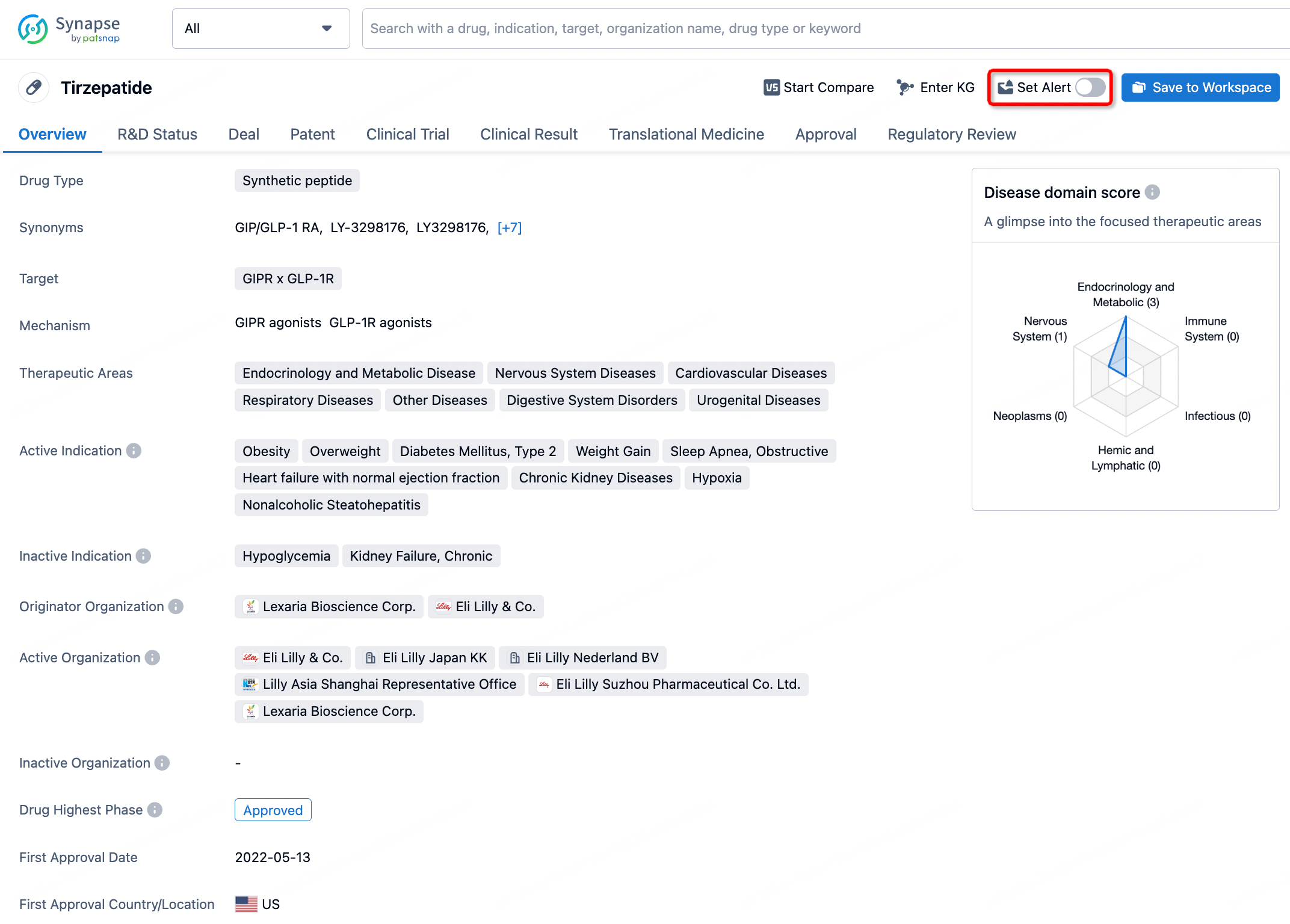
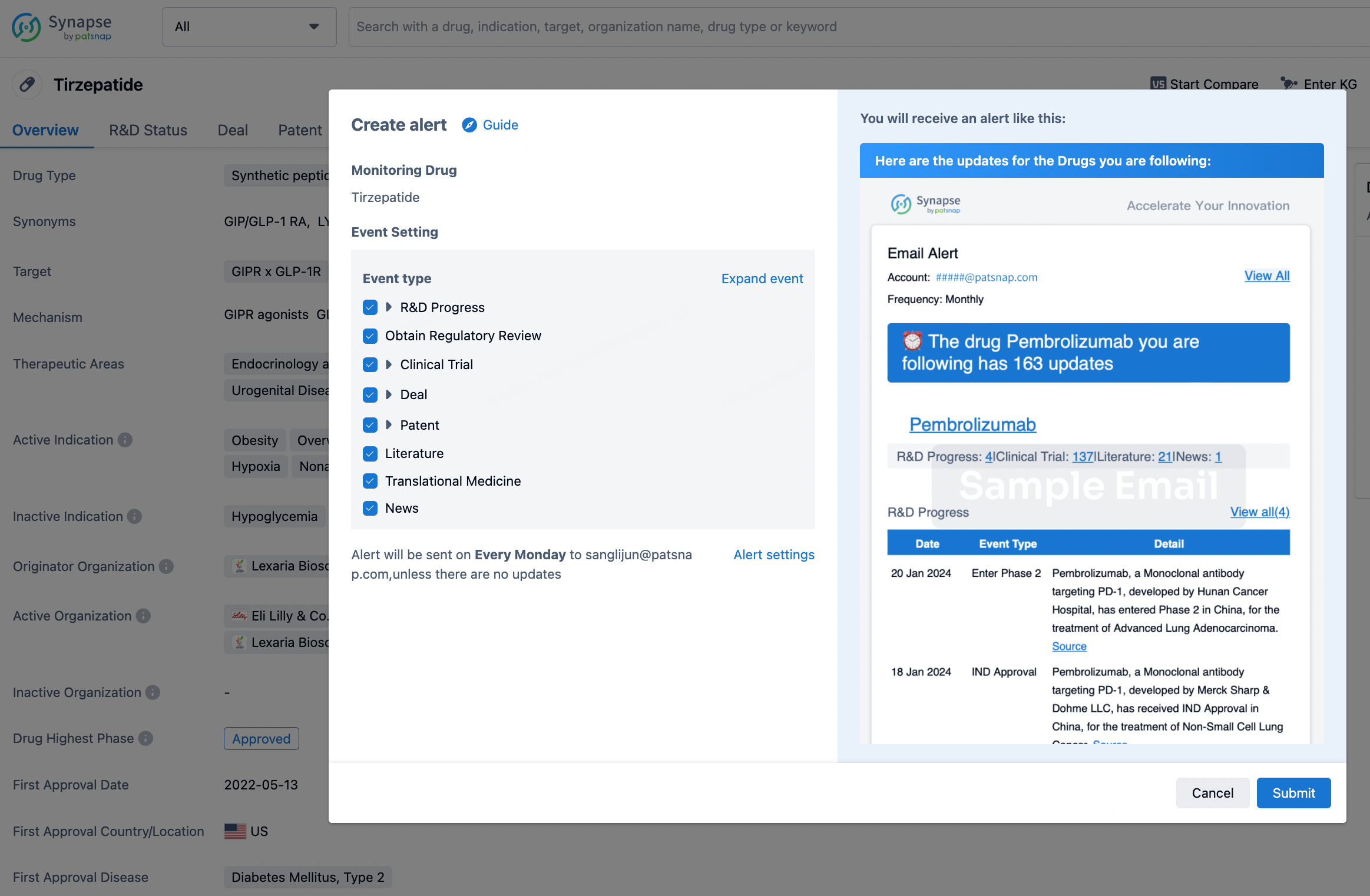
In the Synapse database, you can stay updated on the latest research and development advances of all drugs. This service is accessible anytime and anywhere, with updates available daily or weekly. Use the "Set Alert" function to stay informed. Click on the image below to embark on a brand new journey of drug discovery!

AI Agents Built for Biopharma Breakthroughs
Accelerate discovery. Empower decisions. Transform outcomes.
Get started for free today!
Accelerate Strategic R&D decision making with Synapse, PatSnap’s AI-powered Connected Innovation Intelligence Platform Built for Life Sciences Professionals.
Start your data trial now!
Synapse data is also accessible to external entities via APIs or data packages. Empower better decisions with the latest in pharmaceutical intelligence.