Request Demo
What are the side effects of Naphthoquine?
12 July 2024
Naphthoquine is an antimalarial drug that has been used to combat malaria, a life-threatening disease caused by Plasmodium parasites, which are transmitted to humans through the bites of infected Anopheles mosquitoes. While naphthoquine is effective in treating malaria, it is essential to understand its potential side effects to ensure its safe usage.
One of the most common side effects of naphthoquine is gastrointestinal distress. This can include symptoms such as nausea, vomiting, and abdominal pain. These symptoms are generally mild and tend to resolve on their own without requiring additional treatment. However, in some cases, the discomfort may be more pronounced, necessitating medical intervention.
Another potential side effect is headache. As with gastrointestinal issues, headaches are usually mild to moderate in intensity and can often be managed with over-the-counter pain relievers. However, if a headache persists or becomes severe, it is advisable to seek medical attention to rule out other underlying conditions.
Dizziness and fatigue are also reported side effects of naphthoquine. These symptoms can sometimes interfere with daily activities, making it important for individuals taking the medication to avoid activities that require alertness, such as driving or operating heavy machinery, until they know how the drug affects them.
Skin reactions, although less common, can occur in some individuals. These may manifest as rashes, itching, or other forms of dermatitis. If a severe skin reaction develops, such as blistering or peeling of the skin, it is crucial to seek immediate medical attention, as this could indicate a more serious condition.
Some patients may experience changes in their hematologic profile, such as reductions in white blood cell or platelet counts. Regular monitoring through blood tests may be necessary to detect any significant changes that could predispose individuals to infections or bleeding tendencies.
It is also important to note that allergic reactions to naphthoquine, although rare, can occur. Symptoms of an allergic reaction may include swelling of the face, lips, tongue, or throat, difficulty breathing, and severe itching. An allergic reaction is a medical emergency, and immediate medical attention should be sought.
Neurological side effects, including tremors and seizures, are very rare but can occur, especially in individuals with a history of neurological disorders. If any unusual neurological symptoms are observed, it is important to contact a healthcare provider immediately.
Liver function can be affected by naphthoquine, leading to alterations in liver enzymes. Although these changes are typically reversible upon discontinuation of the drug, patients with pre-existing liver conditions should use naphthoquine with caution. Regular liver function tests may be recommended for such individuals to monitor any potential adverse effects.
Lastly, cardiovascular effects such as changes in heart rate or blood pressure have been reported, albeit infrequently. Patients with underlying cardiovascular conditions should discuss the risks and benefits of taking naphthoquine with their healthcare provider.
In summary, while naphthoquine is an effective treatment for malaria, it is associated with a range of potential side effects that vary in severity. Common side effects include gastrointestinal distress, headaches, dizziness, and fatigue, while less common but more serious side effects might involve skin reactions, hematologic changes, allergic reactions, neurological symptoms, liver function alterations, and cardiovascular effects. It is crucial for individuals to be aware of these potential side effects and to consult with their healthcare provider to ensure that naphthoquine is a safe and appropriate treatment option for them. Regular monitoring and prompt attention to any adverse symptoms can help mitigate the risks associated with this medication.
One of the most common side effects of naphthoquine is gastrointestinal distress. This can include symptoms such as nausea, vomiting, and abdominal pain. These symptoms are generally mild and tend to resolve on their own without requiring additional treatment. However, in some cases, the discomfort may be more pronounced, necessitating medical intervention.
Another potential side effect is headache. As with gastrointestinal issues, headaches are usually mild to moderate in intensity and can often be managed with over-the-counter pain relievers. However, if a headache persists or becomes severe, it is advisable to seek medical attention to rule out other underlying conditions.
Dizziness and fatigue are also reported side effects of naphthoquine. These symptoms can sometimes interfere with daily activities, making it important for individuals taking the medication to avoid activities that require alertness, such as driving or operating heavy machinery, until they know how the drug affects them.
Skin reactions, although less common, can occur in some individuals. These may manifest as rashes, itching, or other forms of dermatitis. If a severe skin reaction develops, such as blistering or peeling of the skin, it is crucial to seek immediate medical attention, as this could indicate a more serious condition.
Some patients may experience changes in their hematologic profile, such as reductions in white blood cell or platelet counts. Regular monitoring through blood tests may be necessary to detect any significant changes that could predispose individuals to infections or bleeding tendencies.
It is also important to note that allergic reactions to naphthoquine, although rare, can occur. Symptoms of an allergic reaction may include swelling of the face, lips, tongue, or throat, difficulty breathing, and severe itching. An allergic reaction is a medical emergency, and immediate medical attention should be sought.
Neurological side effects, including tremors and seizures, are very rare but can occur, especially in individuals with a history of neurological disorders. If any unusual neurological symptoms are observed, it is important to contact a healthcare provider immediately.
Liver function can be affected by naphthoquine, leading to alterations in liver enzymes. Although these changes are typically reversible upon discontinuation of the drug, patients with pre-existing liver conditions should use naphthoquine with caution. Regular liver function tests may be recommended for such individuals to monitor any potential adverse effects.
Lastly, cardiovascular effects such as changes in heart rate or blood pressure have been reported, albeit infrequently. Patients with underlying cardiovascular conditions should discuss the risks and benefits of taking naphthoquine with their healthcare provider.
In summary, while naphthoquine is an effective treatment for malaria, it is associated with a range of potential side effects that vary in severity. Common side effects include gastrointestinal distress, headaches, dizziness, and fatigue, while less common but more serious side effects might involve skin reactions, hematologic changes, allergic reactions, neurological symptoms, liver function alterations, and cardiovascular effects. It is crucial for individuals to be aware of these potential side effects and to consult with their healthcare provider to ensure that naphthoquine is a safe and appropriate treatment option for them. Regular monitoring and prompt attention to any adverse symptoms can help mitigate the risks associated with this medication.
How to obtain the latest development progress of all drugs?
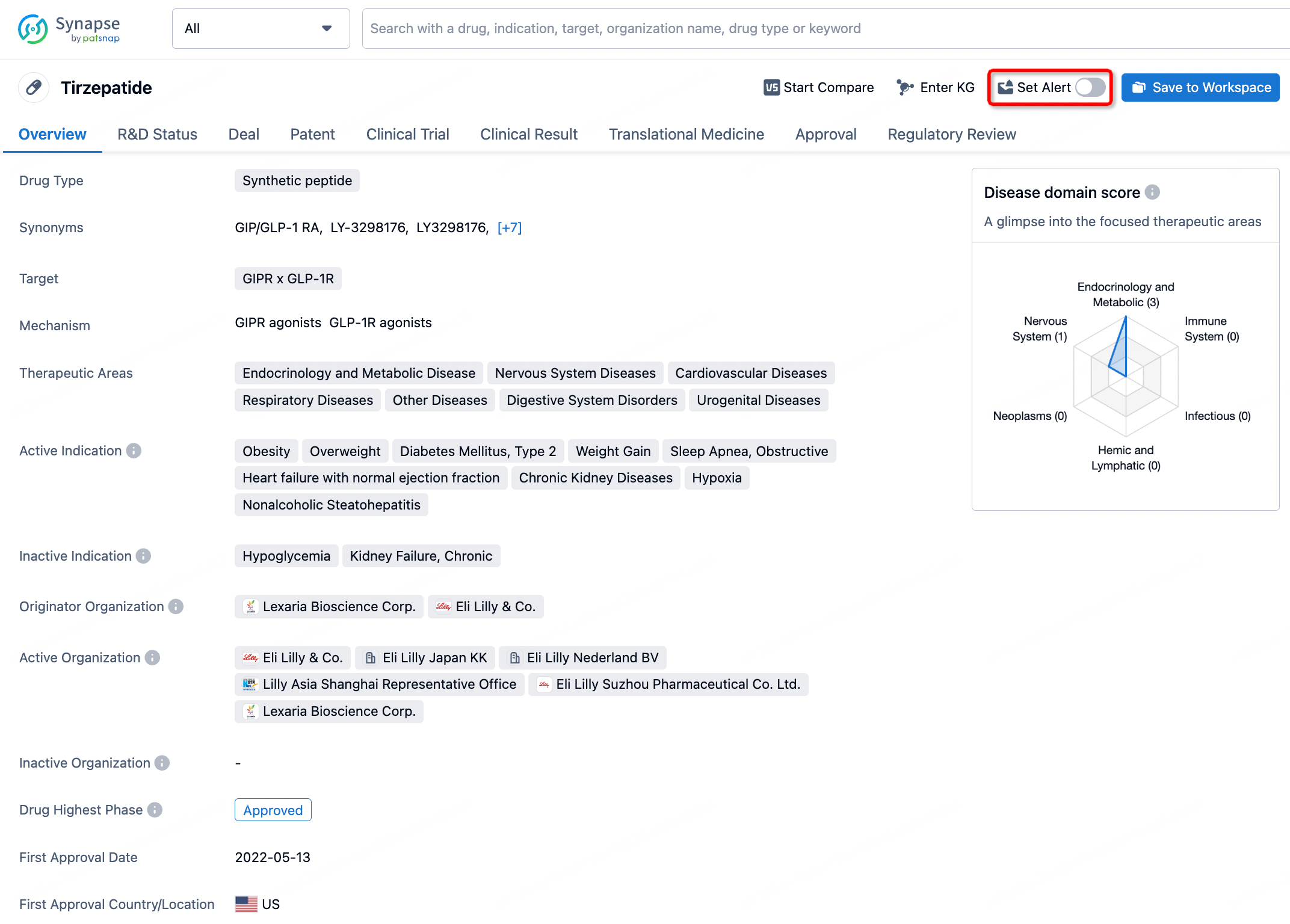
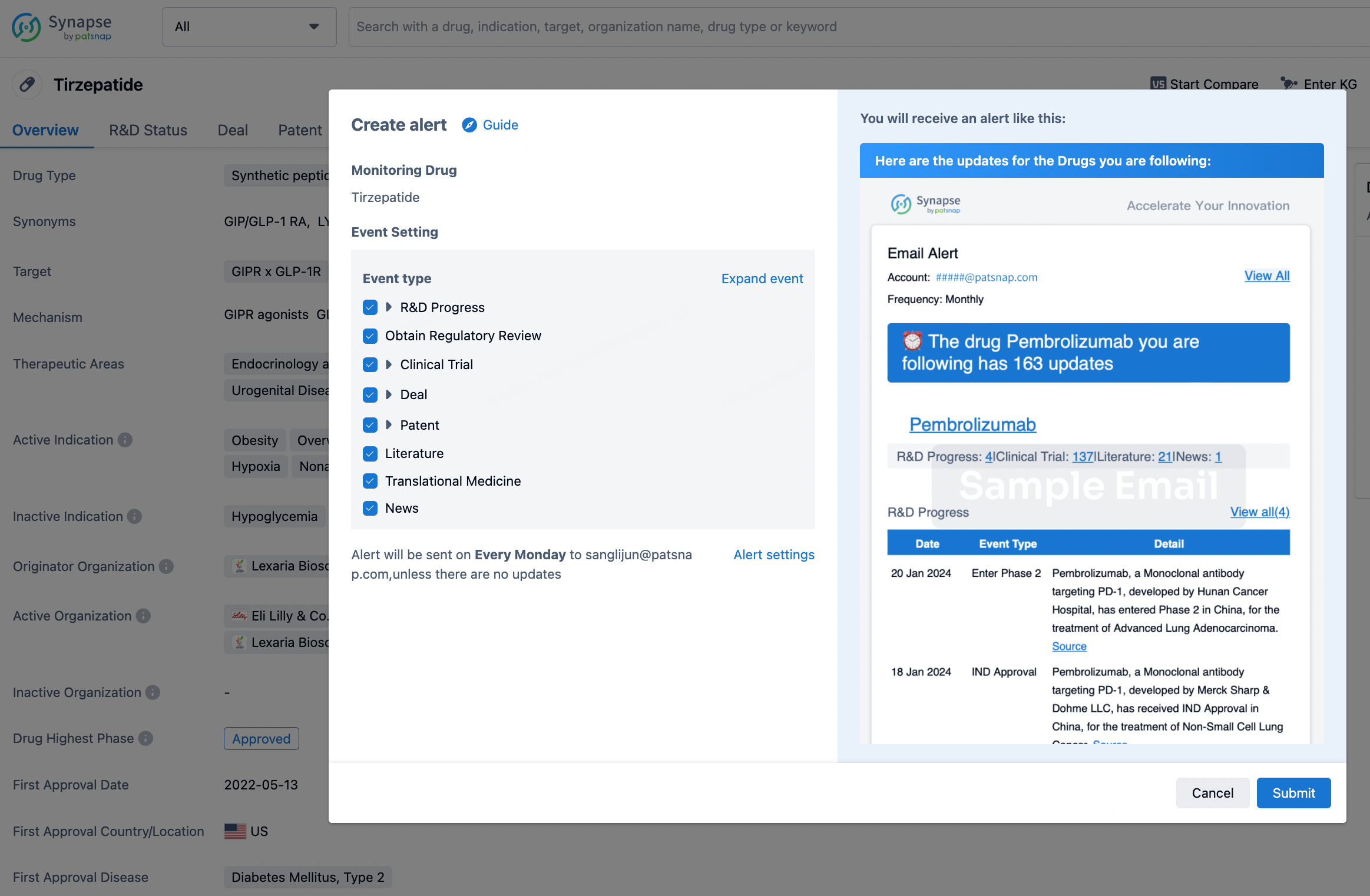
In the Synapse database, you can stay updated on the latest research and development advances of all drugs. This service is accessible anytime and anywhere, with updates available daily or weekly. Use the "Set Alert" function to stay informed. Click on the image below to embark on a brand new journey of drug discovery!
AI Agents Built for Biopharma Breakthroughs
Accelerate discovery. Empower decisions. Transform outcomes.
Get started for free today!
Accelerate Strategic R&D decision making with Synapse, PatSnap’s AI-powered Connected Innovation Intelligence Platform Built for Life Sciences Professionals.
Start your data trial now!
Synapse data is also accessible to external entities via APIs or data packages. Empower better decisions with the latest in pharmaceutical intelligence.