Request Demo
What are the side effects of Nifurtoinol?
15 July 2024
When it comes to treating urinary tract infections (UTIs), nifurtoinol is one of the medications that healthcare providers may turn to. Like any medication, nifurtoinol can bring about side effects in some patients. It is essential to understand these side effects to make informed decisions about your health and treatment plans.
Common Side Effects
Nifurtoinol can cause several common side effects, most of which are generally mild and may go away as your body adjusts to the medication. Some of the more frequently reported side effects include gastrointestinal issues such as nausea, vomiting, and diarrhea. These symptoms can often be managed by taking the medication with food or a full glass of water.
Other common side effects include headaches and dizziness. These symptoms are usually temporary, but if they persist or worsen, it is crucial to consult your healthcare provider.
Allergic Reactions
Though rare, some individuals may experience an allergic reaction to nifurtoinol. Symptoms of an allergic reaction can include rash, itching, swelling (particularly of the face, tongue, and throat), severe dizziness, and trouble breathing. It is imperative to seek immediate medical attention if you experience any of these symptoms.
Respiratory Issues
In some cases, nifurtoinol can cause respiratory problems, including shortness of breath, chest pain, and coughing. These symptoms can indicate a more severe reaction and warrant prompt medical evaluation. Patients with preexisting respiratory conditions should discuss potential risks with their healthcare provider before starting the medication.
Liver and Kidney Concerns
Long-term use of nifurtoinol has been associated with liver and kidney issues. Symptoms of liver problems can include yellowing of the skin or eyes (jaundice), dark urine, severe stomach or abdominal pain, and persistent nausea. Kidney issues may present as changes in the amount of urine produced. Regular monitoring of liver and kidney function through blood tests may be recommended for those on prolonged nifurtoinol treatment.
Peripheral Neuropathy
In very rare instances, nifurtoinol can lead to peripheral neuropathy, a condition characterized by numbness, tingling, or burning sensations, particularly in the hands and feet. If these symptoms occur, it is vital to contact your healthcare provider promptly, as early intervention can prevent further complications.
Hematologic Effects
Nifurtoinol can also affect the blood, leading to conditions such as hemolytic anemia, particularly in individuals with a genetic predisposition like glucose-6-phosphate dehydrogenase (G6PD) deficiency. Symptoms may include unusual tiredness, rapid heart rate, shortness of breath, and pale skin. Immediate medical attention is necessary if these symptoms arise.
Conclusion
Understanding the potential side effects of nifurtoinol can help you make an informed decision about its use in treating urinary tract infections. While many of these side effects are mild and manageable, some can be severe and require immediate medical attention. Always discuss any concerns or preexisting conditions with your healthcare provider to ensure that nifurtoinol is a safe and effective option for you. Monitoring your health and promptly reporting any adverse effects can help mitigate risks and ensure a safer treatment experience.
Common Side Effects
Nifurtoinol can cause several common side effects, most of which are generally mild and may go away as your body adjusts to the medication. Some of the more frequently reported side effects include gastrointestinal issues such as nausea, vomiting, and diarrhea. These symptoms can often be managed by taking the medication with food or a full glass of water.
Other common side effects include headaches and dizziness. These symptoms are usually temporary, but if they persist or worsen, it is crucial to consult your healthcare provider.
Allergic Reactions
Though rare, some individuals may experience an allergic reaction to nifurtoinol. Symptoms of an allergic reaction can include rash, itching, swelling (particularly of the face, tongue, and throat), severe dizziness, and trouble breathing. It is imperative to seek immediate medical attention if you experience any of these symptoms.
Respiratory Issues
In some cases, nifurtoinol can cause respiratory problems, including shortness of breath, chest pain, and coughing. These symptoms can indicate a more severe reaction and warrant prompt medical evaluation. Patients with preexisting respiratory conditions should discuss potential risks with their healthcare provider before starting the medication.
Liver and Kidney Concerns
Long-term use of nifurtoinol has been associated with liver and kidney issues. Symptoms of liver problems can include yellowing of the skin or eyes (jaundice), dark urine, severe stomach or abdominal pain, and persistent nausea. Kidney issues may present as changes in the amount of urine produced. Regular monitoring of liver and kidney function through blood tests may be recommended for those on prolonged nifurtoinol treatment.
Peripheral Neuropathy
In very rare instances, nifurtoinol can lead to peripheral neuropathy, a condition characterized by numbness, tingling, or burning sensations, particularly in the hands and feet. If these symptoms occur, it is vital to contact your healthcare provider promptly, as early intervention can prevent further complications.
Hematologic Effects
Nifurtoinol can also affect the blood, leading to conditions such as hemolytic anemia, particularly in individuals with a genetic predisposition like glucose-6-phosphate dehydrogenase (G6PD) deficiency. Symptoms may include unusual tiredness, rapid heart rate, shortness of breath, and pale skin. Immediate medical attention is necessary if these symptoms arise.
Conclusion
Understanding the potential side effects of nifurtoinol can help you make an informed decision about its use in treating urinary tract infections. While many of these side effects are mild and manageable, some can be severe and require immediate medical attention. Always discuss any concerns or preexisting conditions with your healthcare provider to ensure that nifurtoinol is a safe and effective option for you. Monitoring your health and promptly reporting any adverse effects can help mitigate risks and ensure a safer treatment experience.
How to obtain the latest development progress of all drugs?
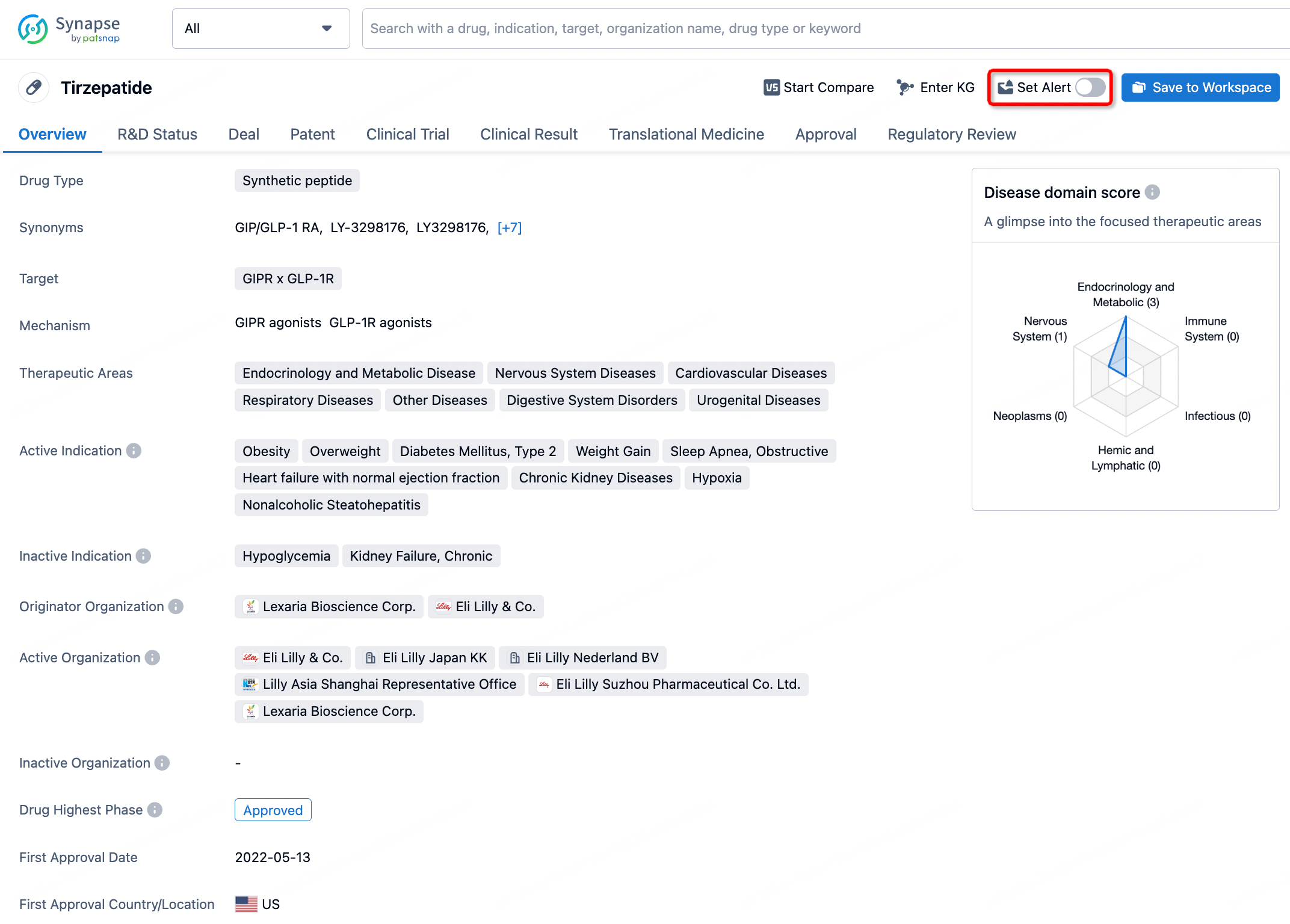
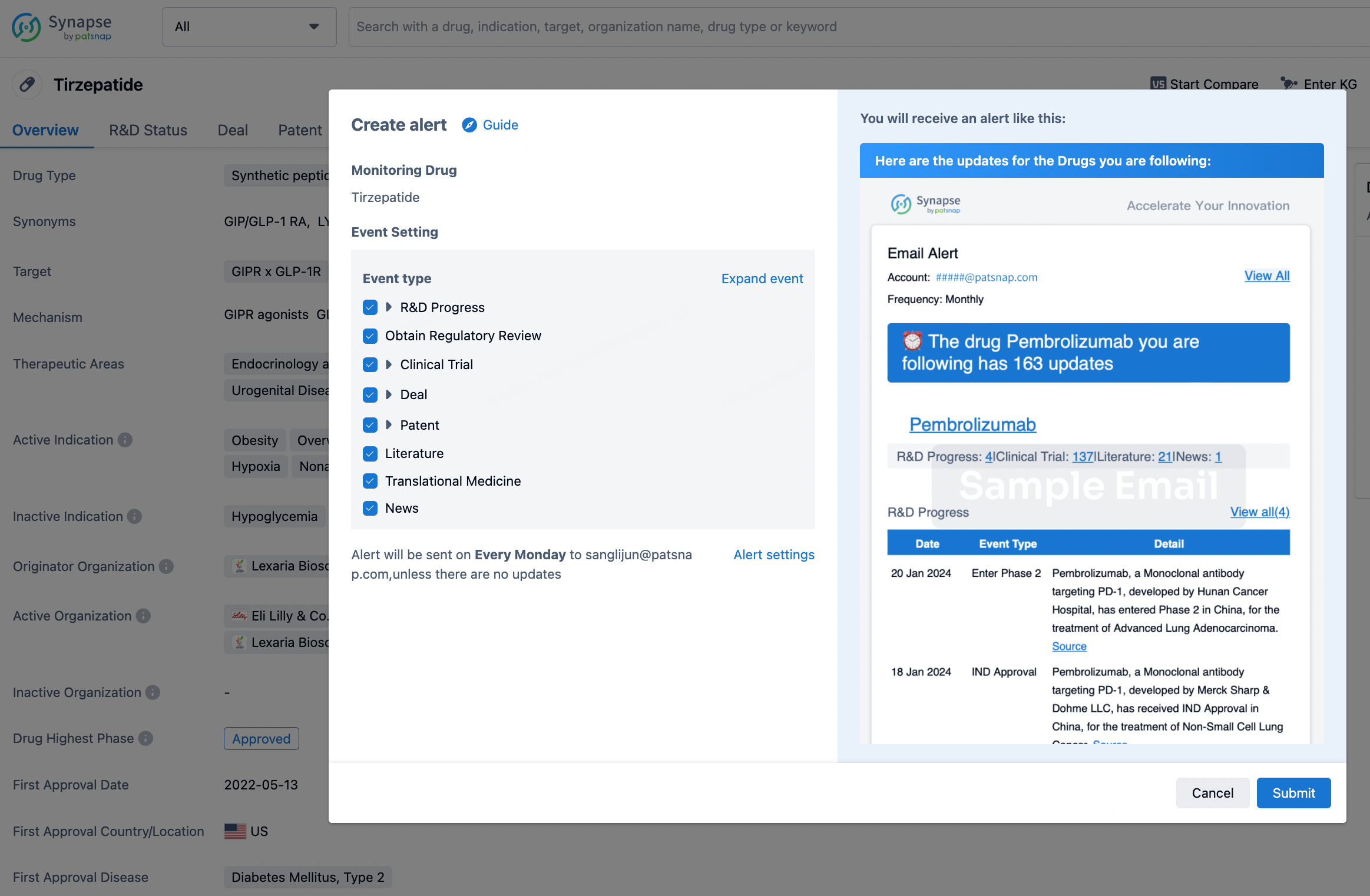
In the Synapse database, you can stay updated on the latest research and development advances of all drugs. This service is accessible anytime and anywhere, with updates available daily or weekly. Use the "Set Alert" function to stay informed. Click on the image below to embark on a brand new journey of drug discovery!
AI Agents Built for Biopharma Breakthroughs
Accelerate discovery. Empower decisions. Transform outcomes.
Get started for free today!
Accelerate Strategic R&D decision making with Synapse, PatSnap’s AI-powered Connected Innovation Intelligence Platform Built for Life Sciences Professionals.
Start your data trial now!
Synapse data is also accessible to external entities via APIs or data packages. Empower better decisions with the latest in pharmaceutical intelligence.