Request Demo
What are the side effects of Orelabrutinib?
15 July 2024
Orelabrutinib is a medication that has garnered attention for its potential in treating certain types of cancer, particularly B-cell malignancies such as chronic lymphocytic leukemia (CLL) and mantle cell lymphoma (MCL). As with any medication, it is crucial to understand not only its therapeutic benefits but also the side effects that may accompany its use. This blog will explore the common and less common side effects associated with Orelabrutinib, providing a comprehensive overview for those considering or currently undergoing treatment.
Common Side Effects
1. **Infections**: One of the most prevalent side effects of Orelabrutinib is an increased risk of infections. This is due to its mechanism of action, which involves inhibiting Bruton's tyrosine kinase (BTK), an enzyme crucial for the development and functioning of B-cells. While this inhibition is beneficial in targeting cancerous B-cells, it can also impair the immune system's ability to fight off infections.
2. **Hematological Issues**: Patients may experience anemia, neutropenia, and thrombocytopenia. Anemia is characterized by low red blood cell counts, leading to fatigue and weakness. Neutropenia, a reduction in neutrophils, increases the risk of bacterial infections. Thrombocytopenia, a decrease in platelets, can result in easy bruising and bleeding.
3. **Gastrointestinal Disturbances**: Nausea, diarrhea, and vomiting are commonly reported side effects. These gastrointestinal issues may vary in intensity and can often be managed with supportive care and medication adjustments.
4. **Fatigue**: Many patients report feeling unusually tired or weak. This fatigue can be a direct result of the medication or secondary to other side effects, such as anemia or infections.
Less Common Side Effects
1. **Cardiovascular Issues**: Although less common, some patients may experience hypertension (high blood pressure) or atrial fibrillation (an irregular heartbeat). These conditions require careful monitoring and may necessitate additional treatment.
2. **Liver Enzyme Elevations**: Orelabrutinib can cause transient increases in liver enzymes, indicating potential liver stress or damage. Regular monitoring of liver function tests is recommended to detect and manage this side effect early.
3. **Skin Reactions**: Rash and other dermatological reactions have been reported. These may range from mild to severe and can include symptoms such as itching, redness, and swelling.
4. **Respiratory Issues**: Some patients may experience cough, shortness of breath, or other respiratory symptoms. These could be related to infections or direct effects of the medication.
5. **Musculoskeletal Pain**: Joint and muscle pain are less common but noted side effects. These symptoms can often be managed with pain relievers and exercise.
Managing Side Effects
Managing the side effects of Orelabrutinib involves a multifaceted approach. Regular monitoring by healthcare professionals is essential to detect and address any adverse effects promptly. Supportive care, including medications to counteract nausea, infections, and pain, can significantly improve the patient's quality of life. Lifestyle modifications, such as maintaining a balanced diet, staying hydrated, and engaging in mild to moderate exercise, can also help mitigate some side effects.
Patients should communicate openly with their healthcare providers about any side effects they experience. Early intervention can prevent complications and improve the overall effectiveness of the treatment. Additionally, never adjust the dosage or discontinue the medication without consulting a healthcare professional, as this could adversely impact the treatment outcome.
In conclusion, while Orelabrutinib offers promising benefits for treating certain cancers, it is not without its side effects. Understanding these potential adverse effects and how to manage them is crucial for optimizing treatment and maintaining the best possible quality of life during therapy. If you or a loved one is considering or currently taking Orelabrutinib, ongoing communication with your healthcare team is key to navigating the complexities of this medication.
Common Side Effects
1. **Infections**: One of the most prevalent side effects of Orelabrutinib is an increased risk of infections. This is due to its mechanism of action, which involves inhibiting Bruton's tyrosine kinase (BTK), an enzyme crucial for the development and functioning of B-cells. While this inhibition is beneficial in targeting cancerous B-cells, it can also impair the immune system's ability to fight off infections.
2. **Hematological Issues**: Patients may experience anemia, neutropenia, and thrombocytopenia. Anemia is characterized by low red blood cell counts, leading to fatigue and weakness. Neutropenia, a reduction in neutrophils, increases the risk of bacterial infections. Thrombocytopenia, a decrease in platelets, can result in easy bruising and bleeding.
3. **Gastrointestinal Disturbances**: Nausea, diarrhea, and vomiting are commonly reported side effects. These gastrointestinal issues may vary in intensity and can often be managed with supportive care and medication adjustments.
4. **Fatigue**: Many patients report feeling unusually tired or weak. This fatigue can be a direct result of the medication or secondary to other side effects, such as anemia or infections.
Less Common Side Effects
1. **Cardiovascular Issues**: Although less common, some patients may experience hypertension (high blood pressure) or atrial fibrillation (an irregular heartbeat). These conditions require careful monitoring and may necessitate additional treatment.
2. **Liver Enzyme Elevations**: Orelabrutinib can cause transient increases in liver enzymes, indicating potential liver stress or damage. Regular monitoring of liver function tests is recommended to detect and manage this side effect early.
3. **Skin Reactions**: Rash and other dermatological reactions have been reported. These may range from mild to severe and can include symptoms such as itching, redness, and swelling.
4. **Respiratory Issues**: Some patients may experience cough, shortness of breath, or other respiratory symptoms. These could be related to infections or direct effects of the medication.
5. **Musculoskeletal Pain**: Joint and muscle pain are less common but noted side effects. These symptoms can often be managed with pain relievers and exercise.
Managing Side Effects
Managing the side effects of Orelabrutinib involves a multifaceted approach. Regular monitoring by healthcare professionals is essential to detect and address any adverse effects promptly. Supportive care, including medications to counteract nausea, infections, and pain, can significantly improve the patient's quality of life. Lifestyle modifications, such as maintaining a balanced diet, staying hydrated, and engaging in mild to moderate exercise, can also help mitigate some side effects.
Patients should communicate openly with their healthcare providers about any side effects they experience. Early intervention can prevent complications and improve the overall effectiveness of the treatment. Additionally, never adjust the dosage or discontinue the medication without consulting a healthcare professional, as this could adversely impact the treatment outcome.
In conclusion, while Orelabrutinib offers promising benefits for treating certain cancers, it is not without its side effects. Understanding these potential adverse effects and how to manage them is crucial for optimizing treatment and maintaining the best possible quality of life during therapy. If you or a loved one is considering or currently taking Orelabrutinib, ongoing communication with your healthcare team is key to navigating the complexities of this medication.
How to obtain the latest development progress of all drugs?
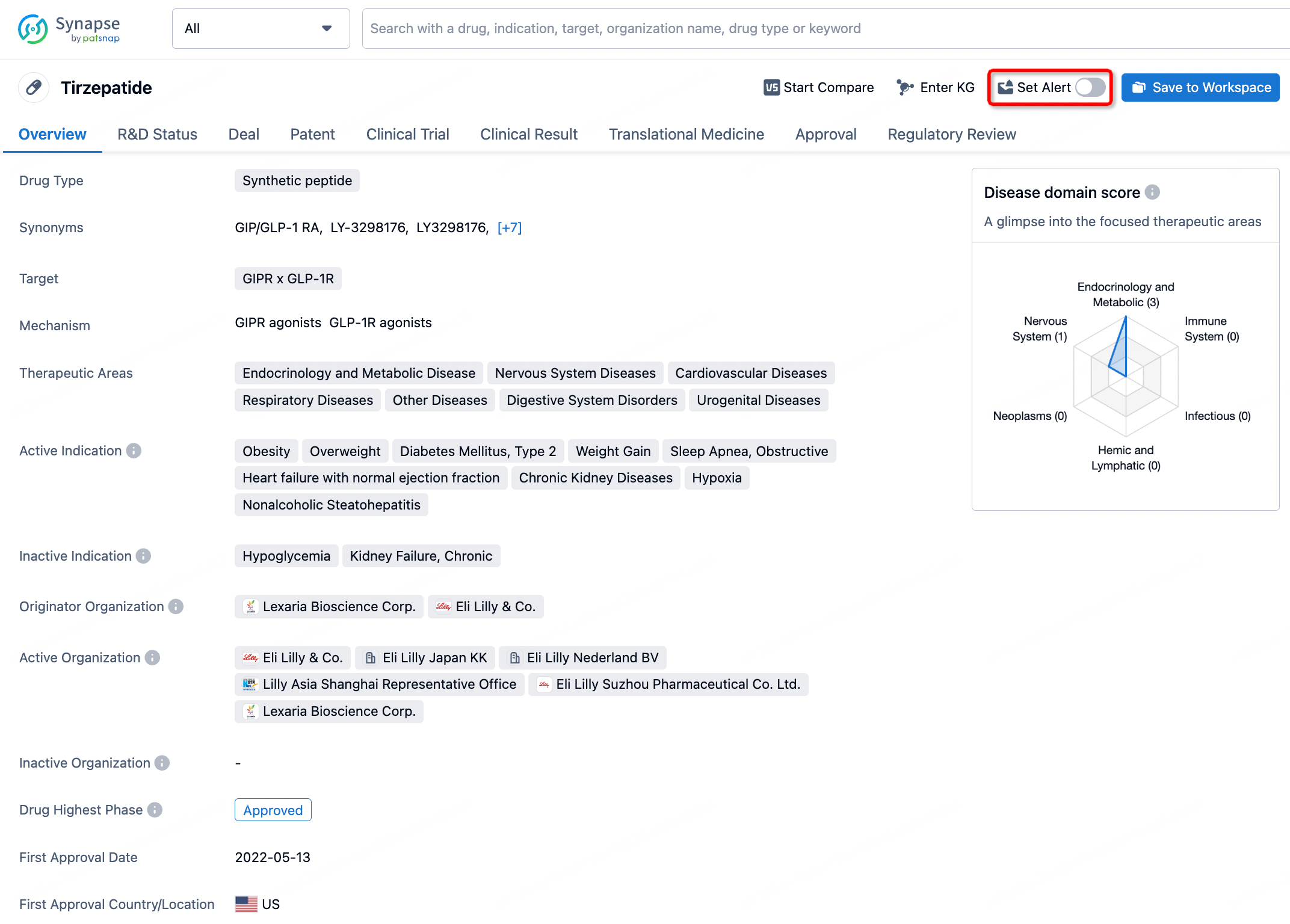
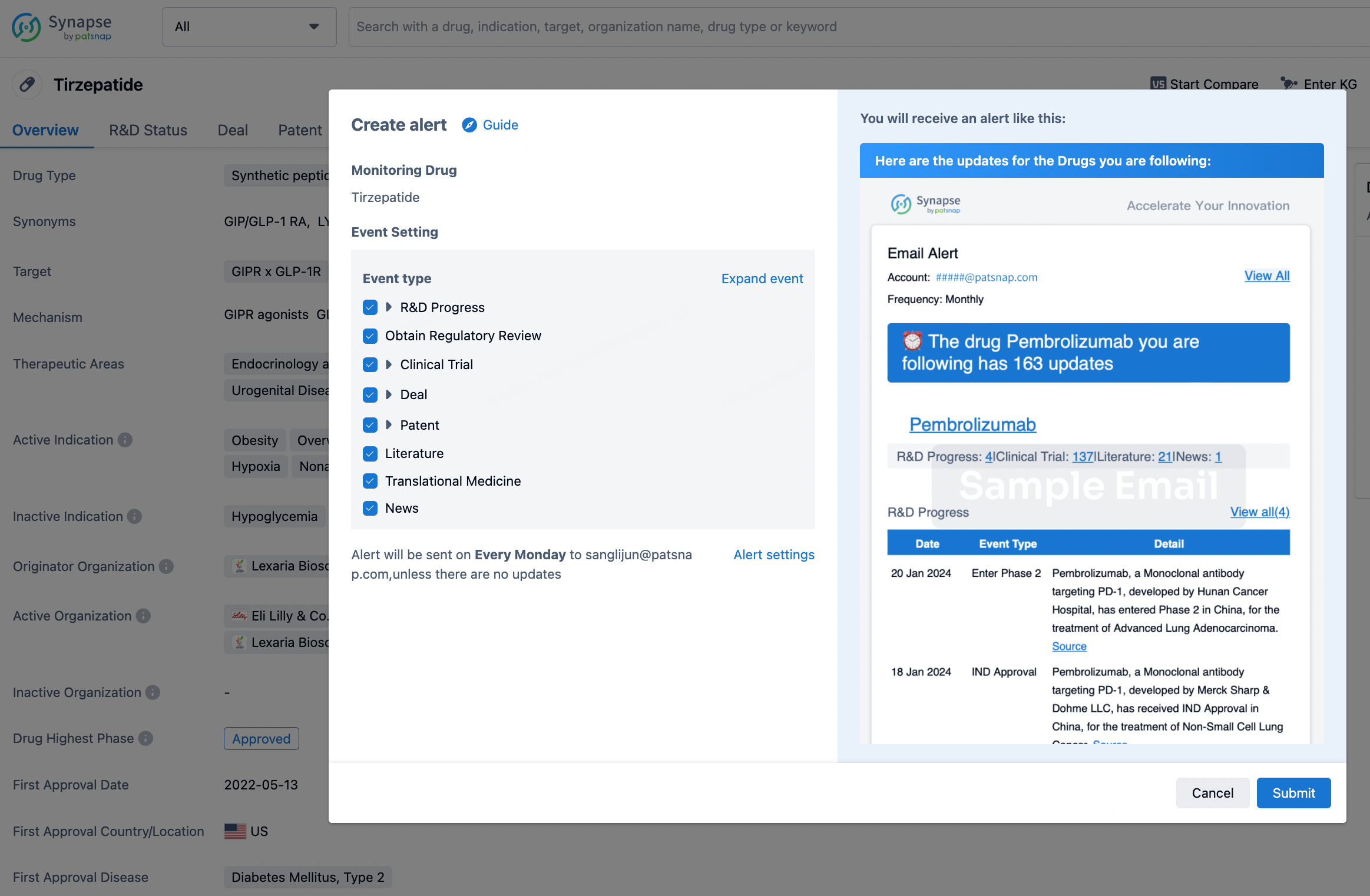
In the Synapse database, you can stay updated on the latest research and development advances of all drugs. This service is accessible anytime and anywhere, with updates available daily or weekly. Use the "Set Alert" function to stay informed. Click on the image below to embark on a brand new journey of drug discovery!

AI Agents Built for Biopharma Breakthroughs
Accelerate discovery. Empower decisions. Transform outcomes.
Get started for free today!
Accelerate Strategic R&D decision making with Synapse, PatSnap’s AI-powered Connected Innovation Intelligence Platform Built for Life Sciences Professionals.
Start your data trial now!
Synapse data is also accessible to external entities via APIs or data packages. Empower better decisions with the latest in pharmaceutical intelligence.