Request Demo
What are the side effects of Osalmid?
15 July 2024
Osalmid is a medication commonly used to relieve symptoms associated with certain liver and bile duct conditions. While it can be quite effective in managing these conditions, it is important for patients and healthcare providers to be aware of the potential side effects that may accompany its use. This blog aims to provide a comprehensive overview of the side effects associated with Osalmid.
One of the more common side effects reported with Osalmid usage is gastrointestinal discomfort. Patients may experience symptoms such as nausea, vomiting, diarrhea, or abdominal pain. These side effects are generally mild and tend to resolve on their own as the body adjusts to the medication. However, if gastrointestinal symptoms persist or become severe, it is advisable to consult a healthcare professional.
Another noteworthy side effect of Osalmid is the potential for allergic reactions. Although rare, some individuals may experience symptoms such as rash, itching, swelling, dizziness, or difficulty breathing. Allergic reactions can be serious and may require immediate medical attention. Therefore, it is crucial to seek medical help if any signs of an allergic reaction appear after taking Osalmid.
Hepatic side effects are also a concern with Osalmid. Given that the medication is used to treat liver-related conditions, it seems paradoxical, but its use can sometimes lead to liver enzyme abnormalities. Monitoring liver function through regular blood tests is advisable for individuals on long-term Osalmid therapy. Signs of liver problems include jaundice (yellowing of the skin or eyes), dark urine, severe fatigue, and pale stools. If any of these symptoms occur, discontinuing the medication and seeking medical advice is essential.
Some patients may experience neurological side effects while taking Osalmid. These can include dizziness, headaches, or a general feeling of weakness. Though these side effects are typically not severe, they can affect daily activities and quality of life. If neurological symptoms become bothersome or impair daily functioning, it is important to discuss them with a healthcare provider.
It is also worth noting that Osalmid can interact with other medications, potentially leading to an increased risk of side effects. For example, combining Osalmid with other drugs that affect liver function can amplify the risk of hepatic complications. Therefore, it is crucial to inform your healthcare provider of all medications, supplements, and herbal products you are currently taking to avoid harmful interactions.
While this blog has focused on more common and notable side effects, it is by no means exhaustive. Each individual may react differently to Osalmid, and other side effects not listed here may occur. Patients should always consult their healthcare providers for personalized medical advice tailored to their specific conditions and treatment plans.
In conclusion, while Osalmid is an effective medication for treating certain liver and bile duct conditions, it is not without its side effects. Gastrointestinal discomfort, allergic reactions, hepatic issues, and neurological symptoms are among the most commonly reported side effects. Monitoring and communication with healthcare providers are key to managing these risks effectively. Always consult your healthcare provider for any concerns or questions you may have regarding the use of Osalmid.
One of the more common side effects reported with Osalmid usage is gastrointestinal discomfort. Patients may experience symptoms such as nausea, vomiting, diarrhea, or abdominal pain. These side effects are generally mild and tend to resolve on their own as the body adjusts to the medication. However, if gastrointestinal symptoms persist or become severe, it is advisable to consult a healthcare professional.
Another noteworthy side effect of Osalmid is the potential for allergic reactions. Although rare, some individuals may experience symptoms such as rash, itching, swelling, dizziness, or difficulty breathing. Allergic reactions can be serious and may require immediate medical attention. Therefore, it is crucial to seek medical help if any signs of an allergic reaction appear after taking Osalmid.
Hepatic side effects are also a concern with Osalmid. Given that the medication is used to treat liver-related conditions, it seems paradoxical, but its use can sometimes lead to liver enzyme abnormalities. Monitoring liver function through regular blood tests is advisable for individuals on long-term Osalmid therapy. Signs of liver problems include jaundice (yellowing of the skin or eyes), dark urine, severe fatigue, and pale stools. If any of these symptoms occur, discontinuing the medication and seeking medical advice is essential.
Some patients may experience neurological side effects while taking Osalmid. These can include dizziness, headaches, or a general feeling of weakness. Though these side effects are typically not severe, they can affect daily activities and quality of life. If neurological symptoms become bothersome or impair daily functioning, it is important to discuss them with a healthcare provider.
It is also worth noting that Osalmid can interact with other medications, potentially leading to an increased risk of side effects. For example, combining Osalmid with other drugs that affect liver function can amplify the risk of hepatic complications. Therefore, it is crucial to inform your healthcare provider of all medications, supplements, and herbal products you are currently taking to avoid harmful interactions.
While this blog has focused on more common and notable side effects, it is by no means exhaustive. Each individual may react differently to Osalmid, and other side effects not listed here may occur. Patients should always consult their healthcare providers for personalized medical advice tailored to their specific conditions and treatment plans.
In conclusion, while Osalmid is an effective medication for treating certain liver and bile duct conditions, it is not without its side effects. Gastrointestinal discomfort, allergic reactions, hepatic issues, and neurological symptoms are among the most commonly reported side effects. Monitoring and communication with healthcare providers are key to managing these risks effectively. Always consult your healthcare provider for any concerns or questions you may have regarding the use of Osalmid.
How to obtain the latest development progress of all drugs?
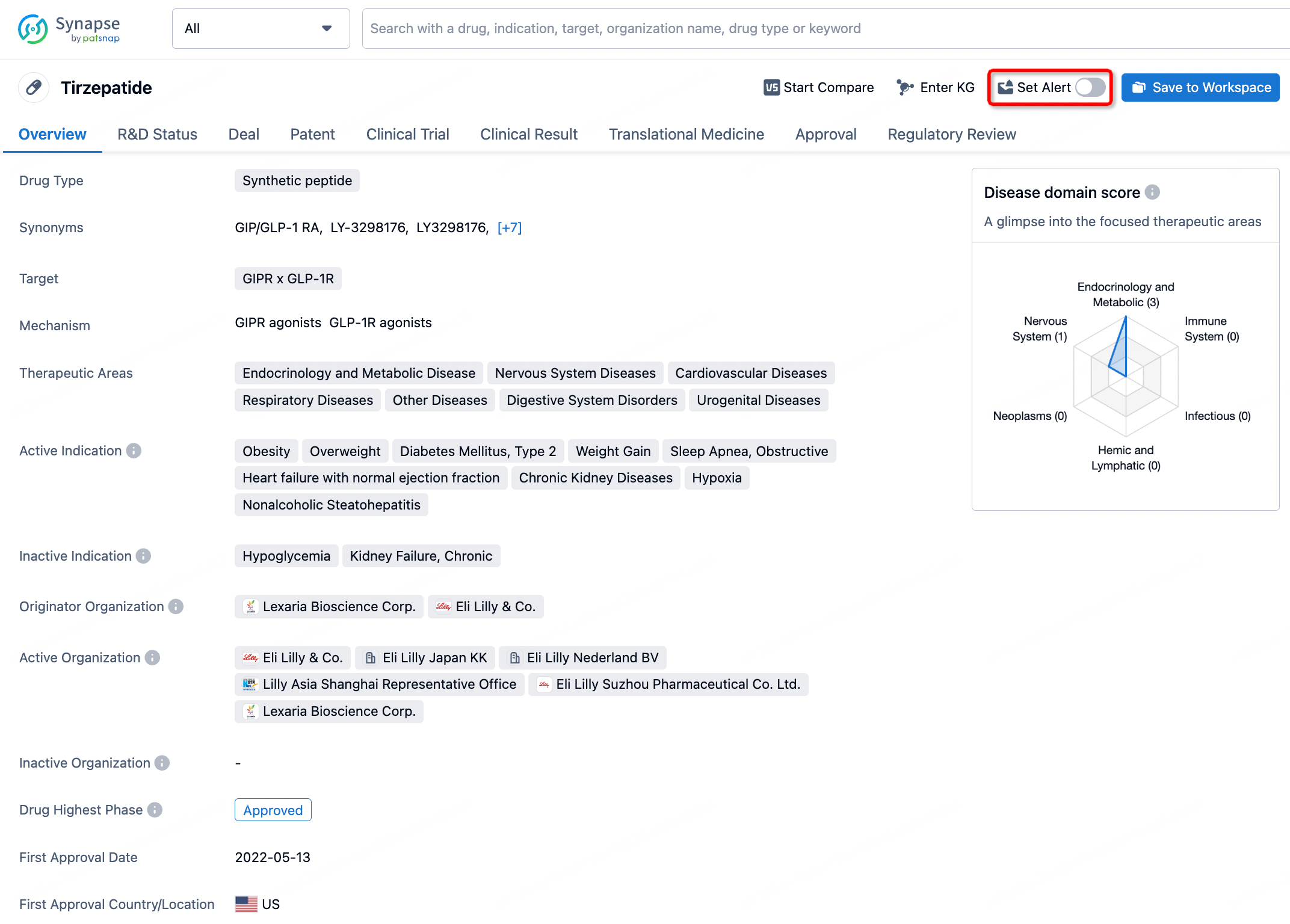
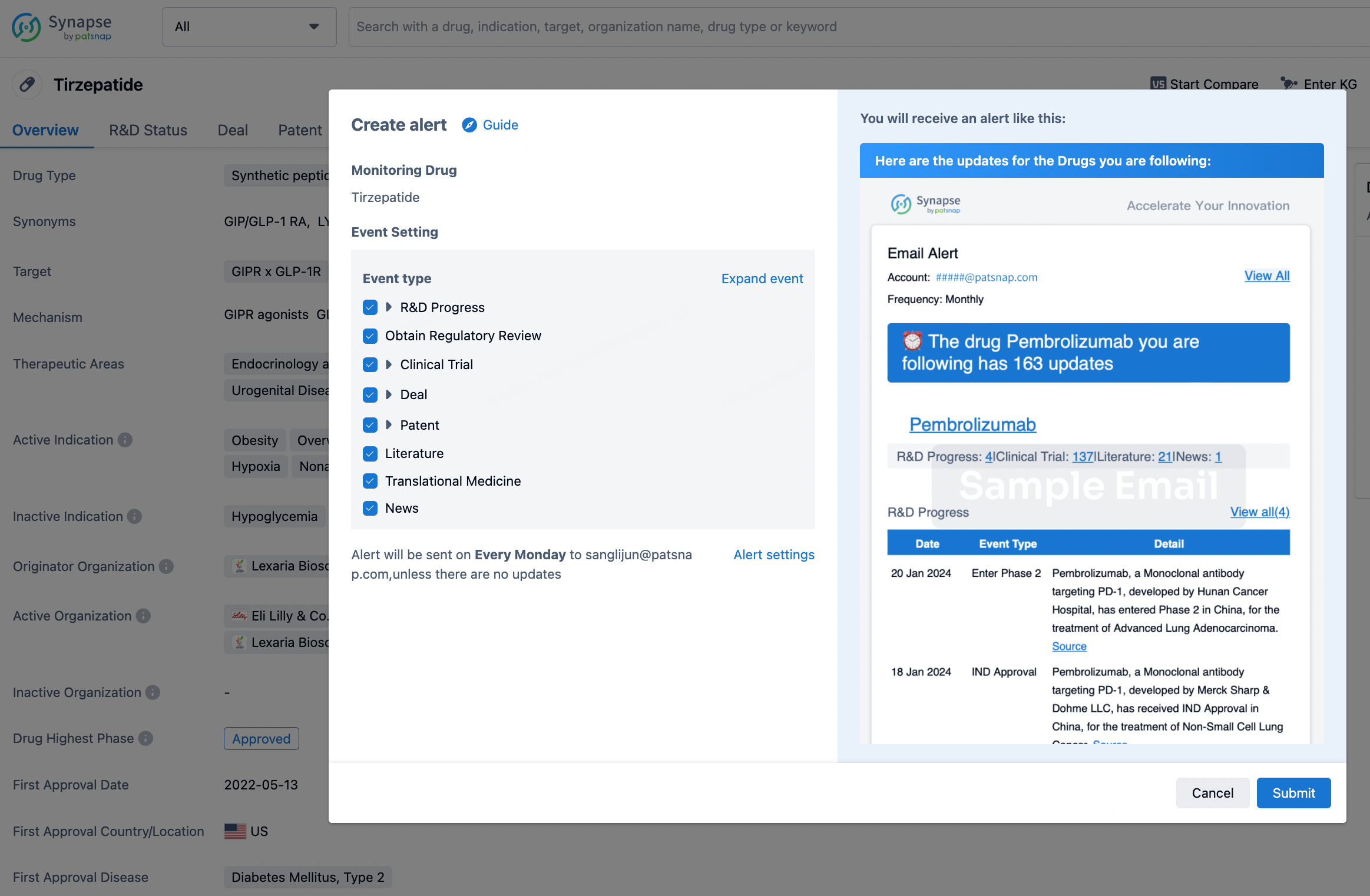
In the Synapse database, you can stay updated on the latest research and development advances of all drugs. This service is accessible anytime and anywhere, with updates available daily or weekly. Use the "Set Alert" function to stay informed. Click on the image below to embark on a brand new journey of drug discovery!

AI Agents Built for Biopharma Breakthroughs
Accelerate discovery. Empower decisions. Transform outcomes.
Get started for free today!
Accelerate Strategic R&D decision making with Synapse, PatSnap’s AI-powered Connected Innovation Intelligence Platform Built for Life Sciences Professionals.
Start your data trial now!
Synapse data is also accessible to external entities via APIs or data packages. Empower better decisions with the latest in pharmaceutical intelligence.