Request Demo
What are the side effects of Oxyphenonium Bromide?
15 July 2024
Oxyphenonium Bromide is an anticholinergic medication that is often prescribed to manage gastrointestinal conditions such as irritable bowel syndrome and peptic ulcers. While this medication can offer significant relief for these conditions, it is important to be aware of the potential side effects associated with its use.
One of the most common side effects of Oxyphenonium Bromide is dry mouth. This occurs because the medication reduces the secretion of saliva. While dry mouth can be a minor inconvenience for some, it can also lead to more serious dental issues if not properly managed. Patients are advised to stay hydrated and maintain good oral hygiene to mitigate this side effect.
Blurred vision is another frequent side effect. Oxyphenonium Bromide can affect the muscles in the eyes, making it difficult for some people to focus. This can interfere with daily activities such as reading or driving. If you experience significant changes in your vision, it is important to consult your healthcare provider for advice.
Constipation is also a potential side effect due to the anticholinergic properties of the drug, which can slow down the movement of the gastrointestinal tract. Patients are often advised to increase their fiber intake and stay hydrated to help manage this side effect.
Some individuals might experience urinary retention. This occurs when the medication affects the muscles responsible for emptying the bladder. If you find it difficult to urinate or feel that you cannot completely empty your bladder, it is crucial to seek medical attention promptly.
Oxyphenonium Bromide can also cause an increase in heart rate, a condition known as tachycardia. This can be particularly concerning for individuals with pre-existing heart conditions. Any significant changes in heart rate should be reported to a healthcare professional immediately.
Drowsiness and dizziness are other potential side effects. These can affect an individual's ability to perform tasks that require full attention and coordination, such as driving or operating machinery. If you experience these symptoms, it is advisable to refrain from engaging in such activities until you are certain of how the medication affects you.
Some people may experience allergic reactions to Oxyphenonium Bromide. Symptoms of an allergic reaction can include rash, itching, swelling, severe dizziness, and difficulty breathing. If any of these symptoms occur, it is critical to seek emergency medical care.
Mental and mood changes, such as confusion, agitation, or hallucinations, can also occur, particularly in elderly patients. These side effects should be promptly reported to a healthcare provider for appropriate management.
Dry eyes and sensitivity to light are additional side effects that can affect daily comfort and functioning. Using lubricating eye drops and wearing sunglasses when outdoors can help alleviate these symptoms.
In rare cases, Oxyphenonium Bromide can cause more severe gastrointestinal issues, such as paralytic ileus, where the intestines become paralyzed and do not move food through efficiently. This is a serious condition that requires immediate medical attention.
While Oxyphenonium Bromide can be very effective in managing certain gastrointestinal conditions, it is essential to be aware of its potential side effects. Always follow your healthcare provider's instructions and report any adverse effects you experience. This will help ensure that the medication is used safely and effectively to improve your quality of life.
One of the most common side effects of Oxyphenonium Bromide is dry mouth. This occurs because the medication reduces the secretion of saliva. While dry mouth can be a minor inconvenience for some, it can also lead to more serious dental issues if not properly managed. Patients are advised to stay hydrated and maintain good oral hygiene to mitigate this side effect.
Blurred vision is another frequent side effect. Oxyphenonium Bromide can affect the muscles in the eyes, making it difficult for some people to focus. This can interfere with daily activities such as reading or driving. If you experience significant changes in your vision, it is important to consult your healthcare provider for advice.
Constipation is also a potential side effect due to the anticholinergic properties of the drug, which can slow down the movement of the gastrointestinal tract. Patients are often advised to increase their fiber intake and stay hydrated to help manage this side effect.
Some individuals might experience urinary retention. This occurs when the medication affects the muscles responsible for emptying the bladder. If you find it difficult to urinate or feel that you cannot completely empty your bladder, it is crucial to seek medical attention promptly.
Oxyphenonium Bromide can also cause an increase in heart rate, a condition known as tachycardia. This can be particularly concerning for individuals with pre-existing heart conditions. Any significant changes in heart rate should be reported to a healthcare professional immediately.
Drowsiness and dizziness are other potential side effects. These can affect an individual's ability to perform tasks that require full attention and coordination, such as driving or operating machinery. If you experience these symptoms, it is advisable to refrain from engaging in such activities until you are certain of how the medication affects you.
Some people may experience allergic reactions to Oxyphenonium Bromide. Symptoms of an allergic reaction can include rash, itching, swelling, severe dizziness, and difficulty breathing. If any of these symptoms occur, it is critical to seek emergency medical care.
Mental and mood changes, such as confusion, agitation, or hallucinations, can also occur, particularly in elderly patients. These side effects should be promptly reported to a healthcare provider for appropriate management.
Dry eyes and sensitivity to light are additional side effects that can affect daily comfort and functioning. Using lubricating eye drops and wearing sunglasses when outdoors can help alleviate these symptoms.
In rare cases, Oxyphenonium Bromide can cause more severe gastrointestinal issues, such as paralytic ileus, where the intestines become paralyzed and do not move food through efficiently. This is a serious condition that requires immediate medical attention.
While Oxyphenonium Bromide can be very effective in managing certain gastrointestinal conditions, it is essential to be aware of its potential side effects. Always follow your healthcare provider's instructions and report any adverse effects you experience. This will help ensure that the medication is used safely and effectively to improve your quality of life.
How to obtain the latest development progress of all drugs?
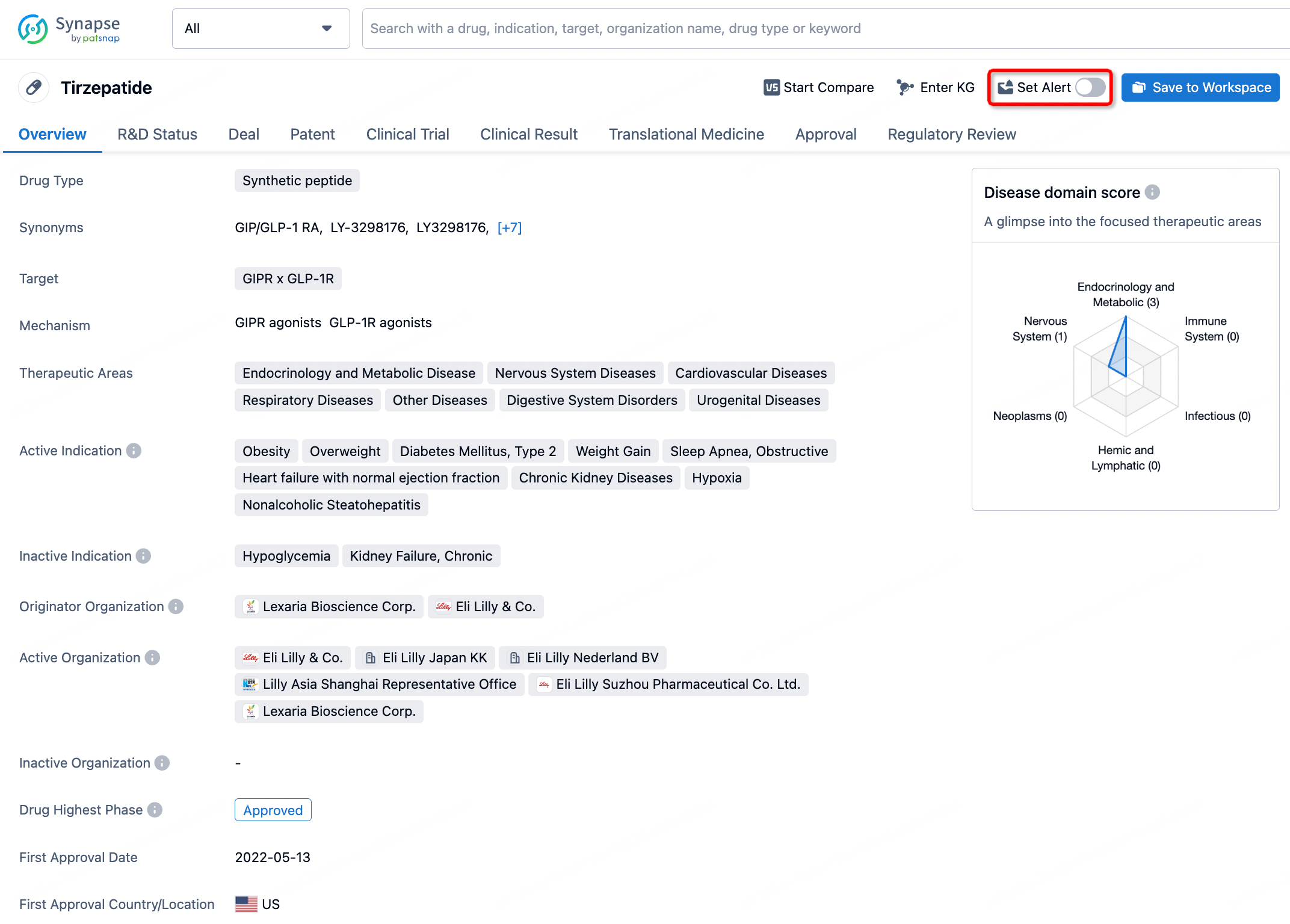
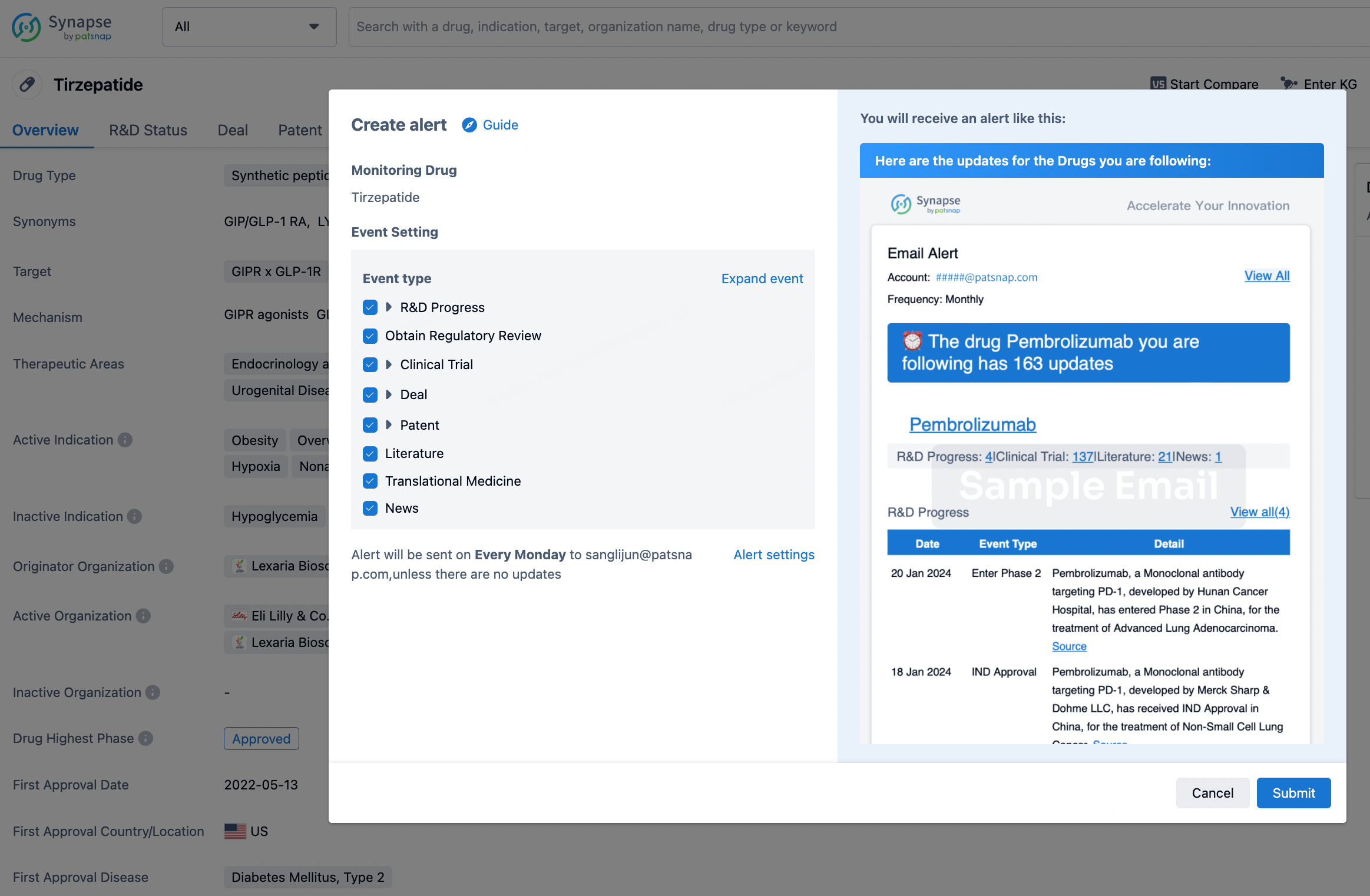
In the Synapse database, you can stay updated on the latest research and development advances of all drugs. This service is accessible anytime and anywhere, with updates available daily or weekly. Use the "Set Alert" function to stay informed. Click on the image below to embark on a brand new journey of drug discovery!

AI Agents Built for Biopharma Breakthroughs
Accelerate discovery. Empower decisions. Transform outcomes.
Get started for free today!
Accelerate Strategic R&D decision making with Synapse, PatSnap’s AI-powered Connected Innovation Intelligence Platform Built for Life Sciences Professionals.
Start your data trial now!
Synapse data is also accessible to external entities via APIs or data packages. Empower better decisions with the latest in pharmaceutical intelligence.