Request Demo
What are the side effects of Palovarotene?
12 July 2024
Palovarotene is a medication that has been under investigation primarily for the treatment of fibrodysplasia ossificans progressiva (FOP) and other skeletal disorders. As with any medication, understanding the potential side effects is crucial for both patients and healthcare providers. Below, we will discuss the various side effects associated with Palovarotene, based on clinical trials and patient reports.
One of the most common side effects of Palovarotene is dryness of the skin and mucous membranes. This includes symptoms such as dry skin, dry eyes, and dry lips, which can sometimes lead to discomfort or secondary issues like cracked skin or lips. In some cases, patients might experience conjunctivitis, also known as pink eye, which is an inflammation or infection of the outer membrane of the eyeball and the inner eyelid.
Another notable side effect is gastrointestinal discomfort. Patients have reported experiencing nausea, vomiting, stomach pain, and diarrhea. These symptoms might vary in intensity from mild to severe and can sometimes lead to a decrease in appetite and subsequent weight loss.
Musculoskeletal complaints have also been reported. These may include muscle pain, joint pain, or general feelings of weakness and fatigue. Given that Palovarotene is used in conditions affecting the skeletal system, it is particularly important to monitor any new or worsening musculoskeletal symptoms.
Respiratory issues are less common but have been noted. Some patients experience shortness of breath or have reported symptoms resembling those of a respiratory infection, such as coughing and a sore throat.
Liver function abnormalities have also been observed through elevated liver enzymes in blood tests. While not every patient will experience this, those on Palovarotene should undergo regular liver function tests to ensure that any changes are detected early and managed appropriately.
In terms of metabolic side effects, hyperlipidemia, or elevated levels of lipids in the blood, has been reported. This condition can increase the risk of cardiovascular problems if left unmanaged. Regular monitoring of lipid levels is recommended for patients taking Palovarotene.
There are also dermatological side effects apart from dryness. Some patients have experienced rash, itching, or even more severe skin reactions. In very rare instances, severe skin reactions such as Stevens-Johnson syndrome have been reported, which require immediate medical attention.
It is important to note that because Palovarotene is a retinoid, it bears a risk of teratogenicity, which means it can cause birth defects. Therefore, it is strictly contraindicated in pregnant women, and effective contraception measures must be taken by women of childbearing potential who are on this medication.
Lastly, some patients have reported experiencing mood changes or depressive symptoms. While these are less common, they are significant and warrant close monitoring and prompt discussion with a healthcare provider if they occur.
In conclusion, while Palovarotene offers potential therapeutic benefits, it comes with a range of side effects that need careful monitoring. Patients and healthcare providers should work closely together to manage these side effects and ensure that the benefits of the medication outweigh its risks. Regular follow-ups and appropriate medical tests are essential components of a treatment plan involving Palovarotene.
One of the most common side effects of Palovarotene is dryness of the skin and mucous membranes. This includes symptoms such as dry skin, dry eyes, and dry lips, which can sometimes lead to discomfort or secondary issues like cracked skin or lips. In some cases, patients might experience conjunctivitis, also known as pink eye, which is an inflammation or infection of the outer membrane of the eyeball and the inner eyelid.
Another notable side effect is gastrointestinal discomfort. Patients have reported experiencing nausea, vomiting, stomach pain, and diarrhea. These symptoms might vary in intensity from mild to severe and can sometimes lead to a decrease in appetite and subsequent weight loss.
Musculoskeletal complaints have also been reported. These may include muscle pain, joint pain, or general feelings of weakness and fatigue. Given that Palovarotene is used in conditions affecting the skeletal system, it is particularly important to monitor any new or worsening musculoskeletal symptoms.
Respiratory issues are less common but have been noted. Some patients experience shortness of breath or have reported symptoms resembling those of a respiratory infection, such as coughing and a sore throat.
Liver function abnormalities have also been observed through elevated liver enzymes in blood tests. While not every patient will experience this, those on Palovarotene should undergo regular liver function tests to ensure that any changes are detected early and managed appropriately.
In terms of metabolic side effects, hyperlipidemia, or elevated levels of lipids in the blood, has been reported. This condition can increase the risk of cardiovascular problems if left unmanaged. Regular monitoring of lipid levels is recommended for patients taking Palovarotene.
There are also dermatological side effects apart from dryness. Some patients have experienced rash, itching, or even more severe skin reactions. In very rare instances, severe skin reactions such as Stevens-Johnson syndrome have been reported, which require immediate medical attention.
It is important to note that because Palovarotene is a retinoid, it bears a risk of teratogenicity, which means it can cause birth defects. Therefore, it is strictly contraindicated in pregnant women, and effective contraception measures must be taken by women of childbearing potential who are on this medication.
Lastly, some patients have reported experiencing mood changes or depressive symptoms. While these are less common, they are significant and warrant close monitoring and prompt discussion with a healthcare provider if they occur.
In conclusion, while Palovarotene offers potential therapeutic benefits, it comes with a range of side effects that need careful monitoring. Patients and healthcare providers should work closely together to manage these side effects and ensure that the benefits of the medication outweigh its risks. Regular follow-ups and appropriate medical tests are essential components of a treatment plan involving Palovarotene.
How to obtain the latest development progress of all drugs?
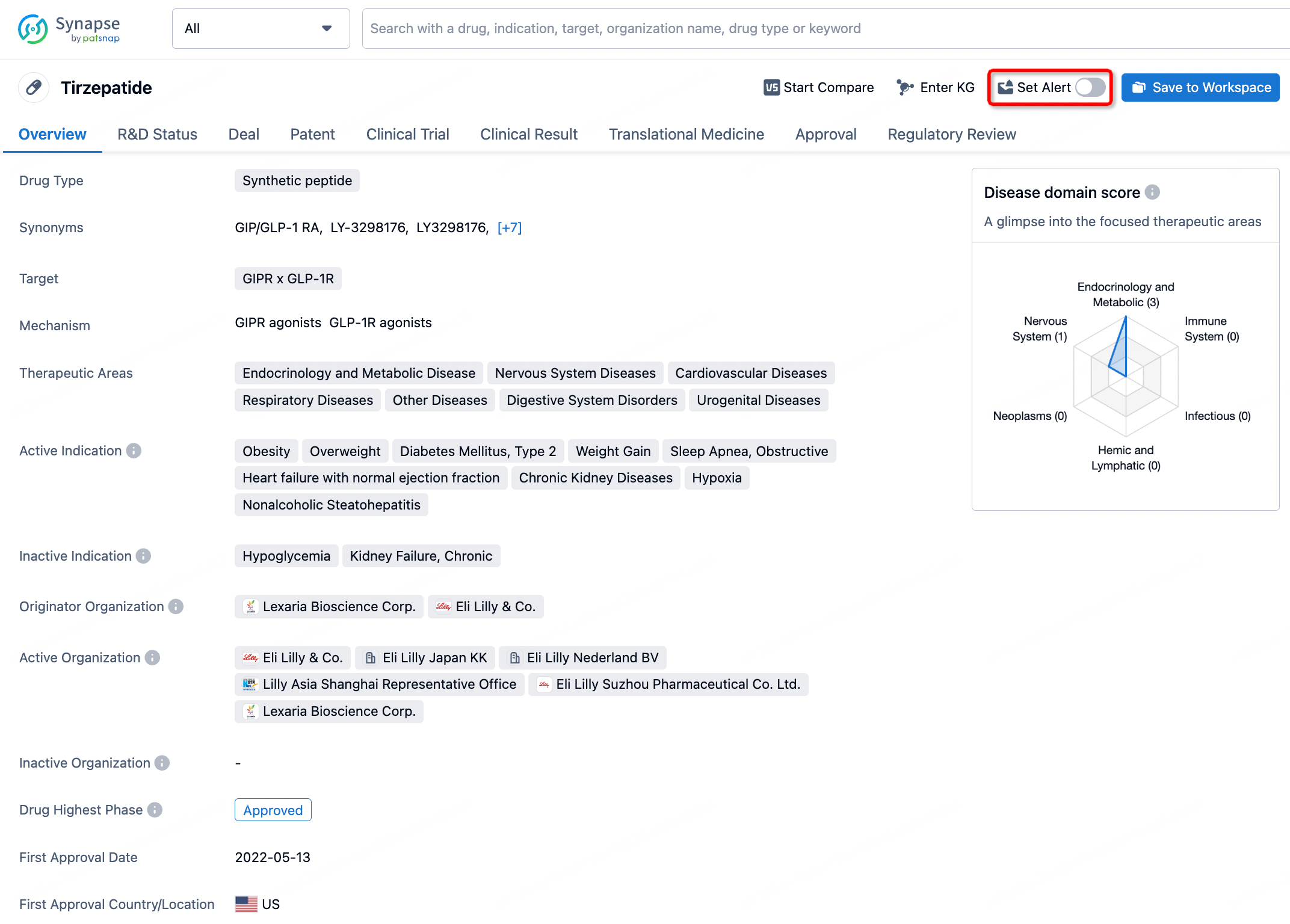
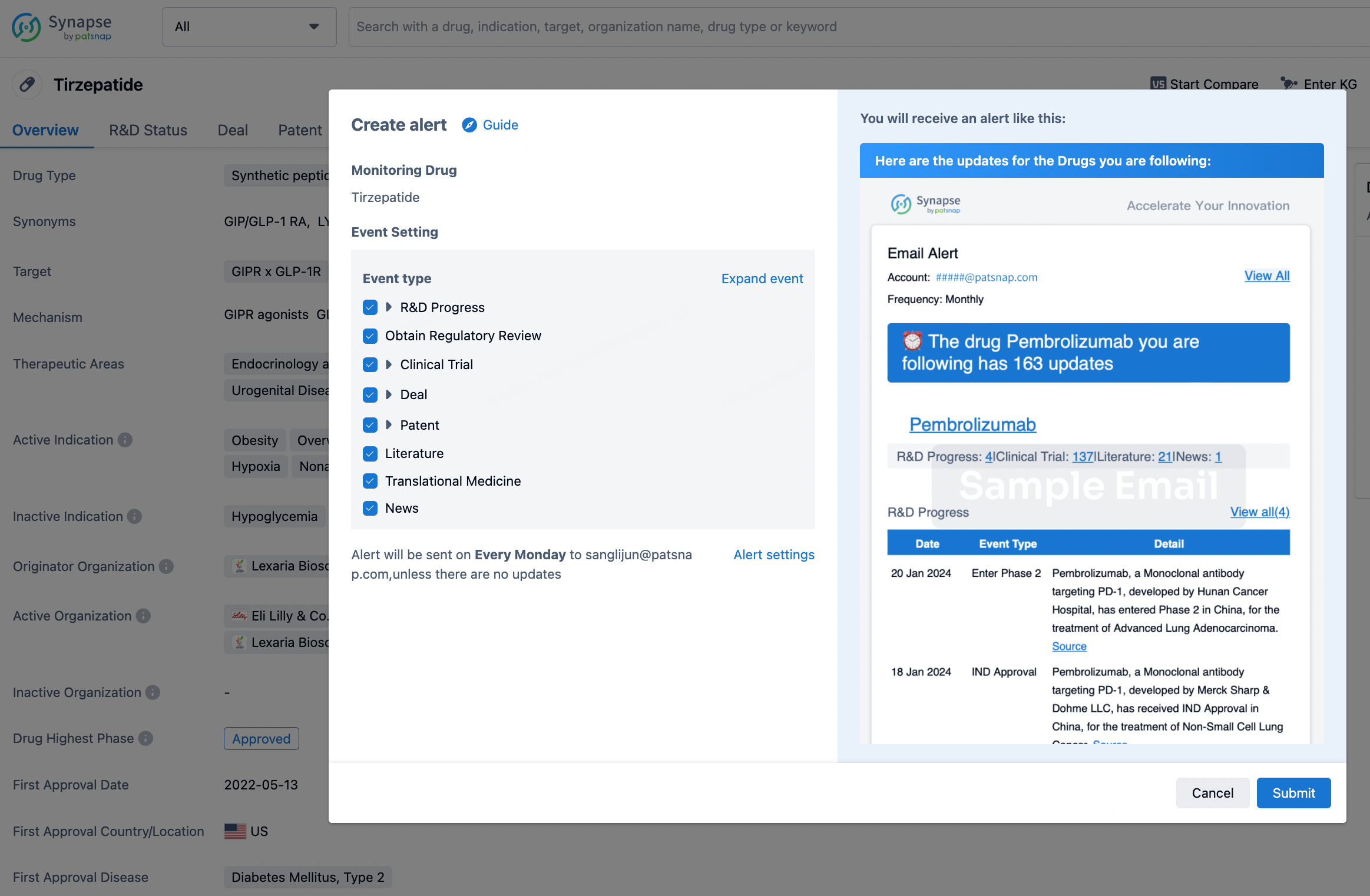
In the Synapse database, you can stay updated on the latest research and development advances of all drugs. This service is accessible anytime and anywhere, with updates available daily or weekly. Use the "Set Alert" function to stay informed. Click on the image below to embark on a brand new journey of drug discovery!

AI Agents Built for Biopharma Breakthroughs
Accelerate discovery. Empower decisions. Transform outcomes.
Get started for free today!
Accelerate Strategic R&D decision making with Synapse, PatSnap’s AI-powered Connected Innovation Intelligence Platform Built for Life Sciences Professionals.
Start your data trial now!
Synapse data is also accessible to external entities via APIs or data packages. Empower better decisions with the latest in pharmaceutical intelligence.