Request Demo
What are the side effects of PHY-901?
12 July 2024
PHY-901 is a natural herbal preparation derived from the root of the plant Scutellaria baicalensis and the fruit of the plant Glycyrrhiza uralensis. This formulation has garnered attention for its potential therapeutic benefits, particularly in the realm of oncology, where it has been explored as an adjunct treatment to enhance the efficacy of chemotherapy and reduce its adverse effects. However, like any medical intervention, PHY-901 is not without its own set of side effects. Understanding these side effects is crucial for both patients and healthcare providers to make informed decisions regarding its use.
One of the primary side effects of PHY-901 is gastrointestinal discomfort. This can manifest in various ways, including nausea, vomiting, diarrhea, and abdominal pain. These symptoms can range from mild to severe, depending on the individual’s sensitivity to the formulation and the dosage administered. It is important for patients to report any gastrointestinal issues to their healthcare provider, as these symptoms can often be managed with supportive care or adjustments in the treatment regimen.
Another significant side effect associated with PHY-901 is its potential impact on liver function. Some studies have indicated that PHY-901 can lead to elevated liver enzymes, which may signal liver inflammation or damage. Regular monitoring of liver function tests is recommended for patients receiving PHY-901 to ensure that any hepatic issues are detected early and managed appropriately.
Allergic reactions are also a concern with the use of PHY-901. Although rare, some individuals may experience hypersensitivity to the components of the herbal preparation. Symptoms of an allergic reaction can include rash, itching, swelling, dizziness, and difficulty breathing. If any of these symptoms occur, it is imperative to seek immediate medical attention. Patients with known allergies to similar herbal products should exercise caution and discuss these concerns with their healthcare provider before starting PHY-901.
In addition to these specific side effects, PHY-901 may also interact with other medications. Herbal medicines are known for their potential to affect the pharmacokinetics and pharmacodynamics of conventional drugs, leading to either enhanced or diminished therapeutic effects. For instance, PHY-901 may influence the metabolism of certain chemotherapy agents, thereby altering their efficacy and toxicity profile. It is crucial for patients to provide a comprehensive list of all medications they are taking, including over-the-counter drugs and supplements, to their healthcare provider to avoid any harmful interactions.
Fatigue is another side effect that has been reported by some patients using PHY-901. This may be due to the body’s response to the herbal preparation or a consequence of its interaction with chemotherapy drugs. Fatigue can significantly impact a patient’s quality of life, making it important to address this symptom through appropriate interventions such as lifestyle modifications, nutritional support, and, if necessary, pharmacologic treatments.
Moreover, PHY-901 has been noted to cause changes in taste and appetite. These alterations can lead to decreased food intake and potential weight loss, which is particularly concerning for cancer patients who are already at risk of malnutrition. Strategies to manage these side effects include dietary adjustments, use of taste enhancers, and nutritional counseling to ensure adequate caloric and nutrient intake.
Lastly, although generally considered safe when used under medical supervision, the long-term effects of PHY-901 are not yet fully understood. As with many herbal preparations, the variability in the composition of PHY-901 due to differences in plant sources, growing conditions, and preparation methods can lead to inconsistencies in its effects and side effects. Ongoing research and clinical trials are necessary to better understand the long-term safety and efficacy of PHY-901 and to establish standardized guidelines for its use.
In conclusion, while PHY-901 holds promise as a complementary therapy in the treatment of certain medical conditions, it is not without its side effects. Gastrointestinal discomfort, potential liver toxicity, allergic reactions, drug interactions, fatigue, changes in taste and appetite, and the unknown long-term effects are important considerations for anyone considering this herbal preparation. Close collaboration between patients and healthcare providers is essential to monitor for these side effects and manage them effectively, ensuring the safe and beneficial use of PHY-901.
One of the primary side effects of PHY-901 is gastrointestinal discomfort. This can manifest in various ways, including nausea, vomiting, diarrhea, and abdominal pain. These symptoms can range from mild to severe, depending on the individual’s sensitivity to the formulation and the dosage administered. It is important for patients to report any gastrointestinal issues to their healthcare provider, as these symptoms can often be managed with supportive care or adjustments in the treatment regimen.
Another significant side effect associated with PHY-901 is its potential impact on liver function. Some studies have indicated that PHY-901 can lead to elevated liver enzymes, which may signal liver inflammation or damage. Regular monitoring of liver function tests is recommended for patients receiving PHY-901 to ensure that any hepatic issues are detected early and managed appropriately.
Allergic reactions are also a concern with the use of PHY-901. Although rare, some individuals may experience hypersensitivity to the components of the herbal preparation. Symptoms of an allergic reaction can include rash, itching, swelling, dizziness, and difficulty breathing. If any of these symptoms occur, it is imperative to seek immediate medical attention. Patients with known allergies to similar herbal products should exercise caution and discuss these concerns with their healthcare provider before starting PHY-901.
In addition to these specific side effects, PHY-901 may also interact with other medications. Herbal medicines are known for their potential to affect the pharmacokinetics and pharmacodynamics of conventional drugs, leading to either enhanced or diminished therapeutic effects. For instance, PHY-901 may influence the metabolism of certain chemotherapy agents, thereby altering their efficacy and toxicity profile. It is crucial for patients to provide a comprehensive list of all medications they are taking, including over-the-counter drugs and supplements, to their healthcare provider to avoid any harmful interactions.
Fatigue is another side effect that has been reported by some patients using PHY-901. This may be due to the body’s response to the herbal preparation or a consequence of its interaction with chemotherapy drugs. Fatigue can significantly impact a patient’s quality of life, making it important to address this symptom through appropriate interventions such as lifestyle modifications, nutritional support, and, if necessary, pharmacologic treatments.
Moreover, PHY-901 has been noted to cause changes in taste and appetite. These alterations can lead to decreased food intake and potential weight loss, which is particularly concerning for cancer patients who are already at risk of malnutrition. Strategies to manage these side effects include dietary adjustments, use of taste enhancers, and nutritional counseling to ensure adequate caloric and nutrient intake.
Lastly, although generally considered safe when used under medical supervision, the long-term effects of PHY-901 are not yet fully understood. As with many herbal preparations, the variability in the composition of PHY-901 due to differences in plant sources, growing conditions, and preparation methods can lead to inconsistencies in its effects and side effects. Ongoing research and clinical trials are necessary to better understand the long-term safety and efficacy of PHY-901 and to establish standardized guidelines for its use.
In conclusion, while PHY-901 holds promise as a complementary therapy in the treatment of certain medical conditions, it is not without its side effects. Gastrointestinal discomfort, potential liver toxicity, allergic reactions, drug interactions, fatigue, changes in taste and appetite, and the unknown long-term effects are important considerations for anyone considering this herbal preparation. Close collaboration between patients and healthcare providers is essential to monitor for these side effects and manage them effectively, ensuring the safe and beneficial use of PHY-901.
How to obtain the latest development progress of all drugs?
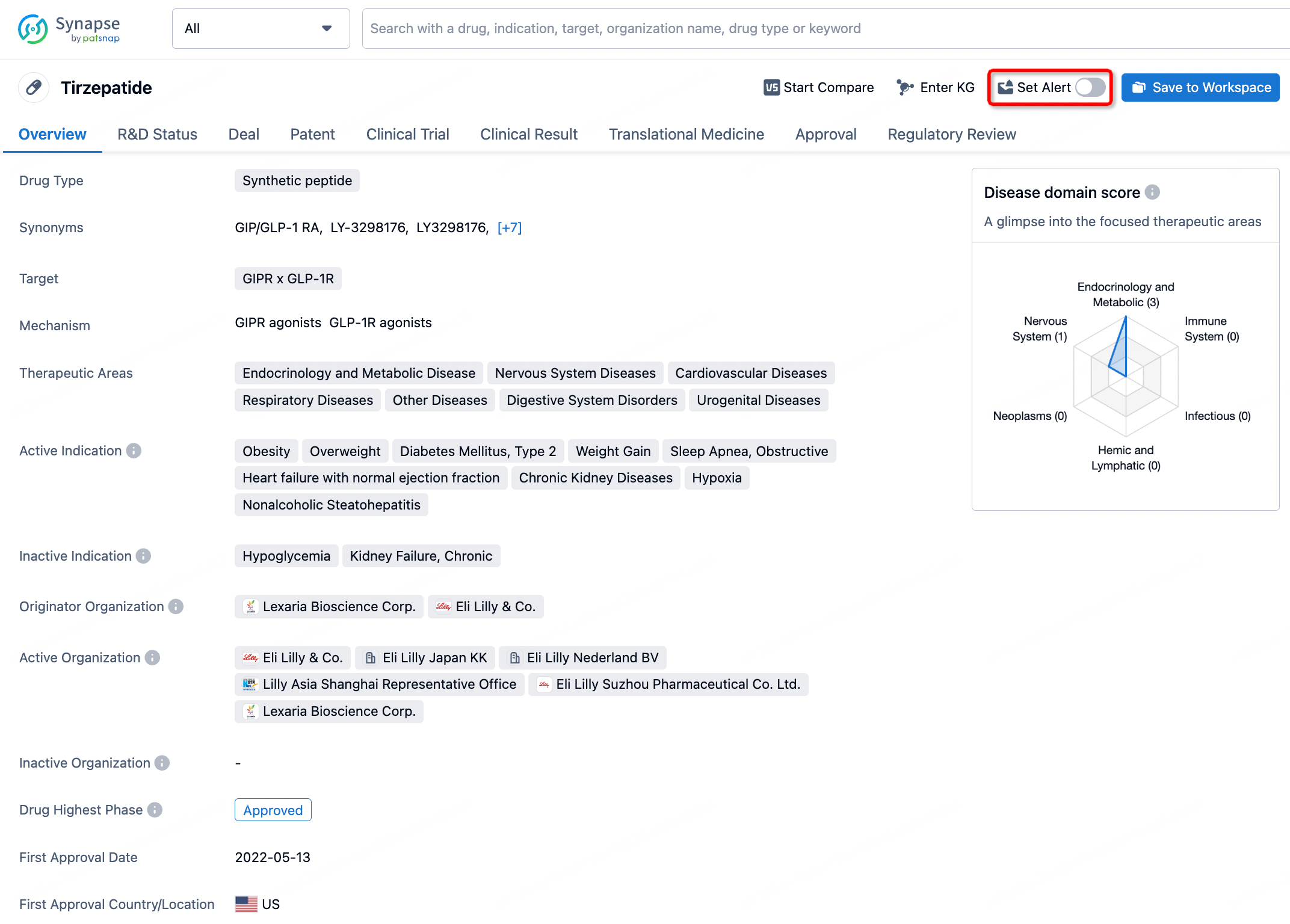
In the Synapse database, you can stay updated on the latest research and development advances of all drugs. This service is accessible anytime and anywhere, with updates available daily or weekly. Use the "Set Alert" function to stay informed. Click on the image below to embark on a brand new journey of drug discovery!


AI Agents Built for Biopharma Breakthroughs
Accelerate discovery. Empower decisions. Transform outcomes.
Get started for free today!
Accelerate Strategic R&D decision making with Synapse, PatSnap’s AI-powered Connected Innovation Intelligence Platform Built for Life Sciences Professionals.
Start your data trial now!
Synapse data is also accessible to external entities via APIs or data packages. Empower better decisions with the latest in pharmaceutical intelligence.