Request Demo
What are the side effects of Pixantrone Dimaleate?
12 July 2024
Pixantrone Dimaleate is a chemotherapy drug used primarily in the treatment of certain types of non-Hodgkin lymphoma. While this medication can be effective in targeting cancer cells, it is essential for patients and caregivers to be aware of the potential side effects associated with its use. Understanding these side effects can help in managing them more effectively and improving the overall treatment experience.
One of the most common side effects of Pixantrone Dimaleate is myelosuppression, which is a decrease in the bone marrow's ability to produce blood cells. This can lead to anemia, increasing the risk of infections and causing fatigue. Patients might experience a drop in white blood cells, red blood cells, and platelets, necessitating regular blood tests to monitor their levels. In severe cases, blood transfusions or medications to stimulate blood cell production may be required.
Gastrointestinal issues are also frequently reported. Nausea, vomiting, and diarrhea can occur as the digestive system reacts to the chemotherapy. Anti-nausea medications may be prescribed to help manage these symptoms. Ensuring adequate hydration and maintaining a balanced diet can also aid in mitigating these side effects.
Hair loss is another well-documented side effect of Pixantrone Dimaleate. This can range from mild thinning to complete loss of hair on the scalp and other parts of the body. While this can be distressing, it is usually temporary, with hair growth resuming after the completion of treatment.
Cardiovascular side effects are a concern with Pixantrone Dimaleate. Some patients may experience changes in heart function, including a reduction in the heart’s pumping efficiency. Prior to starting treatment, cardiac function tests are often conducted to establish a baseline. Regular monitoring throughout the treatment course is crucial to detect any changes early. Patients with pre-existing heart conditions should discuss the risks with their healthcare provider.
Another potential side effect is hepatotoxicity, which refers to liver damage. Liver function tests are typically performed before and during treatment to monitor for any signs of liver impairment. Symptoms of liver damage can include jaundice, dark urine, and abdominal pain. If liver function deteriorates significantly, the dosage may need to be adjusted or treatment halted.
Skin reactions, such as rashes or dry skin, can also occur. These are generally mild but can be uncomfortable. Using gentle skin care products and avoiding harsh chemicals can help manage these symptoms. In rare cases, more severe skin reactions may necessitate medical attention.
Fatigue is a common side effect experienced by many patients undergoing chemotherapy, including those treated with Pixantrone Dimaleate. This can range from a mild sense of tiredness to profound exhaustion that interferes with daily activities. Adequate rest, light exercise, and nutritional support can help manage fatigue levels.
Some patients may experience neurological side effects, such as peripheral neuropathy. This condition involves damage to the nerves outside the brain and spinal cord, leading to symptoms like tingling, numbness, and pain, typically in the hands and feet. These symptoms can persist even after treatment ends and may require medications or therapies to manage.
Lastly, secondary malignancies, although rare, have been reported. This means that patients treated with Pixantrone Dimaleate might have a slightly increased risk of developing another type of cancer later in life. Regular follow-up and long-term monitoring are crucial to detect any new malignancies at an early stage.
In summary, while Pixantrone Dimaleate can be an effective treatment for non-Hodgkin lymphoma, it comes with a range of potential side effects. Close collaboration with healthcare providers, regular monitoring, and proactive management strategies can help mitigate these side effects and improve the patient's quality of life during and after treatment. It is vital for patients to report any new or worsening symptoms to their medical team promptly to ensure timely intervention and support.
One of the most common side effects of Pixantrone Dimaleate is myelosuppression, which is a decrease in the bone marrow's ability to produce blood cells. This can lead to anemia, increasing the risk of infections and causing fatigue. Patients might experience a drop in white blood cells, red blood cells, and platelets, necessitating regular blood tests to monitor their levels. In severe cases, blood transfusions or medications to stimulate blood cell production may be required.
Gastrointestinal issues are also frequently reported. Nausea, vomiting, and diarrhea can occur as the digestive system reacts to the chemotherapy. Anti-nausea medications may be prescribed to help manage these symptoms. Ensuring adequate hydration and maintaining a balanced diet can also aid in mitigating these side effects.
Hair loss is another well-documented side effect of Pixantrone Dimaleate. This can range from mild thinning to complete loss of hair on the scalp and other parts of the body. While this can be distressing, it is usually temporary, with hair growth resuming after the completion of treatment.
Cardiovascular side effects are a concern with Pixantrone Dimaleate. Some patients may experience changes in heart function, including a reduction in the heart’s pumping efficiency. Prior to starting treatment, cardiac function tests are often conducted to establish a baseline. Regular monitoring throughout the treatment course is crucial to detect any changes early. Patients with pre-existing heart conditions should discuss the risks with their healthcare provider.
Another potential side effect is hepatotoxicity, which refers to liver damage. Liver function tests are typically performed before and during treatment to monitor for any signs of liver impairment. Symptoms of liver damage can include jaundice, dark urine, and abdominal pain. If liver function deteriorates significantly, the dosage may need to be adjusted or treatment halted.
Skin reactions, such as rashes or dry skin, can also occur. These are generally mild but can be uncomfortable. Using gentle skin care products and avoiding harsh chemicals can help manage these symptoms. In rare cases, more severe skin reactions may necessitate medical attention.
Fatigue is a common side effect experienced by many patients undergoing chemotherapy, including those treated with Pixantrone Dimaleate. This can range from a mild sense of tiredness to profound exhaustion that interferes with daily activities. Adequate rest, light exercise, and nutritional support can help manage fatigue levels.
Some patients may experience neurological side effects, such as peripheral neuropathy. This condition involves damage to the nerves outside the brain and spinal cord, leading to symptoms like tingling, numbness, and pain, typically in the hands and feet. These symptoms can persist even after treatment ends and may require medications or therapies to manage.
Lastly, secondary malignancies, although rare, have been reported. This means that patients treated with Pixantrone Dimaleate might have a slightly increased risk of developing another type of cancer later in life. Regular follow-up and long-term monitoring are crucial to detect any new malignancies at an early stage.
In summary, while Pixantrone Dimaleate can be an effective treatment for non-Hodgkin lymphoma, it comes with a range of potential side effects. Close collaboration with healthcare providers, regular monitoring, and proactive management strategies can help mitigate these side effects and improve the patient's quality of life during and after treatment. It is vital for patients to report any new or worsening symptoms to their medical team promptly to ensure timely intervention and support.
How to obtain the latest development progress of all drugs?
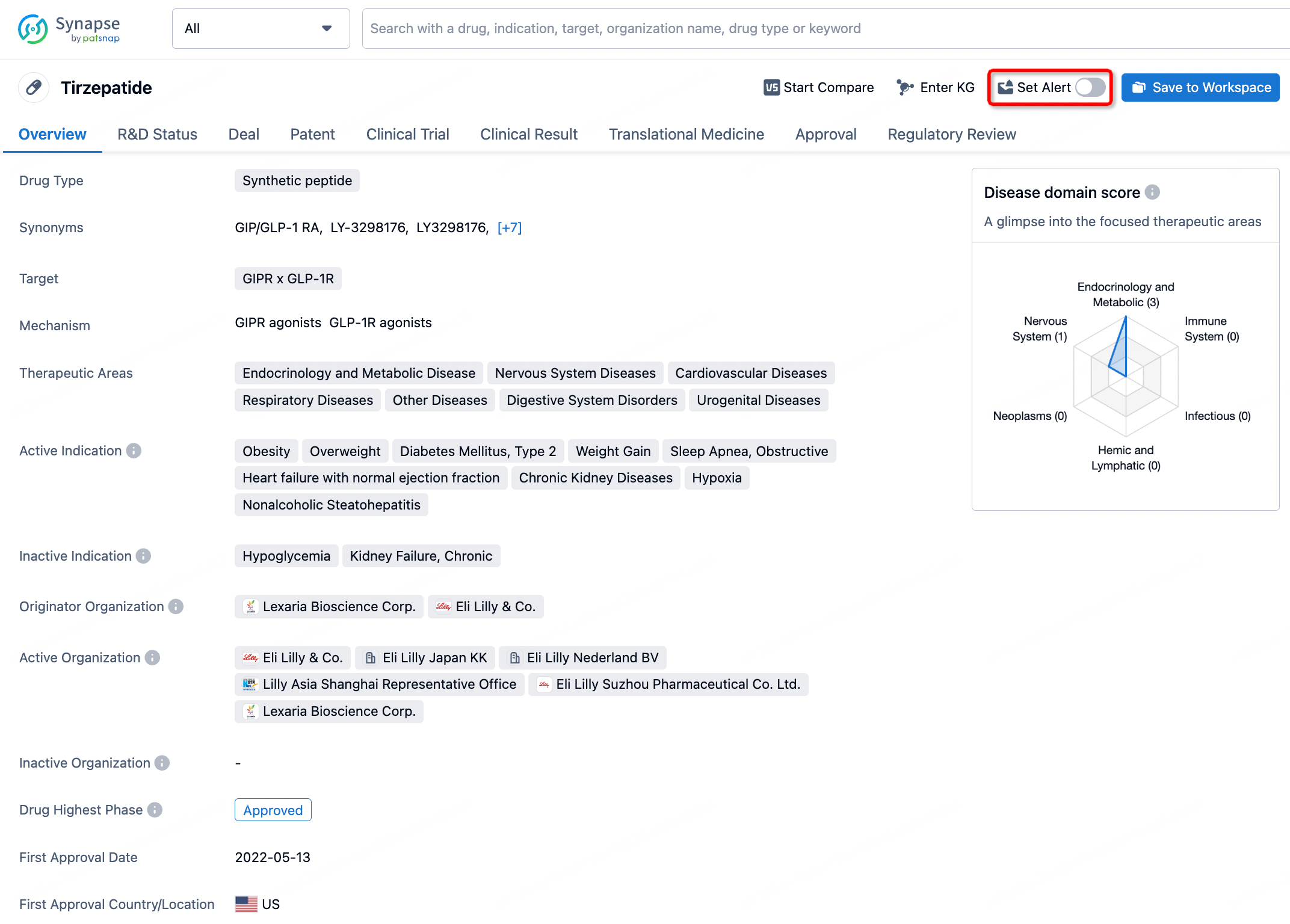
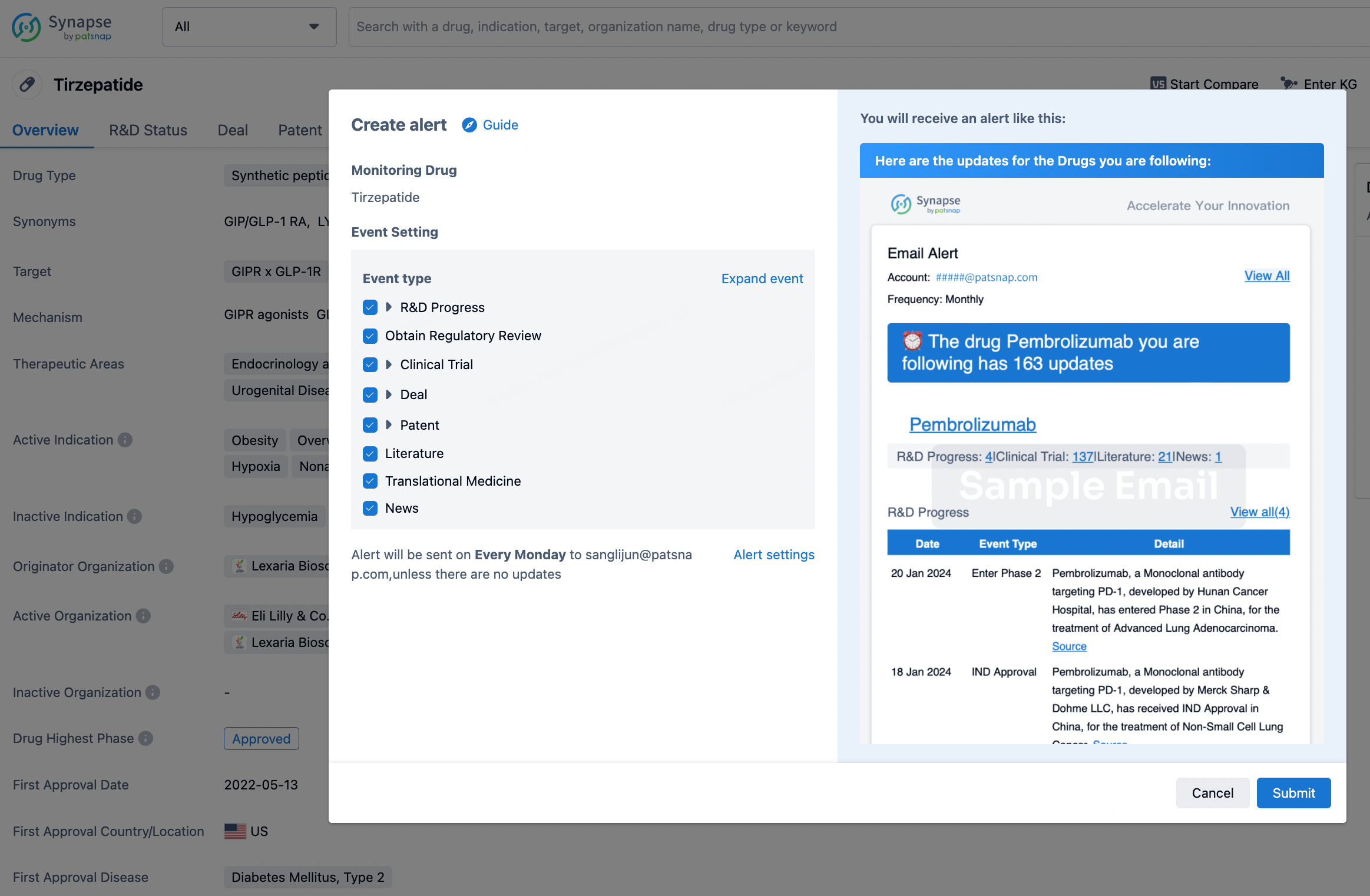
In the Synapse database, you can stay updated on the latest research and development advances of all drugs. This service is accessible anytime and anywhere, with updates available daily or weekly. Use the "Set Alert" function to stay informed. Click on the image below to embark on a brand new journey of drug discovery!
AI Agents Built for Biopharma Breakthroughs
Accelerate discovery. Empower decisions. Transform outcomes.
Get started for free today!
Accelerate Strategic R&D decision making with Synapse, PatSnap’s AI-powered Connected Innovation Intelligence Platform Built for Life Sciences Professionals.
Start your data trial now!
Synapse data is also accessible to external entities via APIs or data packages. Empower better decisions with the latest in pharmaceutical intelligence.