Request Demo
What are the side effects of Ranimustine?
12 July 2024
Ranimustine, also known as MCNU, is an alkylating agent primarily used in the treatment of various cancers, including malignant lymphoma and brain tumors. As with many chemotherapeutic agents, Ranimustine is associated with a range of side effects that can significantly impact the patient's quality of life. Understanding these side effects is crucial for both patients and caregivers to manage symptoms effectively and seek timely medical intervention.
One of the most common side effects of Ranimustine is myelosuppression, which is the decreased ability of the bone marrow to produce blood cells. This condition can manifest in various forms such as anemia, leukopenia, and thrombocytopenia. Anemia results in fatigue and weakness, leukopenia increases the risk of infections, and thrombocytopenia can lead to easy bruising and bleeding. Regular monitoring of blood counts is therefore essential during Ranimustine therapy.
Gastrointestinal disturbances are also frequently observed with Ranimustine treatment. Patients may experience nausea, vomiting, and loss of appetite, which can lead to weight loss and nutritional deficiencies. Antiemetic medications are often prescribed to manage these symptoms, and dietary interventions can help in maintaining nutritional balance.
Ranimustine can also have detrimental effects on the liver. Hepatotoxicity, characterized by elevated liver enzymes and jaundice, can occur and requires regular liver function tests to monitor and manage. In severe cases, treatment may need to be discontinued or adjusted.
Another significant side effect is pulmonary toxicity. Patients may develop symptoms such as cough, shortness of breath, and interstitial lung disease. Pulmonary function tests are often conducted to monitor lung health during the course of treatment. In cases of severe lung damage, discontinuation of Ranimustine might be necessary.
Renal toxicity is another concern with Ranimustine therapy. Kidney function tests are crucial to detect any early signs of nephrotoxicity, which can manifest as elevated creatinine levels and reduced urine output. Adequate hydration and dose adjustments based on kidney function are essential preventive measures.
Neurotoxicity is less common but still a noteworthy side effect. Patients may experience symptoms such as headaches, dizziness, and peripheral neuropathy, which is characterized by numbness or tingling in the hands and feet. These symptoms should be reported to the healthcare provider promptly.
Ranimustine can also have dermatological side effects. Skin reactions such as rashes, itching, and even hair loss can occur. These conditions are usually managed with topical treatments and supportive care.
Fatigue is another common side effect that can significantly affect daily activities. It is often a cumulative effect of anemia, nutritional deficiencies, and the overall impact of cancer treatment. Adequate rest, nutrition, and sometimes physical therapy can help manage fatigue.
Moreover, Ranimustine has been associated with secondary malignancies, although this is rare. The risk of developing another type of cancer should be discussed with the healthcare provider to weigh the benefits and risks of the treatment.
In conclusion, while Ranimustine is an effective chemotherapeutic agent for treating various cancers, it is associated with a range of side effects that require careful monitoring and management. Regular blood tests, liver and kidney function tests, and pulmonary function tests are essential to detect and manage these side effects early. Open communication between patients and healthcare providers is crucial for the timely management of adverse effects, thereby improving the overall treatment experience and outcomes.
One of the most common side effects of Ranimustine is myelosuppression, which is the decreased ability of the bone marrow to produce blood cells. This condition can manifest in various forms such as anemia, leukopenia, and thrombocytopenia. Anemia results in fatigue and weakness, leukopenia increases the risk of infections, and thrombocytopenia can lead to easy bruising and bleeding. Regular monitoring of blood counts is therefore essential during Ranimustine therapy.
Gastrointestinal disturbances are also frequently observed with Ranimustine treatment. Patients may experience nausea, vomiting, and loss of appetite, which can lead to weight loss and nutritional deficiencies. Antiemetic medications are often prescribed to manage these symptoms, and dietary interventions can help in maintaining nutritional balance.
Ranimustine can also have detrimental effects on the liver. Hepatotoxicity, characterized by elevated liver enzymes and jaundice, can occur and requires regular liver function tests to monitor and manage. In severe cases, treatment may need to be discontinued or adjusted.
Another significant side effect is pulmonary toxicity. Patients may develop symptoms such as cough, shortness of breath, and interstitial lung disease. Pulmonary function tests are often conducted to monitor lung health during the course of treatment. In cases of severe lung damage, discontinuation of Ranimustine might be necessary.
Renal toxicity is another concern with Ranimustine therapy. Kidney function tests are crucial to detect any early signs of nephrotoxicity, which can manifest as elevated creatinine levels and reduced urine output. Adequate hydration and dose adjustments based on kidney function are essential preventive measures.
Neurotoxicity is less common but still a noteworthy side effect. Patients may experience symptoms such as headaches, dizziness, and peripheral neuropathy, which is characterized by numbness or tingling in the hands and feet. These symptoms should be reported to the healthcare provider promptly.
Ranimustine can also have dermatological side effects. Skin reactions such as rashes, itching, and even hair loss can occur. These conditions are usually managed with topical treatments and supportive care.
Fatigue is another common side effect that can significantly affect daily activities. It is often a cumulative effect of anemia, nutritional deficiencies, and the overall impact of cancer treatment. Adequate rest, nutrition, and sometimes physical therapy can help manage fatigue.
Moreover, Ranimustine has been associated with secondary malignancies, although this is rare. The risk of developing another type of cancer should be discussed with the healthcare provider to weigh the benefits and risks of the treatment.
In conclusion, while Ranimustine is an effective chemotherapeutic agent for treating various cancers, it is associated with a range of side effects that require careful monitoring and management. Regular blood tests, liver and kidney function tests, and pulmonary function tests are essential to detect and manage these side effects early. Open communication between patients and healthcare providers is crucial for the timely management of adverse effects, thereby improving the overall treatment experience and outcomes.
How to obtain the latest development progress of all drugs?
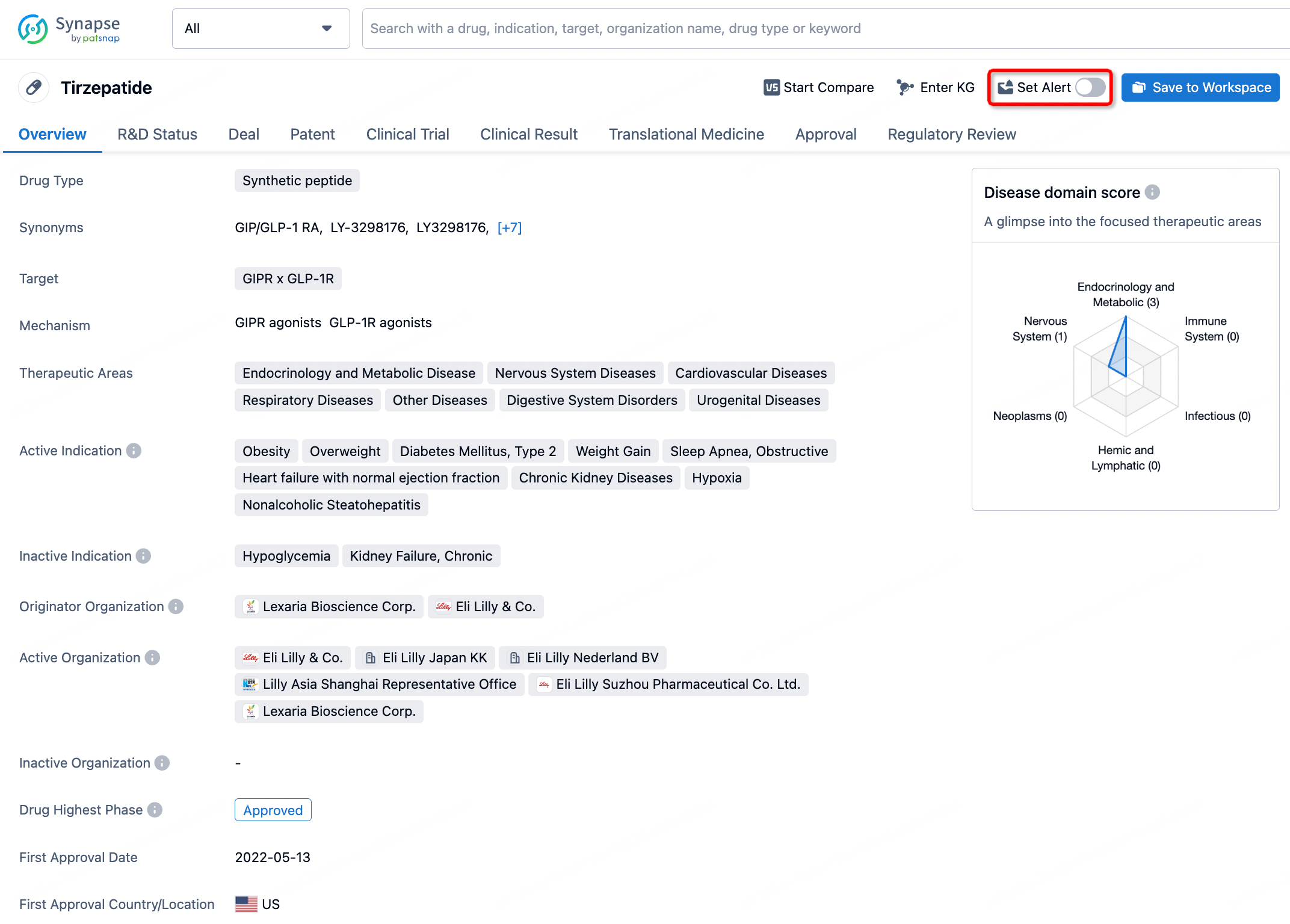
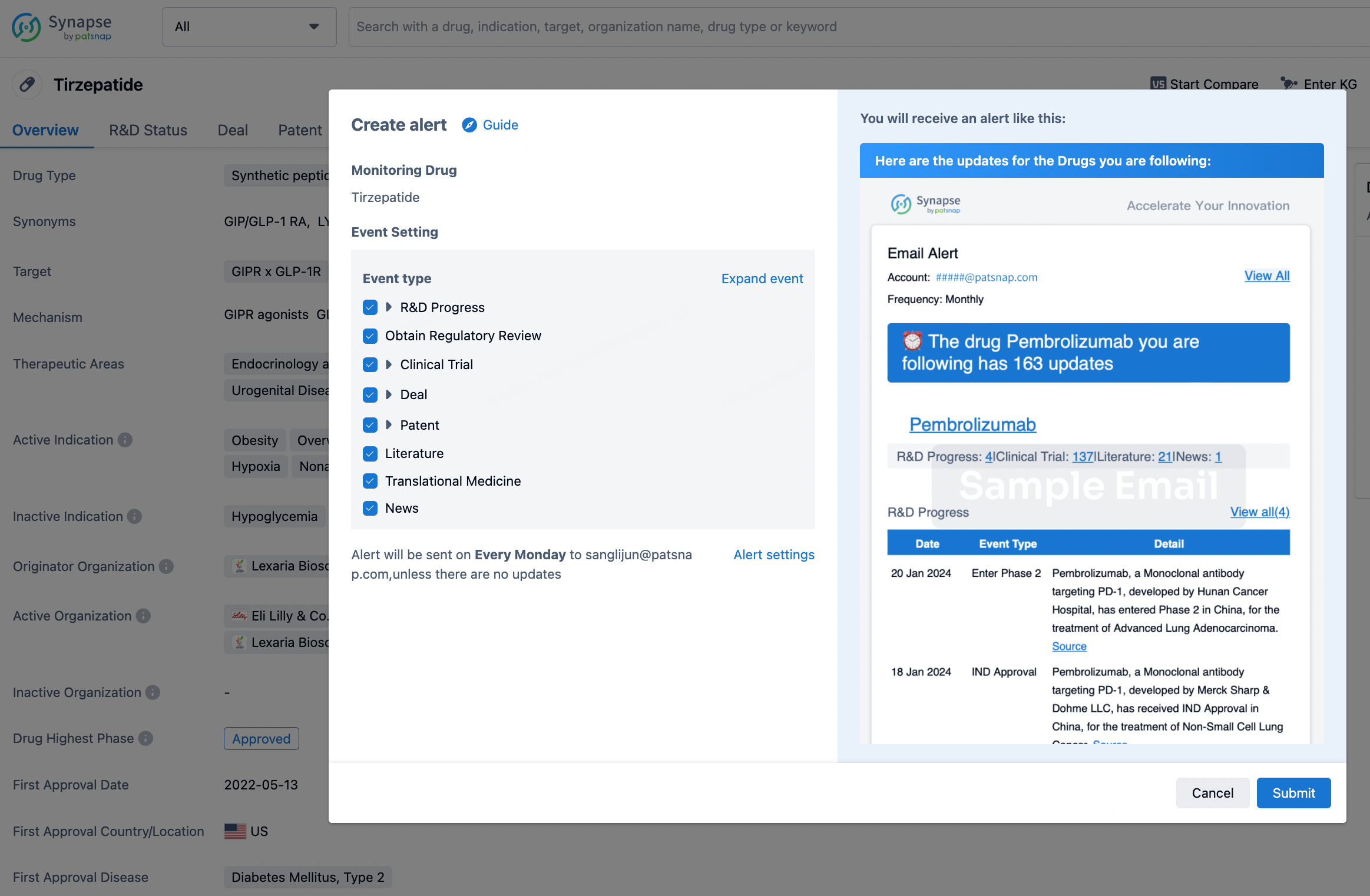
In the Synapse database, you can stay updated on the latest research and development advances of all drugs. This service is accessible anytime and anywhere, with updates available daily or weekly. Use the "Set Alert" function to stay informed. Click on the image below to embark on a brand new journey of drug discovery!

AI Agents Built for Biopharma Breakthroughs
Accelerate discovery. Empower decisions. Transform outcomes.
Get started for free today!
Accelerate Strategic R&D decision making with Synapse, PatSnap’s AI-powered Connected Innovation Intelligence Platform Built for Life Sciences Professionals.
Start your data trial now!
Synapse data is also accessible to external entities via APIs or data packages. Empower better decisions with the latest in pharmaceutical intelligence.