Request Demo
What are the side effects of Rigivir?
12 July 2024
Rigivir, an antiviral medication often used in the treatment of certain viral infections, has both therapeutic benefits and potential side effects. While many patients tolerate Rigivir well, it is crucial to be aware of the possible adverse reactions to ensure effective and safe use of the medication.
Common side effects of Rigivir include gastrointestinal disturbances. Patients might experience nausea, vomiting, or diarrhea. These symptoms are usually mild and tend to resolve on their own without the need for medical intervention. However, if these symptoms persist or worsen, it is advisable to consult a healthcare provider.
Another frequently reported side effect is headache. This can range from a mild, dull ache to more intense migraines. Over-the-counter pain relievers can often manage these headaches, but persistent or severe headaches should be reported to a doctor.
Some patients might also experience dizziness or lightheadedness when taking Rigivir. This is particularly important to note for individuals who operate heavy machinery or drive, as these symptoms can impair their ability to perform such tasks safely. Ensuring you are aware of how Rigivir affects you before engaging in potentially dangerous activities is essential.
Less commonly, Rigivir might cause allergic reactions. Symptoms of an allergic reaction include rash, itching, swelling, severe dizziness, and trouble breathing. If any of these symptoms occur, it is critical to seek immediate medical attention, as allergic reactions can be serious and potentially life-threatening.
In rare cases, Rigivir can affect liver function, leading to elevated liver enzymes. This is typically monitored through blood tests, and any significant changes in liver function may necessitate discontinuation of the medication. Symptoms indicating liver problems include yellowing of the skin or eyes (jaundice), dark urine, severe abdominal pain, and persistent fatigue.
Rigivir can also have hematological effects, such as causing a decrease in white blood cells, red blood cells, or platelets. This could lead to increased susceptibility to infections, anemia, or unusual bleeding or bruising. Regular blood tests are often recommended to monitor these levels during treatment.
Some patients might experience psychological side effects when taking Rigivir, such as changes in mood or behavior, including depression or anxiety. These side effects are typically rare but should be taken seriously. If you or someone you know starts to notice significant changes in mood or behavior, it is important to discuss these changes with a healthcare provider.
It is also important to consider potential drug interactions when taking Rigivir. Certain medications can affect how Rigivir works or increase the risk of side effects. Always inform your healthcare provider of all the medications and supplements you are taking to avoid any harmful interactions.
In conclusion, while Rigivir can be an effective treatment for viral infections, it is not without its potential side effects. Being informed about these possible adverse reactions can help you manage them effectively and seek appropriate medical advice when necessary. Always consult your healthcare provider for personalized advice and regular monitoring throughout your treatment with Rigivir.
Common side effects of Rigivir include gastrointestinal disturbances. Patients might experience nausea, vomiting, or diarrhea. These symptoms are usually mild and tend to resolve on their own without the need for medical intervention. However, if these symptoms persist or worsen, it is advisable to consult a healthcare provider.
Another frequently reported side effect is headache. This can range from a mild, dull ache to more intense migraines. Over-the-counter pain relievers can often manage these headaches, but persistent or severe headaches should be reported to a doctor.
Some patients might also experience dizziness or lightheadedness when taking Rigivir. This is particularly important to note for individuals who operate heavy machinery or drive, as these symptoms can impair their ability to perform such tasks safely. Ensuring you are aware of how Rigivir affects you before engaging in potentially dangerous activities is essential.
Less commonly, Rigivir might cause allergic reactions. Symptoms of an allergic reaction include rash, itching, swelling, severe dizziness, and trouble breathing. If any of these symptoms occur, it is critical to seek immediate medical attention, as allergic reactions can be serious and potentially life-threatening.
In rare cases, Rigivir can affect liver function, leading to elevated liver enzymes. This is typically monitored through blood tests, and any significant changes in liver function may necessitate discontinuation of the medication. Symptoms indicating liver problems include yellowing of the skin or eyes (jaundice), dark urine, severe abdominal pain, and persistent fatigue.
Rigivir can also have hematological effects, such as causing a decrease in white blood cells, red blood cells, or platelets. This could lead to increased susceptibility to infections, anemia, or unusual bleeding or bruising. Regular blood tests are often recommended to monitor these levels during treatment.
Some patients might experience psychological side effects when taking Rigivir, such as changes in mood or behavior, including depression or anxiety. These side effects are typically rare but should be taken seriously. If you or someone you know starts to notice significant changes in mood or behavior, it is important to discuss these changes with a healthcare provider.
It is also important to consider potential drug interactions when taking Rigivir. Certain medications can affect how Rigivir works or increase the risk of side effects. Always inform your healthcare provider of all the medications and supplements you are taking to avoid any harmful interactions.
In conclusion, while Rigivir can be an effective treatment for viral infections, it is not without its potential side effects. Being informed about these possible adverse reactions can help you manage them effectively and seek appropriate medical advice when necessary. Always consult your healthcare provider for personalized advice and regular monitoring throughout your treatment with Rigivir.
How to obtain the latest development progress of all drugs?
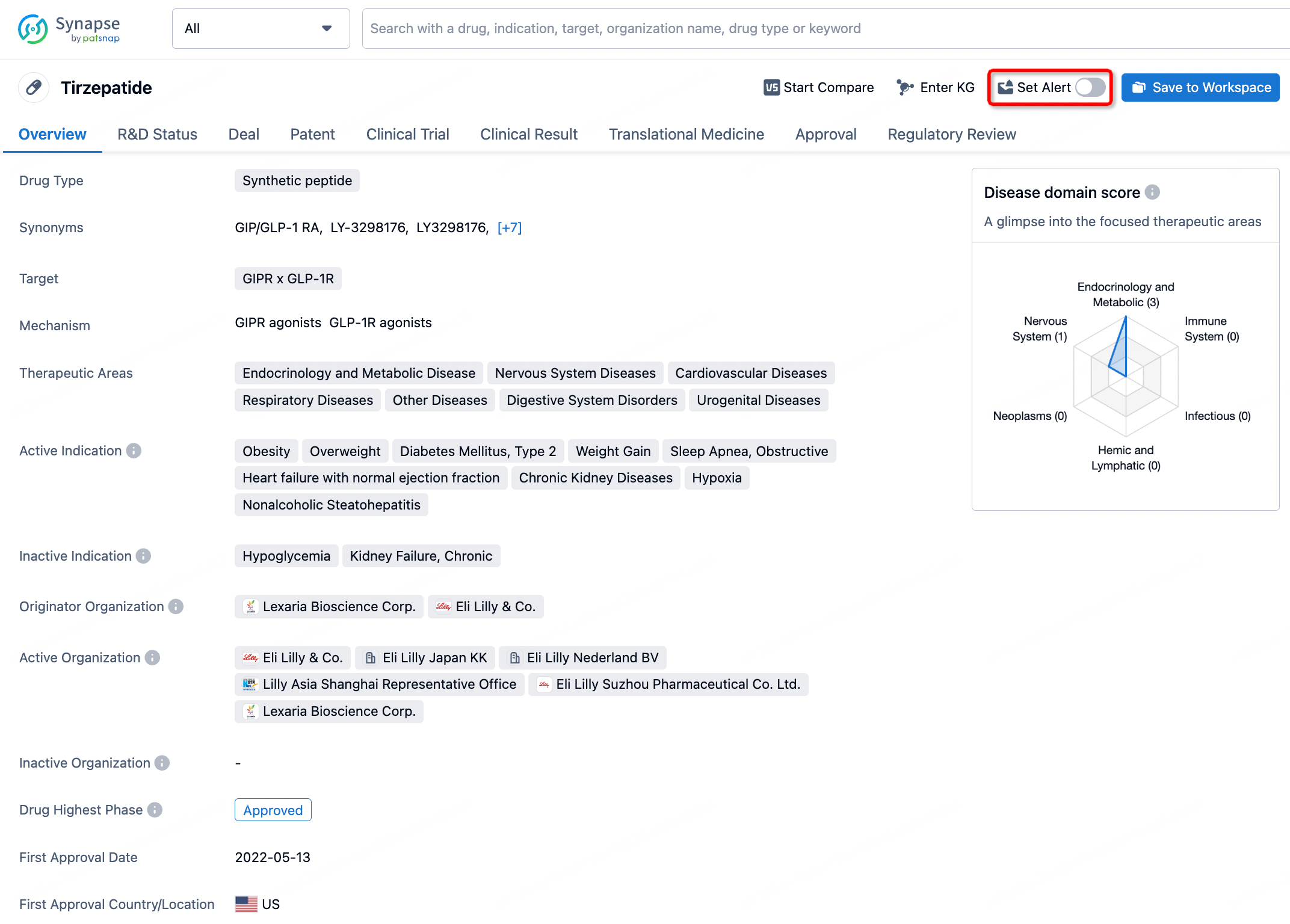
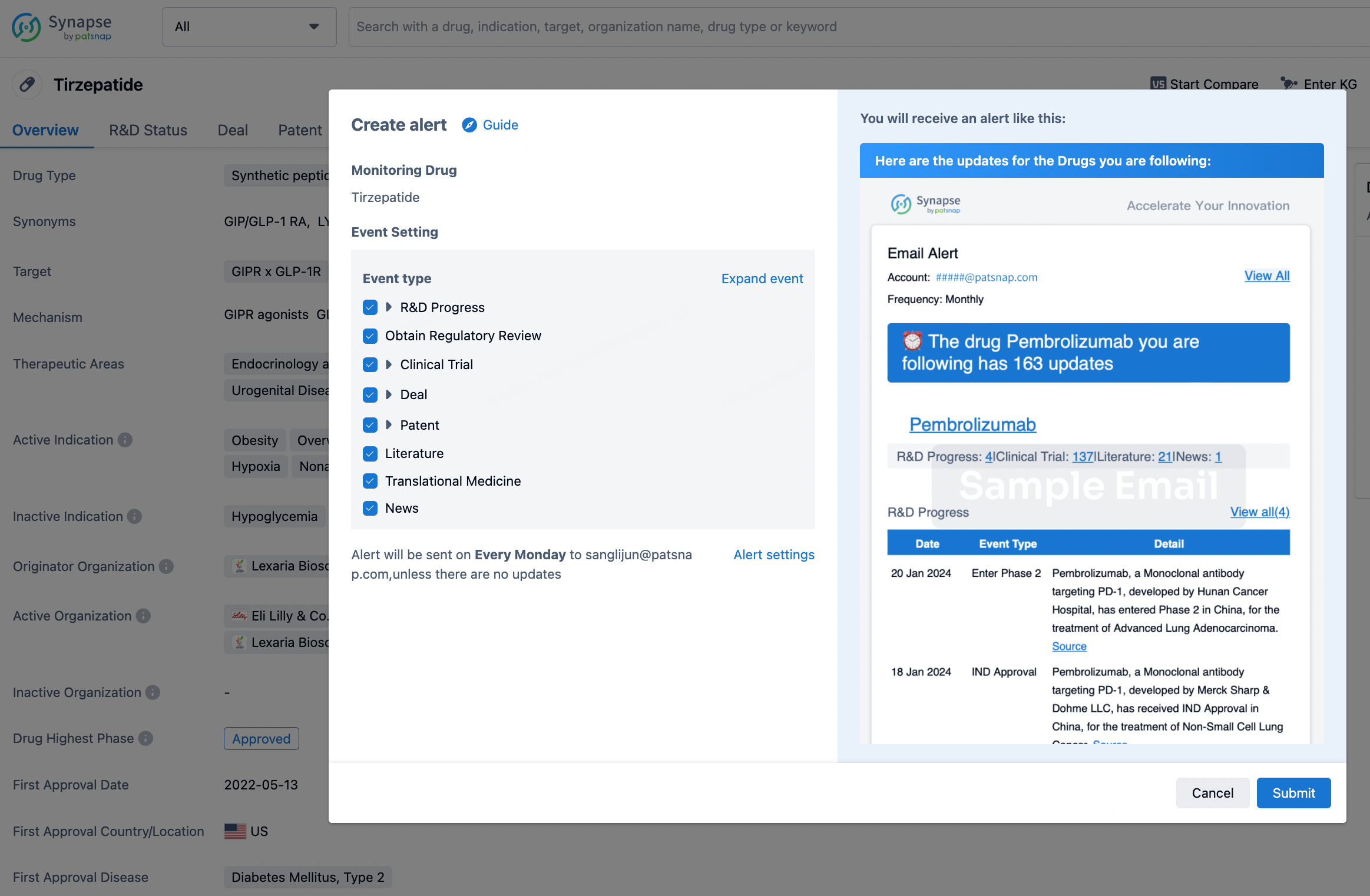
In the Synapse database, you can stay updated on the latest research and development advances of all drugs. This service is accessible anytime and anywhere, with updates available daily or weekly. Use the "Set Alert" function to stay informed. Click on the image below to embark on a brand new journey of drug discovery!

AI Agents Built for Biopharma Breakthroughs
Accelerate discovery. Empower decisions. Transform outcomes.
Get started for free today!
Accelerate Strategic R&D decision making with Synapse, PatSnap’s AI-powered Connected Innovation Intelligence Platform Built for Life Sciences Professionals.
Start your data trial now!
Synapse data is also accessible to external entities via APIs or data packages. Empower better decisions with the latest in pharmaceutical intelligence.