Request Demo
What are the side effects of Rimexolone?
12 July 2024
Rimexolone is a corticosteroid medication commonly used in ophthalmology to treat inflammation and pain associated with eye conditions such as uveitis and postoperative inflammation. While this medication can be highly effective in alleviating symptoms, it is not without potential side effects. Understanding these side effects is crucial for patients and healthcare providers alike.
One of the more common side effects of Rimexolone is an increase in intraocular pressure. This condition can lead to glaucoma if not monitored and managed appropriately. Patients using Rimexolone should undergo regular eye examinations to ensure that their intraocular pressure remains within safe limits.
Another potential side effect is the development of cataracts. Prolonged use of corticosteroids, including Rimexolone, has been linked to the formation of posterior subcapsular cataracts. This can impair vision and may eventually require surgical intervention to restore clear sight.
Some patients may experience a burning or stinging sensation upon the application of Rimexolone eye drops. While this is usually temporary and subsides within a few minutes, it can be uncomfortable and may discourage consistent use of the medication. If this sensation persists, it is advisable to consult a healthcare professional for further evaluation.
Rimexolone can also cause blurred vision immediately after application. This side effect is generally short-lived but can be inconvenient, especially for individuals who need to perform tasks requiring clear vision, such as driving. Patients are often advised to wait until their vision stabilizes before engaging in such activities.
There is also a risk of developing secondary eye infections while using Rimexolone. Corticosteroids can suppress the immune response, making it easier for infections to take hold. Signs of an eye infection, such as redness, swelling, pain, or discharge, should prompt immediate medical attention.
Allergic reactions, although rare, can occur with Rimexolone use. Symptoms of an allergic reaction may include itching, redness, swelling, or rash around the eyes. Severe allergic reactions could involve difficulty breathing or swelling of the face and throat, which require emergency medical care.
Less commonly, Rimexolone can contribute to the thinning of the cornea or sclera, which are the outer layers of the eye. This thinning can lead to complications, particularly if the eye is subjected to trauma or surgery. Regular monitoring by an eye care professional can help mitigate this risk.
In some instances, patients may experience systemic side effects, although these are rare given the localized application of Rimexolone. Potential systemic side effects could include headache, dizziness, or nausea. If these symptoms are observed, discussing them with a healthcare provider is important to determine whether they are related to the medication.
In conclusion, while Rimexolone is an effective treatment for various inflammatory eye conditions, it is essential to be aware of its potential side effects. Regular monitoring by an eye care professional can help manage these risks and ensure that the benefits of the medication outweigh the drawbacks. Patients should communicate any adverse effects to their healthcare provider to adjust the treatment plan as necessary.
One of the more common side effects of Rimexolone is an increase in intraocular pressure. This condition can lead to glaucoma if not monitored and managed appropriately. Patients using Rimexolone should undergo regular eye examinations to ensure that their intraocular pressure remains within safe limits.
Another potential side effect is the development of cataracts. Prolonged use of corticosteroids, including Rimexolone, has been linked to the formation of posterior subcapsular cataracts. This can impair vision and may eventually require surgical intervention to restore clear sight.
Some patients may experience a burning or stinging sensation upon the application of Rimexolone eye drops. While this is usually temporary and subsides within a few minutes, it can be uncomfortable and may discourage consistent use of the medication. If this sensation persists, it is advisable to consult a healthcare professional for further evaluation.
Rimexolone can also cause blurred vision immediately after application. This side effect is generally short-lived but can be inconvenient, especially for individuals who need to perform tasks requiring clear vision, such as driving. Patients are often advised to wait until their vision stabilizes before engaging in such activities.
There is also a risk of developing secondary eye infections while using Rimexolone. Corticosteroids can suppress the immune response, making it easier for infections to take hold. Signs of an eye infection, such as redness, swelling, pain, or discharge, should prompt immediate medical attention.
Allergic reactions, although rare, can occur with Rimexolone use. Symptoms of an allergic reaction may include itching, redness, swelling, or rash around the eyes. Severe allergic reactions could involve difficulty breathing or swelling of the face and throat, which require emergency medical care.
Less commonly, Rimexolone can contribute to the thinning of the cornea or sclera, which are the outer layers of the eye. This thinning can lead to complications, particularly if the eye is subjected to trauma or surgery. Regular monitoring by an eye care professional can help mitigate this risk.
In some instances, patients may experience systemic side effects, although these are rare given the localized application of Rimexolone. Potential systemic side effects could include headache, dizziness, or nausea. If these symptoms are observed, discussing them with a healthcare provider is important to determine whether they are related to the medication.
In conclusion, while Rimexolone is an effective treatment for various inflammatory eye conditions, it is essential to be aware of its potential side effects. Regular monitoring by an eye care professional can help manage these risks and ensure that the benefits of the medication outweigh the drawbacks. Patients should communicate any adverse effects to their healthcare provider to adjust the treatment plan as necessary.
How to obtain the latest development progress of all drugs?
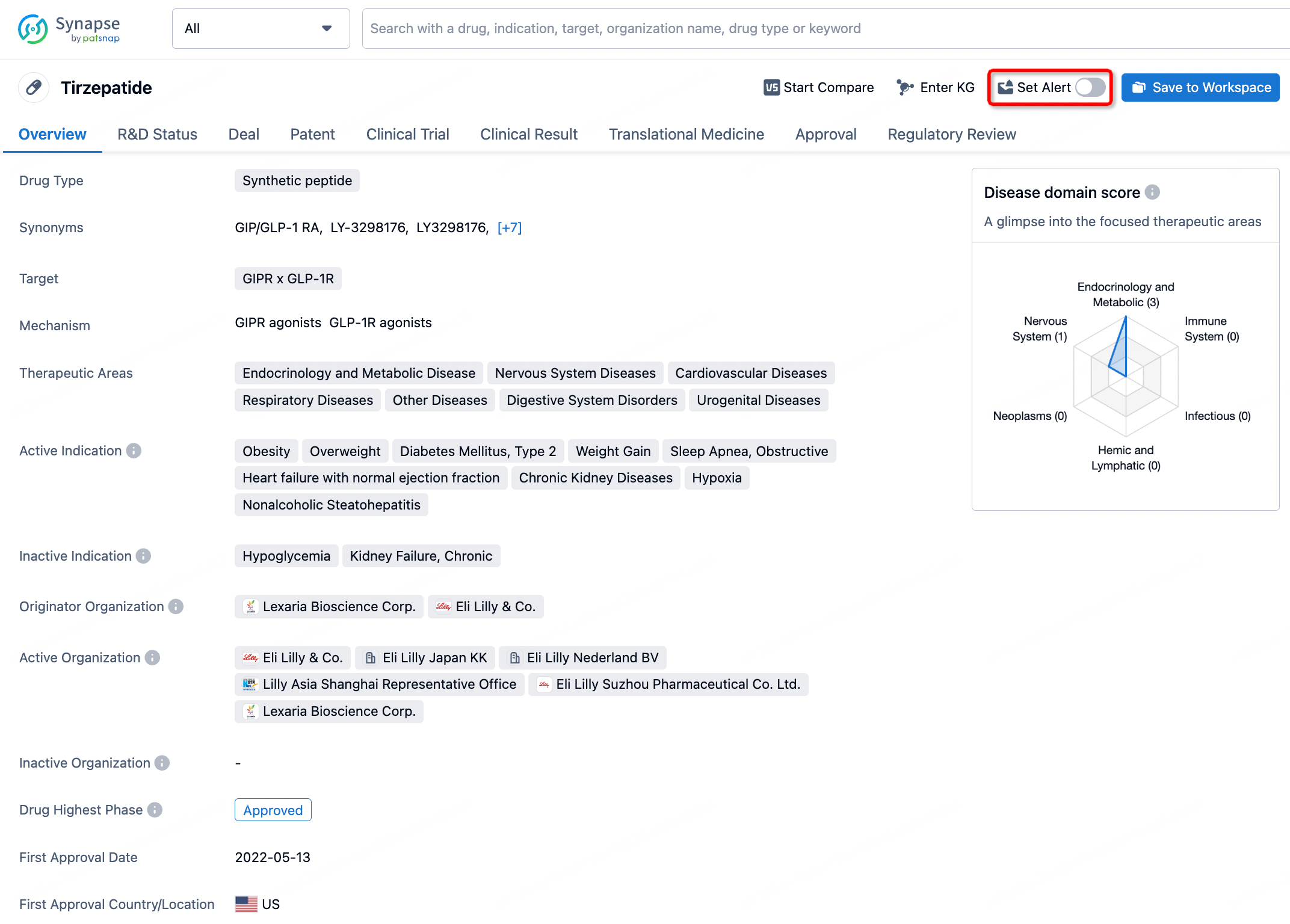
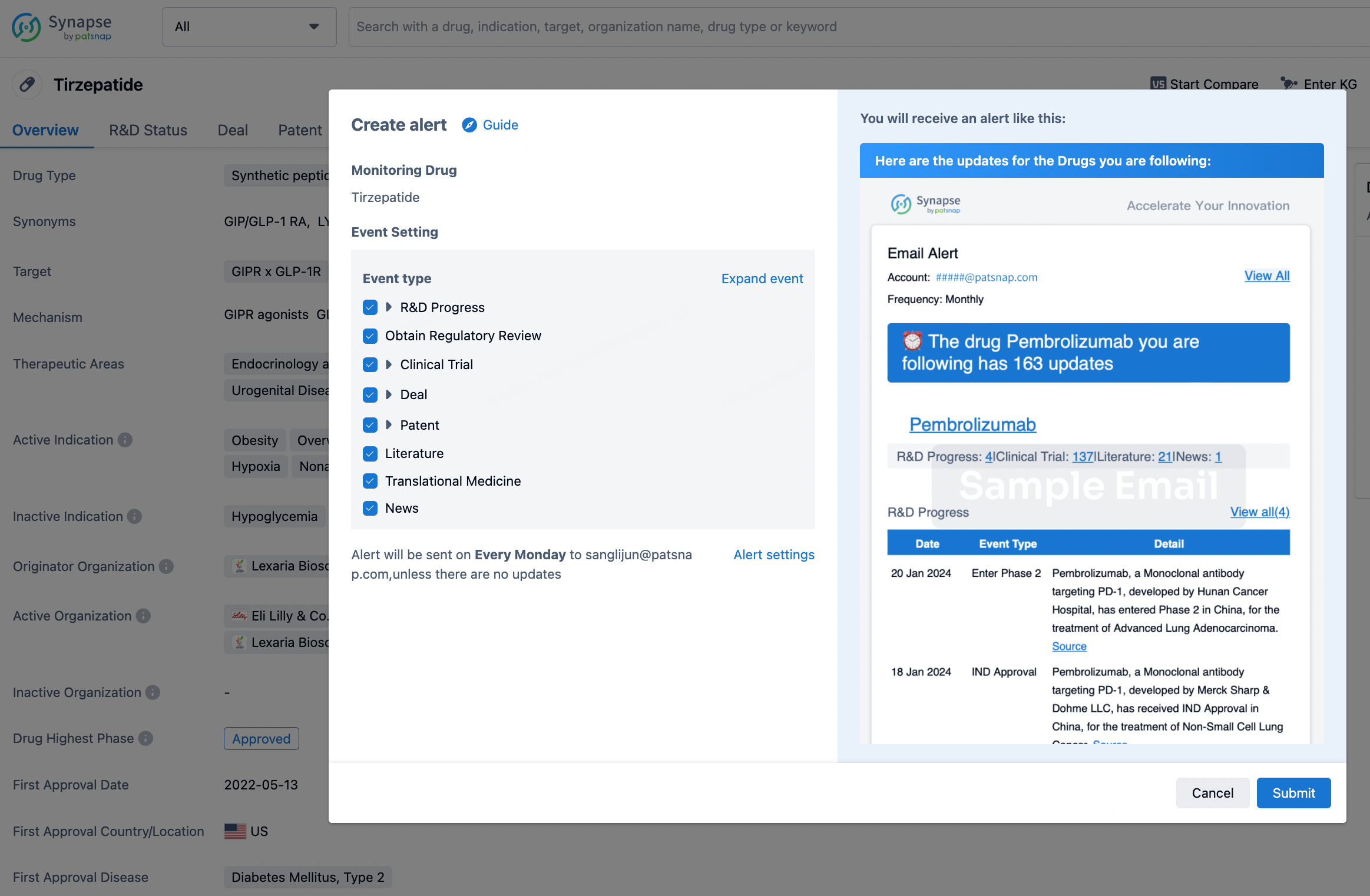
In the Synapse database, you can stay updated on the latest research and development advances of all drugs. This service is accessible anytime and anywhere, with updates available daily or weekly. Use the "Set Alert" function to stay informed. Click on the image below to embark on a brand new journey of drug discovery!
AI Agents Built for Biopharma Breakthroughs
Accelerate discovery. Empower decisions. Transform outcomes.
Get started for free today!
Accelerate Strategic R&D decision making with Synapse, PatSnap’s AI-powered Connected Innovation Intelligence Platform Built for Life Sciences Professionals.
Start your data trial now!
Synapse data is also accessible to external entities via APIs or data packages. Empower better decisions with the latest in pharmaceutical intelligence.