Request Demo
What are the side effects of shigyakusan?
12 July 2024
Shigyakusan, also known as "Shigyaku-san" or "Shigyaku Powder," is a traditional Chinese herbal medicine often used to treat gastrointestinal issues and other ailments. While many people use shigyakusan for its therapeutic benefits, it is essential to be aware of its potential side effects. Understanding these side effects can help users make informed decisions and take necessary precautions.
One common side effect of shigyakusan is gastrointestinal discomfort. This may include symptoms such as nausea, vomiting, and diarrhea. These symptoms typically occur when the dosage is too high or when the body is hypersensitive to the ingredients in the formula. To minimize these risks, it is crucial to follow the recommended dosage and consult a healthcare professional before beginning treatment.
Allergic reactions are another possible side effect of shigyakusan. As with any herbal remedy, individuals may be allergic to one or more components in the formula. Symptoms of an allergic reaction can range from mild, such as a rash or itching, to severe, such as difficulty breathing or swelling of the face and throat. If any signs of an allergic reaction occur, it is important to discontinue use immediately and seek medical attention.
Some people may experience dizziness or lightheadedness when taking shigyakusan. This side effect is often due to the body's response to certain herbs in the formula, which can affect blood pressure or circulation. If dizziness occurs, it is advisable to sit or lie down until the feeling passes, and consult a healthcare provider to determine if the herbal remedy is suitable for continued use.
Headaches are another potential side effect of shigyakusan. These may be caused by the body's reaction to the herbs or an indication that the dosage is too high. If headaches persist, it is essential to reassess the dosage with a healthcare professional and ensure that the herbal remedy is being used correctly.
Shigyakusan can also interact with other medications, leading to adverse effects. For instance, it may affect the metabolism of certain drugs, either increasing or decreasing their effectiveness. Therefore, it is important to inform your healthcare provider about all medications and supplements you are taking before starting shigyakusan. This will help to prevent potential drug interactions and ensure the safe use of the herbal remedy.
Fatigue or lethargy is another side effect that some individuals may experience when taking shigyakusan. This could be due to the body's adjustment to the formula or an indication that the dosage needs to be modified. If fatigue persists, it is essential to evaluate the situation with a healthcare professional.
It is also worth noting that the long-term use of shigyakusan has not been extensively studied, so the potential for chronic side effects remains uncertain. Therefore, it is advisable to use this herbal remedy under the guidance of a healthcare provider and for the shortest duration needed to achieve the desired therapeutic effects.
In conclusion, while shigyakusan can offer various health benefits, it is essential to be aware of its potential side effects, such as gastrointestinal discomfort, allergic reactions, dizziness, headaches, drug interactions, and fatigue. Consulting with a healthcare professional before starting shigyakusan can help mitigate these risks and ensure its safe and effective use.
One common side effect of shigyakusan is gastrointestinal discomfort. This may include symptoms such as nausea, vomiting, and diarrhea. These symptoms typically occur when the dosage is too high or when the body is hypersensitive to the ingredients in the formula. To minimize these risks, it is crucial to follow the recommended dosage and consult a healthcare professional before beginning treatment.
Allergic reactions are another possible side effect of shigyakusan. As with any herbal remedy, individuals may be allergic to one or more components in the formula. Symptoms of an allergic reaction can range from mild, such as a rash or itching, to severe, such as difficulty breathing or swelling of the face and throat. If any signs of an allergic reaction occur, it is important to discontinue use immediately and seek medical attention.
Some people may experience dizziness or lightheadedness when taking shigyakusan. This side effect is often due to the body's response to certain herbs in the formula, which can affect blood pressure or circulation. If dizziness occurs, it is advisable to sit or lie down until the feeling passes, and consult a healthcare provider to determine if the herbal remedy is suitable for continued use.
Headaches are another potential side effect of shigyakusan. These may be caused by the body's reaction to the herbs or an indication that the dosage is too high. If headaches persist, it is essential to reassess the dosage with a healthcare professional and ensure that the herbal remedy is being used correctly.
Shigyakusan can also interact with other medications, leading to adverse effects. For instance, it may affect the metabolism of certain drugs, either increasing or decreasing their effectiveness. Therefore, it is important to inform your healthcare provider about all medications and supplements you are taking before starting shigyakusan. This will help to prevent potential drug interactions and ensure the safe use of the herbal remedy.
Fatigue or lethargy is another side effect that some individuals may experience when taking shigyakusan. This could be due to the body's adjustment to the formula or an indication that the dosage needs to be modified. If fatigue persists, it is essential to evaluate the situation with a healthcare professional.
It is also worth noting that the long-term use of shigyakusan has not been extensively studied, so the potential for chronic side effects remains uncertain. Therefore, it is advisable to use this herbal remedy under the guidance of a healthcare provider and for the shortest duration needed to achieve the desired therapeutic effects.
In conclusion, while shigyakusan can offer various health benefits, it is essential to be aware of its potential side effects, such as gastrointestinal discomfort, allergic reactions, dizziness, headaches, drug interactions, and fatigue. Consulting with a healthcare professional before starting shigyakusan can help mitigate these risks and ensure its safe and effective use.
How to obtain the latest development progress of all drugs?
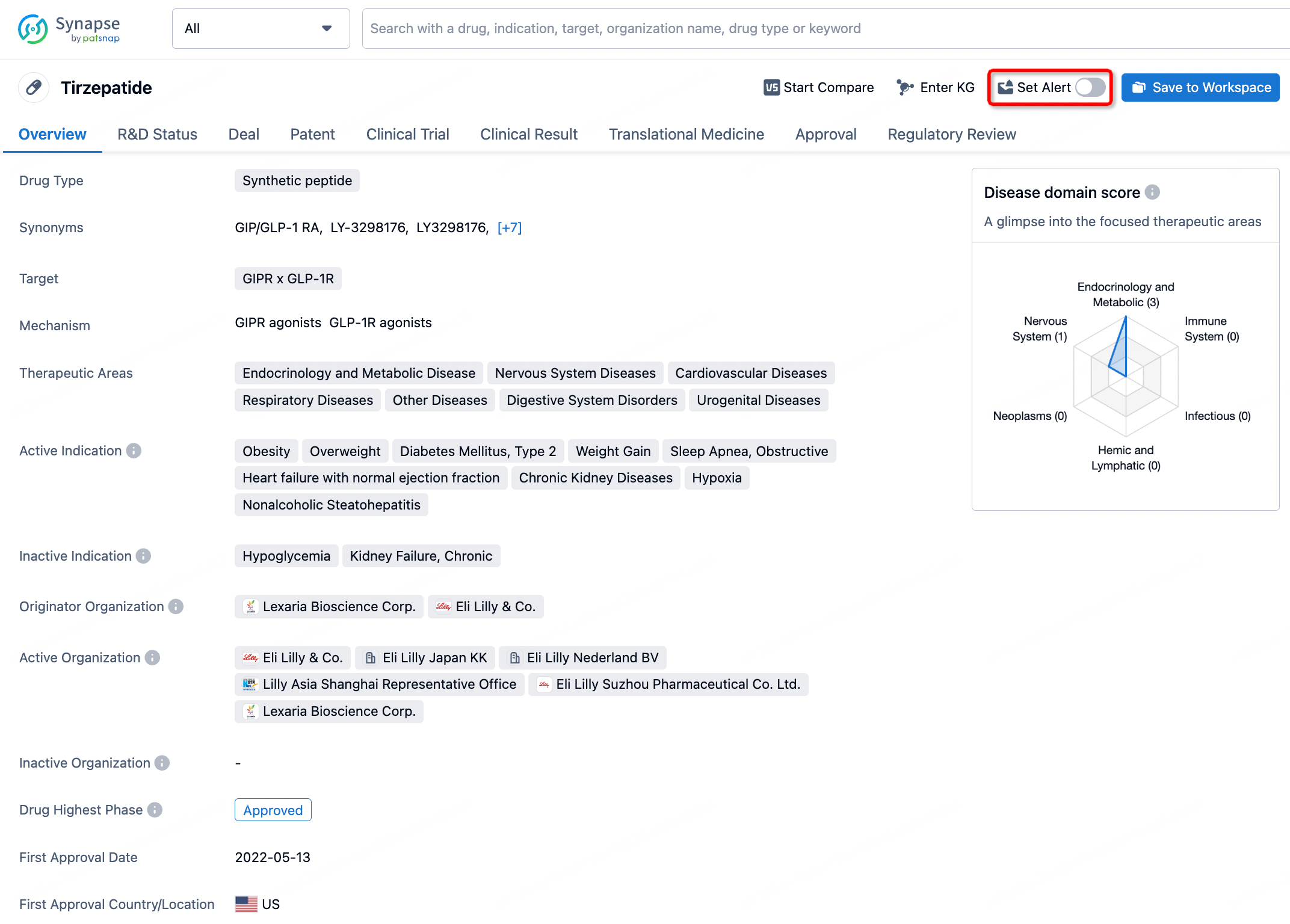
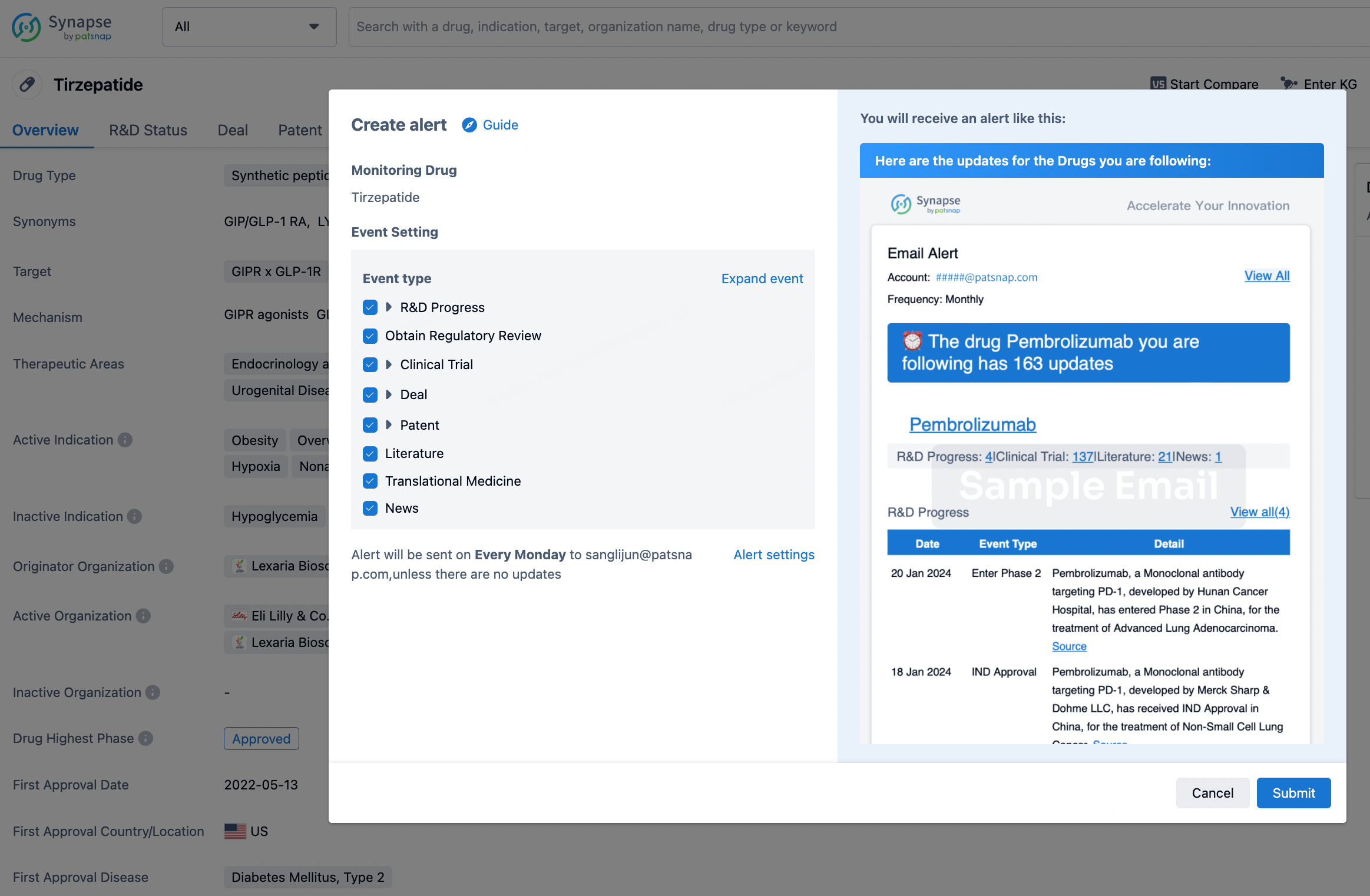
In the Synapse database, you can stay updated on the latest research and development advances of all drugs. This service is accessible anytime and anywhere, with updates available daily or weekly. Use the "Set Alert" function to stay informed. Click on the image below to embark on a brand new journey of drug discovery!

AI Agents Built for Biopharma Breakthroughs
Accelerate discovery. Empower decisions. Transform outcomes.
Get started for free today!
Accelerate Strategic R&D decision making with Synapse, PatSnap’s AI-powered Connected Innovation Intelligence Platform Built for Life Sciences Professionals.
Start your data trial now!
Synapse data is also accessible to external entities via APIs or data packages. Empower better decisions with the latest in pharmaceutical intelligence.