Request Demo
What are the side effects of Sinupret?
12 July 2024
Sinupret is a herbal medication commonly used to relieve symptoms of sinusitis, such as nasal congestion and inflammation. While it is generally considered safe for most individuals, like any medication, it may cause side effects in some people. Understanding these potential side effects can help you make an informed decision about whether Sinupret is right for you.
One of the most commonly reported side effects of Sinupret is gastrointestinal discomfort. This can include symptoms such as nausea, stomach pain, diarrhea, and vomiting. These symptoms are usually mild and may subside as your body adjusts to the medication. However, if these symptoms persist or worsen, it is important to consult your physician.
Allergic reactions are another possible side effect of Sinupret. Though rare, some individuals may experience symptoms such as itching, rash, hives, or swelling of the face, lips, tongue, or throat. In severe cases, an allergic reaction can lead to difficulty breathing and may require immediate medical attention. If you have a history of allergies to any of the ingredients in Sinupret, it is crucial to discuss this with your healthcare provider before starting the medication.
Sinupret contains several herbal components, including gentian root, primrose flowers, sorrel herb, elderflowers, and vervain herb. Each of these ingredients can potentially cause side effects. For instance, primrose flowers might cause mild dizziness or drowsiness in some individuals. If you experience any unusual symptoms after taking Sinupret, it is advisable to stop the medication and seek medical advice.
Some users have reported experiencing headaches as a side effect of taking Sinupret. While headaches can be a common ailment unrelated to medication, if you notice a consistent pattern of headaches after starting Sinupret, it may be worth discussing with your healthcare provider.
Sleep disturbances, such as difficulty falling asleep or staying asleep, have also been reported by some individuals taking Sinupret. If you find that your sleep patterns are disrupted, it may be helpful to monitor your symptoms and consult with a healthcare professional to determine whether Sinupret is the cause.
Though not extensively documented, there is a possibility that Sinupret could interact with other medications you are currently taking. Herbal medications can sometimes enhance or diminish the effects of prescription drugs. Therefore, it is essential to inform your healthcare provider of all medications and supplements you are taking to avoid potential interactions.
On rare occasions, some individuals may experience changes in blood pressure or heart rate after taking Sinupret. If you have cardiovascular conditions or are taking medications that affect your heart or blood pressure, it is particularly important to monitor your condition and discuss any changes with your healthcare provider.
It should be noted that while these side effects are possible, many people take Sinupret without experiencing any adverse effects. The herbal nature of Sinupret often leads people to assume it is entirely safe, but like any medication, it can affect individuals differently. Always follow the recommended dosage instructions and consult a healthcare professional if you have any concerns or pre-existing health conditions.
In conclusion, while Sinupret is a widely used remedy for sinusitis with a generally favorable safety profile, it is not without potential side effects. Gastrointestinal discomfort, allergic reactions, headaches, sleep disturbances, and potential interactions with other medications are some of the side effects that users may experience. Being aware of these possibilities and consulting with your healthcare provider can help ensure that you use Sinupret safely and effectively.
One of the most commonly reported side effects of Sinupret is gastrointestinal discomfort. This can include symptoms such as nausea, stomach pain, diarrhea, and vomiting. These symptoms are usually mild and may subside as your body adjusts to the medication. However, if these symptoms persist or worsen, it is important to consult your physician.
Allergic reactions are another possible side effect of Sinupret. Though rare, some individuals may experience symptoms such as itching, rash, hives, or swelling of the face, lips, tongue, or throat. In severe cases, an allergic reaction can lead to difficulty breathing and may require immediate medical attention. If you have a history of allergies to any of the ingredients in Sinupret, it is crucial to discuss this with your healthcare provider before starting the medication.
Sinupret contains several herbal components, including gentian root, primrose flowers, sorrel herb, elderflowers, and vervain herb. Each of these ingredients can potentially cause side effects. For instance, primrose flowers might cause mild dizziness or drowsiness in some individuals. If you experience any unusual symptoms after taking Sinupret, it is advisable to stop the medication and seek medical advice.
Some users have reported experiencing headaches as a side effect of taking Sinupret. While headaches can be a common ailment unrelated to medication, if you notice a consistent pattern of headaches after starting Sinupret, it may be worth discussing with your healthcare provider.
Sleep disturbances, such as difficulty falling asleep or staying asleep, have also been reported by some individuals taking Sinupret. If you find that your sleep patterns are disrupted, it may be helpful to monitor your symptoms and consult with a healthcare professional to determine whether Sinupret is the cause.
Though not extensively documented, there is a possibility that Sinupret could interact with other medications you are currently taking. Herbal medications can sometimes enhance or diminish the effects of prescription drugs. Therefore, it is essential to inform your healthcare provider of all medications and supplements you are taking to avoid potential interactions.
On rare occasions, some individuals may experience changes in blood pressure or heart rate after taking Sinupret. If you have cardiovascular conditions or are taking medications that affect your heart or blood pressure, it is particularly important to monitor your condition and discuss any changes with your healthcare provider.
It should be noted that while these side effects are possible, many people take Sinupret without experiencing any adverse effects. The herbal nature of Sinupret often leads people to assume it is entirely safe, but like any medication, it can affect individuals differently. Always follow the recommended dosage instructions and consult a healthcare professional if you have any concerns or pre-existing health conditions.
In conclusion, while Sinupret is a widely used remedy for sinusitis with a generally favorable safety profile, it is not without potential side effects. Gastrointestinal discomfort, allergic reactions, headaches, sleep disturbances, and potential interactions with other medications are some of the side effects that users may experience. Being aware of these possibilities and consulting with your healthcare provider can help ensure that you use Sinupret safely and effectively.
How to obtain the latest development progress of all drugs?
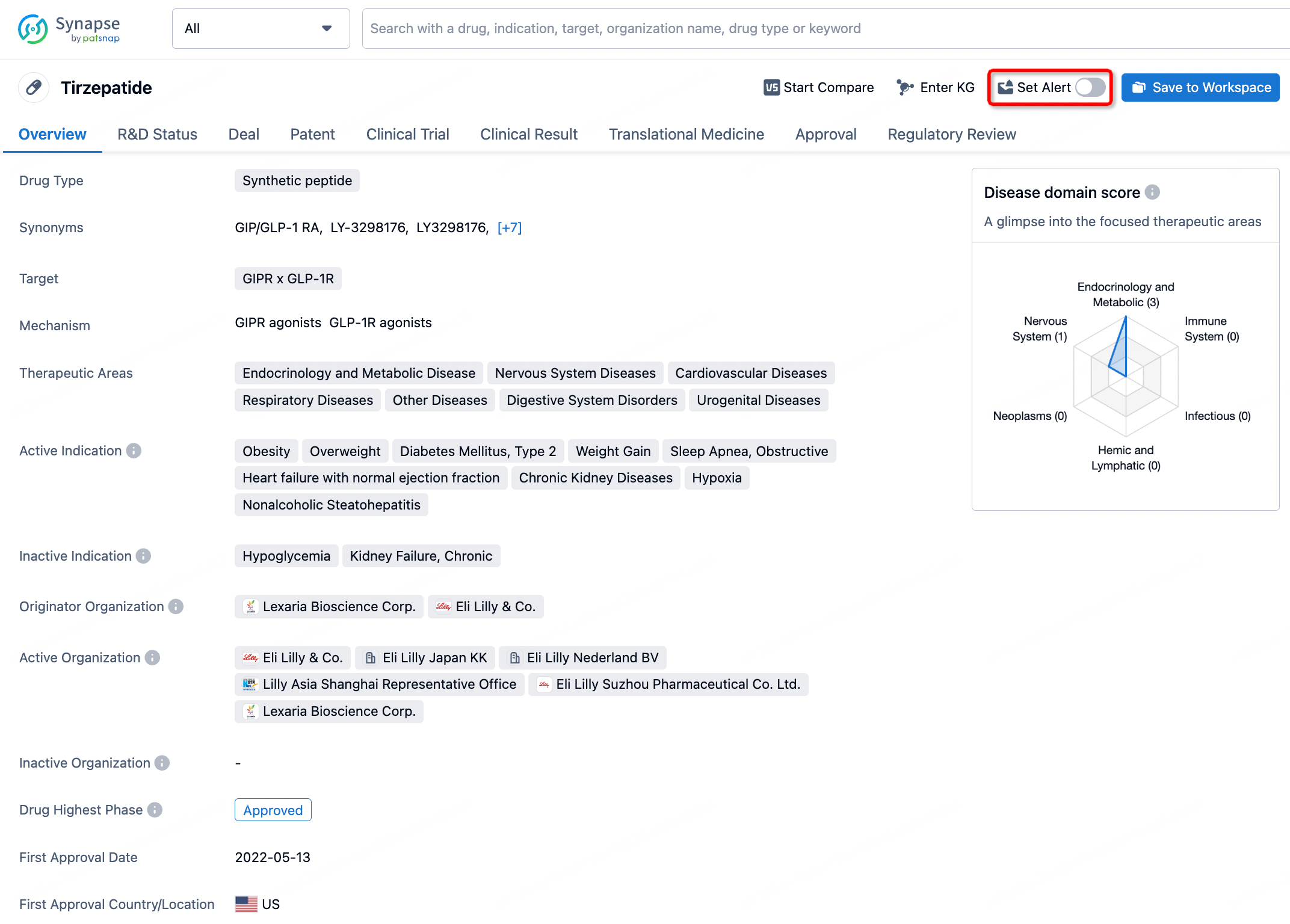
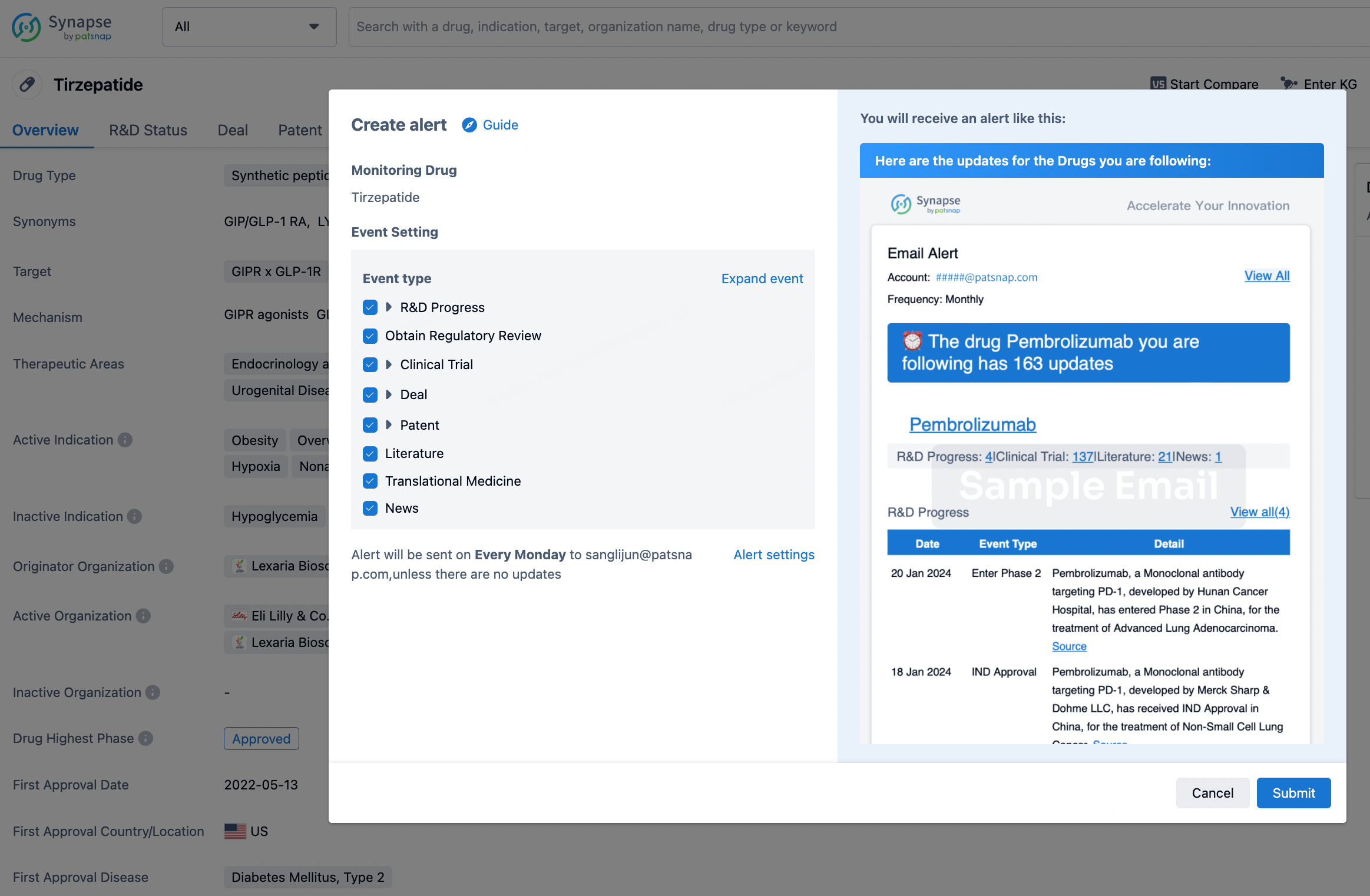
In the Synapse database, you can stay updated on the latest research and development advances of all drugs. This service is accessible anytime and anywhere, with updates available daily or weekly. Use the "Set Alert" function to stay informed. Click on the image below to embark on a brand new journey of drug discovery!

AI Agents Built for Biopharma Breakthroughs
Accelerate discovery. Empower decisions. Transform outcomes.
Get started for free today!
Accelerate Strategic R&D decision making with Synapse, PatSnap’s AI-powered Connected Innovation Intelligence Platform Built for Life Sciences Professionals.
Start your data trial now!
Synapse data is also accessible to external entities via APIs or data packages. Empower better decisions with the latest in pharmaceutical intelligence.