Request Demo
What are the side effects of Stanozolol?
12 July 2024
Stanozolol, commonly known by its brand name Winstrol, is an anabolic steroid that is used by athletes and bodybuilders to enhance performance and physical appearance. While its intended effects include increased muscle mass, strength, and endurance, Stanozolol is associated with a range of side effects that can have serious implications for the user's health.
One of the most concerning side effects of Stanozolol is liver toxicity. Like other oral anabolic steroids, Stanozolol is processed through the liver and can cause significant strain on this vital organ. Prolonged use or high doses can lead to liver damage, liver cancer, or acute liver failure. Users may experience symptoms such as jaundice, severe abdominal pain, and darkened urine, which are indicators of liver distress.
Another notable side effect is the impact on cardiovascular health. Stanozolol can negatively affect cholesterol levels by lowering HDL (good cholesterol) and raising LDL (bad cholesterol). This imbalance increases the risk of developing atherosclerosis, a condition characterized by the buildup of plaque in the arteries, which can lead to heart attacks, strokes, and other cardiovascular diseases. Additionally, Stanozolol can cause hypertension (high blood pressure), further exacerbating cardiovascular risks.
Hormonal imbalances are also a significant concern. In men, Stanozolol can cause a reduction in natural testosterone production, leading to testicular atrophy, decreased libido, and infertility. Gynecomastia, the development of breast tissue in men, can also occur due to hormonal fluctuations. In women, Stanozolol can cause virilization, which includes symptoms such as deepening of the voice, increased body hair, and menstrual irregularities. These changes can be irreversible even after discontinuing the drug.
Musculoskeletal issues may arise as well. Stanozolol can cause joint pain and an increased risk of tendon ruptures. This is because the drug can dry out the joints and tendons, making them more susceptible to injury. Athletes using Stanozolol may find that while their muscles grow stronger, their connective tissues do not keep pace, leading to a higher likelihood of strains and tears.
Psychological effects should not be overlooked. Some users report mood swings, aggression, irritability, and even depression. These mental health issues can be exacerbated by the physical changes and health concerns associated with steroid use, creating a vicious cycle of psychological stress.
Stanozolol can also affect the skin. Users often experience acne and oily skin due to increased sebum production. Hair loss is another potential side effect, particularly in those predisposed to male pattern baldness. The cosmetic effects can be distressing and contribute to the psychological burden of using the steroid.
Lastly, the risk of dependence and withdrawal is a serious issue. Individuals using Stanozolol for extended periods can develop a dependence on the drug. When they attempt to stop, they may experience withdrawal symptoms such as fatigue, weakness, and depression, making it challenging to discontinue use without medical assistance.
In conclusion, while Stanozolol may offer short-term benefits in terms of muscle growth and athletic performance, the potential side effects are numerous and significant. Liver toxicity, cardiovascular risks, hormonal imbalances, musculoskeletal issues, psychological effects, skin problems, and the risk of dependence all make Stanozolol a potentially dangerous substance. Anyone considering its use should weigh these risks carefully and consult with a medical professional to discuss safer alternatives for achieving their fitness goals.
One of the most concerning side effects of Stanozolol is liver toxicity. Like other oral anabolic steroids, Stanozolol is processed through the liver and can cause significant strain on this vital organ. Prolonged use or high doses can lead to liver damage, liver cancer, or acute liver failure. Users may experience symptoms such as jaundice, severe abdominal pain, and darkened urine, which are indicators of liver distress.
Another notable side effect is the impact on cardiovascular health. Stanozolol can negatively affect cholesterol levels by lowering HDL (good cholesterol) and raising LDL (bad cholesterol). This imbalance increases the risk of developing atherosclerosis, a condition characterized by the buildup of plaque in the arteries, which can lead to heart attacks, strokes, and other cardiovascular diseases. Additionally, Stanozolol can cause hypertension (high blood pressure), further exacerbating cardiovascular risks.
Hormonal imbalances are also a significant concern. In men, Stanozolol can cause a reduction in natural testosterone production, leading to testicular atrophy, decreased libido, and infertility. Gynecomastia, the development of breast tissue in men, can also occur due to hormonal fluctuations. In women, Stanozolol can cause virilization, which includes symptoms such as deepening of the voice, increased body hair, and menstrual irregularities. These changes can be irreversible even after discontinuing the drug.
Musculoskeletal issues may arise as well. Stanozolol can cause joint pain and an increased risk of tendon ruptures. This is because the drug can dry out the joints and tendons, making them more susceptible to injury. Athletes using Stanozolol may find that while their muscles grow stronger, their connective tissues do not keep pace, leading to a higher likelihood of strains and tears.
Psychological effects should not be overlooked. Some users report mood swings, aggression, irritability, and even depression. These mental health issues can be exacerbated by the physical changes and health concerns associated with steroid use, creating a vicious cycle of psychological stress.
Stanozolol can also affect the skin. Users often experience acne and oily skin due to increased sebum production. Hair loss is another potential side effect, particularly in those predisposed to male pattern baldness. The cosmetic effects can be distressing and contribute to the psychological burden of using the steroid.
Lastly, the risk of dependence and withdrawal is a serious issue. Individuals using Stanozolol for extended periods can develop a dependence on the drug. When they attempt to stop, they may experience withdrawal symptoms such as fatigue, weakness, and depression, making it challenging to discontinue use without medical assistance.
In conclusion, while Stanozolol may offer short-term benefits in terms of muscle growth and athletic performance, the potential side effects are numerous and significant. Liver toxicity, cardiovascular risks, hormonal imbalances, musculoskeletal issues, psychological effects, skin problems, and the risk of dependence all make Stanozolol a potentially dangerous substance. Anyone considering its use should weigh these risks carefully and consult with a medical professional to discuss safer alternatives for achieving their fitness goals.
How to obtain the latest development progress of all drugs?
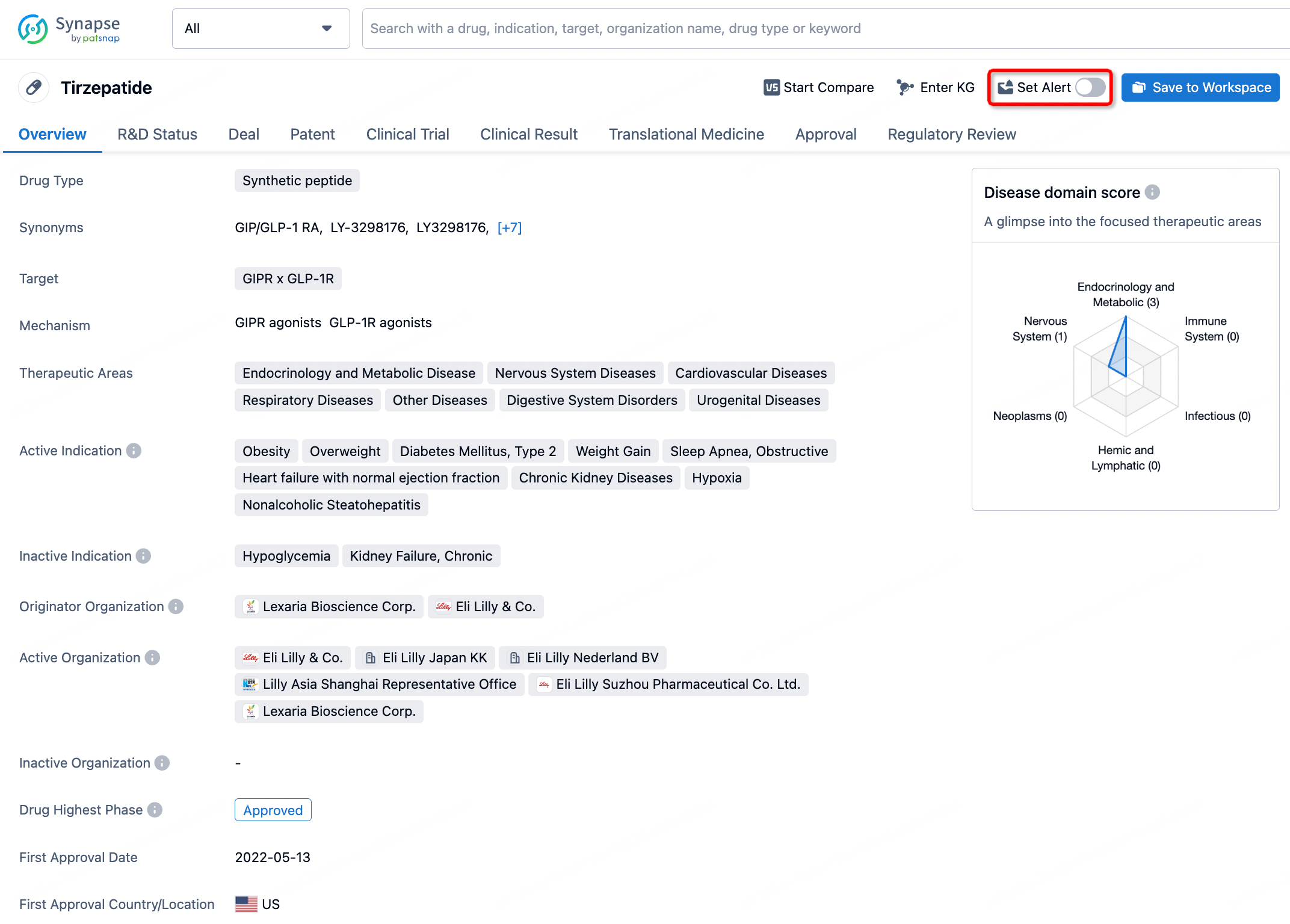
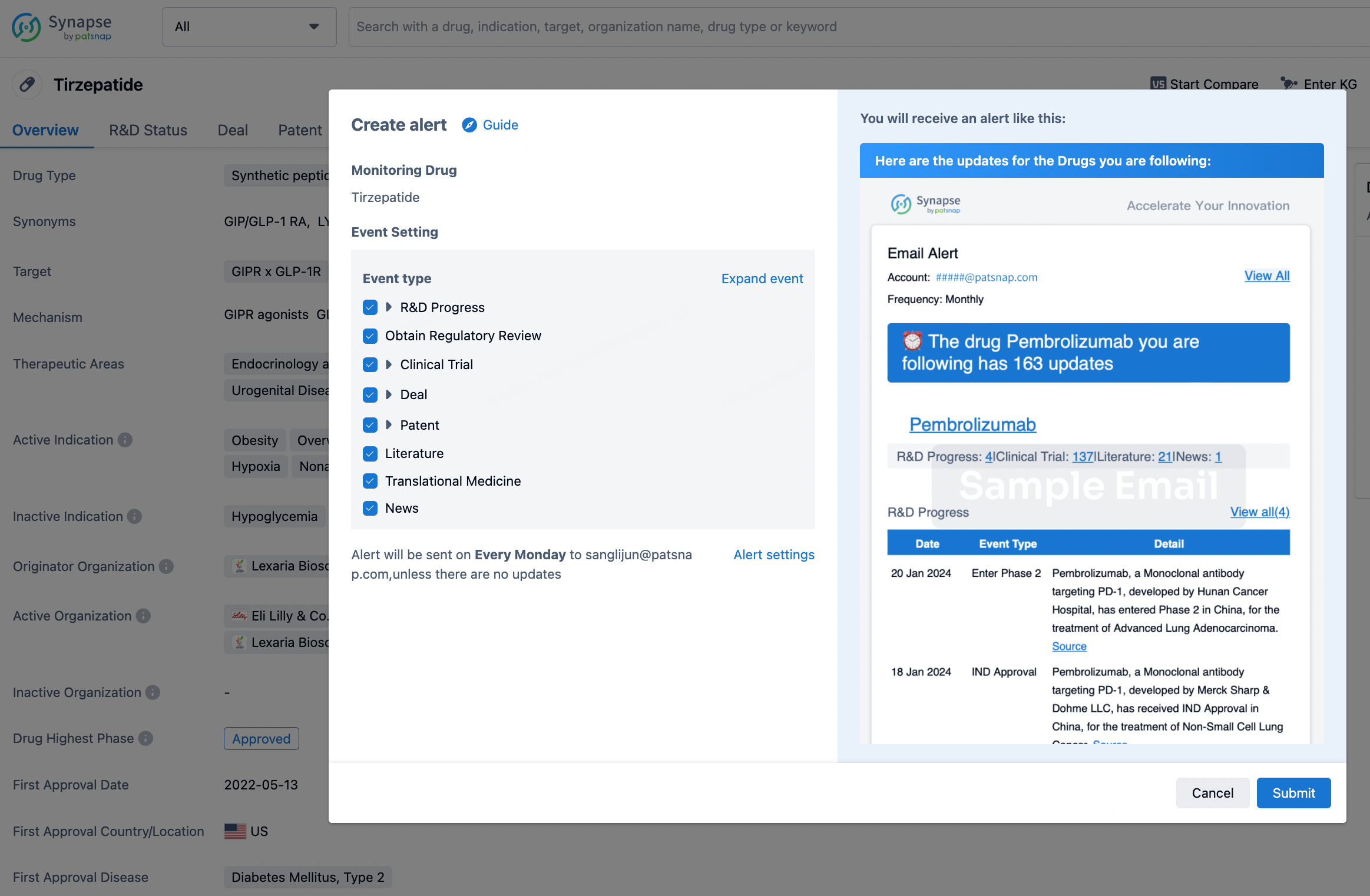
In the Synapse database, you can stay updated on the latest research and development advances of all drugs. This service is accessible anytime and anywhere, with updates available daily or weekly. Use the "Set Alert" function to stay informed. Click on the image below to embark on a brand new journey of drug discovery!
AI Agents Built for Biopharma Breakthroughs
Accelerate discovery. Empower decisions. Transform outcomes.
Get started for free today!
Accelerate Strategic R&D decision making with Synapse, PatSnap’s AI-powered Connected Innovation Intelligence Platform Built for Life Sciences Professionals.
Start your data trial now!
Synapse data is also accessible to external entities via APIs or data packages. Empower better decisions with the latest in pharmaceutical intelligence.