Request Demo
What are the side effects of Thioproperazine?
15 July 2024
Thioproperazine is an antipsychotic medication primarily used to treat schizophrenia and other serious mental health conditions. As with any medication, its use can be associated with various side effects. Understanding these potential side effects is crucial for patients and healthcare providers to ensure the safe and effective use of the drug. This article will explore the common, less common, and rare side effects associated with Thioproperazine.
Common Side Effects:
One of the most frequently reported side effects of Thioproperazine is drowsiness. Patients often experience sedation, which can affect their ability to perform daily activities, including driving or operating heavy machinery. Additionally, dry mouth is another common side effect, which may lead to discomfort and an increased risk of dental problems if not properly managed. Other common side effects include constipation and blurred vision. These effects are typically mild to moderate in severity and may diminish over time as the body adjusts to the medication.
Less Common Side Effects:
Some patients may experience less common side effects, such as weight gain. This can be a significant concern for individuals who are already struggling with weight management issues. Another less common side effect is orthostatic hypotension, a condition characterized by a sudden drop in blood pressure upon standing up. This can lead to dizziness, light-headedness, and even fainting in severe cases. Patients should be cautious when changing positions and should report any persistent symptoms to their healthcare provider.
Another less common but notable side effect is extrapyramidal symptoms (EPS). These symptoms include tremors, rigidity, bradykinesia (slowness of movement), and dystonia (muscle contractions causing abnormal movements or postures). EPS can be particularly distressing and may require dose adjustments or the addition of medications to manage these symptoms.
Rare Side Effects:
Though rare, some side effects of Thioproperazine can be severe and warrant immediate medical attention. Tardive dyskinesia is a potentially irreversible condition characterized by involuntary, repetitive movements, often affecting the face and tongue. Early detection is essential, and patients should be regularly monitored for any signs of this condition.
Neuroleptic malignant syndrome (NMS) is another rare but life-threatening side effect. NMS presents with symptoms such as high fever, muscle rigidity, altered mental status, and autonomic dysfunction (e.g., irregular blood pressure, heart rate). Immediate medical intervention is required if NMS is suspected.
Additionally, Thioproperazine can cause blood disorders, such as agranulocytosis (a severe reduction in white blood cells) and thrombocytopenia (a low platelet count). Symptoms include fever, sore throat, and unusual bleeding or bruising. Regular blood tests may be necessary to monitor for these conditions.
Conclusion:
While Thioproperazine is an effective medication for managing certain mental health disorders, it is not without its potential side effects. Common side effects like drowsiness and dry mouth are usually manageable, but patients should remain vigilant for less common and rare side effects. Regular communication with a healthcare provider is essential to monitor and manage these side effects effectively. By staying informed and proactive, patients can use Thioproperazine safely and benefit from its therapeutic effects.
Common Side Effects:
One of the most frequently reported side effects of Thioproperazine is drowsiness. Patients often experience sedation, which can affect their ability to perform daily activities, including driving or operating heavy machinery. Additionally, dry mouth is another common side effect, which may lead to discomfort and an increased risk of dental problems if not properly managed. Other common side effects include constipation and blurred vision. These effects are typically mild to moderate in severity and may diminish over time as the body adjusts to the medication.
Less Common Side Effects:
Some patients may experience less common side effects, such as weight gain. This can be a significant concern for individuals who are already struggling with weight management issues. Another less common side effect is orthostatic hypotension, a condition characterized by a sudden drop in blood pressure upon standing up. This can lead to dizziness, light-headedness, and even fainting in severe cases. Patients should be cautious when changing positions and should report any persistent symptoms to their healthcare provider.
Another less common but notable side effect is extrapyramidal symptoms (EPS). These symptoms include tremors, rigidity, bradykinesia (slowness of movement), and dystonia (muscle contractions causing abnormal movements or postures). EPS can be particularly distressing and may require dose adjustments or the addition of medications to manage these symptoms.
Rare Side Effects:
Though rare, some side effects of Thioproperazine can be severe and warrant immediate medical attention. Tardive dyskinesia is a potentially irreversible condition characterized by involuntary, repetitive movements, often affecting the face and tongue. Early detection is essential, and patients should be regularly monitored for any signs of this condition.
Neuroleptic malignant syndrome (NMS) is another rare but life-threatening side effect. NMS presents with symptoms such as high fever, muscle rigidity, altered mental status, and autonomic dysfunction (e.g., irregular blood pressure, heart rate). Immediate medical intervention is required if NMS is suspected.
Additionally, Thioproperazine can cause blood disorders, such as agranulocytosis (a severe reduction in white blood cells) and thrombocytopenia (a low platelet count). Symptoms include fever, sore throat, and unusual bleeding or bruising. Regular blood tests may be necessary to monitor for these conditions.
Conclusion:
While Thioproperazine is an effective medication for managing certain mental health disorders, it is not without its potential side effects. Common side effects like drowsiness and dry mouth are usually manageable, but patients should remain vigilant for less common and rare side effects. Regular communication with a healthcare provider is essential to monitor and manage these side effects effectively. By staying informed and proactive, patients can use Thioproperazine safely and benefit from its therapeutic effects.
How to obtain the latest development progress of all drugs?
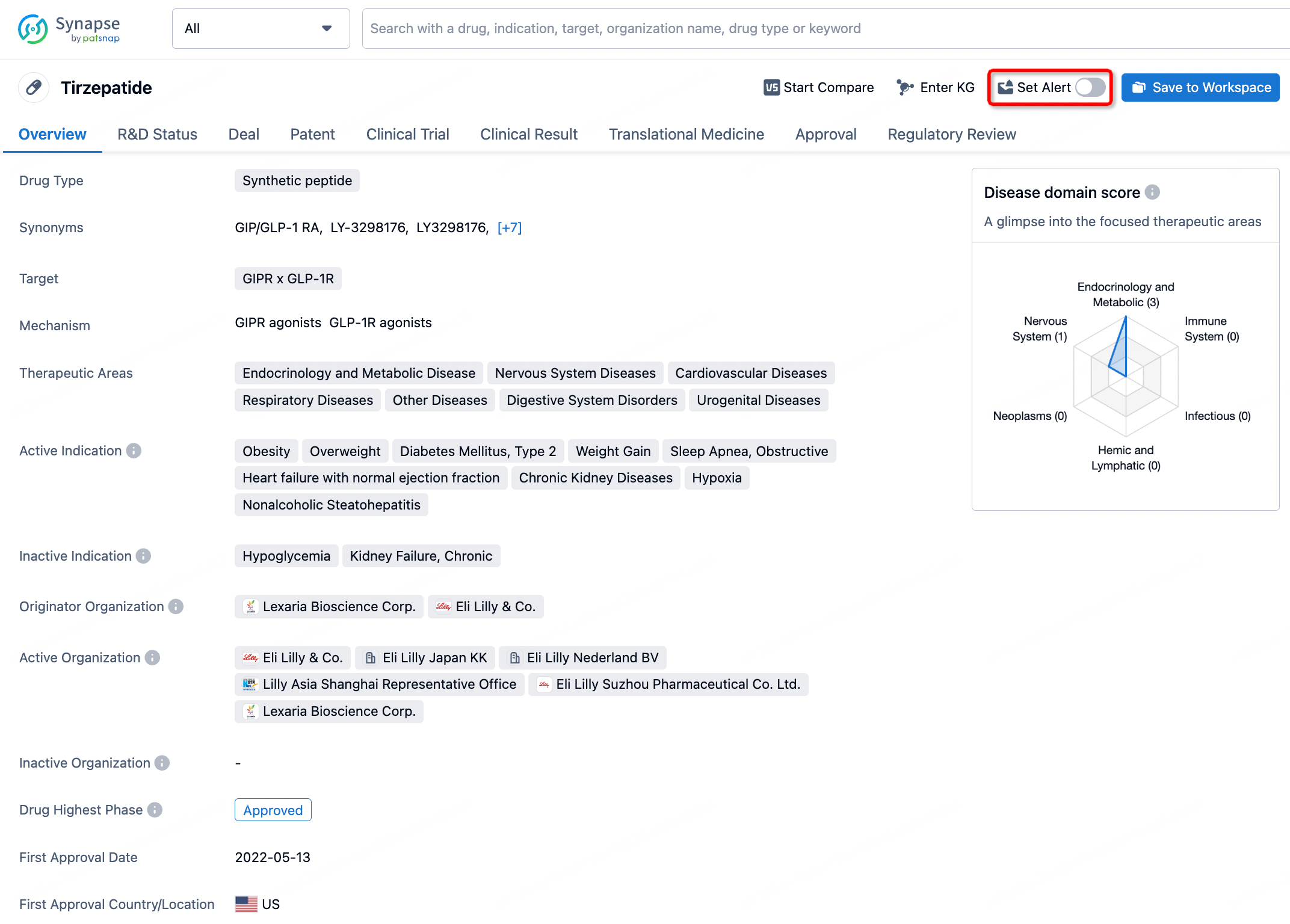
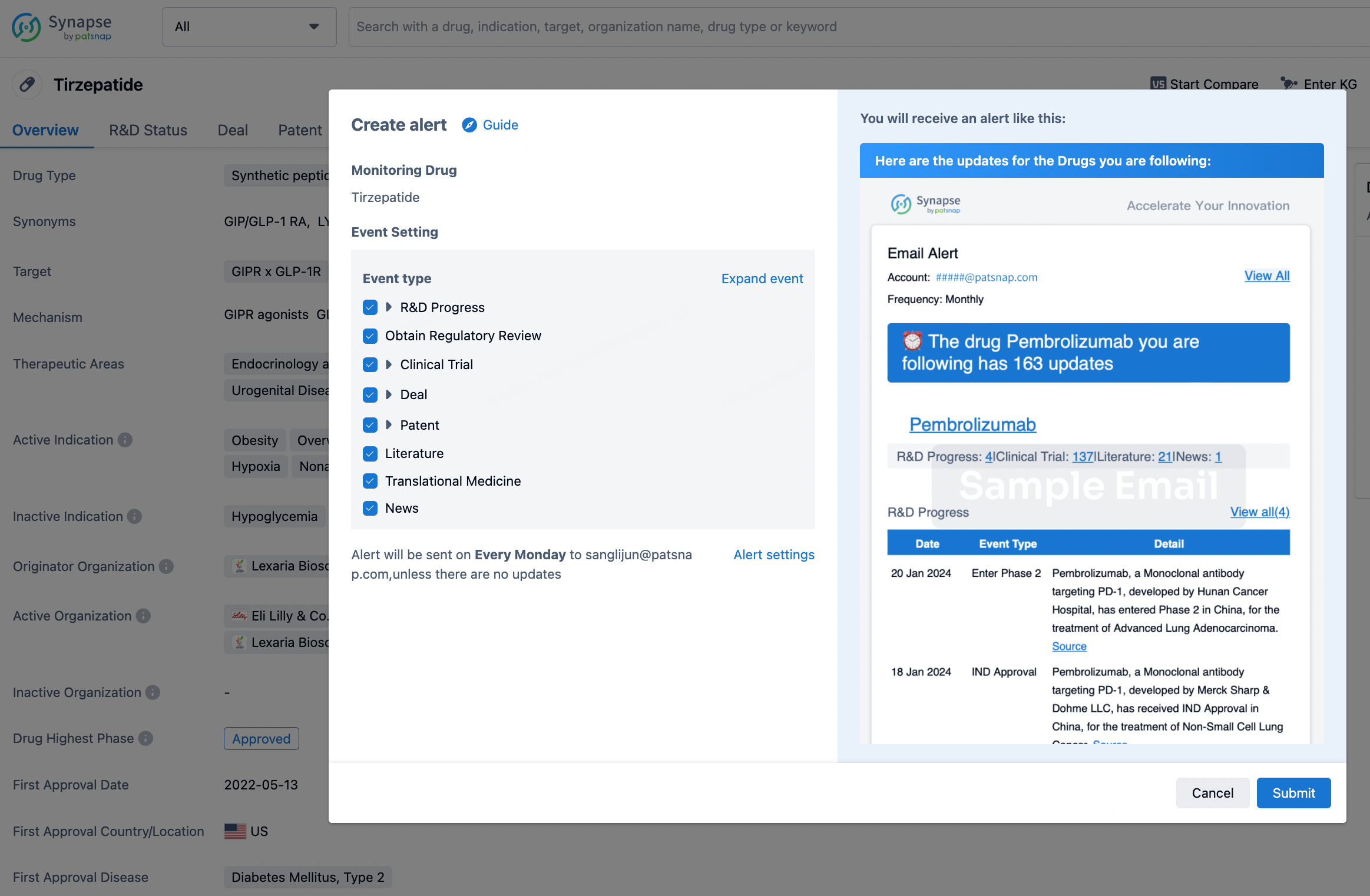
In the Synapse database, you can stay updated on the latest research and development advances of all drugs. This service is accessible anytime and anywhere, with updates available daily or weekly. Use the "Set Alert" function to stay informed. Click on the image below to embark on a brand new journey of drug discovery!

AI Agents Built for Biopharma Breakthroughs
Accelerate discovery. Empower decisions. Transform outcomes.
Get started for free today!
Accelerate Strategic R&D decision making with Synapse, PatSnap’s AI-powered Connected Innovation Intelligence Platform Built for Life Sciences Professionals.
Start your data trial now!
Synapse data is also accessible to external entities via APIs or data packages. Empower better decisions with the latest in pharmaceutical intelligence.