Request Demo
What are the side effects of Umirolimus?
12 July 2024
Umirolimus, also known as biolimus A9, is a pharmaceutical drug primarily used in drug-eluting stents to prevent restenosis, the re-narrowing of blood vessels following angioplasty. While the drug has demonstrated significant efficacy in reducing the risk of arterial blockages, it is important to be aware of its potential side effects. This article will delve into the common, less common, and rare side effects associated with Umirolimus.
Common Side Effects:
One of the most commonly reported side effects of Umirolimus is a localized reaction at the site of stent implantation. This can include inflammation, pain, and irritation. These symptoms typically subside within a few days to weeks after the procedure as the body adjusts to the stent and the medication.
Another frequent side effect is an increased risk of infection. Because Umirolimus suppresses the immune system to prevent the proliferation of cells that can lead to restenosis, it can also make the body more susceptible to infections. Patients are advised to monitor for signs of infection, such as fever, chills, or unusual discharge, and report these symptoms to their healthcare provider promptly.
Less Common Side Effects:
Less commonly, patients may experience systemic side effects, which can include fatigue, nausea, and headache. These symptoms might be due to the body’s response to the drug and the healing process following stent placement. If these symptoms persist or become bothersome, it is important to consult a healthcare provider for further evaluation and management.
Some patients may also report allergic reactions to Umirolimus, though this is relatively rare. Symptoms of an allergic reaction can include rash, itching, swelling, dizziness, and difficulty breathing. Immediate medical attention is required if any signs of a severe allergic reaction occur.
Rare Side Effects:
While rare, some severe side effects have been documented with the use of Umirolimus. These can include thrombosis (the formation of a blood clot inside a blood vessel), which can lead to serious complications such as heart attack or stroke. Patients with a history of clotting disorders or those on certain medications may be at increased risk and should discuss these risks with their healthcare provider before starting treatment.
Another rare but serious side effect is nephrotoxicity, or kidney damage. This is more likely to occur in patients with pre-existing kidney conditions or those who are taking other medications that affect kidney function. Regular monitoring of kidney function through blood tests may be recommended for patients on Umirolimus.
Long-term use of Umirolimus can also affect liver function, leading to hepatotoxicity. Symptoms of liver damage can include jaundice (yellowing of the skin or eyes), dark urine, severe fatigue, and abdominal pain. Monitoring liver function through periodic blood tests may be necessary for patients on long-term Umirolimus therapy.
Conclusion:
While Umirolimus offers significant benefits in the management of restenosis following angioplasty, it is not without potential side effects. Common side effects include localized reactions and an increased risk of infection, while less common side effects can include fatigue, nausea, headache, and allergic reactions. Rare but serious side effects such as thrombosis, nephrotoxicity, and hepatotoxicity can also occur. Patients should be well-informed about these risks and work closely with their healthcare provider to monitor for any adverse effects, ensuring prompt management and intervention when necessary. As always, a thorough discussion of the risks and benefits with a healthcare provider is essential before starting any new medication.
Common Side Effects:
One of the most commonly reported side effects of Umirolimus is a localized reaction at the site of stent implantation. This can include inflammation, pain, and irritation. These symptoms typically subside within a few days to weeks after the procedure as the body adjusts to the stent and the medication.
Another frequent side effect is an increased risk of infection. Because Umirolimus suppresses the immune system to prevent the proliferation of cells that can lead to restenosis, it can also make the body more susceptible to infections. Patients are advised to monitor for signs of infection, such as fever, chills, or unusual discharge, and report these symptoms to their healthcare provider promptly.
Less Common Side Effects:
Less commonly, patients may experience systemic side effects, which can include fatigue, nausea, and headache. These symptoms might be due to the body’s response to the drug and the healing process following stent placement. If these symptoms persist or become bothersome, it is important to consult a healthcare provider for further evaluation and management.
Some patients may also report allergic reactions to Umirolimus, though this is relatively rare. Symptoms of an allergic reaction can include rash, itching, swelling, dizziness, and difficulty breathing. Immediate medical attention is required if any signs of a severe allergic reaction occur.
Rare Side Effects:
While rare, some severe side effects have been documented with the use of Umirolimus. These can include thrombosis (the formation of a blood clot inside a blood vessel), which can lead to serious complications such as heart attack or stroke. Patients with a history of clotting disorders or those on certain medications may be at increased risk and should discuss these risks with their healthcare provider before starting treatment.
Another rare but serious side effect is nephrotoxicity, or kidney damage. This is more likely to occur in patients with pre-existing kidney conditions or those who are taking other medications that affect kidney function. Regular monitoring of kidney function through blood tests may be recommended for patients on Umirolimus.
Long-term use of Umirolimus can also affect liver function, leading to hepatotoxicity. Symptoms of liver damage can include jaundice (yellowing of the skin or eyes), dark urine, severe fatigue, and abdominal pain. Monitoring liver function through periodic blood tests may be necessary for patients on long-term Umirolimus therapy.
Conclusion:
While Umirolimus offers significant benefits in the management of restenosis following angioplasty, it is not without potential side effects. Common side effects include localized reactions and an increased risk of infection, while less common side effects can include fatigue, nausea, headache, and allergic reactions. Rare but serious side effects such as thrombosis, nephrotoxicity, and hepatotoxicity can also occur. Patients should be well-informed about these risks and work closely with their healthcare provider to monitor for any adverse effects, ensuring prompt management and intervention when necessary. As always, a thorough discussion of the risks and benefits with a healthcare provider is essential before starting any new medication.
How to obtain the latest development progress of all drugs?
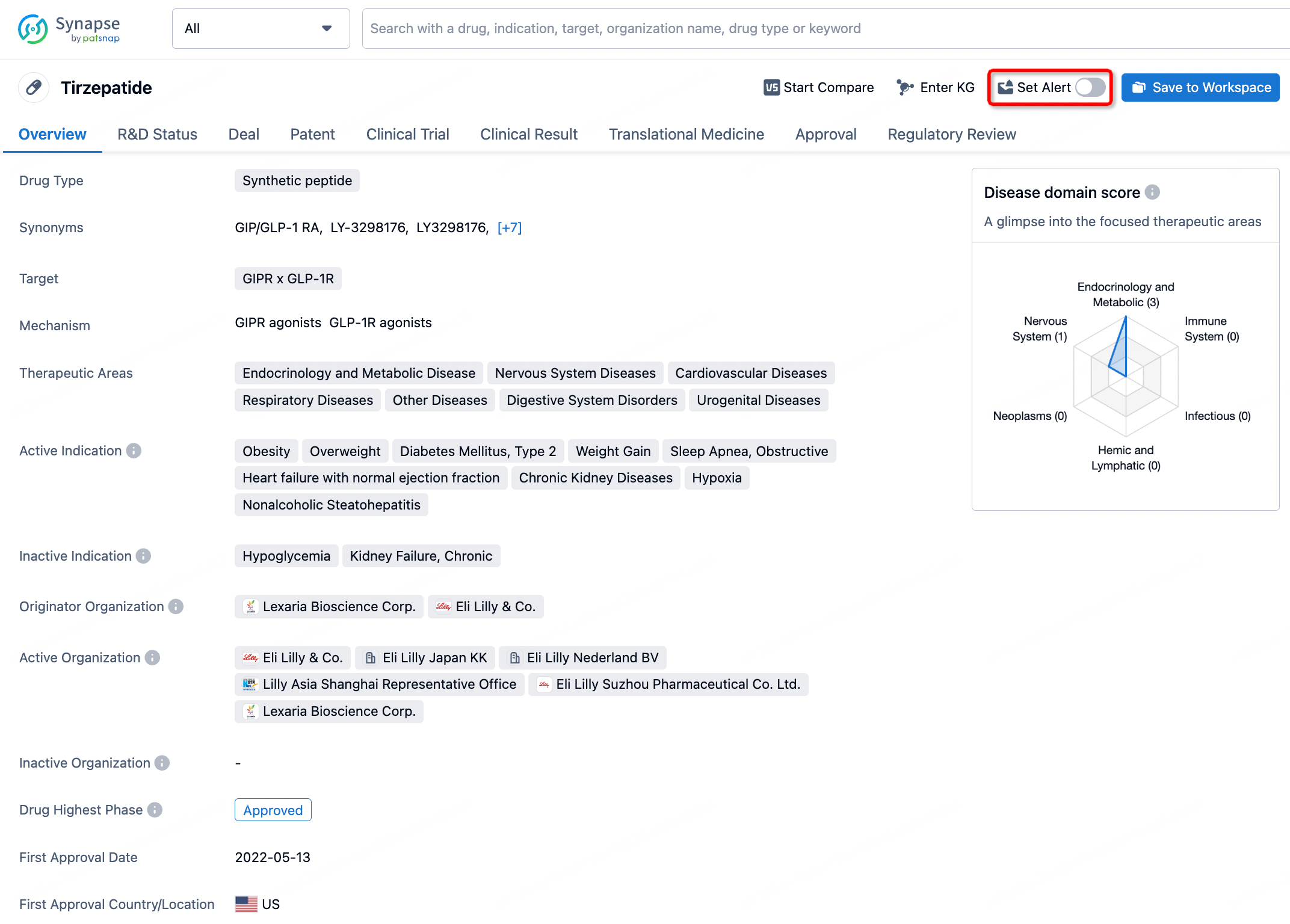
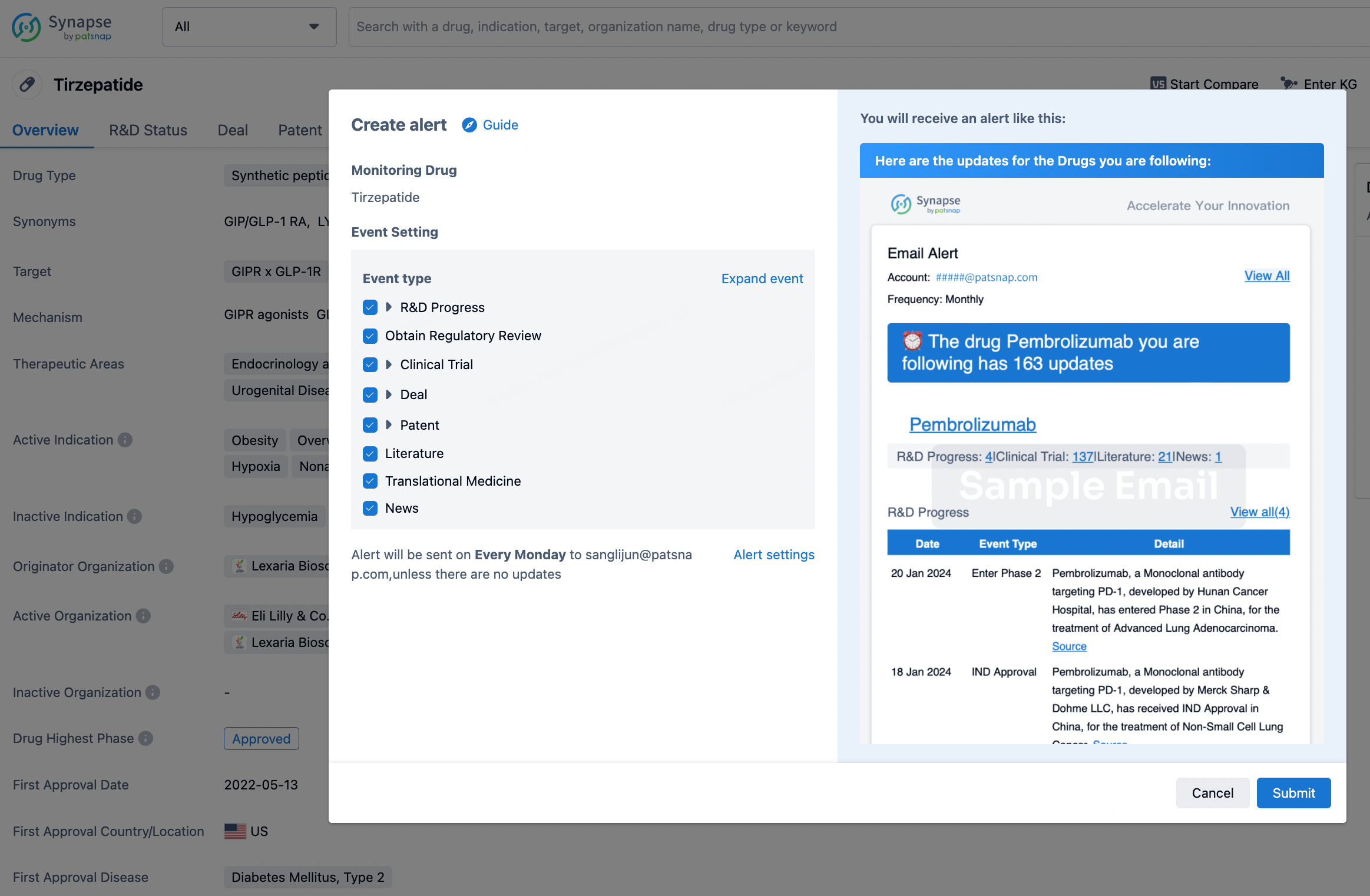
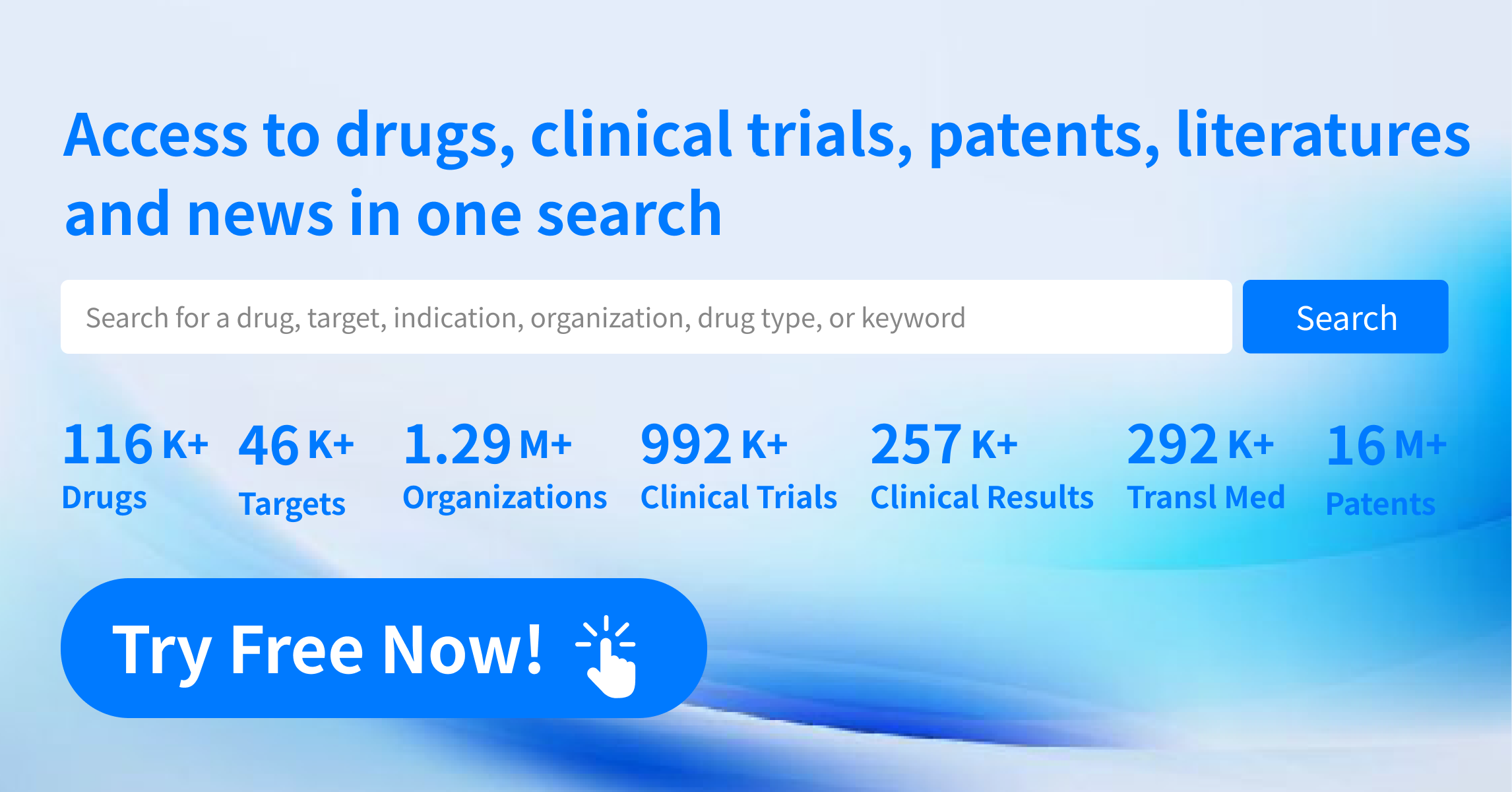
In the Synapse database, you can stay updated on the latest research and development advances of all drugs. This service is accessible anytime and anywhere, with updates available daily or weekly. Use the "Set Alert" function to stay informed. Click on the image below to embark on a brand new journey of drug discovery!
AI Agents Built for Biopharma Breakthroughs
Accelerate discovery. Empower decisions. Transform outcomes.
Get started for free today!
Accelerate Strategic R&D decision making with Synapse, PatSnap’s AI-powered Connected Innovation Intelligence Platform Built for Life Sciences Professionals.
Start your data trial now!
Synapse data is also accessible to external entities via APIs or data packages. Empower better decisions with the latest in pharmaceutical intelligence.