Request Demo
What are the therapeutic candidates targeting IL15R?
11 March 2025
Introduction to IL15R
IL15R is a critical component of the IL-15 signaling complex that mediates the functions of interleukin-15, a cytokine with essential roles in regulating both innate and adaptive immunity. The therapeutic candidates targeting IL15R seek to modulate the signal‐transduction pathways activated by IL-15 either by inhibiting overactivity—which is implicated in autoimmune and inflammatory disorders—or by enhancing its activity for improved anti-tumor immunity. In recent decades, significant effort has been dedicated to identifying, designing, and refining various molecules that target IL-15 and its receptor subunits. These candidates include biologics such as monoclonal antibodies and fusion proteins, small-molecule inhibitors designed to block critical receptor interactions, and engineered biological agents that harness IL-15/IL-15Rα complex biology to improve pharmacokinetics and reduce adverse effects.
Structure and Function
The IL15R complex is composed of multiple subunits that together ensure high-affinity ligand binding and subsequent signal transduction. IL-15 is normally presented in complex with IL15Rα, itself containing a sushi domain that facilitates an exceptionally high affinity interaction with IL-15. In this highly efficient receptor-ligand system, IL-15 is “trans-presented” by IL15Rα to the shared IL-2/IL-15 receptor β (CD122) and the common gamma chain (γc, CD132) on target immune cells. This multimeric arrangement not only boosts signal strength but also ensures tissue-specific regulation of immune responses. Structural studies using nuclear magnetic resonance (NMR) and X-ray crystallography have elucidated that the sushi domain is crucial for IL-15 binding, and the unique network of ionic interactions at the interface provides the molecular basis for the very high-affinity binding of the IL-15/IL15Rα complex. Understanding these structural details has been fundamental for the rational design of therapeutic candidates targeting IL15R.
Role in Immune System Regulation
IL-15, presented by IL15Rα, is essential in the development and maintenance of natural killer (NK) cells, CD8+ memory T cells, and other cytotoxic lymphocytes. Unlike IL-2—which also utilizes overlapping receptor components—IL-15 avoids some deleterious outcomes such as activation-induced cell death and the expansion of regulatory T cells, providing a selective advantage in achieving potent anti-tumor and anti-viral immune responses. Moreover, dysregulated IL-15 signaling has been associated with several autoimmune conditions, including rheumatoid arthritis and celiac disease, by promoting aberrant lymphocyte activation and survival. Hence, precise modulation of IL15R-mediated signaling represents a powerful strategy to either enhance immune responses in cancer therapy or dampen excessive immune activation in inflammatory disorders.
Therapeutic Targeting of IL15R
Therapeutic candidates targeting IL15R are designed with the goal of either dampening overactive IL-15 signals in conditions such as autoimmune diseases or boosting the immune response against tumors by enhancing IL-15 receptor activity.
Rationale for Targeting IL15R
The rational design of therapeutics targeting IL15R stems from multiple factors:
• The extraordinary affinity between IL-15 and IL15Rα allows for efficient trans-presentation. Therapeutic disruption of this interaction can modulate immune cell proliferation and activity, offering a compelling target for autoimmune diseases where IL-15 is overexpressed.
• In cancer immunotherapy, leveraging the IL-15/IL15Rα axis can stimulate the proliferation of CD8+ T cells and NK cells, thereby improving the host’s antitumor response. Fusion proteins or immunocytokines that mimic or extend the natural biology of IL-15 have been devised to boost these immune responses while mitigating toxicity.
• Targeting receptor-mediated pathways rather than the cytokine in its free form may provide advantages in terms of drug delivery, pharmacokinetic stability, and reduced systemic toxicity. Modulators that interfere with receptor binding or downstream signaling can be fine-tuned to offer a better therapeutic window.
• Moreover, because dysregulated IL-15 signaling underpins many inflammatory pathologies and certain hematologic malignancies, inhibiting its receptor could abrogate pathological immune activation with minimal impact on normal immune surveillance.
Potential Therapeutic Benefits
By targeting IL15R, the range of therapeutic benefits includes:
• Reduction in autoimmune inflammation and tissue damage in diseases such as rheumatoid arthritis, psoriasis, and celiac disease via the suppression of pathogenic lymphocyte activity.
• Enhanced cancer immunotherapy by reinvigorating tumor-resident CD8+ T cells and stimulating NK cells; candidates such as IL-15/IL-15Rα complexes have shown promise in preclinical cancer models by converting “cold” tumors into “hot” tumors.
• Improvement in the expansion, persistence, and effector function of adoptively transferred lymphocytes such as CAR-T cells, with receptor modulation providing safer and more effective immune cell-based therapies.
• On the small molecule front, inhibitors that block IL-15/IL15Rα interaction may offer oral therapeutic options, leading to easier patient compliance while potentially reducing peak cytokine-associated toxicities.
• Finally, fine-tuning IL-15 signaling can provide a balanced immune response that maximizes anti-tumor efficacy or reduces destructive inflammation, depending on the clinical context.
Current Therapeutic Candidates
A wide variety of candidates have been developed to target IL15R-mediated signaling. These candidates come in several formats, from monoclonal antibodies that block receptor subunits to small-molecule inhibitors interfering with IL-15/receptor binding, as well as fusion proteins and other advanced biological agents.
Monoclonal Antibodies
Monoclonal antibodies (mAbs) have been engineered to either block IL-15 binding to its receptor or directly target IL15R subunits. Some notable candidates include:
• HuMax-IL15: Used in studies of rheumatoid arthritis, this human IgG1 antibody neutralizes IL-15 activity and modulates receptor engagement, thereby attenuating inflammatory signals.
• Hu-Mikβ1: A humanized monoclonal antibody targeting the shared IL-2/IL-15Rβ chain is being investigated in conditions such as T-cell large granular lymphocyte (T-LGL) leukemia. In early-phase clinical studies, Hu-Mikβ1 has shown the ability to saturate the receptor without marked toxicity, although clinical efficacy has been limited.
• DISC0280: Another anti-IL-15 monoclonal antibody characterized for its unique in vitro and in vivo effects. Interestingly, while DISC0280 can block IL-15 binding to IL15Rα and suppress IL-15 dependent proliferation, its effects in vivo have displayed an unexpected potentiation of lymphocyte populations, suggesting a more complex mechanism of modulating IL-15 signaling.
These monoclonal antibodies, due to their high specificity and favorable pharmacodynamic properties, represent a forefront approach, particularly in autoimmune diseases and hematological malignancies where immune modulation is needed.
Small Molecules
The development of small-molecule inhibitors targeting the IL-15/IL15R interaction is an area of active research. Such inhibitors offer the advantage of oral bioavailability and typically more predictable pharmacokinetics. Examples include:
• Small-molecule inhibitors discovered through pharmacophore-based virtual screening, such as those reported in one study that identified several compounds capable of binding IL-15 and interfering with its interaction with IL15Rα.
• Rationally designed N-substituted phthalazinone derivatives that have been optimized for potency and selectivity in blocking IL-15 activity, thus reducing the phosphorylation events downstream in IL-15-dependent signaling cascades.
• Pharmacophore-guided screening efforts have also led to the identification of molecules such as cefazolin, which has been repurposed in this context due to its binding affinity towards the IL-15/IL15R binding interface, thereby suppressing IL-15-driven inflammatory cytokine release in peripheral blood mononuclear cells.
These small molecules provide a promising approach as they can be systematically optimized for potency, selectivity, and favorable drug-like properties, and they may complement biologics or serve as stand-alone therapeutics in diseases associated with IL-15 dysregulation.
Other Biological Agents
Beyond monoclonal antibodies and small molecules, another class of therapeutic candidates includes complex biological agents designed to either mimic or enhance IL-15 signaling:
• Fusion proteins such as IL-15/IL-15Rα complexes, notably ALT-803, which is an IL-15 superagonist complex consisting of a mutant IL-15 (IL-15N72D) linked with the Sushi domain of IL-15Rα fused to an IgG Fc fragment. This fusion protein has been extensively evaluated in clinical trials and has shown promise in enhancing NK and CD8+ T cell responses against tumors.
• Immunocytokines or anti-PD-1/IL-15 fusion proteins (for example, IAP0971) that simultaneously block immune checkpoints and deliver IL-15 activity directly to the tumor microenvironment. Such agents combine the benefits of targeted checkpoint inhibition with the immunostimulatory properties of IL-15, thereby enhancing antitumor efficacy with a synergistic effect.
• Engineered IL-15 variants, as described in multiple patents, that include modifications to extend the half-life, enhance receptor binding, or conjugate IL-15 with different moieties. These fusion proteins and novel constructs are designed both for immuno-oncology and for treating conditions of immune deficiency or dysregulation.
• Gene therapy approaches employing delivery systems to locally express IL-15/IL-15Rα complexes at the tumor site have also been explored, with the aim of boosting local immune responses and mitigating systemic toxicities.
These biological agents focus on replicating and harnessing the natural high-affinity IL-15/IL15Rα interaction, thereby providing increased potency, prolonged exposure in vivo, and more targeted delivery of immunostimulatory signals.
Clinical Development and Challenges
The evolution from bench to bedside for therapeutic candidates targeting IL15R has been marked by promising early-phase data, along with substantial challenges that must be addressed for successful clinical translation.
Current Clinical Trials
Numerous clinical trials have examined IL-15-based therapies and agents that target aspects of the IL15R pathway. For instance:
• Early-phase clinical evaluations of molecules like ALT-803 have demonstrated that the administration of the IL-15/IL-15Rα complexes results in expansion of NK and memory CD8+ T cells, with a manageable safety profile in patients with hematological malignancies and solid tumors.
• Monoclonal antibodies such as Hu-Mikβ1 have undergone Phase I trials, particularly in T-cell large granular lymphocyte leukemia, to determine safety and receptor saturation, although clinical efficacy remains to be further confirmed.
• Immunocytokines that combine checkpoint inhibition (e.g., anti-PD-1) with IL-15 delivery are currently being evaluated for their synergetic antitumor effects and improved immune recall in refractory solid tumors.
• Small molecules that have been identified in preclinical studies are in the early stages of development, with candidate compounds progressing toward first-in-human trials as oral agents that target IL-15 or its receptor interface.
These clinical studies help define the dosing, pharmacokinetics, and safety profiles of these targeted therapies and will be the basis for more refined combination strategies in the future.
Challenges in Targeting IL15R
Despite the potential benefits of targeting IL15R, there are several obstacles that researchers and clinicians continue to face:
• One major challenge is the delicate balance required in modulating IL-15 signaling; both excessive agonism and prolonged inhibition could lead to serious adverse effects. Overstimulation may lead to cytokine release syndrome, while suppression can impair immune surveillance.
• The short half-life of native IL-15 and the rapid clearance of some small molecules necessitate the development of modified constructs (such as fusion proteins) to ensure adequate exposure, which in turn can complicate manufacturing and dosing regimens.
• Another concern is the risk of off-target effects. Because IL-15 shares receptor components with IL-2, precise targeting is needed to minimize cross-reactivity that might trigger unwanted immunomodulation.
• Patient heterogeneity, including differences in receptor expression levels and disease stage, can result in variable responses to IL15R-targeted therapies. Refining patient selection based on biomarkers is therefore essential for successful clinical outcomes.
• Immunogenicity of the therapeutic candidates, especially with recombinant proteins and engineered biological agents, remains a concern and requires careful design and extensive clinical evaluation.
• Finally, complex intracellular signaling and redundancy among cytokine pathways can sometimes diminish the effectiveness of single-modality treatments, underlining the need for combination strategies that leverage multiple mechanisms of immune modulation.
Future Directions and Research Opportunities
There is a growing consensus that future research on IL15R-targeted therapies must adopt a multi-pronged approach:
• Continued refinement of monoclonal antibodies, with improved receptor specificity and minimized immunogenicity, is a major focus area. The integration of antibody engineering platforms to increase half-life and improve tissue penetration is promising.
• For small molecules, systematic structure–activity relationship studies and virtual screening methods will help identify candidates with better potency and oral bioavailability. Further development may include the use of combination therapies that pair small-molecule inhibitors with immunomodulatory agents to achieve synergistic effects.
• In the area of other biological agents, advances in protein engineering and gene therapy could lead to next-generation IL-15/IL-15Rα fusion proteins with enhanced pharmacodynamics. Novel immunocytokines that harness dual mechanisms—such as simultaneous checkpoint blockade and local cytokine delivery—are under active development and represent a frontier for translational cancer immunotherapy.
• Integration of biomarker-driven patient selection and adaptive clinical trial designs will be essential in addressing the variability in immune responses and in optimizing dosing and combination strategies.
• In addition, a deeper understanding of IL15R signaling in non-tumoral and autoimmune conditions may open up further avenues for therapeutic intervention, for instance, by refining the use of IL15R inhibitors in diseases like rheumatoid arthritis or celiac disease.
• Research opportunities also exist in exploring synergistic combinations where IL15R-targeted agents work in tandem with other cytokine inhibitors or immune checkpoint inhibitors, thereby broadening the therapeutic window and improving clinical outcomes.
In summary, therapeutic candidates targeting IL15R encompass a diverse spectrum of agents—from highly specific monoclonal antibodies and small-molecule inhibitors to complex fusion proteins and immunocytokines—that are designed to modulate the potent signaling pathway of IL-15. These candidates are driven by a detailed understanding of IL15R’s structure and function, and by the need to finely balance immune activation versus attenuation. With promising early clinical data for agents like ALT-803 and Hu-Mikβ1, alongside active preclinical efforts for small-molecule inhibitors, the field is steadily moving toward personalized therapy for both cancer and autoimmune diseases. However, challenges related to pharmacokinetic stability, off-target toxicity, patient heterogeneity, and complex cytokine network redundancy remain critical hurdles. Future research should focus on leveraging advanced computational modeling, refined antibody engineering, and innovative combination therapies to maximize the therapeutic benefit while minimizing adverse effects. Overall, the continued exploration and development of these therapeutic candidates hold significant promise for the improved treatment of diseases mediated by dysregulated IL-15/IL15R signaling, and they represent a dynamic and rapidly evolving area in both immunotherapy and immunomodulation.
Conclusion:
The therapeutic landscape targeting IL15R is expansive and multifaceted. The candidates range from monoclonal antibodies—such as HuMax-IL15, Hu-Mikβ1, and DISC0280—that specifically block receptor engagement, to small-molecule inhibitors discovered via advanced virtual screening and rational drug design that interfere with key IL-15/IL15R binding interfaces, and ultimately to novel biological agents such as engineered fusion proteins and immunocytokines designed to recreate or modify the IL-15/IL15Rα complex for enhanced therapeutic efficacy. Each category offers unique advantages as well as challenges. Monoclonal antibodies offer high specificity and robust modulation of immune signaling, though immunogenicity and dosing remain considerations. Small molecules provide the potential for oral administration and improved pharmacokinetics, provided that structure–activity relationships can be finely optimized. Meanwhile, the innovative fusion proteins and gene therapies exhibit promising potential to improve the persistence and efficacy of immune effector cells while ideally minimizing systemic toxicity. As researchers continue to refine these candidates through rigorous preclinical and clinical evaluations, future directions—such as combination immunotherapies and biomarker-driven patient selection—will play pivotal roles in realizing the full therapeutic potential of targeting IL15R. The progress in this field heralds a new era of personalized and high-precision immunotherapy for cancer and autoimmune diseases alike.
IL15R is a critical component of the IL-15 signaling complex that mediates the functions of interleukin-15, a cytokine with essential roles in regulating both innate and adaptive immunity. The therapeutic candidates targeting IL15R seek to modulate the signal‐transduction pathways activated by IL-15 either by inhibiting overactivity—which is implicated in autoimmune and inflammatory disorders—or by enhancing its activity for improved anti-tumor immunity. In recent decades, significant effort has been dedicated to identifying, designing, and refining various molecules that target IL-15 and its receptor subunits. These candidates include biologics such as monoclonal antibodies and fusion proteins, small-molecule inhibitors designed to block critical receptor interactions, and engineered biological agents that harness IL-15/IL-15Rα complex biology to improve pharmacokinetics and reduce adverse effects.
Structure and Function
The IL15R complex is composed of multiple subunits that together ensure high-affinity ligand binding and subsequent signal transduction. IL-15 is normally presented in complex with IL15Rα, itself containing a sushi domain that facilitates an exceptionally high affinity interaction with IL-15. In this highly efficient receptor-ligand system, IL-15 is “trans-presented” by IL15Rα to the shared IL-2/IL-15 receptor β (CD122) and the common gamma chain (γc, CD132) on target immune cells. This multimeric arrangement not only boosts signal strength but also ensures tissue-specific regulation of immune responses. Structural studies using nuclear magnetic resonance (NMR) and X-ray crystallography have elucidated that the sushi domain is crucial for IL-15 binding, and the unique network of ionic interactions at the interface provides the molecular basis for the very high-affinity binding of the IL-15/IL15Rα complex. Understanding these structural details has been fundamental for the rational design of therapeutic candidates targeting IL15R.
Role in Immune System Regulation
IL-15, presented by IL15Rα, is essential in the development and maintenance of natural killer (NK) cells, CD8+ memory T cells, and other cytotoxic lymphocytes. Unlike IL-2—which also utilizes overlapping receptor components—IL-15 avoids some deleterious outcomes such as activation-induced cell death and the expansion of regulatory T cells, providing a selective advantage in achieving potent anti-tumor and anti-viral immune responses. Moreover, dysregulated IL-15 signaling has been associated with several autoimmune conditions, including rheumatoid arthritis and celiac disease, by promoting aberrant lymphocyte activation and survival. Hence, precise modulation of IL15R-mediated signaling represents a powerful strategy to either enhance immune responses in cancer therapy or dampen excessive immune activation in inflammatory disorders.
Therapeutic Targeting of IL15R
Therapeutic candidates targeting IL15R are designed with the goal of either dampening overactive IL-15 signals in conditions such as autoimmune diseases or boosting the immune response against tumors by enhancing IL-15 receptor activity.
Rationale for Targeting IL15R
The rational design of therapeutics targeting IL15R stems from multiple factors:
• The extraordinary affinity between IL-15 and IL15Rα allows for efficient trans-presentation. Therapeutic disruption of this interaction can modulate immune cell proliferation and activity, offering a compelling target for autoimmune diseases where IL-15 is overexpressed.
• In cancer immunotherapy, leveraging the IL-15/IL15Rα axis can stimulate the proliferation of CD8+ T cells and NK cells, thereby improving the host’s antitumor response. Fusion proteins or immunocytokines that mimic or extend the natural biology of IL-15 have been devised to boost these immune responses while mitigating toxicity.
• Targeting receptor-mediated pathways rather than the cytokine in its free form may provide advantages in terms of drug delivery, pharmacokinetic stability, and reduced systemic toxicity. Modulators that interfere with receptor binding or downstream signaling can be fine-tuned to offer a better therapeutic window.
• Moreover, because dysregulated IL-15 signaling underpins many inflammatory pathologies and certain hematologic malignancies, inhibiting its receptor could abrogate pathological immune activation with minimal impact on normal immune surveillance.
Potential Therapeutic Benefits
By targeting IL15R, the range of therapeutic benefits includes:
• Reduction in autoimmune inflammation and tissue damage in diseases such as rheumatoid arthritis, psoriasis, and celiac disease via the suppression of pathogenic lymphocyte activity.
• Enhanced cancer immunotherapy by reinvigorating tumor-resident CD8+ T cells and stimulating NK cells; candidates such as IL-15/IL-15Rα complexes have shown promise in preclinical cancer models by converting “cold” tumors into “hot” tumors.
• Improvement in the expansion, persistence, and effector function of adoptively transferred lymphocytes such as CAR-T cells, with receptor modulation providing safer and more effective immune cell-based therapies.
• On the small molecule front, inhibitors that block IL-15/IL15Rα interaction may offer oral therapeutic options, leading to easier patient compliance while potentially reducing peak cytokine-associated toxicities.
• Finally, fine-tuning IL-15 signaling can provide a balanced immune response that maximizes anti-tumor efficacy or reduces destructive inflammation, depending on the clinical context.
Current Therapeutic Candidates
A wide variety of candidates have been developed to target IL15R-mediated signaling. These candidates come in several formats, from monoclonal antibodies that block receptor subunits to small-molecule inhibitors interfering with IL-15/receptor binding, as well as fusion proteins and other advanced biological agents.
Monoclonal Antibodies
Monoclonal antibodies (mAbs) have been engineered to either block IL-15 binding to its receptor or directly target IL15R subunits. Some notable candidates include:
• HuMax-IL15: Used in studies of rheumatoid arthritis, this human IgG1 antibody neutralizes IL-15 activity and modulates receptor engagement, thereby attenuating inflammatory signals.
• Hu-Mikβ1: A humanized monoclonal antibody targeting the shared IL-2/IL-15Rβ chain is being investigated in conditions such as T-cell large granular lymphocyte (T-LGL) leukemia. In early-phase clinical studies, Hu-Mikβ1 has shown the ability to saturate the receptor without marked toxicity, although clinical efficacy has been limited.
• DISC0280: Another anti-IL-15 monoclonal antibody characterized for its unique in vitro and in vivo effects. Interestingly, while DISC0280 can block IL-15 binding to IL15Rα and suppress IL-15 dependent proliferation, its effects in vivo have displayed an unexpected potentiation of lymphocyte populations, suggesting a more complex mechanism of modulating IL-15 signaling.
These monoclonal antibodies, due to their high specificity and favorable pharmacodynamic properties, represent a forefront approach, particularly in autoimmune diseases and hematological malignancies where immune modulation is needed.
Small Molecules
The development of small-molecule inhibitors targeting the IL-15/IL15R interaction is an area of active research. Such inhibitors offer the advantage of oral bioavailability and typically more predictable pharmacokinetics. Examples include:
• Small-molecule inhibitors discovered through pharmacophore-based virtual screening, such as those reported in one study that identified several compounds capable of binding IL-15 and interfering with its interaction with IL15Rα.
• Rationally designed N-substituted phthalazinone derivatives that have been optimized for potency and selectivity in blocking IL-15 activity, thus reducing the phosphorylation events downstream in IL-15-dependent signaling cascades.
• Pharmacophore-guided screening efforts have also led to the identification of molecules such as cefazolin, which has been repurposed in this context due to its binding affinity towards the IL-15/IL15R binding interface, thereby suppressing IL-15-driven inflammatory cytokine release in peripheral blood mononuclear cells.
These small molecules provide a promising approach as they can be systematically optimized for potency, selectivity, and favorable drug-like properties, and they may complement biologics or serve as stand-alone therapeutics in diseases associated with IL-15 dysregulation.
Other Biological Agents
Beyond monoclonal antibodies and small molecules, another class of therapeutic candidates includes complex biological agents designed to either mimic or enhance IL-15 signaling:
• Fusion proteins such as IL-15/IL-15Rα complexes, notably ALT-803, which is an IL-15 superagonist complex consisting of a mutant IL-15 (IL-15N72D) linked with the Sushi domain of IL-15Rα fused to an IgG Fc fragment. This fusion protein has been extensively evaluated in clinical trials and has shown promise in enhancing NK and CD8+ T cell responses against tumors.
• Immunocytokines or anti-PD-1/IL-15 fusion proteins (for example, IAP0971) that simultaneously block immune checkpoints and deliver IL-15 activity directly to the tumor microenvironment. Such agents combine the benefits of targeted checkpoint inhibition with the immunostimulatory properties of IL-15, thereby enhancing antitumor efficacy with a synergistic effect.
• Engineered IL-15 variants, as described in multiple patents, that include modifications to extend the half-life, enhance receptor binding, or conjugate IL-15 with different moieties. These fusion proteins and novel constructs are designed both for immuno-oncology and for treating conditions of immune deficiency or dysregulation.
• Gene therapy approaches employing delivery systems to locally express IL-15/IL-15Rα complexes at the tumor site have also been explored, with the aim of boosting local immune responses and mitigating systemic toxicities.
These biological agents focus on replicating and harnessing the natural high-affinity IL-15/IL15Rα interaction, thereby providing increased potency, prolonged exposure in vivo, and more targeted delivery of immunostimulatory signals.
Clinical Development and Challenges
The evolution from bench to bedside for therapeutic candidates targeting IL15R has been marked by promising early-phase data, along with substantial challenges that must be addressed for successful clinical translation.
Current Clinical Trials
Numerous clinical trials have examined IL-15-based therapies and agents that target aspects of the IL15R pathway. For instance:
• Early-phase clinical evaluations of molecules like ALT-803 have demonstrated that the administration of the IL-15/IL-15Rα complexes results in expansion of NK and memory CD8+ T cells, with a manageable safety profile in patients with hematological malignancies and solid tumors.
• Monoclonal antibodies such as Hu-Mikβ1 have undergone Phase I trials, particularly in T-cell large granular lymphocyte leukemia, to determine safety and receptor saturation, although clinical efficacy remains to be further confirmed.
• Immunocytokines that combine checkpoint inhibition (e.g., anti-PD-1) with IL-15 delivery are currently being evaluated for their synergetic antitumor effects and improved immune recall in refractory solid tumors.
• Small molecules that have been identified in preclinical studies are in the early stages of development, with candidate compounds progressing toward first-in-human trials as oral agents that target IL-15 or its receptor interface.
These clinical studies help define the dosing, pharmacokinetics, and safety profiles of these targeted therapies and will be the basis for more refined combination strategies in the future.
Challenges in Targeting IL15R
Despite the potential benefits of targeting IL15R, there are several obstacles that researchers and clinicians continue to face:
• One major challenge is the delicate balance required in modulating IL-15 signaling; both excessive agonism and prolonged inhibition could lead to serious adverse effects. Overstimulation may lead to cytokine release syndrome, while suppression can impair immune surveillance.
• The short half-life of native IL-15 and the rapid clearance of some small molecules necessitate the development of modified constructs (such as fusion proteins) to ensure adequate exposure, which in turn can complicate manufacturing and dosing regimens.
• Another concern is the risk of off-target effects. Because IL-15 shares receptor components with IL-2, precise targeting is needed to minimize cross-reactivity that might trigger unwanted immunomodulation.
• Patient heterogeneity, including differences in receptor expression levels and disease stage, can result in variable responses to IL15R-targeted therapies. Refining patient selection based on biomarkers is therefore essential for successful clinical outcomes.
• Immunogenicity of the therapeutic candidates, especially with recombinant proteins and engineered biological agents, remains a concern and requires careful design and extensive clinical evaluation.
• Finally, complex intracellular signaling and redundancy among cytokine pathways can sometimes diminish the effectiveness of single-modality treatments, underlining the need for combination strategies that leverage multiple mechanisms of immune modulation.
Future Directions and Research Opportunities
There is a growing consensus that future research on IL15R-targeted therapies must adopt a multi-pronged approach:
• Continued refinement of monoclonal antibodies, with improved receptor specificity and minimized immunogenicity, is a major focus area. The integration of antibody engineering platforms to increase half-life and improve tissue penetration is promising.
• For small molecules, systematic structure–activity relationship studies and virtual screening methods will help identify candidates with better potency and oral bioavailability. Further development may include the use of combination therapies that pair small-molecule inhibitors with immunomodulatory agents to achieve synergistic effects.
• In the area of other biological agents, advances in protein engineering and gene therapy could lead to next-generation IL-15/IL-15Rα fusion proteins with enhanced pharmacodynamics. Novel immunocytokines that harness dual mechanisms—such as simultaneous checkpoint blockade and local cytokine delivery—are under active development and represent a frontier for translational cancer immunotherapy.
• Integration of biomarker-driven patient selection and adaptive clinical trial designs will be essential in addressing the variability in immune responses and in optimizing dosing and combination strategies.
• In addition, a deeper understanding of IL15R signaling in non-tumoral and autoimmune conditions may open up further avenues for therapeutic intervention, for instance, by refining the use of IL15R inhibitors in diseases like rheumatoid arthritis or celiac disease.
• Research opportunities also exist in exploring synergistic combinations where IL15R-targeted agents work in tandem with other cytokine inhibitors or immune checkpoint inhibitors, thereby broadening the therapeutic window and improving clinical outcomes.
In summary, therapeutic candidates targeting IL15R encompass a diverse spectrum of agents—from highly specific monoclonal antibodies and small-molecule inhibitors to complex fusion proteins and immunocytokines—that are designed to modulate the potent signaling pathway of IL-15. These candidates are driven by a detailed understanding of IL15R’s structure and function, and by the need to finely balance immune activation versus attenuation. With promising early clinical data for agents like ALT-803 and Hu-Mikβ1, alongside active preclinical efforts for small-molecule inhibitors, the field is steadily moving toward personalized therapy for both cancer and autoimmune diseases. However, challenges related to pharmacokinetic stability, off-target toxicity, patient heterogeneity, and complex cytokine network redundancy remain critical hurdles. Future research should focus on leveraging advanced computational modeling, refined antibody engineering, and innovative combination therapies to maximize the therapeutic benefit while minimizing adverse effects. Overall, the continued exploration and development of these therapeutic candidates hold significant promise for the improved treatment of diseases mediated by dysregulated IL-15/IL15R signaling, and they represent a dynamic and rapidly evolving area in both immunotherapy and immunomodulation.
Conclusion:
The therapeutic landscape targeting IL15R is expansive and multifaceted. The candidates range from monoclonal antibodies—such as HuMax-IL15, Hu-Mikβ1, and DISC0280—that specifically block receptor engagement, to small-molecule inhibitors discovered via advanced virtual screening and rational drug design that interfere with key IL-15/IL15R binding interfaces, and ultimately to novel biological agents such as engineered fusion proteins and immunocytokines designed to recreate or modify the IL-15/IL15Rα complex for enhanced therapeutic efficacy. Each category offers unique advantages as well as challenges. Monoclonal antibodies offer high specificity and robust modulation of immune signaling, though immunogenicity and dosing remain considerations. Small molecules provide the potential for oral administration and improved pharmacokinetics, provided that structure–activity relationships can be finely optimized. Meanwhile, the innovative fusion proteins and gene therapies exhibit promising potential to improve the persistence and efficacy of immune effector cells while ideally minimizing systemic toxicity. As researchers continue to refine these candidates through rigorous preclinical and clinical evaluations, future directions—such as combination immunotherapies and biomarker-driven patient selection—will play pivotal roles in realizing the full therapeutic potential of targeting IL15R. The progress in this field heralds a new era of personalized and high-precision immunotherapy for cancer and autoimmune diseases alike.
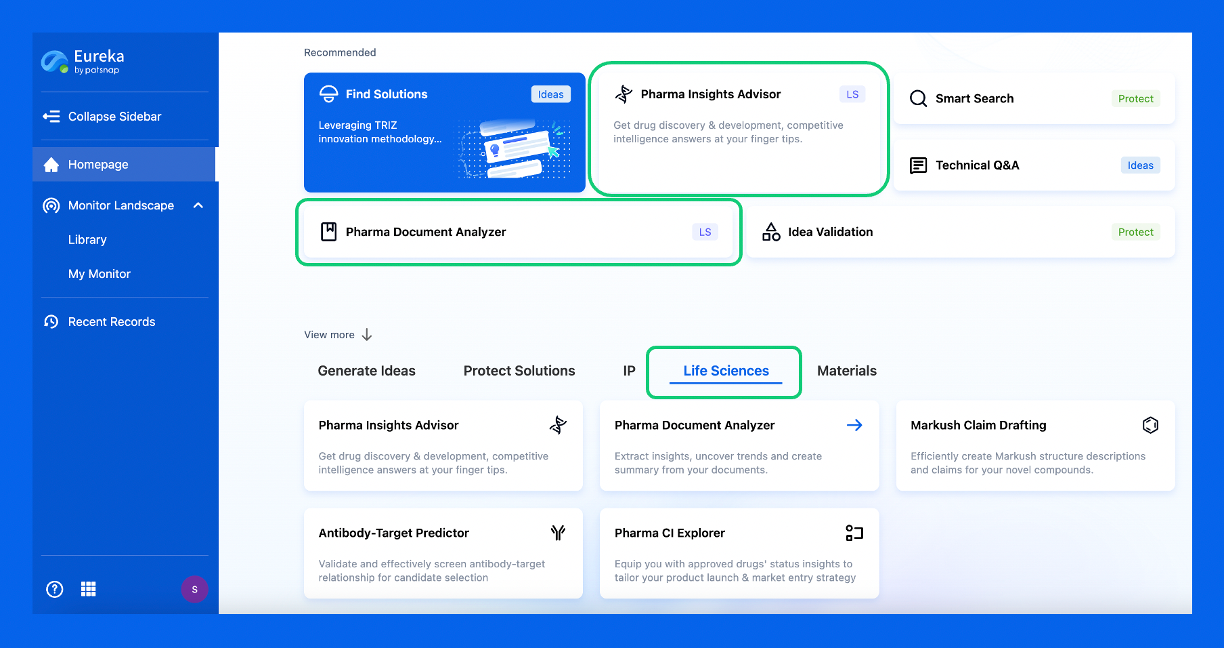
Discover Eureka LS: AI Agents Built for Biopharma Efficiency
Stop wasting time on biopharma busywork. Meet Eureka LS - your AI agent squad for drug discovery.
▶ See how 50+ research teams saved 300+ hours/month
From reducing screening time to simplifying Markush drafting, our AI Agents are ready to deliver immediate value. Explore Eureka LS today and unlock powerful capabilities that help you innovate with confidence.
AI Agents Built for Biopharma Breakthroughs
Accelerate discovery. Empower decisions. Transform outcomes.
Get started for free today!
Accelerate Strategic R&D decision making with Synapse, PatSnap’s AI-powered Connected Innovation Intelligence Platform Built for Life Sciences Professionals.
Start your data trial now!
Synapse data is also accessible to external entities via APIs or data packages. Empower better decisions with the latest in pharmaceutical intelligence.