Request Demo
What are TNFR modulators and how do they work?
21 June 2024
The field of immunology is constantly evolving, and one area that has garnered significant attention is the study and application of Tumor Necrosis Factor Receptor (TNFR) modulators. These sophisticated molecules hold promise for a range of therapeutic applications, offering hope for patients suffering from various autoimmune and inflammatory conditions. This discussion delves into the fundamentals of TNFR modulators, their workings, and their diverse uses.
TNFR modulators are agents that influence the activity of the Tumor Necrosis Factor Receptor, a critical component in the body's immune response. TNFRs are part of the larger TNF superfamily, which consists of cytokines that can cause cell death (apoptosis) or survival, differentiation, and regulation of immune cells. By modulating these receptors, scientists and medical professionals aim to control inflammatory responses and manage diseases characterized by excessive or inappropriate inflammation.
The human body possesses two main TNF receptors: TNFR1 and TNFR2. TNFR1 is ubiquitously expressed and can trigger cell death or survival pathways depending on the cellular context. TNFR2, on the other hand, is primarily expressed on immune cells and modulates immune responses. TNFR modulators can be designed to either inhibit or stimulate these receptors, depending on the desired therapeutic outcome.
TNFR modulators include monoclonal antibodies, soluble receptors, and small molecules, each designed to target specific receptors or their ligands. Monoclonal antibodies can neutralize TNF-α, the primary ligand for TNFR1 and TNFR2, thereby preventing it from binding to and activating these receptors. Soluble receptors can act as decoys, capturing TNF-α before it interacts with cell-bound receptors. Small molecule inhibitors can interfere with downstream signaling pathways initiated by TNFR activation.
By understanding how these modulators work, researchers can devise targeted therapies that mitigate pathological inflammation while preserving necessary immune functions.
One of the most well-known applications of TNFR modulators is in the treatment of autoimmune diseases, where the body's immune system mistakenly attacks its own tissues. Conditions such as rheumatoid arthritis, Crohn's disease, and psoriasis have been shown to respond positively to TNFR modulation. In these diseases, excessive TNF-α production leads to chronic inflammation and tissue damage. By employing TNFR modulators to neutralize TNF-α or block its interaction with receptors, the inflammatory cascade can be dampened, offering symptomatic relief and improving the quality of life for patients.
TNFR modulators are also being explored in the context of transplant medicine. Organ transplant recipients are at risk of transplant rejection, where the immune system attacks the transplanted organ. By modulating TNFR pathways, it is possible to reduce the likelihood of rejection and promote tolerance of the transplanted organ. This approach has the potential to extend the lifespan of transplanted organs and reduce the need for long-term immunosuppressive therapy, which can have significant side effects.
Cancer therapy is another promising area for TNFR modulators. In some cancers, TNFR signaling can promote tumor growth and survival, making these receptors attractive targets for therapy. Modulating TNFR activity can help to inhibit tumor growth, induce tumor cell death, or enhance the immune system's ability to recognize and destroy cancer cells. Clinical trials are ongoing to assess the effectiveness of TNFR modulators in various types of cancer.
In addition to these applications, TNFR modulators have potential in treating infectious diseases, neurodegenerative disorders, and even metabolic conditions. For example, chronic infections and certain neurodegenerative diseases involve aberrant TNF signaling, and modulating this pathway could offer therapeutic benefits.
While the development and application of TNFR modulators present exciting opportunities, it is important to recognize the complexity of TNF signaling and the need for precise targeting to avoid undesired effects. Ongoing research is crucial to refine these therapies and fully understand their long-term impact.
In conclusion, TNFR modulators represent a powerful tool in the arsenal of modern medicine. By harnessing the ability to modulate key immune pathways, these agents hold promise for a wide range of therapeutic applications, from autoimmune diseases to cancer and beyond. As research continues to advance, the potential of TNFR modulators to transform patient care becomes increasingly apparent, offering hope for improved outcomes and better quality of life for many.
TNFR modulators are agents that influence the activity of the Tumor Necrosis Factor Receptor, a critical component in the body's immune response. TNFRs are part of the larger TNF superfamily, which consists of cytokines that can cause cell death (apoptosis) or survival, differentiation, and regulation of immune cells. By modulating these receptors, scientists and medical professionals aim to control inflammatory responses and manage diseases characterized by excessive or inappropriate inflammation.
The human body possesses two main TNF receptors: TNFR1 and TNFR2. TNFR1 is ubiquitously expressed and can trigger cell death or survival pathways depending on the cellular context. TNFR2, on the other hand, is primarily expressed on immune cells and modulates immune responses. TNFR modulators can be designed to either inhibit or stimulate these receptors, depending on the desired therapeutic outcome.
TNFR modulators include monoclonal antibodies, soluble receptors, and small molecules, each designed to target specific receptors or their ligands. Monoclonal antibodies can neutralize TNF-α, the primary ligand for TNFR1 and TNFR2, thereby preventing it from binding to and activating these receptors. Soluble receptors can act as decoys, capturing TNF-α before it interacts with cell-bound receptors. Small molecule inhibitors can interfere with downstream signaling pathways initiated by TNFR activation.
By understanding how these modulators work, researchers can devise targeted therapies that mitigate pathological inflammation while preserving necessary immune functions.
One of the most well-known applications of TNFR modulators is in the treatment of autoimmune diseases, where the body's immune system mistakenly attacks its own tissues. Conditions such as rheumatoid arthritis, Crohn's disease, and psoriasis have been shown to respond positively to TNFR modulation. In these diseases, excessive TNF-α production leads to chronic inflammation and tissue damage. By employing TNFR modulators to neutralize TNF-α or block its interaction with receptors, the inflammatory cascade can be dampened, offering symptomatic relief and improving the quality of life for patients.
TNFR modulators are also being explored in the context of transplant medicine. Organ transplant recipients are at risk of transplant rejection, where the immune system attacks the transplanted organ. By modulating TNFR pathways, it is possible to reduce the likelihood of rejection and promote tolerance of the transplanted organ. This approach has the potential to extend the lifespan of transplanted organs and reduce the need for long-term immunosuppressive therapy, which can have significant side effects.
Cancer therapy is another promising area for TNFR modulators. In some cancers, TNFR signaling can promote tumor growth and survival, making these receptors attractive targets for therapy. Modulating TNFR activity can help to inhibit tumor growth, induce tumor cell death, or enhance the immune system's ability to recognize and destroy cancer cells. Clinical trials are ongoing to assess the effectiveness of TNFR modulators in various types of cancer.
In addition to these applications, TNFR modulators have potential in treating infectious diseases, neurodegenerative disorders, and even metabolic conditions. For example, chronic infections and certain neurodegenerative diseases involve aberrant TNF signaling, and modulating this pathway could offer therapeutic benefits.
While the development and application of TNFR modulators present exciting opportunities, it is important to recognize the complexity of TNF signaling and the need for precise targeting to avoid undesired effects. Ongoing research is crucial to refine these therapies and fully understand their long-term impact.
In conclusion, TNFR modulators represent a powerful tool in the arsenal of modern medicine. By harnessing the ability to modulate key immune pathways, these agents hold promise for a wide range of therapeutic applications, from autoimmune diseases to cancer and beyond. As research continues to advance, the potential of TNFR modulators to transform patient care becomes increasingly apparent, offering hope for improved outcomes and better quality of life for many.
How to obtain the latest development progress of all targets?
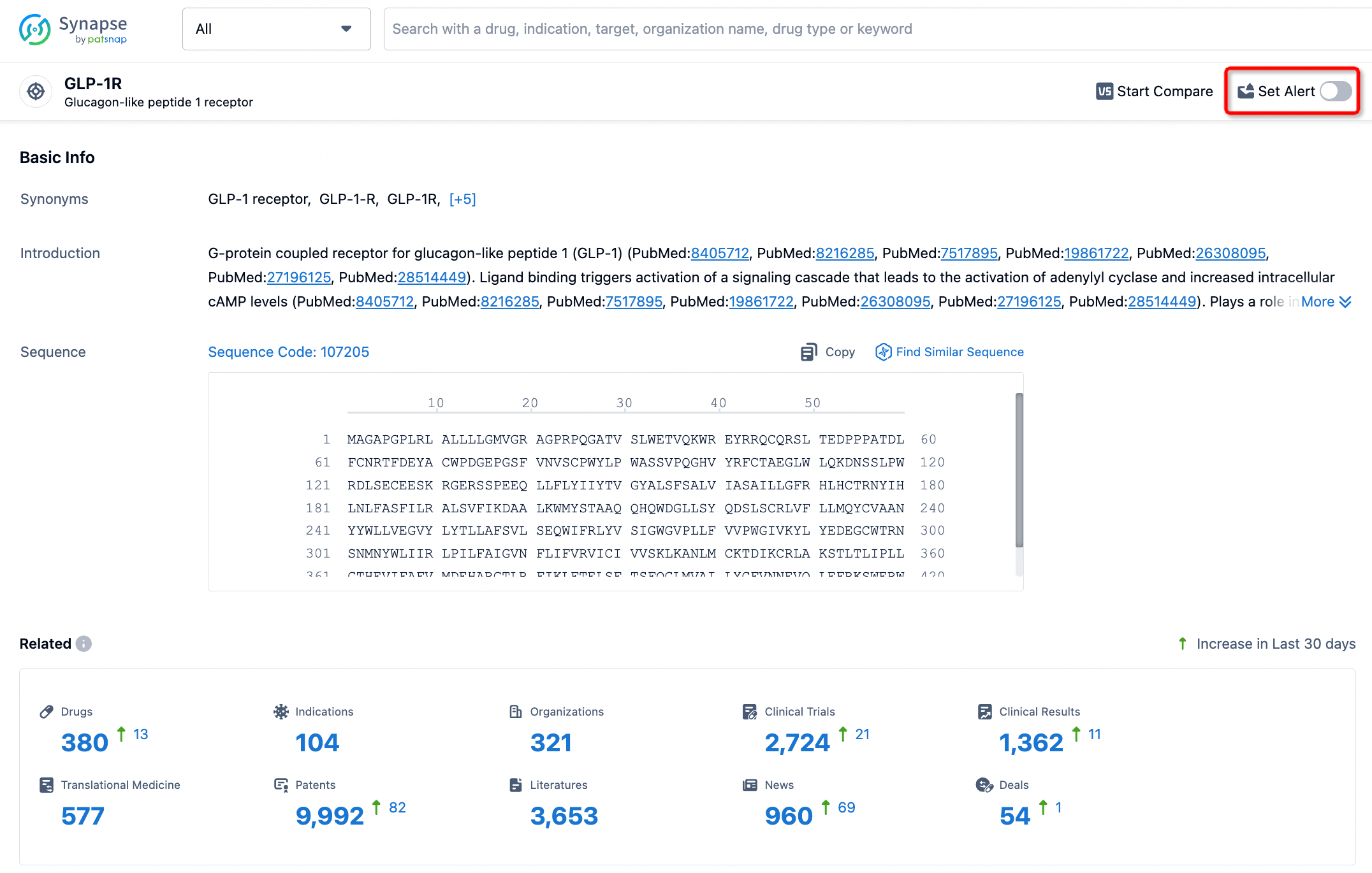
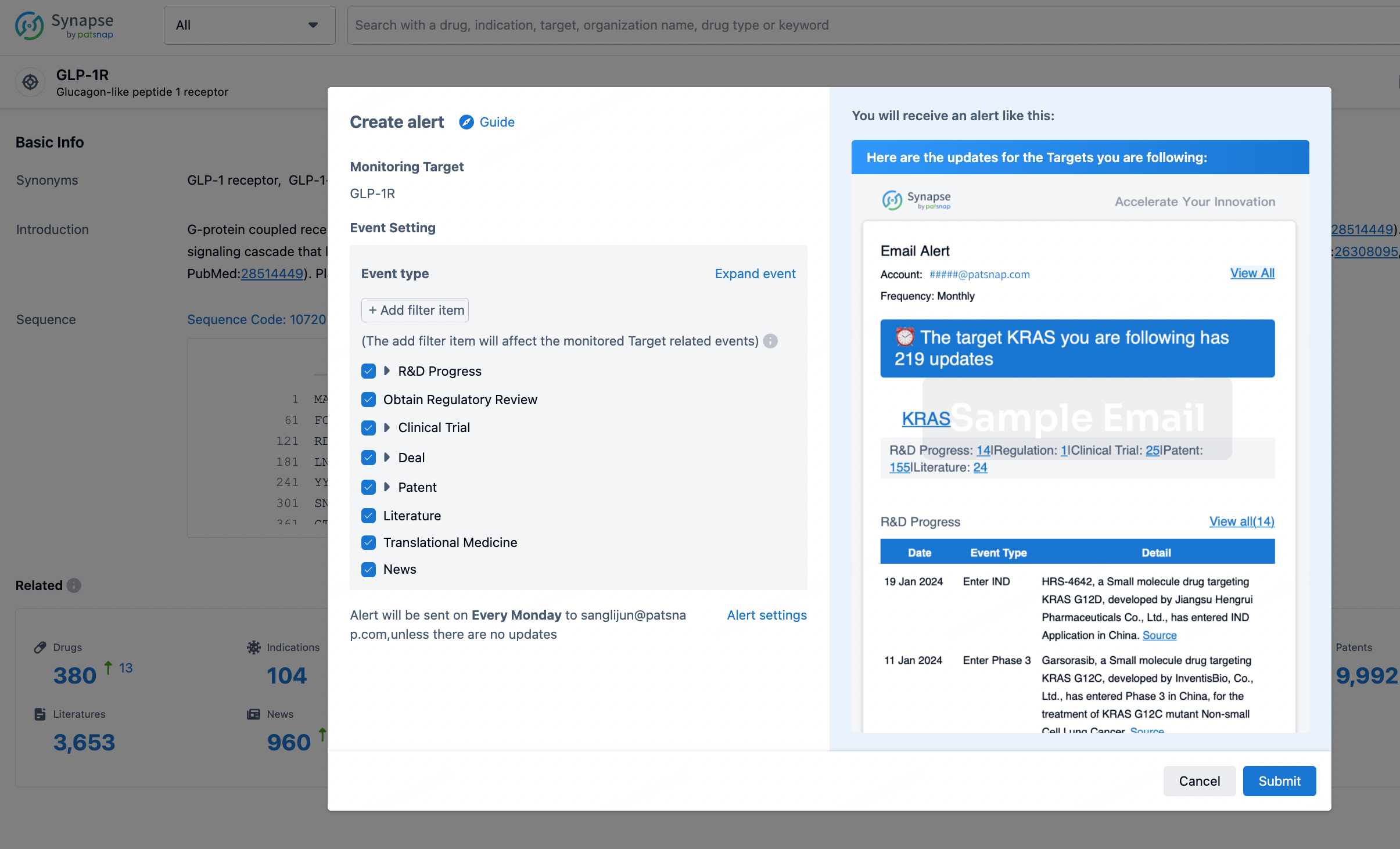
In the Synapse database, you can stay updated on the latest research and development advances of all targets. This service is accessible anytime and anywhere, with updates available daily or weekly. Use the "Set Alert" function to stay informed. Click on the image below to embark on a brand new journey of drug discovery!

AI Agents Built for Biopharma Breakthroughs
Accelerate discovery. Empower decisions. Transform outcomes.
Get started for free today!
Accelerate Strategic R&D decision making with Synapse, PatSnap’s AI-powered Connected Innovation Intelligence Platform Built for Life Sciences Professionals.
Start your data trial now!
Synapse data is also accessible to external entities via APIs or data packages. Empower better decisions with the latest in pharmaceutical intelligence.