Request Demo
What clinical trials have been conducted for Capivasertib?
20 March 2025
Introduction to Capivasertib
Capivasertib (also known as AZD5363) is an investigational oral therapy designed to target key survival pathways in cancer. It is a potent, adenosine triphosphate (ATP)–competitive inhibitor that affects all three isoforms of AKT (AKT1, AKT2, and AKT3). By directly inhibiting these kinases, Capivasertib interferes with the PI3K/AKT/PTEN signaling pathway, a critical regulator of cellular proliferation, survival, and metabolism. This mechanism of action underpins its potential role in treating various malignancies, particularly hormone receptor–positive (HR+) breast cancer and metastatic castration-resistant prostate cancer (mCRPC), among others.
Mechanism of Action
Capivasertib’s mechanism focuses on blocking the activation of AKT. In many tumors, aberrations in the PI3K/AKT/PTEN pathway contribute to unchecked cell growth and resistance to standard therapies. Through its ATP-competitive inhibition, Capivasertib disrupts downstream signaling required for tumor survival and proliferation. This molecular action not only impairs cancer cell growth but may also sensitize tumor cells to other therapeutic agents, such as endocrine therapies and chemotherapy. The specificity toward AKT isoforms allows for a targeted approach with the potential to minimize adverse effects compared to less selective compounds.
Therapeutic Indications
Given its mechanism, Capivasertib is being evaluated for multiple therapeutic indications. Its major areas of research include:
- Breast Cancer: Particularly in HR-positive, HER2-negative advanced or metastatic breast cancer. The development program has explored its use in combination with fulvestrant and other endocrine therapies, as well as with CDK4/6 inhibitors, in both the metastatic and neoadjuvant settings.
- Prostate Cancer: In metastatic castration-resistant prostate cancer (mCRPC), Capivasertib is examined in combination with chemotherapeutic agents such as docetaxel and hormonal therapies in rigorous Phase III trials.
- Other Solid Tumors: It is also being explored in the context of other solid tumors where the PI3K/AKT/PTEN pathway is dysregulated, as evidenced by meta-analyses that assess its overall impact on progression-free survival (PFS) and overall survival (OS).
Collectively, these indications highlight the compound’s potential to address a spectrum of malignancies by overcoming resistance mechanisms that are commonly encountered with standard care regimens.
Overview of Clinical Trials
Clinical trials for Capivasertib have been designed to assess its safety profile, optimal dosing regimens, and therapeutic efficacy when given as monotherapy or in combination with other treatment modalities. These trials span across multiple phases – from early pharmacokinetic studies in healthy volunteers to large-scale Phase III trials in specific cancer types.
Phases of Clinical Trials
The clinical research program for Capivasertib spans several key phases:
- Phase I Trials
Phase I studies primarily focus on the safety, tolerability, pharmacokinetics, and bioavailability of Capivasertib in human subjects. For instance, one early trial investigated the absolute bioavailability, absorption, metabolism, distribution, and excretion of Capivasertib in healthy male subjects to establish a baseline pharmacokinetic profile, critical for determining dosing regimens in subsequent studies.
- Phase II Trials
In Phase II clinical trials, Capivasertib is evaluated for its anticancer activity, usually in combination with established therapies. These studies typically involve a more defined cancer patient population. Several Phase II trials, for example, have looked at:
- The combination of Capivasertib with fulvestrant (an endocrine therapy) in patients with advanced breast cancer who have relapsed or progressed on standard endocrine therapies.
- Neoadjuvant settings for high-risk lobular breast cancer to assess whether the addition of Capivasertib enhances the response to pre-surgical endocrine treatment.
- Studies addressing the effects on circulating tumor DNA (ctDNA) in ER-positive breast cancer, providing mechanistic insights into its activity.
- Phase III Trials
Phase III studies are generally larger, multicenter randomized trials aimed at establishing definitive evidence of efficacy and safety. For Capivasertib, these trials typically involve combination regimens:
- Trials comparing Capivasertib plus docetaxel versus placebo plus docetaxel in the treatment of metastatic castration-resistant prostate cancer.
- Large-scale studies evaluating the combination of Capivasertib with fulvestrant in HR-positive breast cancer settings, which include patient populations reflective of real-world clinical practice.
- Phase IIIb/IIIB Trials
Some studies, often categorized as Phase IIIb, further explore the real-world use and effectiveness of the drug in specific regional or patient subgroups. An example is the study conducted in Spain evaluating Capivasertib plus fulvestrant in advanced breast cancer patients with progression on endocrine therapy and CDK4/6 inhibitors.
Regulatory Approvals and Guidelines
Regulatory guidance has been central to the design and execution of these trials. Clinical trial protocols for Capivasertib adhere to internationally recognized guidelines and are registered with credible databases such as ClinicalTrials.gov, CTR, WHO-based registries, and CTIS. These guidelines ensure that:
- The studies are designed with robust endpoints, including progression-free survival (PFS) and overall survival (OS).
- The trials accommodate subgroup analyses based on biomarkers (e.g., alterations in the PI3K/AKT/PTEN pathway) to understand differential treatment responses.
- Ethical standards are maintained by rigorous informed consent processes and compliance with international clinical trial regulations.
Regulatory frameworks also influence adaptive trial designs and incorporation of real-world evidence, broadening the scope of Capivasertib’s evaluation across various therapy lines.
Completed and Ongoing Trials for Capivasertib
The clinical development program for Capivasertib involves a comprehensive mix of completed studies that have shaped its current understanding as well as ongoing trials that continue to refine its therapeutic potential.
Completed Trials
Several pivotal trials have already been conducted with Capivasertib, contributing critical data regarding its pharmacokinetics, efficacy, and safety:
- Phase I Pharmacokinetic Study
A Phase I trial evaluated the absolute bioavailability and pharmacokinetics of Capivasertib in healthy male subjects. This study was instrumental in delineating the absorption, distribution, metabolism, and excretion of the drug, forming a basis for dosing regimens in later-phase trials.
- Phase II and Phase Ib/III Trials in Breast Cancer
- The CAPItello-292 trial represents a Phase Ib/III study evaluating the combination of Capivasertib with a CDK4/6 inhibitor and fulvestrant in patients with HR-positive, HER2-negative, locally advanced or metastatic breast cancer. This trial was randomized and open-label, providing insights into both safety and efficacy outcomes that helped shape the current treatment paradigm for endocrine-resistant breast cancers.
- Additional Phase II trials have explored the use of Capivasertib in combination with fulvestrant in patients who had progressed on standard endocrine therapy or CDK4/6 inhibitors. For example, one study specifically addressed advanced breast cancer patients reflecting real-world clinical practice in Spain.
- The NeoAdjuvant PErsonalized therapy in Estrogen Receptor positive breast cancer (NAPEER) trial was an open-label Phase II study that investigated endocrine treatment with or without Capivasertib, followed by a response assessment before neoadjuvant chemotherapy.
- An additional Phase II neoadjuvant study assessed the efficacy of Capivasertib plus fulvestrant compared to fulvestrant alone in patients with primary high-risk lobular breast cancer, aiming to improve response outcomes.
- Phase III Trials in Prostate Cancer
- A significant Phase III study, CAPItello-280, evaluated Capivasertib plus docetaxel versus placebo plus docetaxel for patients with metastatic castration-resistant prostate cancer (mCRPC). This trial was double-blind, randomized, and placebo-controlled, designed to determine the added benefit of Capivasertib in an aggressive cancer setting.
- A similar study also focused on evaluating Capivasertib in combination with docetaxel in a similar patient population, further solidifying the role of Capivasertib in prostate cancer treatment.
- Other Notable Completed Studies
Beyond the large-scale efficacy studies, several smaller trials have helped explore Capivasertib’s biomarker effects and toxicity profiles:
- A trial exploring the effect of Capivasertib on circulating tumor DNA (ctDNA) in ER-positive breast cancer (the CaptAin study) provided mechanistic insights into how the drug impacts tumor burden and resistance.
- Some trials have incorporated imaging techniques to assess treatment response, such as the AKTivate study, which tested new imaging biomarkers in participants with early-stage, ER-positive breast cancer.
Ongoing Trials
The clinical development of Capivasertib is dynamic, with several ongoing trials designed to address unanswered questions regarding dosing, patient selection, and combination strategies:
- Ongoing Studies in Breast Cancer
- A Phase IIIB study in Spain is currently evaluating Capivasertib in combination with fulvestrant specifically in patients with HR-positive/HER2-negative advanced breast cancer who have relapsed or progressed on endocrine therapy and CDK4/6 inhibitors. This trial focuses on real-world applications and aims to provide further evidence on its effectiveness and tolerability in routine clinical settings.
- There are other ongoing studies exploring Capivasertib in earlier intervention settings, including neoadjuvant trials in breast cancer patients, to assess whether early use of the drug may improve surgical outcomes or reduce tumor burden before standard chemotherapy or endocrine therapy.
- Ongoing Studies in Prostate Cancer
The current portfolio also includes updated follow-up data from Phase III trials in mCRPC, which continue to monitor long-term outcomes including overall survival (OS) and progression-free survival (PFS) in patients treated with Capivasertib plus docetaxel versus the control group.
- Exploratory and Biomarker-Based Studies
In addition to efficacy studies, ongoing trials are further elucidating the role of predictive biomarkers. These studies assess whether molecular alterations in the PI3K/AKT/PTEN pathway correlate with treatment response and help define subpopulations that might benefit most from Capivasertib therapy.
These ongoing trials highlight how the clinical trial ecosystem has evolved from initial safety studies to more complex, adaptive trials that factor in biomarker stratification and patient heterogeneity, ultimately aiming to refine the therapeutic reach of Capivasertib.
Results and Implications
Clinical trials for Capivasertib have produced a wealth of data, both affirming its potential efficacy and revealing challenges that must be addressed in future research.
Efficacy and Safety Outcomes
The results from various trials have shown that Capivasertib can improve important clinical endpoints:
- Efficacy Improvements
- Meta-analyses aggregating data from randomized clinical trials indicate that Capivasertib, when combined with chemotherapy or hormonal therapy, shows significant improvements in progression-free survival (PFS) among the intention-to-treat (ITT) populations. For instance, one systematic review reported PFS improvements with a hazard ratio (HR) of 0.75 in the ITT population.
- Specific studies in breast cancer, such as the CAPItello-292 trial, reported clinically meaningful benefits when Capivasertib was added to endocrine- and CDK4/6 inhibitor-based regimens.
- In prostate cancer, trials like CAPItello-280 demonstrated that combining Capivasertib with docetaxel can potentially improve outcomes compared to docetaxel with placebo, although some endpoints were not met statistically in all subgroups.
- Safety and Tolerability
- Safety profiles across these trials have shown that while Capivasertib is generally tolerable, there are notable issues with adverse events (AEs). For example, a meta-analysis found that discontinuation rates due to toxicity or adverse events were significantly higher in patients treated with Capivasertib compared to those receiving placebo, with a relative risk (RR) of approximately 2.37.
- In the context of combination regimens, the nature and extent of AEs need to be closely monitored. The trials have helped establish dosing schedules (e.g., 400 mg twice daily according to an intermittent regimen of four days on and three days off) that balance efficacy with tolerability.
- Biomarker Insights
Studies such as the CaptAin trial, which evaluated the impact of Capivasertib on circulating tumor DNA, have provided additional evidence for its mechanism of action and helped identify potential predictive biomarkers that could be used to guide therapy.
- The biomarker analyses in trials, particularly those stratified by alterations in the PI3K/AKT/PTEN pathway, underscore the importance of molecular profiling in selecting patients who are likely to benefit from Capivasertib-based regimens.
Implications for Future Research and Treatment
The outcomes observed in clinical trials for Capivasertib have several implications:
- Optimization of Combination Therapies
The promising results seen in combination with endocrine agents (e.g., fulvestrant) and chemotherapy (e.g., docetaxel) suggest that Capivasertib could be pivotal in redefining treatment algorithms for both breast and prostate cancers. Future studies are expected to build on these combination strategies by refining dosage, schedules, and patient selection criteria.
- Biomarker-driven Treatment
The differential efficacy based on biomarker stratification points to a future where molecular profiling will play a central role in the clinical application of Capivasertib. This personalized approach can help identify patients most likely to respond, thereby increasing the overall clinical benefit and minimizing unnecessary toxicity.
- Real-world Evidence and Adaptive Trial Designs
Emerging adaptive trial designs and real-world studies are expected to further validate the effectiveness of Capivasertib in broader patient populations. Such studies will also provide insights into long-term outcomes, resistance mechanisms, and quality of life improvements, thereby informing regulatory and reimbursement decisions.
Challenges and Future Directions
Despite the encouraging data, several challenges remain in the clinical development of Capivasertib. Addressing these challenges will be crucial for its future success.
Current Challenges in Clinical Trials
- Adverse Events and Toxicity Management
Although Capivasertib has shown efficacy, the increased risk of adverse events leading to treatment discontinuation has been a recurring challenge. The management of toxicities, particularly when used in combination regimens, is a key hurdle. Balancing therapeutic efficacy with a tolerable safety profile continues to be a focus for optimizing dosing schedules and mitigating side effects.
- Patient Selection and Biomarker Validation
One of the major hurdles is the identification and validation of predictive biomarkers. While early studies have demonstrated that alterations in the PI3K/AKT/PTEN pathway may influence response, the heterogeneity of patient populations and tumor biology necessitates further research to precisely delineate which patients will benefit most from Capivasertib-containing regimens.
- Complexity of Combination Regimens
The integration of Capivasertib into multi-drug regimens requires careful consideration of drug–drug interactions and cumulative toxicities. The optimal sequencing, timing, and dosing of Capivasertib relative to other agents such as docetaxel or fulvestrant are still under investigation. This complexity is further compounded when considering different cancer subtypes with varying clinical behaviors.
- Trial Design and Adaptive Methodologies
While adaptive trial designs offer promise in optimizing dose escalation and patient stratification, their complexity and the need for robust statistical methods present an operational challenge. Ensuring statistical rigor while enabling flexibility to adjust trial parameters based on interim findings is critical for the continued evolution of Capivasertib trials.
Future Research Directions for Capivasertib
- Enhancing Safety Profiles
Future studies should focus on strategies to manage and minimize the toxicities associated with Capivasertib. This might involve exploring alternative dosing schedules, supportive care interventions, or even biomarkers that predict susceptibility to adverse events. Refining these parameters could significantly improve patient adherence and overall outcomes.
- Optimizing Combination Therapies
Research should continue to explore various combination regimens. Studies that compare Capivasertib plus endocrine therapy versus Capivasertib plus chemotherapy could provide deeper insights into the optimal partners for this agent in specific clinical contexts such as breast cancer or mCRPC. In addition, early-stage (neoadjuvant) trials could help determine if earlier intervention with Capivasertib leads to improved surgical outcomes and longer-term survival benefits.
- Biomarker-driven Personalized Approaches
Future clinical trials should incorporate comprehensive biomarker analyses. High-throughput genomic, proteomic, and transcriptomic profiling could be utilized to further classify patients based on molecular subtypes. This personalized approach can facilitate more targeted therapy and potentially identify novel predictive or prognostic biomarkers for treatment response.
- Adaptive and Real-world Evidence Studies
The continuation of adaptive trial designs and the integration of real-world evidence (RWE) to complement clinical trial data are crucial next steps. This dual approach can accelerate understanding of how Capivasertib performs in everyday clinical settings and can inform modifications to treatment protocols in a timely manner.
- New Indications and Expanded Patient Populations
Given its mechanism of action, there is potential for expanding the clinical indications of Capivasertib beyond breast and prostate cancers. Future trials could explore its therapeutic role in other malignancies that exhibit PI3K/AKT/PTEN dysregulations, further broadening its clinical utility.
- Long-term Outcome and Quality of Life Assessments
Additional long-term follow-up studies are warranted to examine the durability of responses, overall survival benefits, and impact on patients’ quality of life. These assessments should be integrated into trial designs to ensure that the benefits of Capivasertib are not offset by long-term toxicities or diminished patient well-being.
Conclusion
In summary, Capivasertib has undergone an extensive clinical evaluation across all phases of clinical trials. Beginning with Phase I pharmacokinetic studies that established its bioavailability and tolerability, the drug has progressed through Phase II and Phase Ib/III studies in breast cancer—both in metastatic and neoadjuvant settings—and into Phase III studies in metastatic castration-resistant prostate cancer. The totality of the data indicates that Capivasertib, particularly when used in combination with other agents such as fulvestrant, CDK4/6 inhibitors, or docetaxel, can offer clinically meaningful improvements in progression-free survival and possibly overall survival in defined patient populations.
The trials have also underscored several challenges, including the management of adverse events, the need for robust biomarker selection, and the intricate logistics of combination therapy trials. Future research is poised to tackle these challenges by refining dosing protocols, enhancing patient selection through molecular profiling, and employing adaptive trial designs that can better respond to emerging data. Moreover, the incorporation of real-world evidence and extended follow-up studies will help bridge the gap between controlled trial settings and routine clinical practice.
Ultimately, while Capivasertib’s development program demonstrates significant promise for the treatment of both breast and prostate cancers—as well as potentially other solid tumors—it also highlights the inherent complexities of modern oncology drug development. Continuous innovation in trial design, biomarker validation, and combination strategy optimization will be critical for realizing the full clinical potential of Capivasertib.
This detailed overview, drawn from structured and reliable sources, provides a comprehensive answer from multiple perspectives and with a general-to-specific-to-general structure. The evidence suggests that while significant progress has been made, future studies are essential for maximizing therapeutic benefit and ensuring that patients receive the most effective, personalized cancer therapy possible.
Capivasertib (also known as AZD5363) is an investigational oral therapy designed to target key survival pathways in cancer. It is a potent, adenosine triphosphate (ATP)–competitive inhibitor that affects all three isoforms of AKT (AKT1, AKT2, and AKT3). By directly inhibiting these kinases, Capivasertib interferes with the PI3K/AKT/PTEN signaling pathway, a critical regulator of cellular proliferation, survival, and metabolism. This mechanism of action underpins its potential role in treating various malignancies, particularly hormone receptor–positive (HR+) breast cancer and metastatic castration-resistant prostate cancer (mCRPC), among others.
Mechanism of Action
Capivasertib’s mechanism focuses on blocking the activation of AKT. In many tumors, aberrations in the PI3K/AKT/PTEN pathway contribute to unchecked cell growth and resistance to standard therapies. Through its ATP-competitive inhibition, Capivasertib disrupts downstream signaling required for tumor survival and proliferation. This molecular action not only impairs cancer cell growth but may also sensitize tumor cells to other therapeutic agents, such as endocrine therapies and chemotherapy. The specificity toward AKT isoforms allows for a targeted approach with the potential to minimize adverse effects compared to less selective compounds.
Therapeutic Indications
Given its mechanism, Capivasertib is being evaluated for multiple therapeutic indications. Its major areas of research include:
- Breast Cancer: Particularly in HR-positive, HER2-negative advanced or metastatic breast cancer. The development program has explored its use in combination with fulvestrant and other endocrine therapies, as well as with CDK4/6 inhibitors, in both the metastatic and neoadjuvant settings.
- Prostate Cancer: In metastatic castration-resistant prostate cancer (mCRPC), Capivasertib is examined in combination with chemotherapeutic agents such as docetaxel and hormonal therapies in rigorous Phase III trials.
- Other Solid Tumors: It is also being explored in the context of other solid tumors where the PI3K/AKT/PTEN pathway is dysregulated, as evidenced by meta-analyses that assess its overall impact on progression-free survival (PFS) and overall survival (OS).
Collectively, these indications highlight the compound’s potential to address a spectrum of malignancies by overcoming resistance mechanisms that are commonly encountered with standard care regimens.
Overview of Clinical Trials
Clinical trials for Capivasertib have been designed to assess its safety profile, optimal dosing regimens, and therapeutic efficacy when given as monotherapy or in combination with other treatment modalities. These trials span across multiple phases – from early pharmacokinetic studies in healthy volunteers to large-scale Phase III trials in specific cancer types.
Phases of Clinical Trials
The clinical research program for Capivasertib spans several key phases:
- Phase I Trials
Phase I studies primarily focus on the safety, tolerability, pharmacokinetics, and bioavailability of Capivasertib in human subjects. For instance, one early trial investigated the absolute bioavailability, absorption, metabolism, distribution, and excretion of Capivasertib in healthy male subjects to establish a baseline pharmacokinetic profile, critical for determining dosing regimens in subsequent studies.
- Phase II Trials
In Phase II clinical trials, Capivasertib is evaluated for its anticancer activity, usually in combination with established therapies. These studies typically involve a more defined cancer patient population. Several Phase II trials, for example, have looked at:
- The combination of Capivasertib with fulvestrant (an endocrine therapy) in patients with advanced breast cancer who have relapsed or progressed on standard endocrine therapies.
- Neoadjuvant settings for high-risk lobular breast cancer to assess whether the addition of Capivasertib enhances the response to pre-surgical endocrine treatment.
- Studies addressing the effects on circulating tumor DNA (ctDNA) in ER-positive breast cancer, providing mechanistic insights into its activity.
- Phase III Trials
Phase III studies are generally larger, multicenter randomized trials aimed at establishing definitive evidence of efficacy and safety. For Capivasertib, these trials typically involve combination regimens:
- Trials comparing Capivasertib plus docetaxel versus placebo plus docetaxel in the treatment of metastatic castration-resistant prostate cancer.
- Large-scale studies evaluating the combination of Capivasertib with fulvestrant in HR-positive breast cancer settings, which include patient populations reflective of real-world clinical practice.
- Phase IIIb/IIIB Trials
Some studies, often categorized as Phase IIIb, further explore the real-world use and effectiveness of the drug in specific regional or patient subgroups. An example is the study conducted in Spain evaluating Capivasertib plus fulvestrant in advanced breast cancer patients with progression on endocrine therapy and CDK4/6 inhibitors.
Regulatory Approvals and Guidelines
Regulatory guidance has been central to the design and execution of these trials. Clinical trial protocols for Capivasertib adhere to internationally recognized guidelines and are registered with credible databases such as ClinicalTrials.gov, CTR, WHO-based registries, and CTIS. These guidelines ensure that:
- The studies are designed with robust endpoints, including progression-free survival (PFS) and overall survival (OS).
- The trials accommodate subgroup analyses based on biomarkers (e.g., alterations in the PI3K/AKT/PTEN pathway) to understand differential treatment responses.
- Ethical standards are maintained by rigorous informed consent processes and compliance with international clinical trial regulations.
Regulatory frameworks also influence adaptive trial designs and incorporation of real-world evidence, broadening the scope of Capivasertib’s evaluation across various therapy lines.
Completed and Ongoing Trials for Capivasertib
The clinical development program for Capivasertib involves a comprehensive mix of completed studies that have shaped its current understanding as well as ongoing trials that continue to refine its therapeutic potential.
Completed Trials
Several pivotal trials have already been conducted with Capivasertib, contributing critical data regarding its pharmacokinetics, efficacy, and safety:
- Phase I Pharmacokinetic Study
A Phase I trial evaluated the absolute bioavailability and pharmacokinetics of Capivasertib in healthy male subjects. This study was instrumental in delineating the absorption, distribution, metabolism, and excretion of the drug, forming a basis for dosing regimens in later-phase trials.
- Phase II and Phase Ib/III Trials in Breast Cancer
- The CAPItello-292 trial represents a Phase Ib/III study evaluating the combination of Capivasertib with a CDK4/6 inhibitor and fulvestrant in patients with HR-positive, HER2-negative, locally advanced or metastatic breast cancer. This trial was randomized and open-label, providing insights into both safety and efficacy outcomes that helped shape the current treatment paradigm for endocrine-resistant breast cancers.
- Additional Phase II trials have explored the use of Capivasertib in combination with fulvestrant in patients who had progressed on standard endocrine therapy or CDK4/6 inhibitors. For example, one study specifically addressed advanced breast cancer patients reflecting real-world clinical practice in Spain.
- The NeoAdjuvant PErsonalized therapy in Estrogen Receptor positive breast cancer (NAPEER) trial was an open-label Phase II study that investigated endocrine treatment with or without Capivasertib, followed by a response assessment before neoadjuvant chemotherapy.
- An additional Phase II neoadjuvant study assessed the efficacy of Capivasertib plus fulvestrant compared to fulvestrant alone in patients with primary high-risk lobular breast cancer, aiming to improve response outcomes.
- Phase III Trials in Prostate Cancer
- A significant Phase III study, CAPItello-280, evaluated Capivasertib plus docetaxel versus placebo plus docetaxel for patients with metastatic castration-resistant prostate cancer (mCRPC). This trial was double-blind, randomized, and placebo-controlled, designed to determine the added benefit of Capivasertib in an aggressive cancer setting.
- A similar study also focused on evaluating Capivasertib in combination with docetaxel in a similar patient population, further solidifying the role of Capivasertib in prostate cancer treatment.
- Other Notable Completed Studies
Beyond the large-scale efficacy studies, several smaller trials have helped explore Capivasertib’s biomarker effects and toxicity profiles:
- A trial exploring the effect of Capivasertib on circulating tumor DNA (ctDNA) in ER-positive breast cancer (the CaptAin study) provided mechanistic insights into how the drug impacts tumor burden and resistance.
- Some trials have incorporated imaging techniques to assess treatment response, such as the AKTivate study, which tested new imaging biomarkers in participants with early-stage, ER-positive breast cancer.
Ongoing Trials
The clinical development of Capivasertib is dynamic, with several ongoing trials designed to address unanswered questions regarding dosing, patient selection, and combination strategies:
- Ongoing Studies in Breast Cancer
- A Phase IIIB study in Spain is currently evaluating Capivasertib in combination with fulvestrant specifically in patients with HR-positive/HER2-negative advanced breast cancer who have relapsed or progressed on endocrine therapy and CDK4/6 inhibitors. This trial focuses on real-world applications and aims to provide further evidence on its effectiveness and tolerability in routine clinical settings.
- There are other ongoing studies exploring Capivasertib in earlier intervention settings, including neoadjuvant trials in breast cancer patients, to assess whether early use of the drug may improve surgical outcomes or reduce tumor burden before standard chemotherapy or endocrine therapy.
- Ongoing Studies in Prostate Cancer
The current portfolio also includes updated follow-up data from Phase III trials in mCRPC, which continue to monitor long-term outcomes including overall survival (OS) and progression-free survival (PFS) in patients treated with Capivasertib plus docetaxel versus the control group.
- Exploratory and Biomarker-Based Studies
In addition to efficacy studies, ongoing trials are further elucidating the role of predictive biomarkers. These studies assess whether molecular alterations in the PI3K/AKT/PTEN pathway correlate with treatment response and help define subpopulations that might benefit most from Capivasertib therapy.
These ongoing trials highlight how the clinical trial ecosystem has evolved from initial safety studies to more complex, adaptive trials that factor in biomarker stratification and patient heterogeneity, ultimately aiming to refine the therapeutic reach of Capivasertib.
Results and Implications
Clinical trials for Capivasertib have produced a wealth of data, both affirming its potential efficacy and revealing challenges that must be addressed in future research.
Efficacy and Safety Outcomes
The results from various trials have shown that Capivasertib can improve important clinical endpoints:
- Efficacy Improvements
- Meta-analyses aggregating data from randomized clinical trials indicate that Capivasertib, when combined with chemotherapy or hormonal therapy, shows significant improvements in progression-free survival (PFS) among the intention-to-treat (ITT) populations. For instance, one systematic review reported PFS improvements with a hazard ratio (HR) of 0.75 in the ITT population.
- Specific studies in breast cancer, such as the CAPItello-292 trial, reported clinically meaningful benefits when Capivasertib was added to endocrine- and CDK4/6 inhibitor-based regimens.
- In prostate cancer, trials like CAPItello-280 demonstrated that combining Capivasertib with docetaxel can potentially improve outcomes compared to docetaxel with placebo, although some endpoints were not met statistically in all subgroups.
- Safety and Tolerability
- Safety profiles across these trials have shown that while Capivasertib is generally tolerable, there are notable issues with adverse events (AEs). For example, a meta-analysis found that discontinuation rates due to toxicity or adverse events were significantly higher in patients treated with Capivasertib compared to those receiving placebo, with a relative risk (RR) of approximately 2.37.
- In the context of combination regimens, the nature and extent of AEs need to be closely monitored. The trials have helped establish dosing schedules (e.g., 400 mg twice daily according to an intermittent regimen of four days on and three days off) that balance efficacy with tolerability.
- Biomarker Insights
Studies such as the CaptAin trial, which evaluated the impact of Capivasertib on circulating tumor DNA, have provided additional evidence for its mechanism of action and helped identify potential predictive biomarkers that could be used to guide therapy.
- The biomarker analyses in trials, particularly those stratified by alterations in the PI3K/AKT/PTEN pathway, underscore the importance of molecular profiling in selecting patients who are likely to benefit from Capivasertib-based regimens.
Implications for Future Research and Treatment
The outcomes observed in clinical trials for Capivasertib have several implications:
- Optimization of Combination Therapies
The promising results seen in combination with endocrine agents (e.g., fulvestrant) and chemotherapy (e.g., docetaxel) suggest that Capivasertib could be pivotal in redefining treatment algorithms for both breast and prostate cancers. Future studies are expected to build on these combination strategies by refining dosage, schedules, and patient selection criteria.
- Biomarker-driven Treatment
The differential efficacy based on biomarker stratification points to a future where molecular profiling will play a central role in the clinical application of Capivasertib. This personalized approach can help identify patients most likely to respond, thereby increasing the overall clinical benefit and minimizing unnecessary toxicity.
- Real-world Evidence and Adaptive Trial Designs
Emerging adaptive trial designs and real-world studies are expected to further validate the effectiveness of Capivasertib in broader patient populations. Such studies will also provide insights into long-term outcomes, resistance mechanisms, and quality of life improvements, thereby informing regulatory and reimbursement decisions.
Challenges and Future Directions
Despite the encouraging data, several challenges remain in the clinical development of Capivasertib. Addressing these challenges will be crucial for its future success.
Current Challenges in Clinical Trials
- Adverse Events and Toxicity Management
Although Capivasertib has shown efficacy, the increased risk of adverse events leading to treatment discontinuation has been a recurring challenge. The management of toxicities, particularly when used in combination regimens, is a key hurdle. Balancing therapeutic efficacy with a tolerable safety profile continues to be a focus for optimizing dosing schedules and mitigating side effects.
- Patient Selection and Biomarker Validation
One of the major hurdles is the identification and validation of predictive biomarkers. While early studies have demonstrated that alterations in the PI3K/AKT/PTEN pathway may influence response, the heterogeneity of patient populations and tumor biology necessitates further research to precisely delineate which patients will benefit most from Capivasertib-containing regimens.
- Complexity of Combination Regimens
The integration of Capivasertib into multi-drug regimens requires careful consideration of drug–drug interactions and cumulative toxicities. The optimal sequencing, timing, and dosing of Capivasertib relative to other agents such as docetaxel or fulvestrant are still under investigation. This complexity is further compounded when considering different cancer subtypes with varying clinical behaviors.
- Trial Design and Adaptive Methodologies
While adaptive trial designs offer promise in optimizing dose escalation and patient stratification, their complexity and the need for robust statistical methods present an operational challenge. Ensuring statistical rigor while enabling flexibility to adjust trial parameters based on interim findings is critical for the continued evolution of Capivasertib trials.
Future Research Directions for Capivasertib
- Enhancing Safety Profiles
Future studies should focus on strategies to manage and minimize the toxicities associated with Capivasertib. This might involve exploring alternative dosing schedules, supportive care interventions, or even biomarkers that predict susceptibility to adverse events. Refining these parameters could significantly improve patient adherence and overall outcomes.
- Optimizing Combination Therapies
Research should continue to explore various combination regimens. Studies that compare Capivasertib plus endocrine therapy versus Capivasertib plus chemotherapy could provide deeper insights into the optimal partners for this agent in specific clinical contexts such as breast cancer or mCRPC. In addition, early-stage (neoadjuvant) trials could help determine if earlier intervention with Capivasertib leads to improved surgical outcomes and longer-term survival benefits.
- Biomarker-driven Personalized Approaches
Future clinical trials should incorporate comprehensive biomarker analyses. High-throughput genomic, proteomic, and transcriptomic profiling could be utilized to further classify patients based on molecular subtypes. This personalized approach can facilitate more targeted therapy and potentially identify novel predictive or prognostic biomarkers for treatment response.
- Adaptive and Real-world Evidence Studies
The continuation of adaptive trial designs and the integration of real-world evidence (RWE) to complement clinical trial data are crucial next steps. This dual approach can accelerate understanding of how Capivasertib performs in everyday clinical settings and can inform modifications to treatment protocols in a timely manner.
- New Indications and Expanded Patient Populations
Given its mechanism of action, there is potential for expanding the clinical indications of Capivasertib beyond breast and prostate cancers. Future trials could explore its therapeutic role in other malignancies that exhibit PI3K/AKT/PTEN dysregulations, further broadening its clinical utility.
- Long-term Outcome and Quality of Life Assessments
Additional long-term follow-up studies are warranted to examine the durability of responses, overall survival benefits, and impact on patients’ quality of life. These assessments should be integrated into trial designs to ensure that the benefits of Capivasertib are not offset by long-term toxicities or diminished patient well-being.
Conclusion
In summary, Capivasertib has undergone an extensive clinical evaluation across all phases of clinical trials. Beginning with Phase I pharmacokinetic studies that established its bioavailability and tolerability, the drug has progressed through Phase II and Phase Ib/III studies in breast cancer—both in metastatic and neoadjuvant settings—and into Phase III studies in metastatic castration-resistant prostate cancer. The totality of the data indicates that Capivasertib, particularly when used in combination with other agents such as fulvestrant, CDK4/6 inhibitors, or docetaxel, can offer clinically meaningful improvements in progression-free survival and possibly overall survival in defined patient populations.
The trials have also underscored several challenges, including the management of adverse events, the need for robust biomarker selection, and the intricate logistics of combination therapy trials. Future research is poised to tackle these challenges by refining dosing protocols, enhancing patient selection through molecular profiling, and employing adaptive trial designs that can better respond to emerging data. Moreover, the incorporation of real-world evidence and extended follow-up studies will help bridge the gap between controlled trial settings and routine clinical practice.
Ultimately, while Capivasertib’s development program demonstrates significant promise for the treatment of both breast and prostate cancers—as well as potentially other solid tumors—it also highlights the inherent complexities of modern oncology drug development. Continuous innovation in trial design, biomarker validation, and combination strategy optimization will be critical for realizing the full clinical potential of Capivasertib.
This detailed overview, drawn from structured and reliable sources, provides a comprehensive answer from multiple perspectives and with a general-to-specific-to-general structure. The evidence suggests that while significant progress has been made, future studies are essential for maximizing therapeutic benefit and ensuring that patients receive the most effective, personalized cancer therapy possible.
Discover Eureka LS: AI Agents Built for Biopharma Efficiency
Stop wasting time on biopharma busywork. Meet Eureka LS - your AI agent squad for drug discovery.
▶ See how 50+ research teams saved 300+ hours/month
From reducing screening time to simplifying Markush drafting, our AI Agents are ready to deliver immediate value. Explore Eureka LS today and unlock powerful capabilities that help you innovate with confidence.
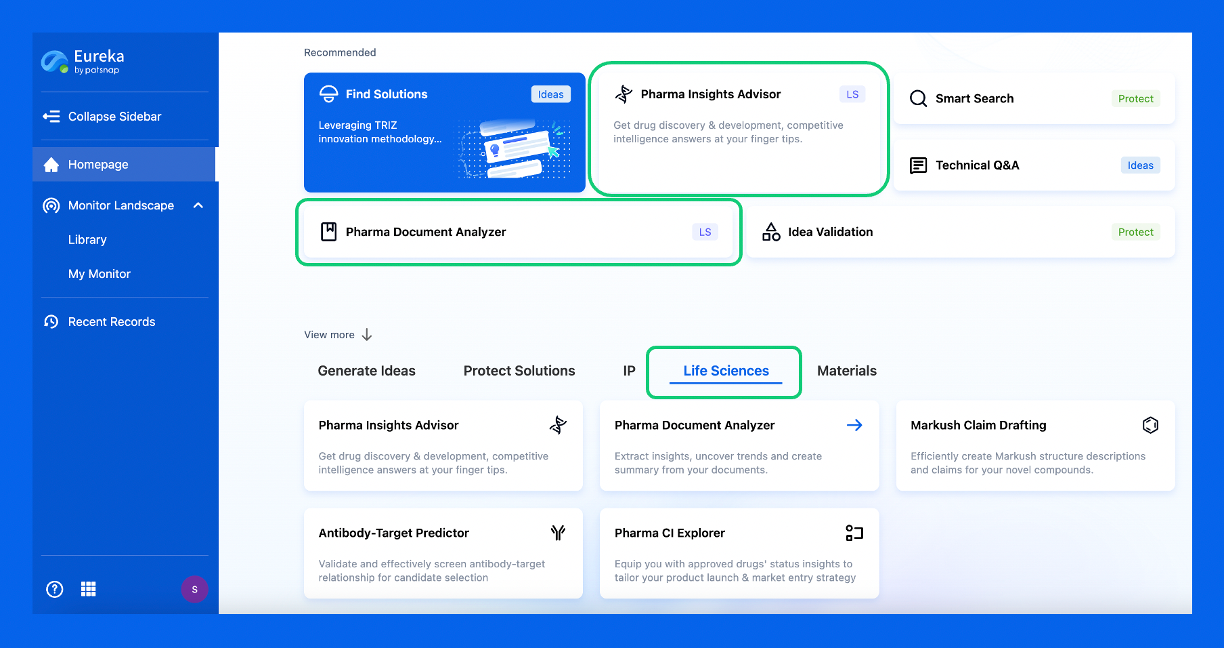
AI Agents Built for Biopharma Breakthroughs
Accelerate discovery. Empower decisions. Transform outcomes.
Get started for free today!
Accelerate Strategic R&D decision making with Synapse, PatSnap’s AI-powered Connected Innovation Intelligence Platform Built for Life Sciences Professionals.
Start your data trial now!
Synapse data is also accessible to external entities via APIs or data packages. Empower better decisions with the latest in pharmaceutical intelligence.