Request Demo
What clinical trials have been conducted for Vorolanib?
17 March 2025
Introduction to Vorolanib
Vorolanib is a novel, orally administered multi‐target tyrosine kinase inhibitor (TKI) developed to address aberrant angiogenesis in many solid tumors. It has been designed on a chemical scaffold similar to existing TKIs, but with modifications aimed at improving its safety profile and pharmacokinetic properties.
Chemical and Pharmacological Profile
Vorolanib is characterized by its potent inhibitory activity against key tyrosine kinase receptors, notably vascular endothelial growth factor receptors (VEGFRs) and platelet‐derived growth factor receptors (PDGFRs). Preclinical studies have shown that vorolanib competitively binds to these receptors, thereby limiting tumor angiogenesis—and, in turn, tumor growth. Compared to other TKIs such as sunitinib, vorolanib exhibits a shorter half‐life and limited tissue accumulation, hinting at lower systemic toxicity while maintaining robust anti‐angiogenic and anti-tumor activity. Its profile has been further defined by its ability to inhibit additional targets such as FLT3 and c-Kit, all of which contribute to its broad spectrum of preclinical efficacy.
Mechanism of Action
The mechanism of action of vorolanib centers around its ability to block VEGFR- and PDGFR-mediated signaling pathways. By doing so, vorolanib inhibits the proliferation, migration, and survival of vascular endothelial cells. This leads to disruption of the tumor’s blood supply, which is essential for tumor growth and metastatic spread. In addition, the drug’s activity against other kinases contributes to a multi-pronged inhibitory effect on tumor biology. This multi-target profile allows vorolanib to be a candidate not only for monotherapy, but also for combination regimens—especially when paired with immunotherapies, mTOR inhibitors, or other targeted agents in order to overcome resistance mechanisms and enhance overall clinical efficacy.
Clinical Trials Overview
Clinical trials for vorolanib have been conducted across multiple phases and tumor indications. Collectively, these studies explore vorolanib both as a single-agent therapy and as part of combination regimens. The trials have aimed to determine the optimal dose, assess safety, and evaluate efficacy in patient populations with advanced solid tumors, including renal cell carcinoma (RCC), non-small cell lung cancer (NSCLC), extensive-stage small cell lung cancer (ES-SCLC), soft tissue sarcoma, and thoracic tumors. Below is a detailed exploration of the phases and specific trial designs that have been performed.
Phase I Trials
Phase I trials are primarily centered on determining safety, identifying dose-limiting toxicities (DLTs), and establishing the maximum tolerated dose (MTD) or recommended phase II dose (RP2D).
Several early-phase clinical trials for vorolanib include:
- Phase 1b Combination with Immune Checkpoint Inhibitors:
In a Phase 1b study (detailed in a paper reporting multi-cohort results), vorolanib was combined with immune checkpoint inhibitors—specifically pembrolizumab or nivolumab—in patients with advanced solid tumors, including gastrointestinal and lung malignancies. This trial used a standard 3 + 3 dose escalation design to assess safety and tolerability. The most common treatment-related adverse events (TRAEs) were hematologic (e.g., lymphopenia and leukopenia), fatigue, and liver enzyme elevations. Dose-limiting toxicities were reported at higher dose levels (400 mg) including grade 3 events such as aspartate aminotransferase elevation and rash.
- First-in-Human, Dose-Escalation Study:
Another Phase I trial established that single-agent vorolanib was tolerable up to 400 mg once daily, with pharmacokinetic analysis showing dose-proportional increases in Cmax and area under the curve (AUC). This first-in-human design helped identify the RP2D for subsequent studies and confirmed the potential of vorolanib’s shorter half-life and limited tissue accumulation, which are important for reducing systemic toxicity.
- Combination with Everolimus in Advanced Solid Tumors:
Early clinical studies also evaluated the combination of vorolanib with everolimus, an mTOR inhibitor known for its role in RCC treatment. These Phase I studies, which followed a dose-escalation methodology, indicated that vorolanib could be safely administered alongside everolimus, with careful management of overlapping toxicities. Though the primary aims were to explore safety and determine DLTs, these studies set the stage for later Phase II evaluations in RCC.
These Phase I investigations collectively established the foundational safety parameters and dosing schedules necessary to move into efficacy studies in more targeted patient populations.
Phase II Trials
Phase II trials build on the safety data provided by Phase I studies and evaluate clinical efficacy in specific cancer indications. Vorolanib has been undergoing extensive investigation in multiple Phase II trials with several combination regimens across different tumor types.
- Renal Cell Carcinoma (RCC) Studies:
- One trial combined vorolanib with sintilimab for patients with advanced RCC who had previously failed immune checkpoint inhibitors-based combination therapy. With a multicenter design, this study explored the efficacy of this novel combination in a second-line setting.
- Another trial evaluated vorolanib combined with toripalimab as first-line treatment for metastatic clear cell RCC. This open-label, multicenter study aimed to assess both efficacy and safety in a population with untreated metastatic disease.
- Exploratory analysis was also conducted with vorolanib combined with cadonilimab in patients with untreated advanced RCC, where two separate registrations noted ongoing study designs with the potential to further elucidate combination synergy in this cancer type.
- A separate exploratory Phase II study assessed vorolanib in combination with everolimus after failure of prior immunotherapy in advanced renal carcinoma. These studies highlight vorolanib’s versatility in being incorporated in various combination strategies in RCC.
- Lung Cancer Studies:
- In NSCLC, a single-arm Phase II study evaluated vorolanib monotherapy in patients with advanced NSCLC as a third-line or later treatment. This study focused on response rates and disease control in a heavily pretreated population.
- Another Phase II trial combined vorolanib with ensatinib in patients with advanced non-small cell lung cancer who exhibited ALK positivity coupled with high PD-L1 expression. This design was built on the rationale that dual inhibition might offer synergistic effects in a biomarker-selected subgroup of NSCLC patients.
- Additionally, the exploration of vorolanib combined with chemotherapy in the first-line treatment of extensive-stage small cell lung cancer (ES-SCLC) was evaluated in a Phase II trial. This study’s design and early results offered insights into combining targeted agents with standard chemotherapy in SCLC, where treatment options remain limited.
- Soft Tissue Sarcoma:
A Phase II open-label, cohort study investigated vorolanib in combination with other therapies for patients with soft tissue sarcoma who had failed first-line or more advanced lines of standard therapy. This study focused on safety, tolerability, and preliminary signs of efficacy in a historically hard-to-treat population.
- Thoracic Tumors and Refractory Solid Tumors:
A Phase Ib/II study evaluated vorolanib in combination with checkpoint inhibitors in patients with refractory thoracic tumors. This study aimed to leverage vorolanib’s anti-angiogenic properties with immunomodulation in a heterogeneous group of thoracic malignancies.
These Phase II studies have been instrumental in delineating the efficacy of vorolanib-based regimens in diverse solid tumors, often in combination with immunotherapy or chemotherapy agents. They have revealed important trends in response rates, progression-free survival (PFS), and manageable safety profiles when combined with targeted or immune-based therapies.
Phase III Trials
While Phase III trials are generally designed to confirm efficacy on a larger scale and compare new interventions with standard treatments, there is emerging evidence of Phase III studies involving vorolanib.
- Metastatic Renal Cell Carcinoma “CONCEPT” Study:
A three-arm, randomized, double-blind, multicenter Phase III study compared the combination of vorolanib plus everolimus with both vorolanib monotherapy and everolimus monotherapy as a second-line treatment for metastatic RCC. The primary endpoint was progression-free survival (PFS), and the study found that the combination significantly improved PFS compared to everolimus alone. In this trial, over 399 patients were enrolled, and the combination arm showed not only a higher objective response rate but also a manageable safety profile relative to monotherapy regimens.
- Additional Phase III Investigations:
Although the majority of studies on vorolanib reported in the structured references are in Phases I and II, the success of the CONCEPT Phase III trial has paved the way for further confirmatory studies in RCC and possibly in other solid tumor settings. The evidence generated in the Phase III setting further corroborates the clinical utility of vorolanib in advanced tumor settings after prior therapy failure.
Outcomes and Results
The outcomes of these trials have provided comprehensive insights into both the efficacy and safety of vorolanib across various cancer indications. The results are reported from different perspectives, including overall response rates, progression-free survival, and safety considerations.
Efficacy Results
The efficacy results from the various clinical trials have shed light on the potential roles of vorolanib as a monotherapy and in combination:
- Response Rates and Disease Control:
In one Phase Ib study combining vorolanib with immune checkpoint inhibitors, partial responses were observed in a subset of patients, including those with rectal squamous cell cancer and small cell lung cancer, indicating that even in early trials, vorolanib can contribute to objective tumor shrinkage.
In the metastatic RCC setting, the Phase III “CONCEPT” trial demonstrated a significant improvement in progression-free survival (10.0 months in the combination arm vs 6.4 months in the everolimus arm) along with a higher objective response rate when vorolanib was added to everolimus.
Studies in NSCLC, such as the Phase II trial of vorolanib monotherapy, reported partial responses and disease control in a heavily pretreated patient population. Similarly, the combination trials in NSCLC with ensatinib have targeted biomarker-positive patients (ALK positivity and high PD-L1 expression), indicating that high-risk patient populations may benefit from tailored vorolanib regimens.
- Combination Strategies:
When combined with immunotherapeutic agents such as sintilimab or toripalimab, vorolanib has demonstrated promising signals of efficacy in RCC, suggesting that its anti-angiogenic mechanism may complement immune checkpoint blockade effectively.
The exploration of vorolanib in combination with chemotherapy in ES-SCLC expands the utility of the drug to lung cancers with high unmet need by potentially reducing treatment burden and building on the synergistic effects of chemotherapy and targeted anti-angiogenic therapy.
These varied efficacy results across different tumor types and clinical settings emphasize vorolanib’s role as a versatile component in combination regimens as well as a stand-alone treatment in refractory cases.
Safety and Adverse Effects
Safety has been a critical consideration throughout the clinical development of vorolanib. The following insights summarize the safety profile observed across the studies:
- Tolerability in Early Trials:
The Phase I studies, including dose escalation trials, indicated that vorolanib is generally well tolerated at doses up to 400 mg once daily, with adverse events mostly being grade 1–2 in nature. Common adverse events included lymphopenia, leukopenia, fatigue, and mild transaminase elevations. Dose-limiting toxicities at higher doses were noted, underscoring the need for careful dose management.
- Combination-Related Toxicity:
In the combination studies—with agents such as everolimus, immune checkpoint inhibitors, or within combination regimens in RCC—vorolanib has maintained a manageable safety profile. For instance, in the Phase III “CONCEPT” trial in RCC, treatment-related adverse events were noted, but the overall combination regimen was considered tolerable with the majority of toxicity events being effectively managed with dose adjustments or supportive care.
The addition of vorolanib to immunotherapies, as in the Phase Ib study with pembrolizumab or nivolumab, also revealed that although adverse events were common, most were low-grade and did not preclude further dose escalation or continuation of treatment.
- Safety in Specific Tumor Contexts:
In NSCLC, where vorolanib was used as a monotherapy in later lines of therapy, the safety data supported its use even in heavily pretreated patients. Similarly, combination strategies in thoracic tumors where vorolanib was paired with checkpoint inhibitors in a Phase Ib/II trial showed that while toxicities were present, they were comparable to those observed with other anti-angiogenic treatments in similar settings.
Importantly, the safety observations have been crucial to support further Phase II and III trials, particularly in ensuring that the benefit–risk ratio of vorolanib-containing regimens remains favorable.
Future Directions and Implications
The clinical development of vorolanib continues to evolve, with emerging data driving further exploration in several therapeutic areas. Looking at the current state-of-the-art research and the directions indicated by recent trials, future implications can be categorized into challenges and potential research avenues.
Current Challenges
Despite encouraging clinical results, several challenges remain in the therapeutic application of vorolanib:
- Optimal Combination Partners:
Given the strong rationale for combining anti-angiogenic agents with immunotherapies or mTOR inhibitors, future research must pinpoint the most efficacious combinations. For example, while combinations with sintilimab, toripalimab, and cadonilimab in RCC show promise, determining the optimal dosing schedule and patient selection criteria remains a priority.
- Managing Overlapping Toxicities:
The combination strategies—particularly with agents that may have overlapping toxicity profiles—necessitate robust safety monitoring protocols. For instance, the use of vorolanib with immune checkpoint inhibitors requires careful management of immune-mediated adverse events alongside typical TKI-induced toxicities.
- Biomarker-driven Patient Selection:
The heterogeneity of tumor biology, especially in cancers such as NSCLC and SCLC, demands incorporation of predictive biomarkers. Future trials will need to stratify patients based on molecular markers (e.g., ALK positivity, PD-L1 expression) to enhance the likelihood of response to vorolanib-based regimens.
- Resistance Mechanisms:
As with most targeted therapies, resistance mechanisms may emerge. The integration of vorolanib with other agents aims to overcome such resistance; nonetheless, further investigation into early markers of resistance is required to optimize treatment sequencing.
- Expansion Beyond RCC and NSCLC:
While many of the current trials focus on solid tumors such as RCC, NSCLC, and SCLC, further studies are necessary to evaluate vorolanib in other malignancies where angiogenesis plays a pivotal role—for instance, in soft tissue sarcoma and potentially in gastrointestinal stromal tumors (GIST).
Future Research Directions
The promising data generated thus far pave the way for several future research directions:
- Larger, Confirmatory Phase III Trials:
The success of the “CONCEPT” Phase III study in metastatic RCC underscores the need for additional large-scale trials across other indications. Future Phase III trials are expected to focus on validating the efficacy of vorolanib combinations in NSCLC and SCLC, potentially leading to regulatory approval in new indications.
- Combination with Novel Agents:
Ongoing research is exploring vorolanib in combination with various novel agents including other checkpoint inhibitors, tyrosine kinase inhibitors, and chemotherapy. These combination trials are anticipated to evaluate both the immunomodulatory and anti-angiogenic synergy that may translate into improved survival outcomes.
- Biomarker and Genomic Profiling:
Future studies are likely to integrate comprehensive biomarker analyses to identify subsets of patients who would derive the most benefit from vorolanib therapy. This includes prospective evaluations of circulating biomarkers, genomic profiling, and the development of predictive models that correlate response with specific genetic alterations or receptor expression profiles.
- Exploration in Earlier Lines of Therapy:
While many current studies target refractory and advanced patients, there is increasing interest in testing vorolanib-based regimens in earlier lines of therapy—especially in frontline metastatic settings and potentially as an adjuvant treatment in high-risk patients.
- Long-term Safety and Quality of Life Assessments:
As the therapeutic landscape evolves, extended follow-up studies to monitor long-term safety outcomes, quality of life, and treatment adherence will be crucial. These studies are essential in confirming that the observed short-term benefits can be sustained over time without compromising patient well-being.
- Integration Into Multi-modality Treatments:
Future trials may also investigate the integration of vorolanib with other treatment modalities such as radiation therapy or surgical interventions, particularly in tumors that respond well to combination treatments. Such integrated approaches could help to minimize recurrence rates and improve surgical outcomes.
Conclusion
In summary, clinical trials for vorolanib have spanned early-phase safety and dosing studies (Phase I) through to more expansive efficacy trials (Phase II) and confirmatory Phase III evaluations. Early studies have shown that vorolanib, when used either as a monotherapy or in combination with other agents (such as immune checkpoint inhibitors, everolimus, toripalimab, sintilimab, and cadonilimab), has demonstrated promising anti-angiogenic and anti-tumor activity with a tolerable safety profile. In RCC, the combination regimens have notably improved progression-free survival and overall response rates, while trials in NSCLC, ES-SCLC, soft tissue sarcoma, and refractory thoracic tumors have provided encouraging preliminary efficacy signals.
Looking forward, challenges such as optimal patient selection, management of overlapping toxicities, and understanding resistance mechanisms remain. Future studies will likely expand into additional tumor types, leverage biomarker-driven approaches, and incorporate novel combination strategies to maximize clinical benefit. The overall clinical development plan for vorolanib is robust—spanning early exploratory research to large-scale Phase III trials—and supports its potential to become an integral component of combination therapy regimens across multiple oncologic indications.
Thus, the collected clinical trials illustrate not only the multi-faceted nature of vorolanib’s clinical research but also its promise in altering the treatment paradigms for various challenging malignancies. Continued research will be essential for further validating its efficacy, fine-tuning its safety profile, and ultimately improving patient outcomes across the cancer continuum.
Vorolanib is a novel, orally administered multi‐target tyrosine kinase inhibitor (TKI) developed to address aberrant angiogenesis in many solid tumors. It has been designed on a chemical scaffold similar to existing TKIs, but with modifications aimed at improving its safety profile and pharmacokinetic properties.
Chemical and Pharmacological Profile
Vorolanib is characterized by its potent inhibitory activity against key tyrosine kinase receptors, notably vascular endothelial growth factor receptors (VEGFRs) and platelet‐derived growth factor receptors (PDGFRs). Preclinical studies have shown that vorolanib competitively binds to these receptors, thereby limiting tumor angiogenesis—and, in turn, tumor growth. Compared to other TKIs such as sunitinib, vorolanib exhibits a shorter half‐life and limited tissue accumulation, hinting at lower systemic toxicity while maintaining robust anti‐angiogenic and anti-tumor activity. Its profile has been further defined by its ability to inhibit additional targets such as FLT3 and c-Kit, all of which contribute to its broad spectrum of preclinical efficacy.
Mechanism of Action
The mechanism of action of vorolanib centers around its ability to block VEGFR- and PDGFR-mediated signaling pathways. By doing so, vorolanib inhibits the proliferation, migration, and survival of vascular endothelial cells. This leads to disruption of the tumor’s blood supply, which is essential for tumor growth and metastatic spread. In addition, the drug’s activity against other kinases contributes to a multi-pronged inhibitory effect on tumor biology. This multi-target profile allows vorolanib to be a candidate not only for monotherapy, but also for combination regimens—especially when paired with immunotherapies, mTOR inhibitors, or other targeted agents in order to overcome resistance mechanisms and enhance overall clinical efficacy.
Clinical Trials Overview
Clinical trials for vorolanib have been conducted across multiple phases and tumor indications. Collectively, these studies explore vorolanib both as a single-agent therapy and as part of combination regimens. The trials have aimed to determine the optimal dose, assess safety, and evaluate efficacy in patient populations with advanced solid tumors, including renal cell carcinoma (RCC), non-small cell lung cancer (NSCLC), extensive-stage small cell lung cancer (ES-SCLC), soft tissue sarcoma, and thoracic tumors. Below is a detailed exploration of the phases and specific trial designs that have been performed.
Phase I Trials
Phase I trials are primarily centered on determining safety, identifying dose-limiting toxicities (DLTs), and establishing the maximum tolerated dose (MTD) or recommended phase II dose (RP2D).
Several early-phase clinical trials for vorolanib include:
- Phase 1b Combination with Immune Checkpoint Inhibitors:
In a Phase 1b study (detailed in a paper reporting multi-cohort results), vorolanib was combined with immune checkpoint inhibitors—specifically pembrolizumab or nivolumab—in patients with advanced solid tumors, including gastrointestinal and lung malignancies. This trial used a standard 3 + 3 dose escalation design to assess safety and tolerability. The most common treatment-related adverse events (TRAEs) were hematologic (e.g., lymphopenia and leukopenia), fatigue, and liver enzyme elevations. Dose-limiting toxicities were reported at higher dose levels (400 mg) including grade 3 events such as aspartate aminotransferase elevation and rash.
- First-in-Human, Dose-Escalation Study:
Another Phase I trial established that single-agent vorolanib was tolerable up to 400 mg once daily, with pharmacokinetic analysis showing dose-proportional increases in Cmax and area under the curve (AUC). This first-in-human design helped identify the RP2D for subsequent studies and confirmed the potential of vorolanib’s shorter half-life and limited tissue accumulation, which are important for reducing systemic toxicity.
- Combination with Everolimus in Advanced Solid Tumors:
Early clinical studies also evaluated the combination of vorolanib with everolimus, an mTOR inhibitor known for its role in RCC treatment. These Phase I studies, which followed a dose-escalation methodology, indicated that vorolanib could be safely administered alongside everolimus, with careful management of overlapping toxicities. Though the primary aims were to explore safety and determine DLTs, these studies set the stage for later Phase II evaluations in RCC.
These Phase I investigations collectively established the foundational safety parameters and dosing schedules necessary to move into efficacy studies in more targeted patient populations.
Phase II Trials
Phase II trials build on the safety data provided by Phase I studies and evaluate clinical efficacy in specific cancer indications. Vorolanib has been undergoing extensive investigation in multiple Phase II trials with several combination regimens across different tumor types.
- Renal Cell Carcinoma (RCC) Studies:
- One trial combined vorolanib with sintilimab for patients with advanced RCC who had previously failed immune checkpoint inhibitors-based combination therapy. With a multicenter design, this study explored the efficacy of this novel combination in a second-line setting.
- Another trial evaluated vorolanib combined with toripalimab as first-line treatment for metastatic clear cell RCC. This open-label, multicenter study aimed to assess both efficacy and safety in a population with untreated metastatic disease.
- Exploratory analysis was also conducted with vorolanib combined with cadonilimab in patients with untreated advanced RCC, where two separate registrations noted ongoing study designs with the potential to further elucidate combination synergy in this cancer type.
- A separate exploratory Phase II study assessed vorolanib in combination with everolimus after failure of prior immunotherapy in advanced renal carcinoma. These studies highlight vorolanib’s versatility in being incorporated in various combination strategies in RCC.
- Lung Cancer Studies:
- In NSCLC, a single-arm Phase II study evaluated vorolanib monotherapy in patients with advanced NSCLC as a third-line or later treatment. This study focused on response rates and disease control in a heavily pretreated population.
- Another Phase II trial combined vorolanib with ensatinib in patients with advanced non-small cell lung cancer who exhibited ALK positivity coupled with high PD-L1 expression. This design was built on the rationale that dual inhibition might offer synergistic effects in a biomarker-selected subgroup of NSCLC patients.
- Additionally, the exploration of vorolanib combined with chemotherapy in the first-line treatment of extensive-stage small cell lung cancer (ES-SCLC) was evaluated in a Phase II trial. This study’s design and early results offered insights into combining targeted agents with standard chemotherapy in SCLC, where treatment options remain limited.
- Soft Tissue Sarcoma:
A Phase II open-label, cohort study investigated vorolanib in combination with other therapies for patients with soft tissue sarcoma who had failed first-line or more advanced lines of standard therapy. This study focused on safety, tolerability, and preliminary signs of efficacy in a historically hard-to-treat population.
- Thoracic Tumors and Refractory Solid Tumors:
A Phase Ib/II study evaluated vorolanib in combination with checkpoint inhibitors in patients with refractory thoracic tumors. This study aimed to leverage vorolanib’s anti-angiogenic properties with immunomodulation in a heterogeneous group of thoracic malignancies.
These Phase II studies have been instrumental in delineating the efficacy of vorolanib-based regimens in diverse solid tumors, often in combination with immunotherapy or chemotherapy agents. They have revealed important trends in response rates, progression-free survival (PFS), and manageable safety profiles when combined with targeted or immune-based therapies.
Phase III Trials
While Phase III trials are generally designed to confirm efficacy on a larger scale and compare new interventions with standard treatments, there is emerging evidence of Phase III studies involving vorolanib.
- Metastatic Renal Cell Carcinoma “CONCEPT” Study:
A three-arm, randomized, double-blind, multicenter Phase III study compared the combination of vorolanib plus everolimus with both vorolanib monotherapy and everolimus monotherapy as a second-line treatment for metastatic RCC. The primary endpoint was progression-free survival (PFS), and the study found that the combination significantly improved PFS compared to everolimus alone. In this trial, over 399 patients were enrolled, and the combination arm showed not only a higher objective response rate but also a manageable safety profile relative to monotherapy regimens.
- Additional Phase III Investigations:
Although the majority of studies on vorolanib reported in the structured references are in Phases I and II, the success of the CONCEPT Phase III trial has paved the way for further confirmatory studies in RCC and possibly in other solid tumor settings. The evidence generated in the Phase III setting further corroborates the clinical utility of vorolanib in advanced tumor settings after prior therapy failure.
Outcomes and Results
The outcomes of these trials have provided comprehensive insights into both the efficacy and safety of vorolanib across various cancer indications. The results are reported from different perspectives, including overall response rates, progression-free survival, and safety considerations.
Efficacy Results
The efficacy results from the various clinical trials have shed light on the potential roles of vorolanib as a monotherapy and in combination:
- Response Rates and Disease Control:
In one Phase Ib study combining vorolanib with immune checkpoint inhibitors, partial responses were observed in a subset of patients, including those with rectal squamous cell cancer and small cell lung cancer, indicating that even in early trials, vorolanib can contribute to objective tumor shrinkage.
In the metastatic RCC setting, the Phase III “CONCEPT” trial demonstrated a significant improvement in progression-free survival (10.0 months in the combination arm vs 6.4 months in the everolimus arm) along with a higher objective response rate when vorolanib was added to everolimus.
Studies in NSCLC, such as the Phase II trial of vorolanib monotherapy, reported partial responses and disease control in a heavily pretreated patient population. Similarly, the combination trials in NSCLC with ensatinib have targeted biomarker-positive patients (ALK positivity and high PD-L1 expression), indicating that high-risk patient populations may benefit from tailored vorolanib regimens.
- Combination Strategies:
When combined with immunotherapeutic agents such as sintilimab or toripalimab, vorolanib has demonstrated promising signals of efficacy in RCC, suggesting that its anti-angiogenic mechanism may complement immune checkpoint blockade effectively.
The exploration of vorolanib in combination with chemotherapy in ES-SCLC expands the utility of the drug to lung cancers with high unmet need by potentially reducing treatment burden and building on the synergistic effects of chemotherapy and targeted anti-angiogenic therapy.
These varied efficacy results across different tumor types and clinical settings emphasize vorolanib’s role as a versatile component in combination regimens as well as a stand-alone treatment in refractory cases.
Safety and Adverse Effects
Safety has been a critical consideration throughout the clinical development of vorolanib. The following insights summarize the safety profile observed across the studies:
- Tolerability in Early Trials:
The Phase I studies, including dose escalation trials, indicated that vorolanib is generally well tolerated at doses up to 400 mg once daily, with adverse events mostly being grade 1–2 in nature. Common adverse events included lymphopenia, leukopenia, fatigue, and mild transaminase elevations. Dose-limiting toxicities at higher doses were noted, underscoring the need for careful dose management.
- Combination-Related Toxicity:
In the combination studies—with agents such as everolimus, immune checkpoint inhibitors, or within combination regimens in RCC—vorolanib has maintained a manageable safety profile. For instance, in the Phase III “CONCEPT” trial in RCC, treatment-related adverse events were noted, but the overall combination regimen was considered tolerable with the majority of toxicity events being effectively managed with dose adjustments or supportive care.
The addition of vorolanib to immunotherapies, as in the Phase Ib study with pembrolizumab or nivolumab, also revealed that although adverse events were common, most were low-grade and did not preclude further dose escalation or continuation of treatment.
- Safety in Specific Tumor Contexts:
In NSCLC, where vorolanib was used as a monotherapy in later lines of therapy, the safety data supported its use even in heavily pretreated patients. Similarly, combination strategies in thoracic tumors where vorolanib was paired with checkpoint inhibitors in a Phase Ib/II trial showed that while toxicities were present, they were comparable to those observed with other anti-angiogenic treatments in similar settings.
Importantly, the safety observations have been crucial to support further Phase II and III trials, particularly in ensuring that the benefit–risk ratio of vorolanib-containing regimens remains favorable.
Future Directions and Implications
The clinical development of vorolanib continues to evolve, with emerging data driving further exploration in several therapeutic areas. Looking at the current state-of-the-art research and the directions indicated by recent trials, future implications can be categorized into challenges and potential research avenues.
Current Challenges
Despite encouraging clinical results, several challenges remain in the therapeutic application of vorolanib:
- Optimal Combination Partners:
Given the strong rationale for combining anti-angiogenic agents with immunotherapies or mTOR inhibitors, future research must pinpoint the most efficacious combinations. For example, while combinations with sintilimab, toripalimab, and cadonilimab in RCC show promise, determining the optimal dosing schedule and patient selection criteria remains a priority.
- Managing Overlapping Toxicities:
The combination strategies—particularly with agents that may have overlapping toxicity profiles—necessitate robust safety monitoring protocols. For instance, the use of vorolanib with immune checkpoint inhibitors requires careful management of immune-mediated adverse events alongside typical TKI-induced toxicities.
- Biomarker-driven Patient Selection:
The heterogeneity of tumor biology, especially in cancers such as NSCLC and SCLC, demands incorporation of predictive biomarkers. Future trials will need to stratify patients based on molecular markers (e.g., ALK positivity, PD-L1 expression) to enhance the likelihood of response to vorolanib-based regimens.
- Resistance Mechanisms:
As with most targeted therapies, resistance mechanisms may emerge. The integration of vorolanib with other agents aims to overcome such resistance; nonetheless, further investigation into early markers of resistance is required to optimize treatment sequencing.
- Expansion Beyond RCC and NSCLC:
While many of the current trials focus on solid tumors such as RCC, NSCLC, and SCLC, further studies are necessary to evaluate vorolanib in other malignancies where angiogenesis plays a pivotal role—for instance, in soft tissue sarcoma and potentially in gastrointestinal stromal tumors (GIST).
Future Research Directions
The promising data generated thus far pave the way for several future research directions:
- Larger, Confirmatory Phase III Trials:
The success of the “CONCEPT” Phase III study in metastatic RCC underscores the need for additional large-scale trials across other indications. Future Phase III trials are expected to focus on validating the efficacy of vorolanib combinations in NSCLC and SCLC, potentially leading to regulatory approval in new indications.
- Combination with Novel Agents:
Ongoing research is exploring vorolanib in combination with various novel agents including other checkpoint inhibitors, tyrosine kinase inhibitors, and chemotherapy. These combination trials are anticipated to evaluate both the immunomodulatory and anti-angiogenic synergy that may translate into improved survival outcomes.
- Biomarker and Genomic Profiling:
Future studies are likely to integrate comprehensive biomarker analyses to identify subsets of patients who would derive the most benefit from vorolanib therapy. This includes prospective evaluations of circulating biomarkers, genomic profiling, and the development of predictive models that correlate response with specific genetic alterations or receptor expression profiles.
- Exploration in Earlier Lines of Therapy:
While many current studies target refractory and advanced patients, there is increasing interest in testing vorolanib-based regimens in earlier lines of therapy—especially in frontline metastatic settings and potentially as an adjuvant treatment in high-risk patients.
- Long-term Safety and Quality of Life Assessments:
As the therapeutic landscape evolves, extended follow-up studies to monitor long-term safety outcomes, quality of life, and treatment adherence will be crucial. These studies are essential in confirming that the observed short-term benefits can be sustained over time without compromising patient well-being.
- Integration Into Multi-modality Treatments:
Future trials may also investigate the integration of vorolanib with other treatment modalities such as radiation therapy or surgical interventions, particularly in tumors that respond well to combination treatments. Such integrated approaches could help to minimize recurrence rates and improve surgical outcomes.
Conclusion
In summary, clinical trials for vorolanib have spanned early-phase safety and dosing studies (Phase I) through to more expansive efficacy trials (Phase II) and confirmatory Phase III evaluations. Early studies have shown that vorolanib, when used either as a monotherapy or in combination with other agents (such as immune checkpoint inhibitors, everolimus, toripalimab, sintilimab, and cadonilimab), has demonstrated promising anti-angiogenic and anti-tumor activity with a tolerable safety profile. In RCC, the combination regimens have notably improved progression-free survival and overall response rates, while trials in NSCLC, ES-SCLC, soft tissue sarcoma, and refractory thoracic tumors have provided encouraging preliminary efficacy signals.
Looking forward, challenges such as optimal patient selection, management of overlapping toxicities, and understanding resistance mechanisms remain. Future studies will likely expand into additional tumor types, leverage biomarker-driven approaches, and incorporate novel combination strategies to maximize clinical benefit. The overall clinical development plan for vorolanib is robust—spanning early exploratory research to large-scale Phase III trials—and supports its potential to become an integral component of combination therapy regimens across multiple oncologic indications.
Thus, the collected clinical trials illustrate not only the multi-faceted nature of vorolanib’s clinical research but also its promise in altering the treatment paradigms for various challenging malignancies. Continued research will be essential for further validating its efficacy, fine-tuning its safety profile, and ultimately improving patient outcomes across the cancer continuum.
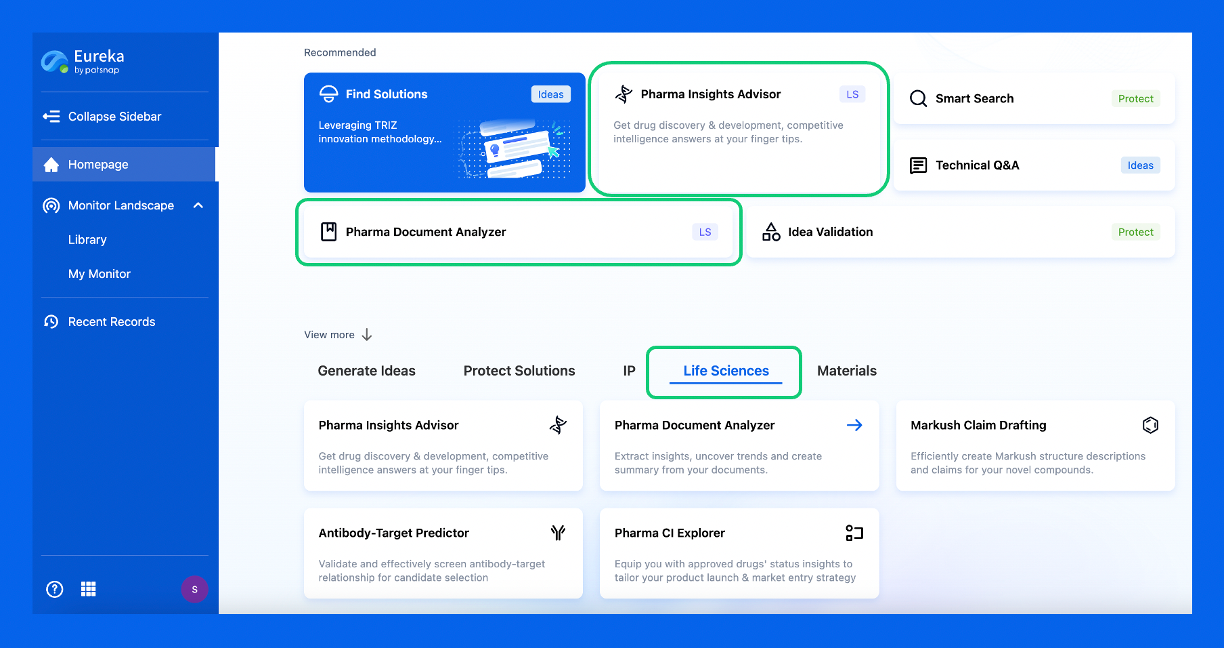
Discover Eureka LS: AI Agents Built for Biopharma Efficiency
Stop wasting time on biopharma busywork. Meet Eureka LS - your AI agent squad for drug discovery.
▶ See how 50+ research teams saved 300+ hours/month
From reducing screening time to simplifying Markush drafting, our AI Agents are ready to deliver immediate value. Explore Eureka LS today and unlock powerful capabilities that help you innovate with confidence.
AI Agents Built for Biopharma Breakthroughs
Accelerate discovery. Empower decisions. Transform outcomes.
Get started for free today!
Accelerate Strategic R&D decision making with Synapse, PatSnap’s AI-powered Connected Innovation Intelligence Platform Built for Life Sciences Professionals.
Start your data trial now!
Synapse data is also accessible to external entities via APIs or data packages. Empower better decisions with the latest in pharmaceutical intelligence.