Request Demo
What is ALAQ used for?
28 June 2024
Introduction to ALAQ:
ALAQ, an innovative pharmaceutical compound, is currently at the forefront of experimental cancer therapies. This novel agent is being developed by a coalition of top-tier research institutions and biotech companies with the aim of providing a new treatment option for patients with advanced and resistant forms of cancer. ALAQ belongs to a class of drugs known as targeted therapies, which are designed to specifically attack cancer cells while minimizing damage to normal, healthy cells. The primary indication being explored for ALAQ is its efficacy in treating various forms of solid tumors, including but not limited to, lung cancer, breast cancer, and colorectal cancer. As of now, ALAQ has shown promising results in preclinical studies and is currently undergoing Phase II clinical trials to evaluate its safety and efficacy in a larger patient population.
ALAQ Mechanism of Action:
At the heart of ALAQ's promising therapeutic potential is its unique mechanism of action. Unlike traditional chemotherapeutic agents that non-selectively kill rapidly dividing cells, ALAQ operates with a high degree of specificity. The drug targets a particular protein, known as receptor X (RX), which is overexpressed in many cancer cells. RX plays a crucial role in cell proliferation and survival, making it an ideal target for intervention.
Upon binding to RX, ALAQ inhibits its activity, effectively halting the downstream signaling pathways that promote tumor growth and survival. This inhibition leads to a cascade of cellular events: the cancer cells are unable to progress through the cell cycle, leading to cell cycle arrest, and eventually, apoptosis or programmed cell death. Additionally, ALAQ has been shown to disrupt the tumor microenvironment by inhibiting angiogenesis, the process through which new blood vessels form to supply nutrients to the tumor. By cutting off the tumor’s blood supply, ALAQ further contributes to the reduction of tumor growth.
What is the indication of ALAQ?
The primary indication for ALAQ is the treatment of various types of solid tumors, particularly in patients who have not responded well to conventional therapies. This includes cases of non-small cell lung cancer (NSCLC), which is notorious for its poor prognosis and resistance to existing treatments. ALAQ is also being investigated for its potential to treat triple-negative breast cancer (TNBC), a particularly aggressive subtype of breast cancer that lacks targeted treatment options. Colorectal cancer, another leading cause of cancer-related deaths, is also among the primary targets for ALAQ, especially in those patients who have relapsed after initial treatments.
The rationale behind choosing these indications lies in the overexpression of the RX protein in these cancer types. Preclinical studies have demonstrated that ALAQ can significantly reduce tumor size and improve survival rates in animal models of these cancers. The ongoing clinical trials are designed to confirm these findings in humans and to identify any potential biomarkers that might predict which patients are most likely to benefit from ALAQ treatment.
In conclusion, ALAQ represents a beacon of hope for patients with advanced and resistant forms of cancer. Its targeted mechanism of action and promising preclinical results have set the stage for the ongoing clinical trials, which aim to establish its safety and efficacy in humans. If successful, ALAQ could become a pivotal addition to the arsenal of cancer therapies, offering a much-needed option for patients who have exhausted other treatments. The collaborative efforts of researchers, clinicians, and biotech companies are crucial in bringing ALAQ closer to clinical use, and the medical community eagerly anticipates the results of the current Phase II trials.
ALAQ, an innovative pharmaceutical compound, is currently at the forefront of experimental cancer therapies. This novel agent is being developed by a coalition of top-tier research institutions and biotech companies with the aim of providing a new treatment option for patients with advanced and resistant forms of cancer. ALAQ belongs to a class of drugs known as targeted therapies, which are designed to specifically attack cancer cells while minimizing damage to normal, healthy cells. The primary indication being explored for ALAQ is its efficacy in treating various forms of solid tumors, including but not limited to, lung cancer, breast cancer, and colorectal cancer. As of now, ALAQ has shown promising results in preclinical studies and is currently undergoing Phase II clinical trials to evaluate its safety and efficacy in a larger patient population.
ALAQ Mechanism of Action:
At the heart of ALAQ's promising therapeutic potential is its unique mechanism of action. Unlike traditional chemotherapeutic agents that non-selectively kill rapidly dividing cells, ALAQ operates with a high degree of specificity. The drug targets a particular protein, known as receptor X (RX), which is overexpressed in many cancer cells. RX plays a crucial role in cell proliferation and survival, making it an ideal target for intervention.
Upon binding to RX, ALAQ inhibits its activity, effectively halting the downstream signaling pathways that promote tumor growth and survival. This inhibition leads to a cascade of cellular events: the cancer cells are unable to progress through the cell cycle, leading to cell cycle arrest, and eventually, apoptosis or programmed cell death. Additionally, ALAQ has been shown to disrupt the tumor microenvironment by inhibiting angiogenesis, the process through which new blood vessels form to supply nutrients to the tumor. By cutting off the tumor’s blood supply, ALAQ further contributes to the reduction of tumor growth.
What is the indication of ALAQ?
The primary indication for ALAQ is the treatment of various types of solid tumors, particularly in patients who have not responded well to conventional therapies. This includes cases of non-small cell lung cancer (NSCLC), which is notorious for its poor prognosis and resistance to existing treatments. ALAQ is also being investigated for its potential to treat triple-negative breast cancer (TNBC), a particularly aggressive subtype of breast cancer that lacks targeted treatment options. Colorectal cancer, another leading cause of cancer-related deaths, is also among the primary targets for ALAQ, especially in those patients who have relapsed after initial treatments.
The rationale behind choosing these indications lies in the overexpression of the RX protein in these cancer types. Preclinical studies have demonstrated that ALAQ can significantly reduce tumor size and improve survival rates in animal models of these cancers. The ongoing clinical trials are designed to confirm these findings in humans and to identify any potential biomarkers that might predict which patients are most likely to benefit from ALAQ treatment.
In conclusion, ALAQ represents a beacon of hope for patients with advanced and resistant forms of cancer. Its targeted mechanism of action and promising preclinical results have set the stage for the ongoing clinical trials, which aim to establish its safety and efficacy in humans. If successful, ALAQ could become a pivotal addition to the arsenal of cancer therapies, offering a much-needed option for patients who have exhausted other treatments. The collaborative efforts of researchers, clinicians, and biotech companies are crucial in bringing ALAQ closer to clinical use, and the medical community eagerly anticipates the results of the current Phase II trials.
How to obtain the latest development progress of all drugs?
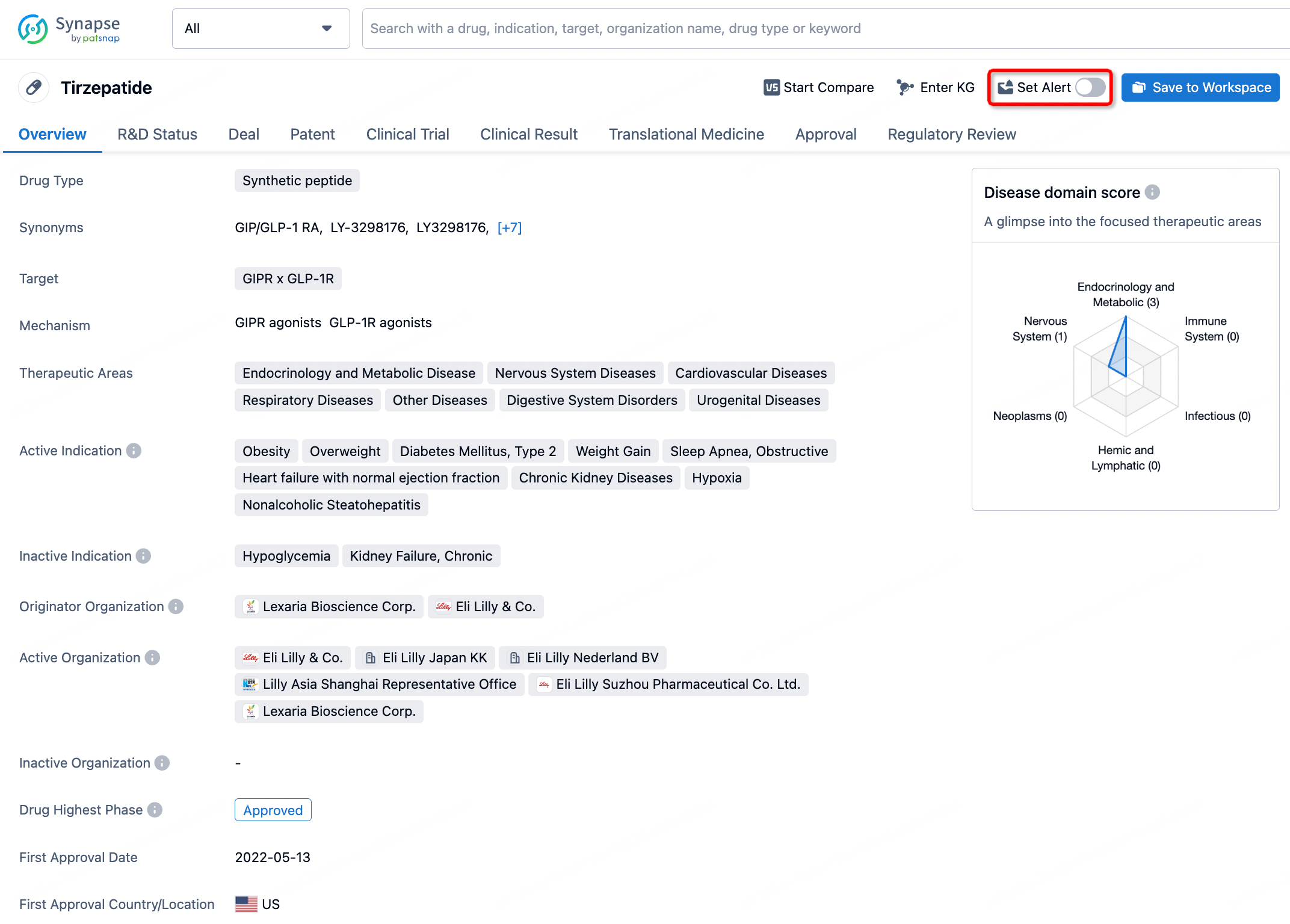
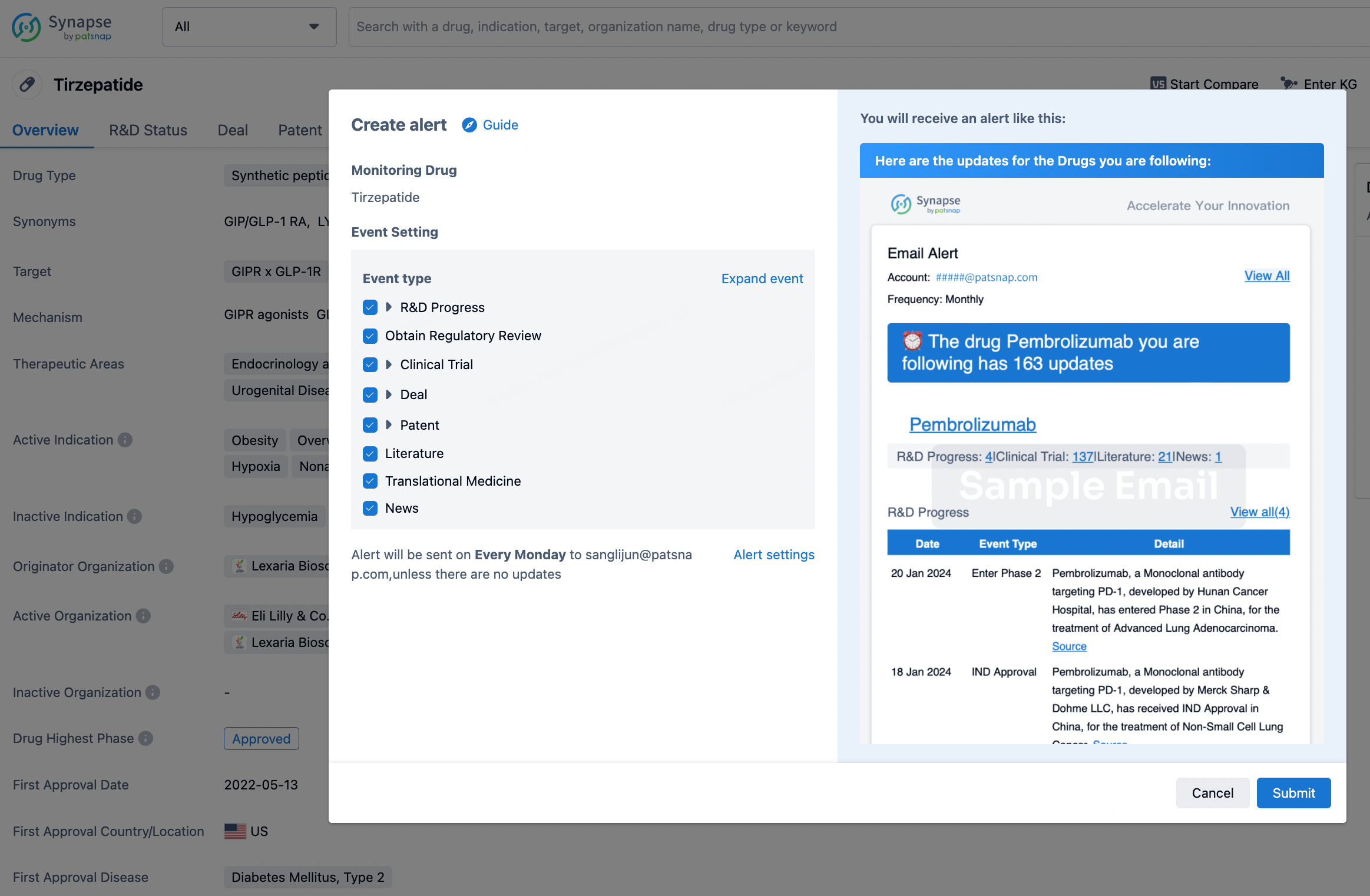
In the Synapse database, you can stay updated on the latest research and development advances of all drugs. This service is accessible anytime and anywhere, with updates available daily or weekly. Use the "Set Alert" function to stay informed. Click on the image below to embark on a brand new journey of drug discovery!
AI Agents Built for Biopharma Breakthroughs
Accelerate discovery. Empower decisions. Transform outcomes.
Get started for free today!
Accelerate Strategic R&D decision making with Synapse, PatSnap’s AI-powered Connected Innovation Intelligence Platform Built for Life Sciences Professionals.
Start your data trial now!
Synapse data is also accessible to external entities via APIs or data packages. Empower better decisions with the latest in pharmaceutical intelligence.