Request Demo
What is Antaitavir Hasophate used for?
28 June 2024
Antaitavir Hasophate has recently garnered significant attention within the biomedical research community, owing to its promising therapeutic potential and robust scientific foundation. Developed as an innovative antiviral agent, this drug has been the focus of extensive research by various leading pharmaceutical companies and research institutions. It is primarily designed to target viral infections that have posed significant challenges to current medical practices. The drug belongs to a class of antiviral medications known for their ability to inhibit viral replication and has shown particular efficacy in preclinical and early clinical trials. Indications for Antaitavir Hasophate include a broad spectrum of viral infections, with a primary focus on those caused by RNA viruses, such as hepatitis C and certain strains of influenza. As of the latest updates, the drug is in the advanced stages of clinical trials, with researchers optimistic about its potential approval and subsequent availability for widespread clinical use.
Antaitavir Hasophate's mechanism of action is both sophisticated and highly targeted, setting it apart from many existing antiviral drugs. The compound works by inhibiting the viral RNA-dependent RNA polymerase (RdRp), an enzyme that is crucial for the replication of RNA viruses. By binding to the active site of RdRp, Antaitavir Hasophate effectively halts the synthesis of viral RNA, thereby preventing the virus from replicating within the host cells. This mechanism is particularly advantageous because it targets a highly conserved region of the enzyme, reducing the likelihood of resistance development. Additionally, Antaitavir Hasophate exhibits a high degree of specificity for viral enzymes over human enzymes, thereby minimizing potential off-target effects and enhancing its safety profile. The drug also promotes the degradation of viral RNA, further contributing to its antiviral efficacy. This dual action not only inhibits viral replication but also assists the immune system in clearing the virus more effectively.
The primary indication for Antaitavir Hasophate is the treatment of chronic hepatitis C virus (HCV) infection, a condition that affects millions of people worldwide and can lead to severe liver disease if left untreated. HCV has been notoriously difficult to manage due to its high mutation rate and the potential for developing resistance to existing treatments. Antaitavir Hasophate offers a novel approach by targeting the viral replication machinery in a manner that is less prone to resistance. Preliminary clinical trials have demonstrated significant reductions in viral load among patients treated with Antaitavir Hasophate, often achieving sustained virologic response (SVR) rates that are comparable to or exceed those of current standard-of-care treatments. Moreover, the drug's favorable safety and tolerability profile make it a strong candidate for long-term use in chronic HCV patients.
In addition to its primary indication, researchers are exploring the potential of Antaitavir Hasophate to treat other RNA virus infections, such as certain strains of influenza and emerging viral threats like the Zika and Ebola viruses. The drug's broad-spectrum antiviral activity and the ability to be rapidly deployed in response to viral outbreaks make it a valuable asset in the global fight against infectious diseases. Ongoing studies aim to further elucidate the drug's efficacy across different viral infections and to optimize dosing regimens for various patient populations.
In conclusion, Antaitavir Hasophate represents a significant advancement in antiviral therapy, offering hope for improved management of chronic HCV and other challenging viral infections. Its innovative mechanism of action, coupled with promising clinical trial results, positions it as a potential game-changer in the field of infectious disease treatment. As research progresses and more data become available, the medical community eagerly anticipates the potential approval and widespread clinical application of Antaitavir Hasophate, which could ultimately lead to better health outcomes for millions of patients worldwide.
Antaitavir Hasophate's mechanism of action is both sophisticated and highly targeted, setting it apart from many existing antiviral drugs. The compound works by inhibiting the viral RNA-dependent RNA polymerase (RdRp), an enzyme that is crucial for the replication of RNA viruses. By binding to the active site of RdRp, Antaitavir Hasophate effectively halts the synthesis of viral RNA, thereby preventing the virus from replicating within the host cells. This mechanism is particularly advantageous because it targets a highly conserved region of the enzyme, reducing the likelihood of resistance development. Additionally, Antaitavir Hasophate exhibits a high degree of specificity for viral enzymes over human enzymes, thereby minimizing potential off-target effects and enhancing its safety profile. The drug also promotes the degradation of viral RNA, further contributing to its antiviral efficacy. This dual action not only inhibits viral replication but also assists the immune system in clearing the virus more effectively.
The primary indication for Antaitavir Hasophate is the treatment of chronic hepatitis C virus (HCV) infection, a condition that affects millions of people worldwide and can lead to severe liver disease if left untreated. HCV has been notoriously difficult to manage due to its high mutation rate and the potential for developing resistance to existing treatments. Antaitavir Hasophate offers a novel approach by targeting the viral replication machinery in a manner that is less prone to resistance. Preliminary clinical trials have demonstrated significant reductions in viral load among patients treated with Antaitavir Hasophate, often achieving sustained virologic response (SVR) rates that are comparable to or exceed those of current standard-of-care treatments. Moreover, the drug's favorable safety and tolerability profile make it a strong candidate for long-term use in chronic HCV patients.
In addition to its primary indication, researchers are exploring the potential of Antaitavir Hasophate to treat other RNA virus infections, such as certain strains of influenza and emerging viral threats like the Zika and Ebola viruses. The drug's broad-spectrum antiviral activity and the ability to be rapidly deployed in response to viral outbreaks make it a valuable asset in the global fight against infectious diseases. Ongoing studies aim to further elucidate the drug's efficacy across different viral infections and to optimize dosing regimens for various patient populations.
In conclusion, Antaitavir Hasophate represents a significant advancement in antiviral therapy, offering hope for improved management of chronic HCV and other challenging viral infections. Its innovative mechanism of action, coupled with promising clinical trial results, positions it as a potential game-changer in the field of infectious disease treatment. As research progresses and more data become available, the medical community eagerly anticipates the potential approval and widespread clinical application of Antaitavir Hasophate, which could ultimately lead to better health outcomes for millions of patients worldwide.
How to obtain the latest development progress of all drugs?
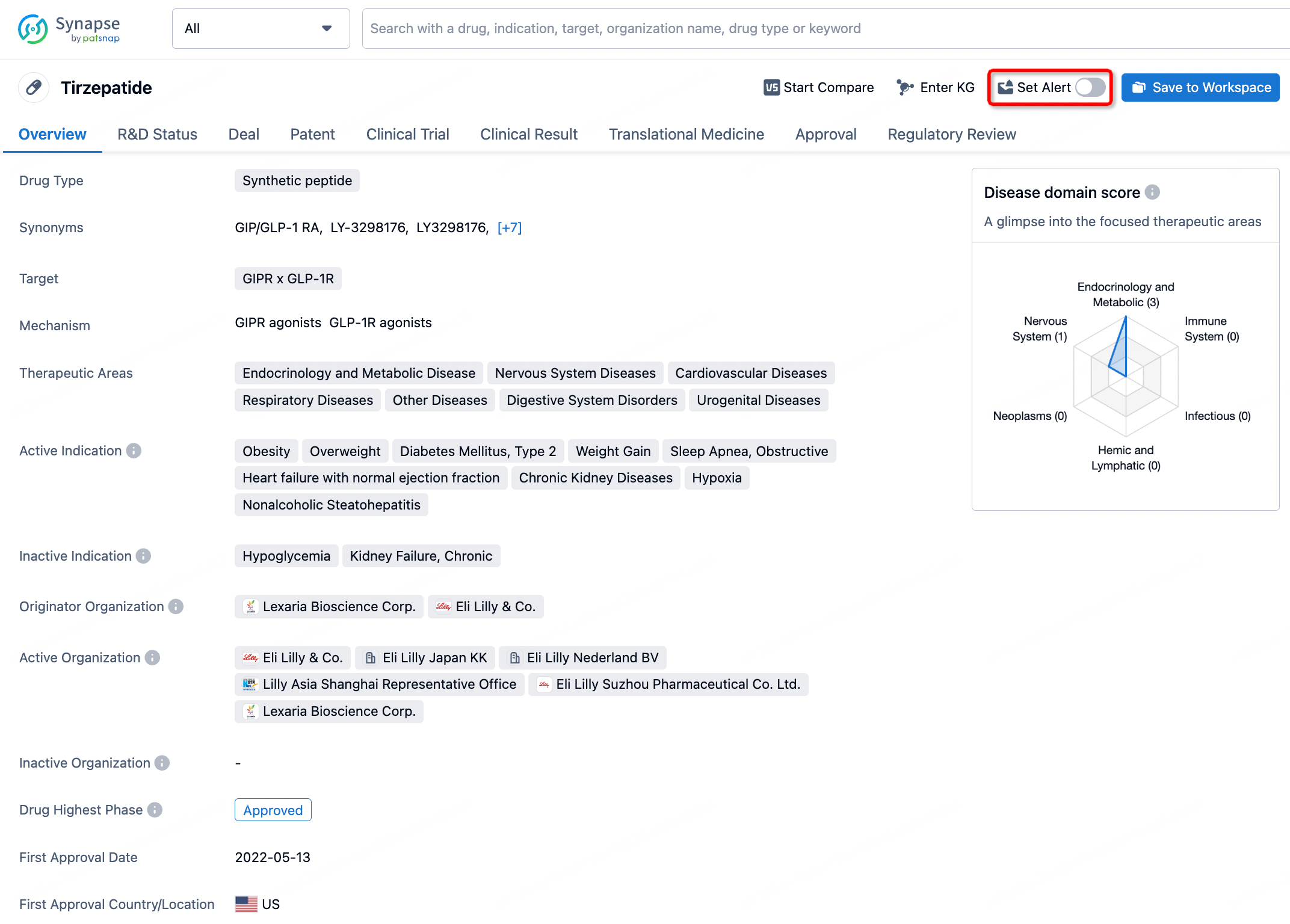
In the Synapse database, you can stay updated on the latest research and development advances of all drugs. This service is accessible anytime and anywhere, with updates available daily or weekly. Use the "Set Alert" function to stay informed. Click on the image below to embark on a brand new journey of drug discovery!

AI Agents Built for Biopharma Breakthroughs
Accelerate discovery. Empower decisions. Transform outcomes.
Get started for free today!
Accelerate Strategic R&D decision making with Synapse, PatSnap’s AI-powered Connected Innovation Intelligence Platform Built for Life Sciences Professionals.
Start your data trial now!
Synapse data is also accessible to external entities via APIs or data packages. Empower better decisions with the latest in pharmaceutical intelligence.