Request Demo
What is Astuprotimut-R used for?
28 June 2024
Astuprotimut-R: A New Frontier in Cancer Immunotherapy
Introduction to Astuprotimut-R:
Astuprotimut-R is emerging as a promising player in the field of cancer immunotherapy. Developed through the concerted efforts of leading research institutions and pharmaceutical companies, this drug represents a novel approach to combating cancer by harnessing the body’s immune system. Astuprotimut-R is categorized as a therapeutic cancer vaccine, specifically designed to target antigens associated with tumor cells. Unlike traditional chemotherapy or radiation, which directly attack cancer cells but often harm healthy cells as well, therapeutic cancer vaccines aim to stimulate the immune system to recognize and destroy cancer cells selectively.
The principal targets of Astuprotimut-R are tumor-associated antigens, which are proteins or other molecules expressed on the surface of cancer cells but not on most normal cells. By focusing on these antigens, Astuprotimut-R aims to elicit a robust and specific immune response against cancer cells. The progress of Astuprotimut-R through clinical trials has been closely monitored and supported by a number of renowned research institutions and organizations dedicated to advancing cancer treatment. Currently, the drug is in various phases of clinical testing, with some studies showing encouraging results in terms of efficacy and safety.
Astuprotimut-R has shown potential in treating several types of cancers, particularly those that are hard to target with conventional therapies. The scope of its indication is broadening as ongoing research continues to reveal more about its capabilities and potential applications. As it stands, Astuprotimut-R is primarily being investigated for its effectiveness in treating melanoma, non-small cell lung cancer, and other solid tumors.
Astuprotimut-R Mechanism of Action:
The mechanism of action of Astuprotimut-R is rooted in the principles of immunotherapy, which seeks to leverage the body's natural defense system to fight cancer. Astuprotimut-R works by introducing specific tumor-associated antigens to the immune system in a highly controlled manner. These antigens are essentially "flags" that help the immune system to distinguish cancer cells from normal cells.
When Astuprotimut-R is administered, it presents these antigens to immune cells, particularly dendritic cells, which play a pivotal role in initiating and regulating immune responses. Dendritic cells process the antigens and present them to T cells, another crucial component of the immune system. The T cells, upon recognizing the antigens as markers of cancer cells, become activated and begin to proliferate. These activated T cells then seek out and destroy cancer cells that express the same antigens.
Moreover, Astuprotimut-R may also induce the formation of memory T cells. These cells remain in the body long-term and can mount a rapid and powerful response if the cancer cells were to reappear, potentially leading to prolonged remission and improved survival rates for patients. By specifically targeting tumor-associated antigens, Astuprotimut-R minimizes damage to healthy cells and reduces the side effects typically associated with traditional cancer treatments.
What is the indication of Astuprotimut-R?
The primary indication of Astuprotimut-R is for the treatment of certain types of cancers, with a particular focus on melanoma and non-small cell lung cancer (NSCLC). Melanoma is a form of skin cancer that arises from pigment-producing cells called melanocytes. It is known for its high potential to spread to other parts of the body and can be particularly challenging to treat in its advanced stages. Astuprotimut-R is being explored as a therapeutic option for melanoma patients, especially those who have not responded well to other forms of treatment.
Non-small cell lung cancer, on the other hand, is one of the most common types of lung cancer and is notorious for its poor prognosis and limited treatment options. Astuprotimut-R offers a new avenue of hope for patients with NSCLC, aiming to enhance the immune system’s ability to target and destroy cancer cells.
In addition to melanoma and NSCLC, ongoing research is investigating the potential application of Astuprotimut-R in other solid tumors. This includes pancreatic cancer, colorectal cancer, and ovarian cancer, among others. Each of these cancers presents unique challenges for treatment, and the versatility and specificity of Astuprotimut-R's mechanism may provide significant therapeutic benefits.
In conclusion, Astuprotimut-R represents a significant advancement in the field of cancer immunotherapy. Its targeted approach, leveraging the body's immune system to fight cancer, offers a promising alternative to conventional therapies. As research progresses, the scope of its application may expand, potentially improving outcomes for a broad range of cancer patients.
Introduction to Astuprotimut-R:
Astuprotimut-R is emerging as a promising player in the field of cancer immunotherapy. Developed through the concerted efforts of leading research institutions and pharmaceutical companies, this drug represents a novel approach to combating cancer by harnessing the body’s immune system. Astuprotimut-R is categorized as a therapeutic cancer vaccine, specifically designed to target antigens associated with tumor cells. Unlike traditional chemotherapy or radiation, which directly attack cancer cells but often harm healthy cells as well, therapeutic cancer vaccines aim to stimulate the immune system to recognize and destroy cancer cells selectively.
The principal targets of Astuprotimut-R are tumor-associated antigens, which are proteins or other molecules expressed on the surface of cancer cells but not on most normal cells. By focusing on these antigens, Astuprotimut-R aims to elicit a robust and specific immune response against cancer cells. The progress of Astuprotimut-R through clinical trials has been closely monitored and supported by a number of renowned research institutions and organizations dedicated to advancing cancer treatment. Currently, the drug is in various phases of clinical testing, with some studies showing encouraging results in terms of efficacy and safety.
Astuprotimut-R has shown potential in treating several types of cancers, particularly those that are hard to target with conventional therapies. The scope of its indication is broadening as ongoing research continues to reveal more about its capabilities and potential applications. As it stands, Astuprotimut-R is primarily being investigated for its effectiveness in treating melanoma, non-small cell lung cancer, and other solid tumors.
Astuprotimut-R Mechanism of Action:
The mechanism of action of Astuprotimut-R is rooted in the principles of immunotherapy, which seeks to leverage the body's natural defense system to fight cancer. Astuprotimut-R works by introducing specific tumor-associated antigens to the immune system in a highly controlled manner. These antigens are essentially "flags" that help the immune system to distinguish cancer cells from normal cells.
When Astuprotimut-R is administered, it presents these antigens to immune cells, particularly dendritic cells, which play a pivotal role in initiating and regulating immune responses. Dendritic cells process the antigens and present them to T cells, another crucial component of the immune system. The T cells, upon recognizing the antigens as markers of cancer cells, become activated and begin to proliferate. These activated T cells then seek out and destroy cancer cells that express the same antigens.
Moreover, Astuprotimut-R may also induce the formation of memory T cells. These cells remain in the body long-term and can mount a rapid and powerful response if the cancer cells were to reappear, potentially leading to prolonged remission and improved survival rates for patients. By specifically targeting tumor-associated antigens, Astuprotimut-R minimizes damage to healthy cells and reduces the side effects typically associated with traditional cancer treatments.
What is the indication of Astuprotimut-R?
The primary indication of Astuprotimut-R is for the treatment of certain types of cancers, with a particular focus on melanoma and non-small cell lung cancer (NSCLC). Melanoma is a form of skin cancer that arises from pigment-producing cells called melanocytes. It is known for its high potential to spread to other parts of the body and can be particularly challenging to treat in its advanced stages. Astuprotimut-R is being explored as a therapeutic option for melanoma patients, especially those who have not responded well to other forms of treatment.
Non-small cell lung cancer, on the other hand, is one of the most common types of lung cancer and is notorious for its poor prognosis and limited treatment options. Astuprotimut-R offers a new avenue of hope for patients with NSCLC, aiming to enhance the immune system’s ability to target and destroy cancer cells.
In addition to melanoma and NSCLC, ongoing research is investigating the potential application of Astuprotimut-R in other solid tumors. This includes pancreatic cancer, colorectal cancer, and ovarian cancer, among others. Each of these cancers presents unique challenges for treatment, and the versatility and specificity of Astuprotimut-R's mechanism may provide significant therapeutic benefits.
In conclusion, Astuprotimut-R represents a significant advancement in the field of cancer immunotherapy. Its targeted approach, leveraging the body's immune system to fight cancer, offers a promising alternative to conventional therapies. As research progresses, the scope of its application may expand, potentially improving outcomes for a broad range of cancer patients.
How to obtain the latest development progress of all drugs?
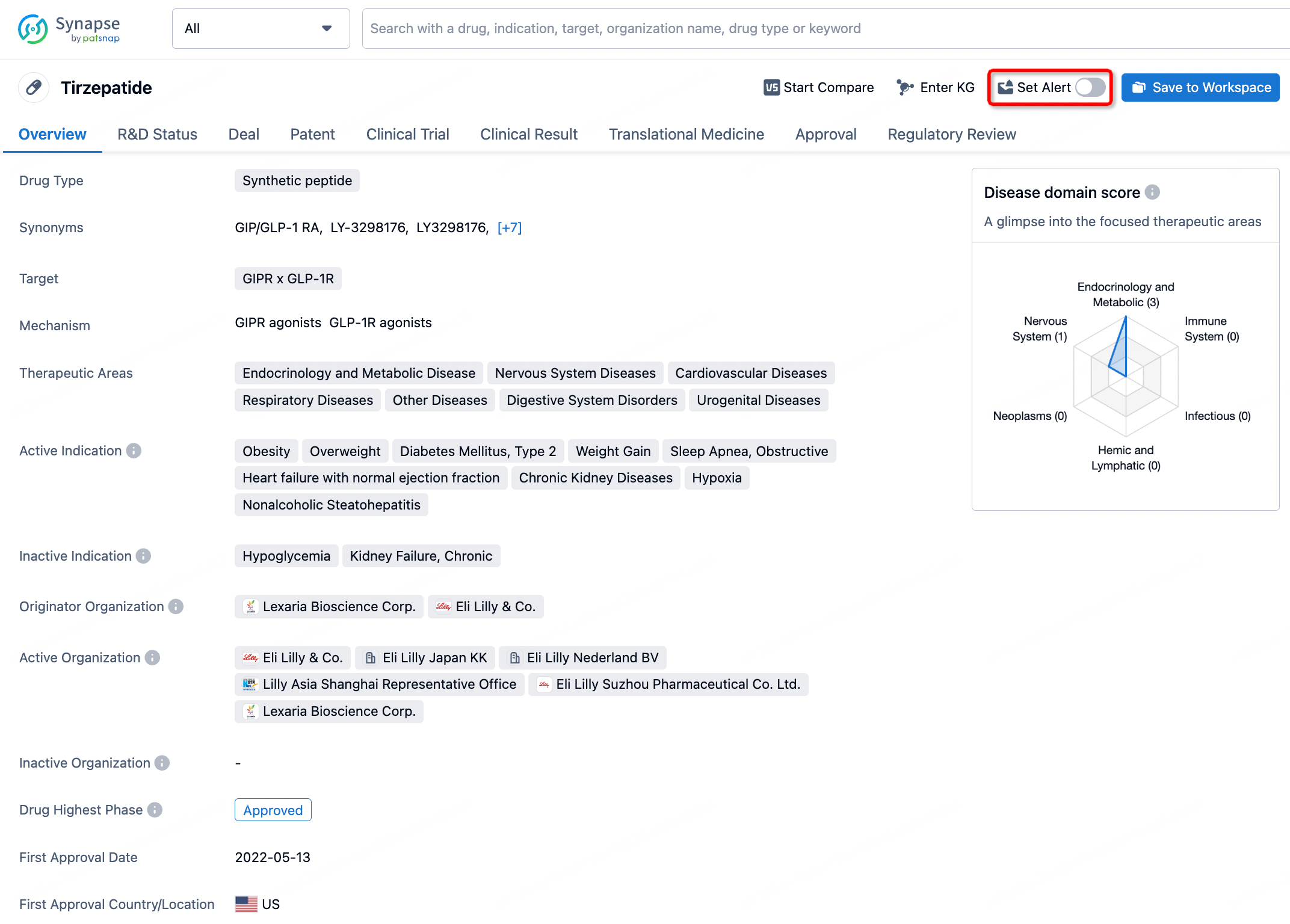
In the Synapse database, you can stay updated on the latest research and development advances of all drugs. This service is accessible anytime and anywhere, with updates available daily or weekly. Use the "Set Alert" function to stay informed. Click on the image below to embark on a brand new journey of drug discovery!


AI Agents Built for Biopharma Breakthroughs
Accelerate discovery. Empower decisions. Transform outcomes.
Get started for free today!
Accelerate Strategic R&D decision making with Synapse, PatSnap’s AI-powered Connected Innovation Intelligence Platform Built for Life Sciences Professionals.
Start your data trial now!
Synapse data is also accessible to external entities via APIs or data packages. Empower better decisions with the latest in pharmaceutical intelligence.