Request Demo
What is Becaplermin used for?
14 June 2024
Introduction to Becaplermin:
Becaplermin, commonly known under the trade name Regranex, is a bioengineered drug that primarily targets the healing of diabetic foot ulcers. This medication was developed to specifically address the chronic and often challenging wounds that affect individuals with diabetes. Becaplermin is a recombinant human platelet-derived growth factor-BB (rhPDGF-BB), a crucial component in the body’s natural wound healing process. The drug was developed and brought to the market by Ortho-McNeil Pharmaceutical, a subsidiary of Johnson & Johnson.
Diabetic foot ulcers are a significant complication associated with diabetes, leading to severe infections, hospitalization, and, in extreme cases, amputation. The introduction of Becaplermin has provided a substantial therapeutic advancement, offering a targeted approach to enhance the healing process of these stubborn wounds. The drug has undergone numerous clinical trials and received approval from the U.S. Food and Drug Administration (FDA) in 1997. Since then, it has been incorporated into the management strategies for chronic diabetic ulcers, providing healthcare professionals with an additional tool to combat this debilitating condition.
Becaplermin Mechanism of Action:
Becaplermin functions by mimicking the natural activity of platelet-derived growth factor (PDGF), a protein that plays a pivotal role in wound healing. PDGF is one of the body's vital signaling molecules, attracting cells necessary for tissue repair to the site of injury. When a wound occurs, platelets release PDGF, which then interacts with receptors on the surface of various cell types like fibroblasts and smooth muscle cells. This interaction stimulates these cells to proliferate and migrate to the wound site, producing new tissue and blood vessels necessary for healing.
The topical application of Becaplermin gel delivers a high concentration of rhPDGF-BB directly to the wound area. This exogenous PDGF enhances the natural healing process by promoting the recruitment and activation of the cells required for tissue regeneration. It essentially amplifies the body's inherent response to injury, accelerating the healing of chronic wounds that might otherwise be slow to resolve or remain unhealed. By providing these signaling molecules directly to the wound bed, Becaplermin helps to overcome the deficiencies in natural growth factor production that are often observed in patients with diabetes.
How to Use Becaplermin:
Becaplermin is administered topically in the form of a gel, applied directly to the wound bed. The application of Becaplermin should be performed once daily, following a specific regimen designed to maximize its efficacy. Typically, a healthcare professional will determine the appropriate amount of gel based on the size and condition of the ulcer. The gel is then spread evenly over the wound, and the area is covered with a moist saline dressing to protect the site and maintain an optimal environment for healing.
The onset of action for Becaplermin varies depending on the severity and chronicity of the ulcer, as well as individual patient factors. However, clinical studies have shown that significant improvements can often be observed within a few weeks of consistent application, with many patients experiencing complete wound closure within several months. It is crucial for patients to adhere to the prescribed treatment regimen and follow all accompanying wound care instructions to achieve the best possible outcomes.
In addition to the application of Becaplermin, comprehensive wound care practices should be followed, including regular cleaning of the wound, controlling blood glucose levels, offloading pressure from the affected foot, and addressing any underlying infections. These combined efforts ensure a holistic approach to wound management, enhancing the effectiveness of Becaplermin and promoting optimal healing.
What is Becaplermin Side Effects:
While Becaplermin has proven to be an effective treatment for diabetic foot ulcers, it is not without potential side effects and contraindications. Common side effects associated with the use of Becaplermin include mild to moderate skin reactions at the application site. These may manifest as redness, irritation, rash, or itching. In most cases, these reactions are temporary and resolve once the treatment is discontinued or adjusted.
More severe side effects are rare but can occur. There have been reports of allergic reactions, which may include symptoms such as swelling, difficulty breathing, severe dizziness, or hives. Patients experiencing any signs of a severe allergic reaction should seek immediate medical attention.
One of the significant concerns regarding the use of Becaplermin is the potential increased risk of cancer. In studies involving patients who used three or more tubes of Becaplermin, there was a reported increase in the incidence of malignancies, including skin cancer. As a result, the FDA has issued warnings and recommends that Becaplermin be used with caution, particularly in patients with a known history of malignancy. It is essential for healthcare providers to evaluate the risks and benefits of this treatment on an individual basis, considering each patient's medical history and other risk factors.
Contraindications for the use of Becaplermin include a known hypersensitivity to any component of the gel, the presence of necrotic tissue within the wound, and wounds that are infected or actively bleeding. Patients with these conditions should avoid using Becaplermin, and alternative treatment options should be explored.
What Other Drugs Will Affect Becaplermin:
As with any medication, potential drug interactions should be considered when prescribing Becaplermin. While there are no well-documented interactions with systemic medications, it is crucial to consider any other topical agents being used concurrently on the wound site. The use of multiple topical treatments can alter the effectiveness of Becaplermin or increase the risk of adverse reactions.
Patients should inform their healthcare provider of all medications they are currently using, including over-the-counter drugs, vitamins, and herbal supplements. Specific interactions may not be well-documented, but it is always prudent to err on the side of caution and ensure that any co-administered treatments do not interfere with the action of Becaplermin.
Additionally, certain conditions and medications that affect the skin's healing process, such as corticosteroids or immunosuppressive drugs, may potentially impact the effectiveness of Becaplermin. These medications can influence wound healing and may require adjustments to the treatment plan to optimize outcomes.
In conclusion, Becaplermin represents a significant advancement in the treatment of diabetic foot ulcers, offering a targeted approach to enhance wound healing. By understanding its mechanism of action, proper usage guidelines, potential side effects, and drug interactions, healthcare providers and patients can effectively incorporate Becaplermin into their wound care management strategies. With careful consideration and adherence to prescribed protocols, Becaplermin can play a crucial role in improving the quality of life for individuals suffering from chronic diabetic wounds.
Becaplermin, commonly known under the trade name Regranex, is a bioengineered drug that primarily targets the healing of diabetic foot ulcers. This medication was developed to specifically address the chronic and often challenging wounds that affect individuals with diabetes. Becaplermin is a recombinant human platelet-derived growth factor-BB (rhPDGF-BB), a crucial component in the body’s natural wound healing process. The drug was developed and brought to the market by Ortho-McNeil Pharmaceutical, a subsidiary of Johnson & Johnson.
Diabetic foot ulcers are a significant complication associated with diabetes, leading to severe infections, hospitalization, and, in extreme cases, amputation. The introduction of Becaplermin has provided a substantial therapeutic advancement, offering a targeted approach to enhance the healing process of these stubborn wounds. The drug has undergone numerous clinical trials and received approval from the U.S. Food and Drug Administration (FDA) in 1997. Since then, it has been incorporated into the management strategies for chronic diabetic ulcers, providing healthcare professionals with an additional tool to combat this debilitating condition.
Becaplermin Mechanism of Action:
Becaplermin functions by mimicking the natural activity of platelet-derived growth factor (PDGF), a protein that plays a pivotal role in wound healing. PDGF is one of the body's vital signaling molecules, attracting cells necessary for tissue repair to the site of injury. When a wound occurs, platelets release PDGF, which then interacts with receptors on the surface of various cell types like fibroblasts and smooth muscle cells. This interaction stimulates these cells to proliferate and migrate to the wound site, producing new tissue and blood vessels necessary for healing.
The topical application of Becaplermin gel delivers a high concentration of rhPDGF-BB directly to the wound area. This exogenous PDGF enhances the natural healing process by promoting the recruitment and activation of the cells required for tissue regeneration. It essentially amplifies the body's inherent response to injury, accelerating the healing of chronic wounds that might otherwise be slow to resolve or remain unhealed. By providing these signaling molecules directly to the wound bed, Becaplermin helps to overcome the deficiencies in natural growth factor production that are often observed in patients with diabetes.
How to Use Becaplermin:
Becaplermin is administered topically in the form of a gel, applied directly to the wound bed. The application of Becaplermin should be performed once daily, following a specific regimen designed to maximize its efficacy. Typically, a healthcare professional will determine the appropriate amount of gel based on the size and condition of the ulcer. The gel is then spread evenly over the wound, and the area is covered with a moist saline dressing to protect the site and maintain an optimal environment for healing.
The onset of action for Becaplermin varies depending on the severity and chronicity of the ulcer, as well as individual patient factors. However, clinical studies have shown that significant improvements can often be observed within a few weeks of consistent application, with many patients experiencing complete wound closure within several months. It is crucial for patients to adhere to the prescribed treatment regimen and follow all accompanying wound care instructions to achieve the best possible outcomes.
In addition to the application of Becaplermin, comprehensive wound care practices should be followed, including regular cleaning of the wound, controlling blood glucose levels, offloading pressure from the affected foot, and addressing any underlying infections. These combined efforts ensure a holistic approach to wound management, enhancing the effectiveness of Becaplermin and promoting optimal healing.
What is Becaplermin Side Effects:
While Becaplermin has proven to be an effective treatment for diabetic foot ulcers, it is not without potential side effects and contraindications. Common side effects associated with the use of Becaplermin include mild to moderate skin reactions at the application site. These may manifest as redness, irritation, rash, or itching. In most cases, these reactions are temporary and resolve once the treatment is discontinued or adjusted.
More severe side effects are rare but can occur. There have been reports of allergic reactions, which may include symptoms such as swelling, difficulty breathing, severe dizziness, or hives. Patients experiencing any signs of a severe allergic reaction should seek immediate medical attention.
One of the significant concerns regarding the use of Becaplermin is the potential increased risk of cancer. In studies involving patients who used three or more tubes of Becaplermin, there was a reported increase in the incidence of malignancies, including skin cancer. As a result, the FDA has issued warnings and recommends that Becaplermin be used with caution, particularly in patients with a known history of malignancy. It is essential for healthcare providers to evaluate the risks and benefits of this treatment on an individual basis, considering each patient's medical history and other risk factors.
Contraindications for the use of Becaplermin include a known hypersensitivity to any component of the gel, the presence of necrotic tissue within the wound, and wounds that are infected or actively bleeding. Patients with these conditions should avoid using Becaplermin, and alternative treatment options should be explored.
What Other Drugs Will Affect Becaplermin:
As with any medication, potential drug interactions should be considered when prescribing Becaplermin. While there are no well-documented interactions with systemic medications, it is crucial to consider any other topical agents being used concurrently on the wound site. The use of multiple topical treatments can alter the effectiveness of Becaplermin or increase the risk of adverse reactions.
Patients should inform their healthcare provider of all medications they are currently using, including over-the-counter drugs, vitamins, and herbal supplements. Specific interactions may not be well-documented, but it is always prudent to err on the side of caution and ensure that any co-administered treatments do not interfere with the action of Becaplermin.
Additionally, certain conditions and medications that affect the skin's healing process, such as corticosteroids or immunosuppressive drugs, may potentially impact the effectiveness of Becaplermin. These medications can influence wound healing and may require adjustments to the treatment plan to optimize outcomes.
In conclusion, Becaplermin represents a significant advancement in the treatment of diabetic foot ulcers, offering a targeted approach to enhance wound healing. By understanding its mechanism of action, proper usage guidelines, potential side effects, and drug interactions, healthcare providers and patients can effectively incorporate Becaplermin into their wound care management strategies. With careful consideration and adherence to prescribed protocols, Becaplermin can play a crucial role in improving the quality of life for individuals suffering from chronic diabetic wounds.
How to obtain the latest development progress of all drugs?
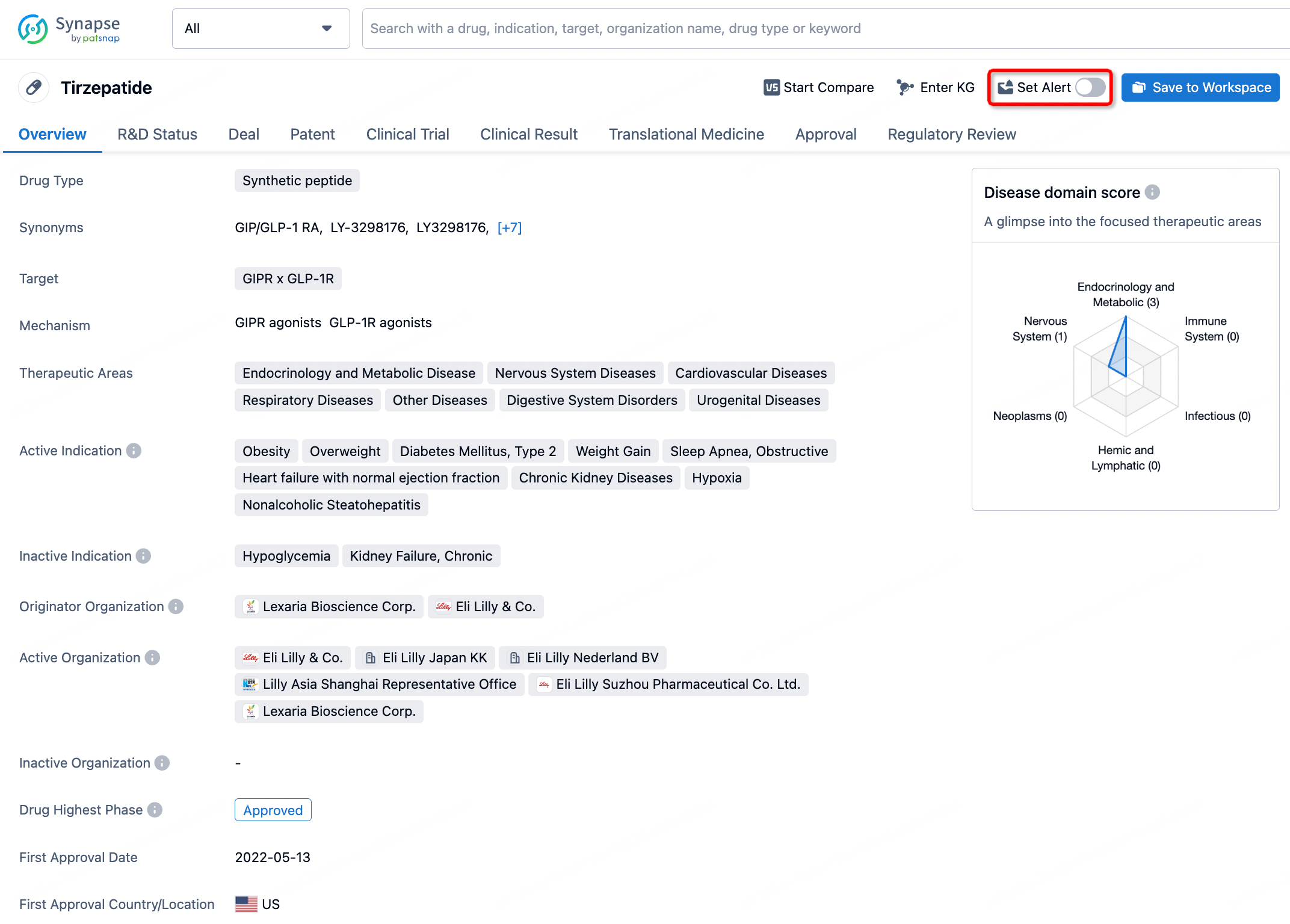
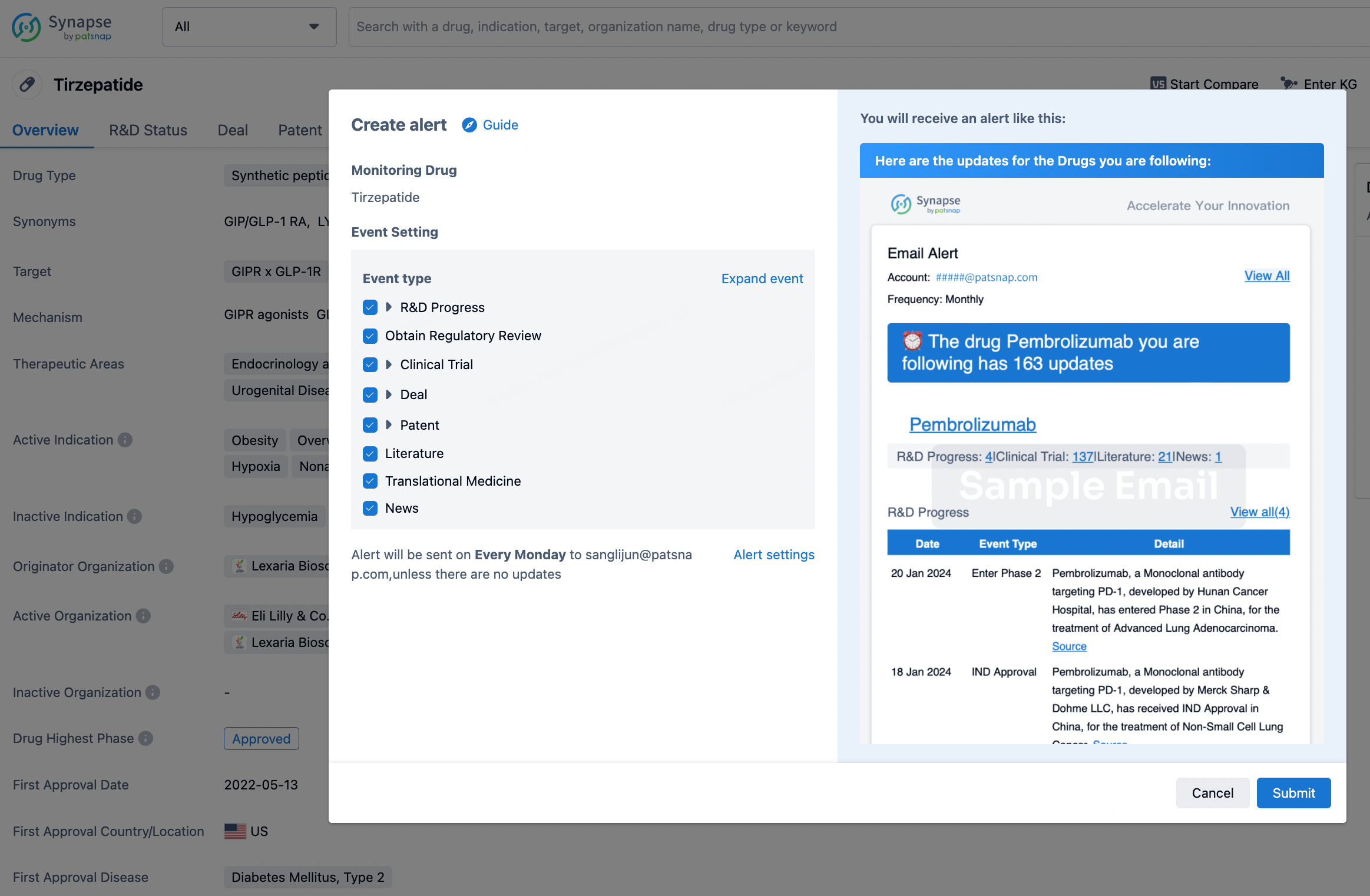
In the Synapse database, you can stay updated on the latest research and development advances of all drugs. This service is accessible anytime and anywhere, with updates available daily or weekly. Use the "Set Alert" function to stay informed. Click on the image below to embark on a brand new journey of drug discovery!
Hiro LS Researcher
The AI Search Engine Built to Accelerate Biopharma Decisions
Search across billion-scale life sciences data to uncover signals, validate evidence, and act with confidence.
Ask any biopharma research question→
Get started for free today!
Accelerate Strategic R&D decision making with Synapse, Patsnap’s AI-powered Connected Innovation Intelligence Platform Built for Life Sciences Professionals.
Discover Synapse Data Servers
Synapse data is now integrated into the PatSnap LS Model Context Protocol (MCP) service. Customize your LLM agent now using our MCP server!