Request Demo
What is Denosumab used for?
14 June 2024
Denosumab is an important drug in the realm of osteoporosis and cancer treatment, with two common trade names: Prolia and Xgeva. Developed by Amgen, Denosumab is a fully human monoclonal antibody targeting the receptor activator of nuclear factor kappa-Β ligand (RANKL). This drug is classified as a bone-modifying agent and is primarily used for conditions such as osteoporosis in postmenopausal women, bone loss in men receiving androgen deprivation therapy for prostate cancer, and prevention of skeletal-related events in patients with bone metastases from solid tumors. Currently, research on Denosumab continues to explore its potential in treating other conditions related to bone density and strength.
The mechanism of action of Denosumab revolves around its ability to inhibit RANKL. RANKL is a protein essential for the formation, function, and survival of osteoclasts, the cells responsible for bone resorption. By binding to RANKL, Denosumab prevents it from activating its receptor, RANK, on the surface of osteoclasts and their precursors. This inhibition leads to a decrease in the formation, function, and survival of osteoclasts, ultimately reducing bone resorption and increasing bone mass and strength. This mechanism is particularly beneficial in conditions where bone turnover is abnormally high, such as osteoporosis and metastatic bone disease.
Denosumab is administered via subcutaneous injection, typically in the upper arm, thigh, or abdomen. The administration frequency depends on the indication: for osteoporosis and bone loss associated with hormone ablation therapy, Prolia is given every six months, while for the prevention of skeletal-related events in cancer patients, Xgeva is administered every four weeks. The onset of action of Denosumab is relatively quick. Studies have shown that significant reductions in bone turnover markers can be observed within three days, with maximum suppression occurring within one month. This rapid onset makes Denosumab a potent option for managing bone loss and reducing fracture risk.
As with any medication, Denosumab is associated with potential side effects and contraindications. Common side effects include back pain, pain in the extremities, musculoskeletal pain, hypercholesterolemia, and cystitis. More severe adverse reactions can occur, though they are less common. These include osteonecrosis of the jaw (ONJ), atypical femoral fractures, hypocalcemia, serious infections, and dermatologic reactions such as dermatitis, eczema, and rashes. Because of these risks, Denosumab is contraindicated in patients with hypocalcemia and should be used cautiously in those with pre-existing conditions that may predispose them to ONJ or other severe side effects.
To mitigate the risk of hypocalcemia, it is crucial to ensure adequate levels of calcium and vitamin D before initiating Denosumab therapy. Patients should be monitored for signs of hypocalcemia and receive supplementation if necessary. Additionally, dental examinations and preventive dentistry are recommended prior to starting treatment to reduce the risk of ONJ, and patients should maintain good oral hygiene and avoid invasive dental procedures while on Denosumab.
Several other drugs can interact with Denosumab, potentially altering its efficacy or increasing the risk of adverse effects. Bisphosphonates, another class of bone-modifying agents, should not be used concurrently with Denosumab, as the combination may excessively suppress bone turnover, leading to complications such as ONJ and atypical fractures. Additionally, immunosuppressive drugs, including corticosteroids, may heighten the risk of serious infections when used in combination with Denosumab. Other medications that induce hypocalcemia, such as loop diuretics, should be used with caution, and calcium levels should be closely monitored.
In conclusion, Denosumab is a significant advancement in the treatment of osteoporosis and cancer-related bone conditions. By targeting RANKL, it effectively reduces bone resorption and promotes bone strength, offering a rapid onset of action and convenient administration schedule. However, it is essential to be aware of the potential side effects and interactions with other medications. Through careful patient selection, monitoring, and management, Denosumab can be a powerful tool in the fight against bone loss and its associated complications.
The mechanism of action of Denosumab revolves around its ability to inhibit RANKL. RANKL is a protein essential for the formation, function, and survival of osteoclasts, the cells responsible for bone resorption. By binding to RANKL, Denosumab prevents it from activating its receptor, RANK, on the surface of osteoclasts and their precursors. This inhibition leads to a decrease in the formation, function, and survival of osteoclasts, ultimately reducing bone resorption and increasing bone mass and strength. This mechanism is particularly beneficial in conditions where bone turnover is abnormally high, such as osteoporosis and metastatic bone disease.
Denosumab is administered via subcutaneous injection, typically in the upper arm, thigh, or abdomen. The administration frequency depends on the indication: for osteoporosis and bone loss associated with hormone ablation therapy, Prolia is given every six months, while for the prevention of skeletal-related events in cancer patients, Xgeva is administered every four weeks. The onset of action of Denosumab is relatively quick. Studies have shown that significant reductions in bone turnover markers can be observed within three days, with maximum suppression occurring within one month. This rapid onset makes Denosumab a potent option for managing bone loss and reducing fracture risk.
As with any medication, Denosumab is associated with potential side effects and contraindications. Common side effects include back pain, pain in the extremities, musculoskeletal pain, hypercholesterolemia, and cystitis. More severe adverse reactions can occur, though they are less common. These include osteonecrosis of the jaw (ONJ), atypical femoral fractures, hypocalcemia, serious infections, and dermatologic reactions such as dermatitis, eczema, and rashes. Because of these risks, Denosumab is contraindicated in patients with hypocalcemia and should be used cautiously in those with pre-existing conditions that may predispose them to ONJ or other severe side effects.
To mitigate the risk of hypocalcemia, it is crucial to ensure adequate levels of calcium and vitamin D before initiating Denosumab therapy. Patients should be monitored for signs of hypocalcemia and receive supplementation if necessary. Additionally, dental examinations and preventive dentistry are recommended prior to starting treatment to reduce the risk of ONJ, and patients should maintain good oral hygiene and avoid invasive dental procedures while on Denosumab.
Several other drugs can interact with Denosumab, potentially altering its efficacy or increasing the risk of adverse effects. Bisphosphonates, another class of bone-modifying agents, should not be used concurrently with Denosumab, as the combination may excessively suppress bone turnover, leading to complications such as ONJ and atypical fractures. Additionally, immunosuppressive drugs, including corticosteroids, may heighten the risk of serious infections when used in combination with Denosumab. Other medications that induce hypocalcemia, such as loop diuretics, should be used with caution, and calcium levels should be closely monitored.
In conclusion, Denosumab is a significant advancement in the treatment of osteoporosis and cancer-related bone conditions. By targeting RANKL, it effectively reduces bone resorption and promotes bone strength, offering a rapid onset of action and convenient administration schedule. However, it is essential to be aware of the potential side effects and interactions with other medications. Through careful patient selection, monitoring, and management, Denosumab can be a powerful tool in the fight against bone loss and its associated complications.
How to obtain the latest development progress of all drugs?
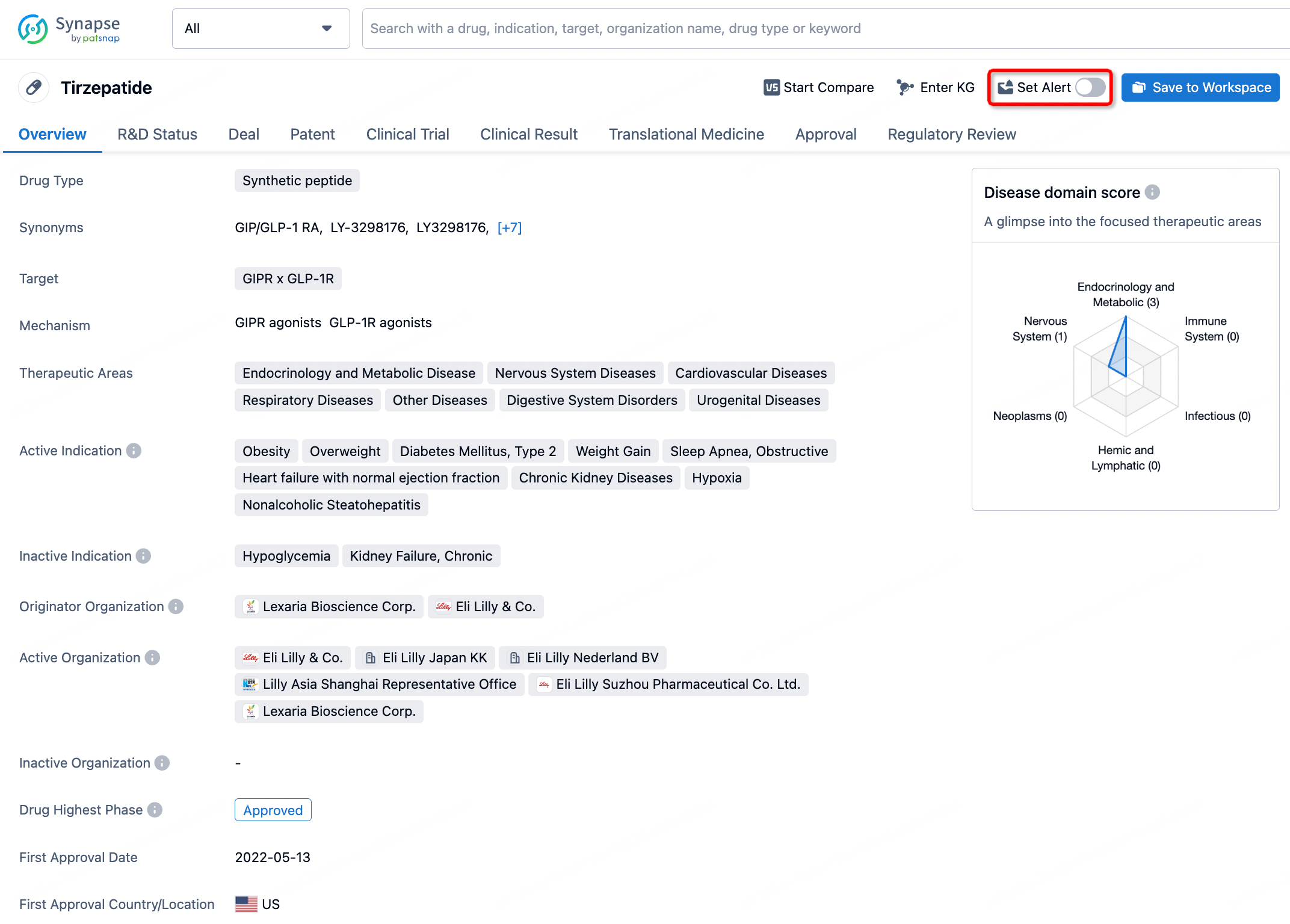
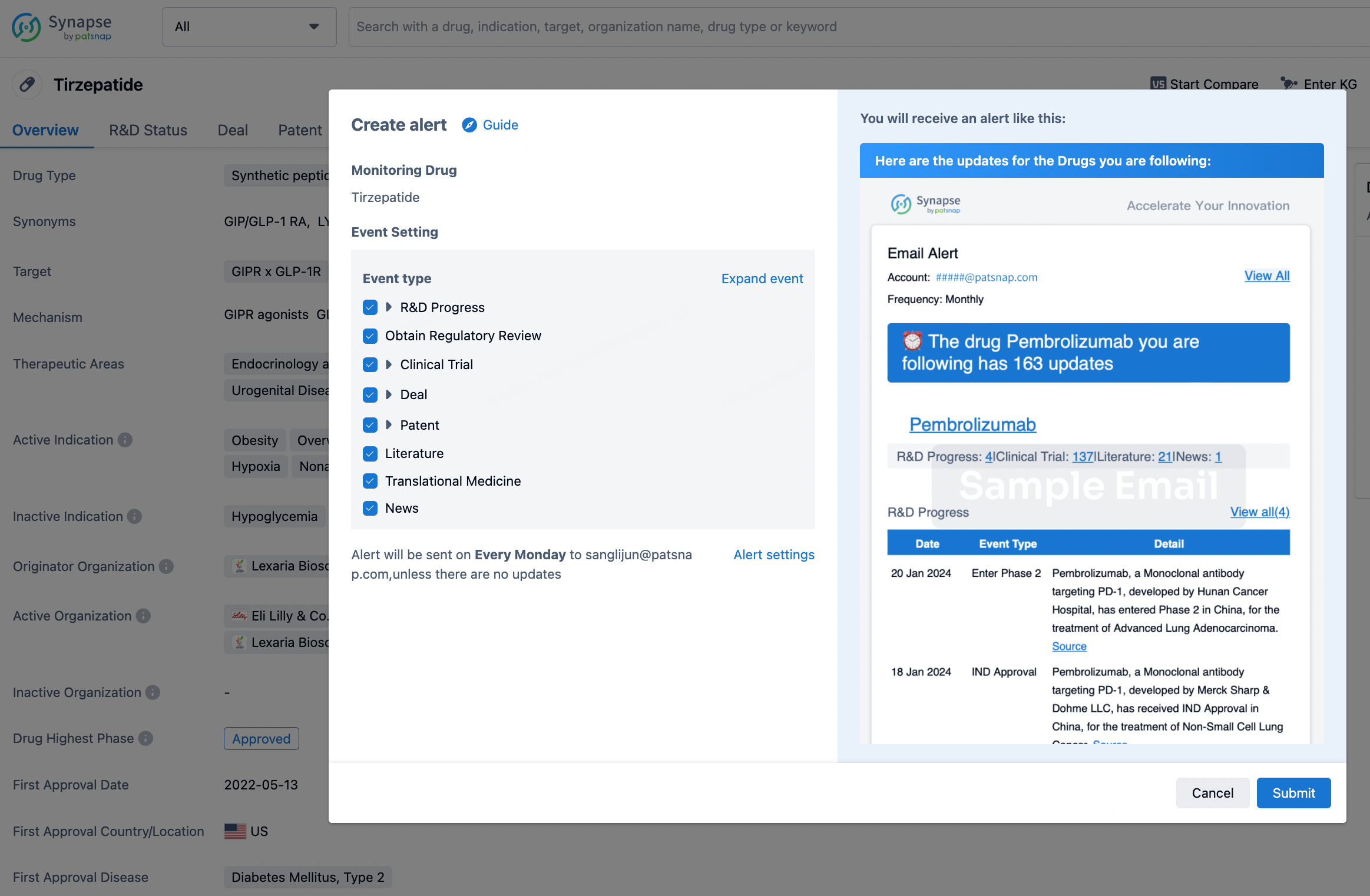
In the Synapse database, you can stay updated on the latest research and development advances of all drugs. This service is accessible anytime and anywhere, with updates available daily or weekly. Use the "Set Alert" function to stay informed. Click on the image below to embark on a brand new journey of drug discovery!
AI Agents Built for Biopharma Breakthroughs
Accelerate discovery. Empower decisions. Transform outcomes.
Get started for free today!
Accelerate Strategic R&D decision making with Synapse, PatSnap’s AI-powered Connected Innovation Intelligence Platform Built for Life Sciences Professionals.
Start your data trial now!
Synapse data is also accessible to external entities via APIs or data packages. Empower better decisions with the latest in pharmaceutical intelligence.