Request Demo
What is GP-40201 used for?
28 June 2024
GP-40201 is an exciting new candidate in the realm of pharmaceutical research, capturing the interest of scientific communities and healthcare providers alike. Developed by a consortium of leading research institutions, GP-40201 is a small-molecule drug primarily targeted at addressing chronic inflammatory and autoimmune conditions. This drug has shown remarkable promise in preclinical trials, and it is currently undergoing Phase II clinical trials. The primary indication for GP-40201 includes conditions like rheumatoid arthritis (RA), systemic lupus erythematosus (SLE), and inflammatory bowel disease (IBD), which are known for their debilitating impact on quality of life.
The research institutions involved in the development of GP-40201 are a mix of academic laboratories and pharmaceutical companies. Notable mentions include the Molecular Pharmacology Department at Stanford University, the Immunology Research Center at the University of Oxford, and BioPharma Innovations Ltd. These institutions have pooled their expertise and resources to bring GP-40201 from the conceptual stage to its current phase of development.
The mechanism of action of GP-40201 is both novel and intricate, promising a new approach to managing chronic inflammatory and autoimmune diseases. The drug targets a specific protein complex known as the cytokine receptor cluster, which plays a central role in the immune response and inflammation. By binding to this receptor complex, GP-40201 modulates the expression of pro-inflammatory cytokines, which are signaling molecules that contribute to inflammation and autoimmune reactions.
What makes GP-40201 particularly promising is its dual-action mechanism. Firstly, it inhibits the activation of the NF-kB pathway, a key regulator in the expression of various inflammatory cytokines. Secondly, it promotes the activation of regulatory T cells (Tregs), which are essential for maintaining immune tolerance and preventing autoimmune responses. This dual approach not only curtails inflammation but also restores the immune system’s balance, offering a comprehensive treatment strategy for chronic inflammatory diseases.
The primary indication for GP-40201 is its use in treating rheumatoid arthritis (RA), a chronic inflammatory disorder that primarily affects the joints. RA patients suffer from pain, swelling, and eventual joint destruction, significantly impacting their daily activities and quality of life. Current treatments often involve long-term use of steroids and biologics, which can have serious side effects and are not always effective. GP-40201 offers a promising alternative by targeting the underlying mechanisms of inflammation and autoimmune response, potentially providing more effective and safer treatment options for RA patients.
Another significant indication for GP-40201 is systemic lupus erythematosus (SLE), a complex autoimmune disease that affects multiple organ systems, including the skin, kidneys, and nervous system. Patients with SLE face a myriad of symptoms ranging from mild skin rashes to severe organ damage. Given the complexity of SLE, treatments are often symptomatic and lack specificity. GP-40201's ability to modulate immune responses at a cellular level could offer a more targeted and effective approach, reducing the need for broad-spectrum immunosuppressants and minimizing side effects.
Inflammatory bowel disease (IBD), which includes Crohn’s disease and ulcerative colitis, is another area where GP-40201 shows promise. IBD is characterized by chronic inflammation of the gastrointestinal tract, leading to severe abdominal pain, diarrhea, and malnutrition. Current treatments focus on controlling symptoms and preventing flare-ups, but long-term solutions are limited. GP-40201's dual-action mechanism offers a new avenue for treatment by addressing both inflammation and immune regulation, potentially leading to longer remission periods and improved quality of life for IBD patients.
In conclusion, GP-40201 represents a significant advancement in the treatment of chronic inflammatory and autoimmune diseases. Its novel mechanism of action and the collaborative effort behind its development underscore the potential impact it could have on conditions like rheumatoid arthritis, systemic lupus erythematosus, and inflammatory bowel disease. As clinical trials progress, the medical community remains hopeful that GP-40201 will change the landscape of treatment options, offering new hope to patients suffering from these debilitating conditions.
The research institutions involved in the development of GP-40201 are a mix of academic laboratories and pharmaceutical companies. Notable mentions include the Molecular Pharmacology Department at Stanford University, the Immunology Research Center at the University of Oxford, and BioPharma Innovations Ltd. These institutions have pooled their expertise and resources to bring GP-40201 from the conceptual stage to its current phase of development.
The mechanism of action of GP-40201 is both novel and intricate, promising a new approach to managing chronic inflammatory and autoimmune diseases. The drug targets a specific protein complex known as the cytokine receptor cluster, which plays a central role in the immune response and inflammation. By binding to this receptor complex, GP-40201 modulates the expression of pro-inflammatory cytokines, which are signaling molecules that contribute to inflammation and autoimmune reactions.
What makes GP-40201 particularly promising is its dual-action mechanism. Firstly, it inhibits the activation of the NF-kB pathway, a key regulator in the expression of various inflammatory cytokines. Secondly, it promotes the activation of regulatory T cells (Tregs), which are essential for maintaining immune tolerance and preventing autoimmune responses. This dual approach not only curtails inflammation but also restores the immune system’s balance, offering a comprehensive treatment strategy for chronic inflammatory diseases.
The primary indication for GP-40201 is its use in treating rheumatoid arthritis (RA), a chronic inflammatory disorder that primarily affects the joints. RA patients suffer from pain, swelling, and eventual joint destruction, significantly impacting their daily activities and quality of life. Current treatments often involve long-term use of steroids and biologics, which can have serious side effects and are not always effective. GP-40201 offers a promising alternative by targeting the underlying mechanisms of inflammation and autoimmune response, potentially providing more effective and safer treatment options for RA patients.
Another significant indication for GP-40201 is systemic lupus erythematosus (SLE), a complex autoimmune disease that affects multiple organ systems, including the skin, kidneys, and nervous system. Patients with SLE face a myriad of symptoms ranging from mild skin rashes to severe organ damage. Given the complexity of SLE, treatments are often symptomatic and lack specificity. GP-40201's ability to modulate immune responses at a cellular level could offer a more targeted and effective approach, reducing the need for broad-spectrum immunosuppressants and minimizing side effects.
Inflammatory bowel disease (IBD), which includes Crohn’s disease and ulcerative colitis, is another area where GP-40201 shows promise. IBD is characterized by chronic inflammation of the gastrointestinal tract, leading to severe abdominal pain, diarrhea, and malnutrition. Current treatments focus on controlling symptoms and preventing flare-ups, but long-term solutions are limited. GP-40201's dual-action mechanism offers a new avenue for treatment by addressing both inflammation and immune regulation, potentially leading to longer remission periods and improved quality of life for IBD patients.
In conclusion, GP-40201 represents a significant advancement in the treatment of chronic inflammatory and autoimmune diseases. Its novel mechanism of action and the collaborative effort behind its development underscore the potential impact it could have on conditions like rheumatoid arthritis, systemic lupus erythematosus, and inflammatory bowel disease. As clinical trials progress, the medical community remains hopeful that GP-40201 will change the landscape of treatment options, offering new hope to patients suffering from these debilitating conditions.
How to obtain the latest development progress of all drugs?
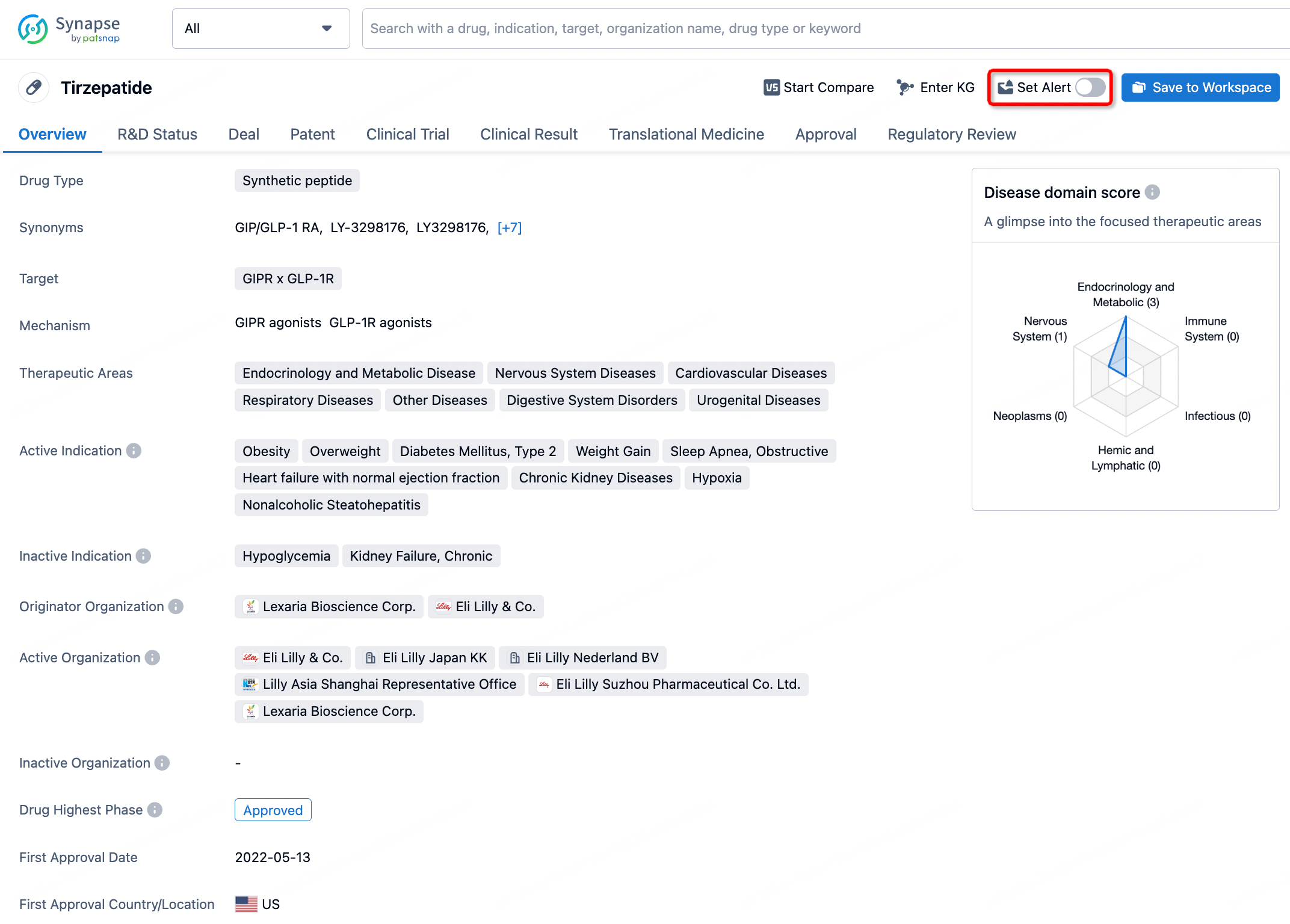
In the Synapse database, you can stay updated on the latest research and development advances of all drugs. This service is accessible anytime and anywhere, with updates available daily or weekly. Use the "Set Alert" function to stay informed. Click on the image below to embark on a brand new journey of drug discovery!


AI Agents Built for Biopharma Breakthroughs
Accelerate discovery. Empower decisions. Transform outcomes.
Get started for free today!
Accelerate Strategic R&D decision making with Synapse, PatSnap’s AI-powered Connected Innovation Intelligence Platform Built for Life Sciences Professionals.
Start your data trial now!
Synapse data is also accessible to external entities via APIs or data packages. Empower better decisions with the latest in pharmaceutical intelligence.