Request Demo
What is Ibritumomab Tiuxetan used for?
14 June 2024
Ibritumomab Tiuxetan, marketed under the trade name Zevalin, is a radioimmunotherapy drug primarily used to treat certain types of non-Hodgkin's lymphoma (NHL). Developed through a collaboration of research institutions and pharmaceutical companies, it represents a unique approach in oncology by combining an antibody with a radioactive isotope. The main target of Ibritumomab Tiuxetan is the CD20 antigen, a protein found on the surface of B-cells, which are involved in specific types of lymphoma. Ibritumomab Tiuxetan is categorized as a monoclonal antibody conjugated with a radioactive element, specifically Yttrium-90. It is indicated for patients with relapsed or refractory, low-grade, or follicular B-cell non-Hodgkin's lymphoma, and in certain cases for patients with previously untreated follicular NHL who achieve a partial or complete response to initial chemotherapy.
The mechanism of action of Ibritumomab Tiuxetan is multifaceted, combining the targeting capabilities of monoclonal antibodies with the cytotoxic power of radiation. The antibody component, Ibritumomab, specifically binds to the CD20 antigen on the surface of B-cells. Once bound, the radioactive isotope, Yttrium-90, delivers localized radiation to the cancerous cells. This targeted approach minimizes damage to surrounding healthy tissues while effectively killing the malignant cells. The radioisotope emits beta particles that cause breaks in DNA, leading to cell death. Additionally, the presence of the antibody itself can recruit the body's immune system to attack the labeled B-cells, further enhancing the drug's efficacy. By leveraging both immunotherapy and radiotherapy, Ibritumomab Tiuxetan offers a potent therapeutic strategy against B-cell lymphomas.
The administration of Ibritumomab Tiuxetan is a distinctive process that requires careful preparation and execution. The treatment is typically administered in two phases. Initially, the patient receives an infusion of a non-radioactive antibody (rituximab) to deplete normal B-cells and reduce potential side effects. This is followed by the infusion of Ibritumomab Tiuxetan. The administration is intravenous, and the drug is given over a period of time to ensure proper delivery and efficacy. The onset of action is generally rapid, with the radioactive particles beginning to exert their effects soon after administration. However, the complete therapeutic response may take several weeks to months, as the radiation continues to damage and kill the targeted cells. The treatment protocol is usually completed within a single week, but the patient will require ongoing monitoring to assess the response and manage any side effects.
Like all potent therapies, Ibritumomab Tiuxetan is associated with several side effects and contraindications. Common side effects include cytopenias, such as thrombocytopenia and neutropenia, which occur due to the depletion of normal B-cells and bone marrow suppression. Patients may also experience fatigue, nausea, and an increased risk of infections due to immunosuppression. Serious side effects can include severe infusion reactions, radiation toxicity, and secondary malignancies, although these are relatively rare. Contraindications for the use of Ibritumomab Tiuxetan include pregnancy, active infections, and significant bone marrow involvement by lymphoma. Patients with compromised bone marrow function or those who have received extensive prior radiotherapy are also at heightened risk for severe complications and are generally considered unsuitable candidates for this treatment. Careful patient selection and pre-treatment evaluation are essential to mitigate these risks and maximize the therapeutic benefits.
Drug interactions are an important consideration when using Ibritumomab Tiuxetan. Concomitant use of other myelosuppressive agents, such as certain chemotherapies, can exacerbate bone marrow suppression and increase the risk of severe cytopenias. Additionally, medications that affect renal function may influence the clearance of the drug and its radioactive component, potentially leading to increased toxicity. Patients receiving immunosuppressive therapies, such as corticosteroids, may experience altered immune responses, affecting the efficacy and safety of Ibritumomab Tiuxetan. It is crucial to provide a comprehensive review of the patient's medication history to identify potential interactions and adjust treatment plans accordingly. Close monitoring and coordination between healthcare providers can help manage these interactions and ensure the safe and effective use of Ibritumomab Tiuxetan.
In conclusion, Ibritumomab Tiuxetan represents a significant advancement in the treatment of B-cell non-Hodgkin's lymphoma by combining targeted immunotherapy with radiotherapy. Its mechanism of action, involving the specific targeting of CD20 antigens and localized radiation delivery, offers a potent therapeutic option for patients with relapsed or refractory disease. Careful administration protocols, patient selection, and management of side effects are essential components of successful treatment with Ibritumomab Tiuxetan. Understanding potential drug interactions and contraindications is critical to ensuring patient safety and optimizing therapeutic outcomes. As research continues to advance, Ibritumomab Tiuxetan remains a valuable tool in the oncologist's arsenal, offering hope and improved outcomes for patients battling non-Hodgkin's lymphoma.
The mechanism of action of Ibritumomab Tiuxetan is multifaceted, combining the targeting capabilities of monoclonal antibodies with the cytotoxic power of radiation. The antibody component, Ibritumomab, specifically binds to the CD20 antigen on the surface of B-cells. Once bound, the radioactive isotope, Yttrium-90, delivers localized radiation to the cancerous cells. This targeted approach minimizes damage to surrounding healthy tissues while effectively killing the malignant cells. The radioisotope emits beta particles that cause breaks in DNA, leading to cell death. Additionally, the presence of the antibody itself can recruit the body's immune system to attack the labeled B-cells, further enhancing the drug's efficacy. By leveraging both immunotherapy and radiotherapy, Ibritumomab Tiuxetan offers a potent therapeutic strategy against B-cell lymphomas.
The administration of Ibritumomab Tiuxetan is a distinctive process that requires careful preparation and execution. The treatment is typically administered in two phases. Initially, the patient receives an infusion of a non-radioactive antibody (rituximab) to deplete normal B-cells and reduce potential side effects. This is followed by the infusion of Ibritumomab Tiuxetan. The administration is intravenous, and the drug is given over a period of time to ensure proper delivery and efficacy. The onset of action is generally rapid, with the radioactive particles beginning to exert their effects soon after administration. However, the complete therapeutic response may take several weeks to months, as the radiation continues to damage and kill the targeted cells. The treatment protocol is usually completed within a single week, but the patient will require ongoing monitoring to assess the response and manage any side effects.
Like all potent therapies, Ibritumomab Tiuxetan is associated with several side effects and contraindications. Common side effects include cytopenias, such as thrombocytopenia and neutropenia, which occur due to the depletion of normal B-cells and bone marrow suppression. Patients may also experience fatigue, nausea, and an increased risk of infections due to immunosuppression. Serious side effects can include severe infusion reactions, radiation toxicity, and secondary malignancies, although these are relatively rare. Contraindications for the use of Ibritumomab Tiuxetan include pregnancy, active infections, and significant bone marrow involvement by lymphoma. Patients with compromised bone marrow function or those who have received extensive prior radiotherapy are also at heightened risk for severe complications and are generally considered unsuitable candidates for this treatment. Careful patient selection and pre-treatment evaluation are essential to mitigate these risks and maximize the therapeutic benefits.
Drug interactions are an important consideration when using Ibritumomab Tiuxetan. Concomitant use of other myelosuppressive agents, such as certain chemotherapies, can exacerbate bone marrow suppression and increase the risk of severe cytopenias. Additionally, medications that affect renal function may influence the clearance of the drug and its radioactive component, potentially leading to increased toxicity. Patients receiving immunosuppressive therapies, such as corticosteroids, may experience altered immune responses, affecting the efficacy and safety of Ibritumomab Tiuxetan. It is crucial to provide a comprehensive review of the patient's medication history to identify potential interactions and adjust treatment plans accordingly. Close monitoring and coordination between healthcare providers can help manage these interactions and ensure the safe and effective use of Ibritumomab Tiuxetan.
In conclusion, Ibritumomab Tiuxetan represents a significant advancement in the treatment of B-cell non-Hodgkin's lymphoma by combining targeted immunotherapy with radiotherapy. Its mechanism of action, involving the specific targeting of CD20 antigens and localized radiation delivery, offers a potent therapeutic option for patients with relapsed or refractory disease. Careful administration protocols, patient selection, and management of side effects are essential components of successful treatment with Ibritumomab Tiuxetan. Understanding potential drug interactions and contraindications is critical to ensuring patient safety and optimizing therapeutic outcomes. As research continues to advance, Ibritumomab Tiuxetan remains a valuable tool in the oncologist's arsenal, offering hope and improved outcomes for patients battling non-Hodgkin's lymphoma.
How to obtain the latest development progress of all drugs?
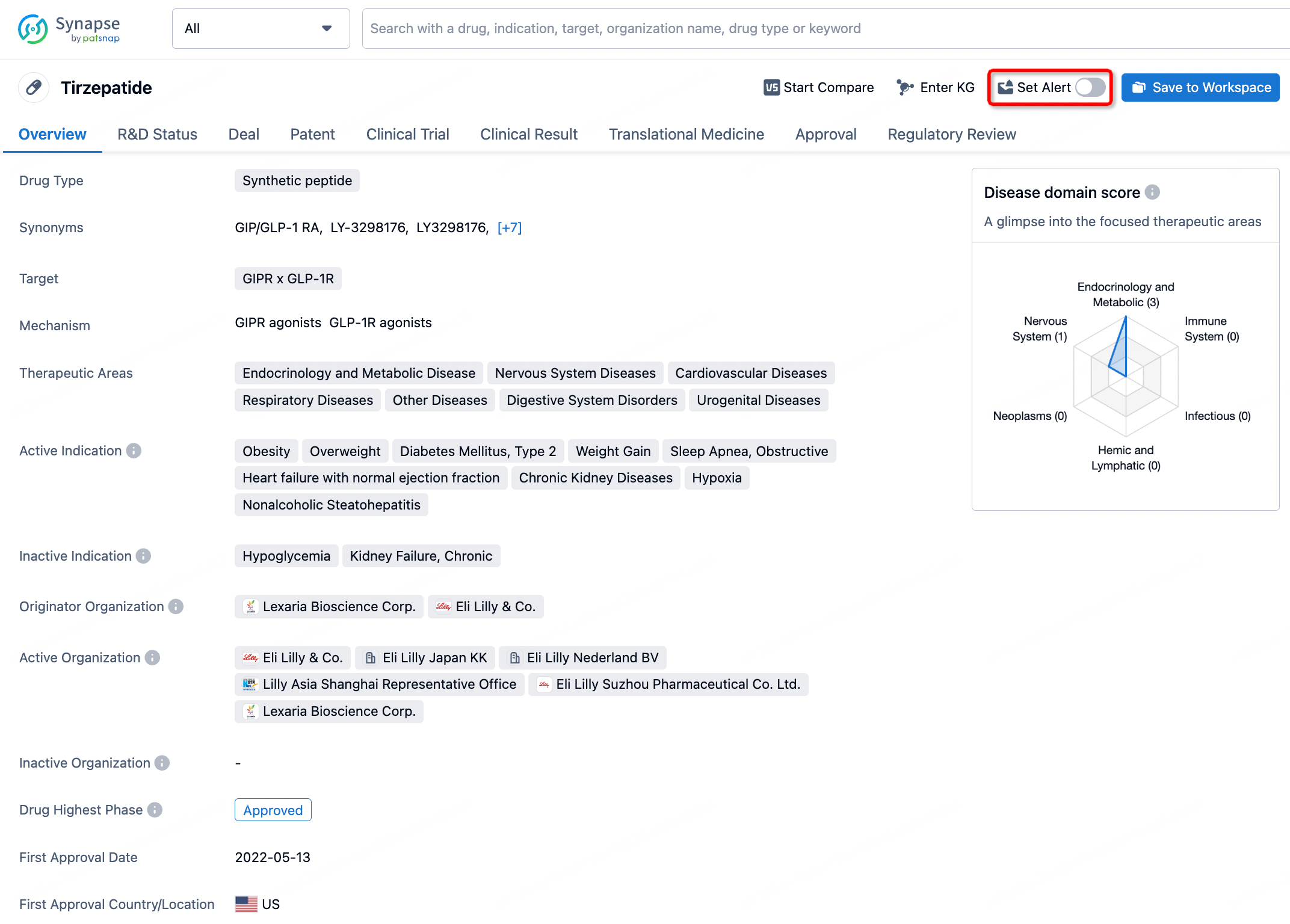
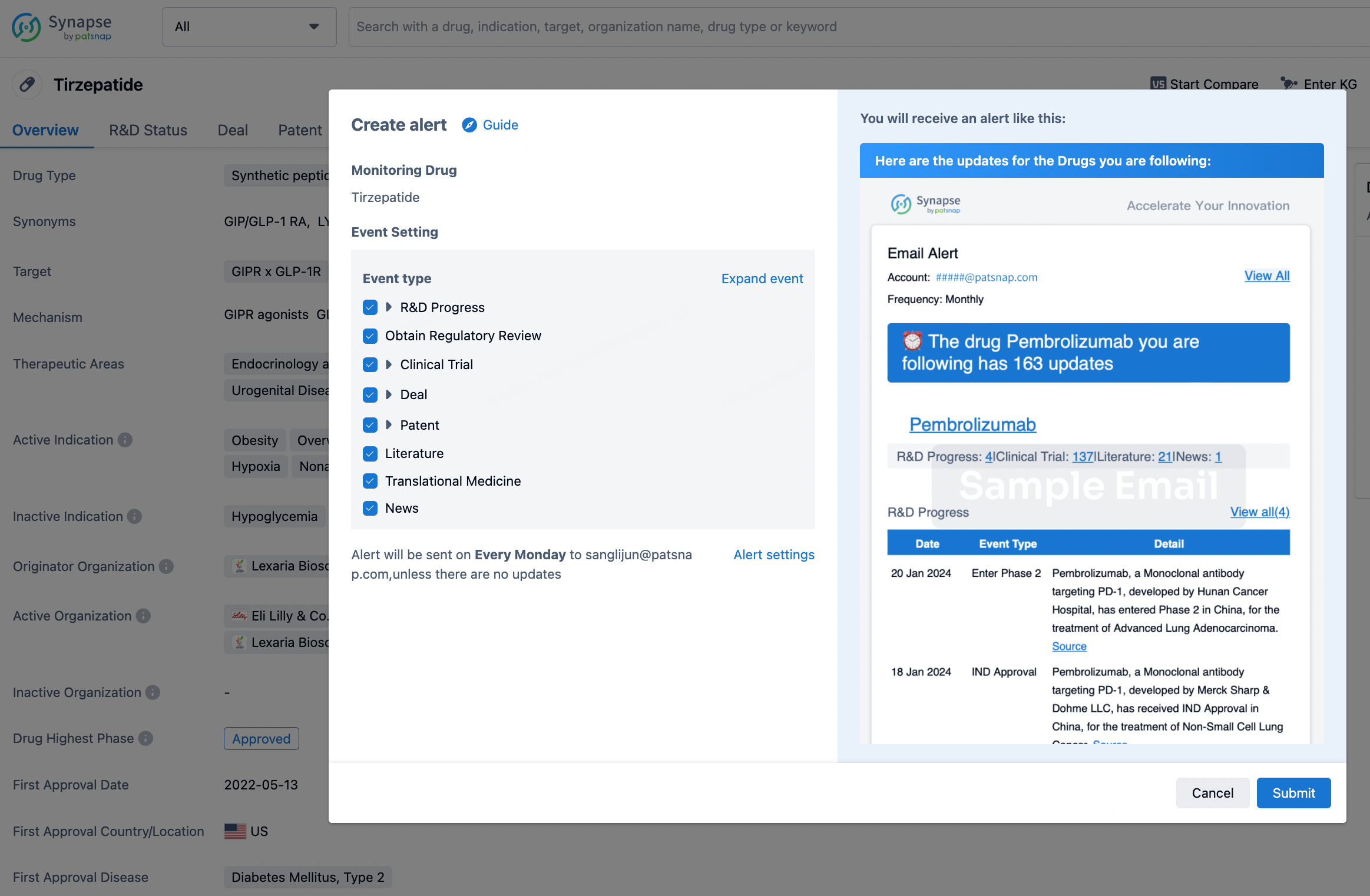
In the Synapse database, you can stay updated on the latest research and development advances of all drugs. This service is accessible anytime and anywhere, with updates available daily or weekly. Use the "Set Alert" function to stay informed. Click on the image below to embark on a brand new journey of drug discovery!
AI Agents Built for Biopharma Breakthroughs
Accelerate discovery. Empower decisions. Transform outcomes.
Get started for free today!
Accelerate Strategic R&D decision making with Synapse, PatSnap’s AI-powered Connected Innovation Intelligence Platform Built for Life Sciences Professionals.
Start your data trial now!
Synapse data is also accessible to external entities via APIs or data packages. Empower better decisions with the latest in pharmaceutical intelligence.