Request Demo
What is Immuglo used for?
14 June 2024
Immuglo, a promising new entrant in the biopharmaceutical landscape, has been generating significant buzz within the medical community. This revolutionary drug, also known by its trade name, has been developed by a collaborative effort of leading research institutions and pharmaceutical companies. Immuglo is primarily designed to target autoimmune diseases and certain types of cancers. The drug falls under the category of monoclonal antibodies, which are known for their precision in targeting specific cells without causing widespread damage to the body. As of now, the indications for Immuglo include rheumatoid arthritis, lupus, multiple sclerosis, and specific forms of cancer like lymphoma and melanoma. The research progress has been quite encouraging, with multiple clinical trials demonstrating its efficacy and safety. Immuglo is currently in the late stages of Phase III clinical trials, and it is anticipated to gain regulatory approval in the near future.
Immuglo's mechanism of action is both intricate and fascinating. At its core, Immuglo is designed to modulate the immune system by targeting specific proteins involved in immune responses. Monoclonal antibodies like Immuglo are engineered to bind to antigens, which are substances that can induce an immune response. In the case of autoimmune diseases, the immune system mistakenly attacks the body's own tissues. Immuglo works by binding to the proteins that are responsible for these erroneous attacks, thereby reducing inflammation and preventing further damage. In cancer therapy, Immuglo targets antigens present on the surface of cancer cells. By binding to these antigens, Immuglo marks the cancer cells for destruction by the immune system. Additionally, Immuglo has been shown to inhibit the signaling pathways that tumors use to grow and spread, thereby limiting the progression of the disease.
The administration of Immuglo is relatively straightforward, though it requires careful medical supervision. The drug is typically administered via intravenous infusion, which allows for the medication to be delivered directly into the bloodstream. The infusion process usually takes about 30 to 60 minutes, depending on the patient's condition and the dosage required. The onset time for Immuglo can vary; however, many patients begin to notice improvements in their symptoms within a few days to a couple of weeks after the initial infusion. For autoimmune conditions, the frequency of administration is usually once every four to six weeks. On the other hand, cancer patients might require more frequent dosing, often determined by the specific treatment regimen prescribed by their oncologist.
Like any medication, Immuglo comes with its own set of potential side effects and contraindications. The most common side effects observed in clinical trials include mild to moderate infusion reactions such as fever, chills, and headaches. Patients may also experience fatigue, nausea, and minor infections due to the immunomodulatory nature of the drug. Serious side effects, though rare, can include severe allergic reactions, liver toxicity, and an increased risk of opportunistic infections. Contraindications for Immuglo include patients with a known hypersensitivity to monoclonal antibodies, those with active infections, and individuals with a history of severe allergic reactions to similar treatments. It is also advised that patients undergo a thorough medical evaluation before starting Immuglo to rule out any underlying conditions that could be exacerbated by the treatment.
When considering Immuglo as a treatment option, it is crucial to be aware of potential drug interactions. Certain medications can affect the efficacy or safety of Immuglo. For instance, immunosuppressive drugs, which are commonly prescribed for autoimmune diseases, can potentially amplify the immunomodulatory effects of Immuglo, leading to an increased risk of infections. Likewise, combining Immuglo with other monoclonal antibodies or biologic agents can also heighten the risk of adverse effects. Patients on anticoagulant therapy should exercise caution, as Immuglo can interact with these medications, potentially affecting blood clotting mechanisms. Additionally, live vaccines should be avoided during Immuglo treatment, as the drug can impair the body's ability to mount an appropriate immune response, rendering the vaccine less effective and increasing the risk of infection. It is essential for patients to provide a comprehensive list of their current medications to their healthcare provider to ensure safe and effective use of Immuglo.
In summary, Immuglo represents a significant advancement in the treatment of autoimmune diseases and certain types of cancers. Its targeted mechanism of action offers hope for patients who have not responded well to traditional therapies. While the drug is still undergoing clinical trials, the preliminary results are promising, and it is likely that Immuglo will soon become a valuable addition to the medical arsenal against these challenging conditions. As with any new medication, it is important for patients and healthcare providers to carefully weigh the benefits and risks, monitor for side effects, and consider potential drug interactions to ensure the best possible outcomes.
Immuglo's mechanism of action is both intricate and fascinating. At its core, Immuglo is designed to modulate the immune system by targeting specific proteins involved in immune responses. Monoclonal antibodies like Immuglo are engineered to bind to antigens, which are substances that can induce an immune response. In the case of autoimmune diseases, the immune system mistakenly attacks the body's own tissues. Immuglo works by binding to the proteins that are responsible for these erroneous attacks, thereby reducing inflammation and preventing further damage. In cancer therapy, Immuglo targets antigens present on the surface of cancer cells. By binding to these antigens, Immuglo marks the cancer cells for destruction by the immune system. Additionally, Immuglo has been shown to inhibit the signaling pathways that tumors use to grow and spread, thereby limiting the progression of the disease.
The administration of Immuglo is relatively straightforward, though it requires careful medical supervision. The drug is typically administered via intravenous infusion, which allows for the medication to be delivered directly into the bloodstream. The infusion process usually takes about 30 to 60 minutes, depending on the patient's condition and the dosage required. The onset time for Immuglo can vary; however, many patients begin to notice improvements in their symptoms within a few days to a couple of weeks after the initial infusion. For autoimmune conditions, the frequency of administration is usually once every four to six weeks. On the other hand, cancer patients might require more frequent dosing, often determined by the specific treatment regimen prescribed by their oncologist.
Like any medication, Immuglo comes with its own set of potential side effects and contraindications. The most common side effects observed in clinical trials include mild to moderate infusion reactions such as fever, chills, and headaches. Patients may also experience fatigue, nausea, and minor infections due to the immunomodulatory nature of the drug. Serious side effects, though rare, can include severe allergic reactions, liver toxicity, and an increased risk of opportunistic infections. Contraindications for Immuglo include patients with a known hypersensitivity to monoclonal antibodies, those with active infections, and individuals with a history of severe allergic reactions to similar treatments. It is also advised that patients undergo a thorough medical evaluation before starting Immuglo to rule out any underlying conditions that could be exacerbated by the treatment.
When considering Immuglo as a treatment option, it is crucial to be aware of potential drug interactions. Certain medications can affect the efficacy or safety of Immuglo. For instance, immunosuppressive drugs, which are commonly prescribed for autoimmune diseases, can potentially amplify the immunomodulatory effects of Immuglo, leading to an increased risk of infections. Likewise, combining Immuglo with other monoclonal antibodies or biologic agents can also heighten the risk of adverse effects. Patients on anticoagulant therapy should exercise caution, as Immuglo can interact with these medications, potentially affecting blood clotting mechanisms. Additionally, live vaccines should be avoided during Immuglo treatment, as the drug can impair the body's ability to mount an appropriate immune response, rendering the vaccine less effective and increasing the risk of infection. It is essential for patients to provide a comprehensive list of their current medications to their healthcare provider to ensure safe and effective use of Immuglo.
In summary, Immuglo represents a significant advancement in the treatment of autoimmune diseases and certain types of cancers. Its targeted mechanism of action offers hope for patients who have not responded well to traditional therapies. While the drug is still undergoing clinical trials, the preliminary results are promising, and it is likely that Immuglo will soon become a valuable addition to the medical arsenal against these challenging conditions. As with any new medication, it is important for patients and healthcare providers to carefully weigh the benefits and risks, monitor for side effects, and consider potential drug interactions to ensure the best possible outcomes.
How to obtain the latest development progress of all drugs?
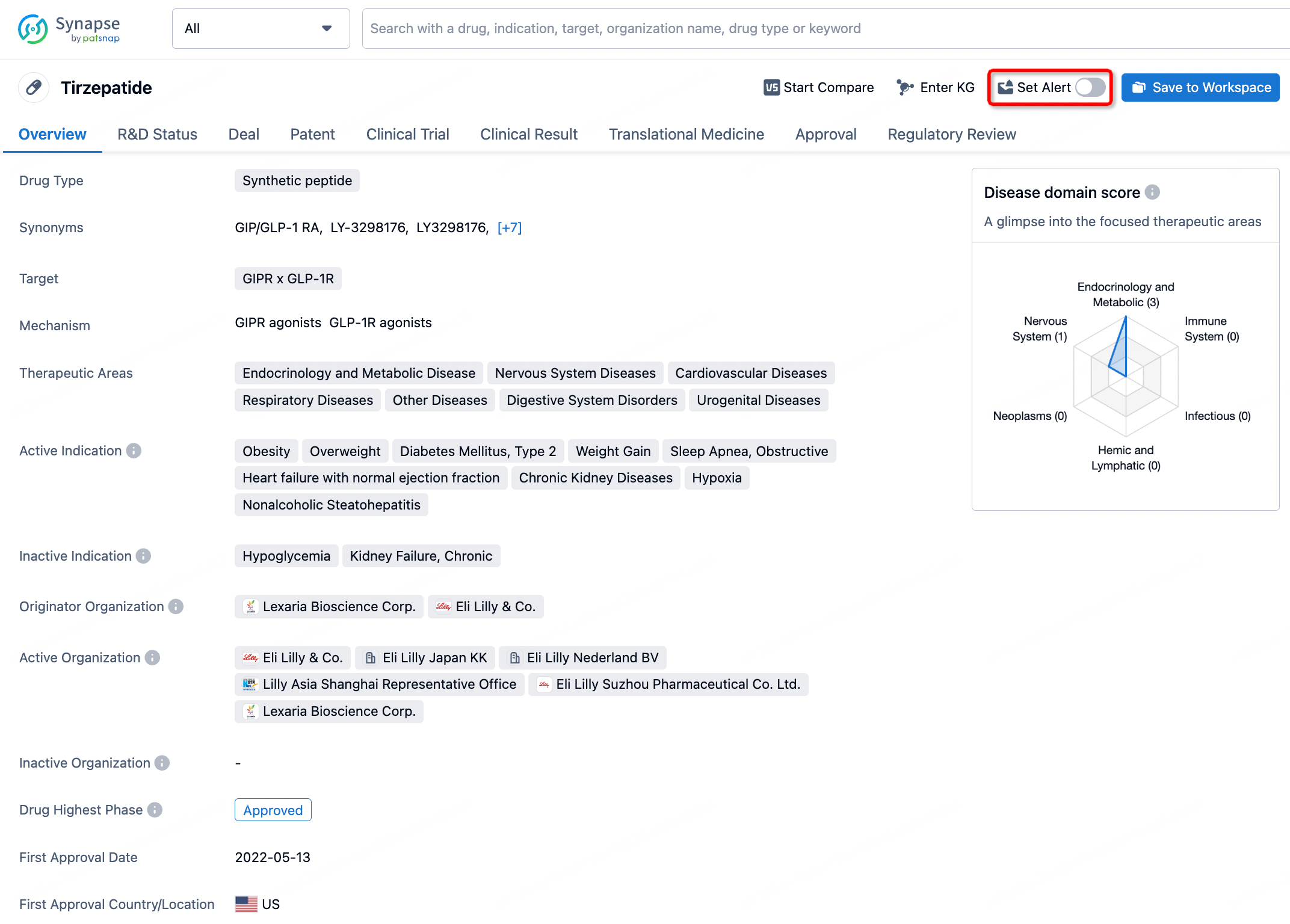
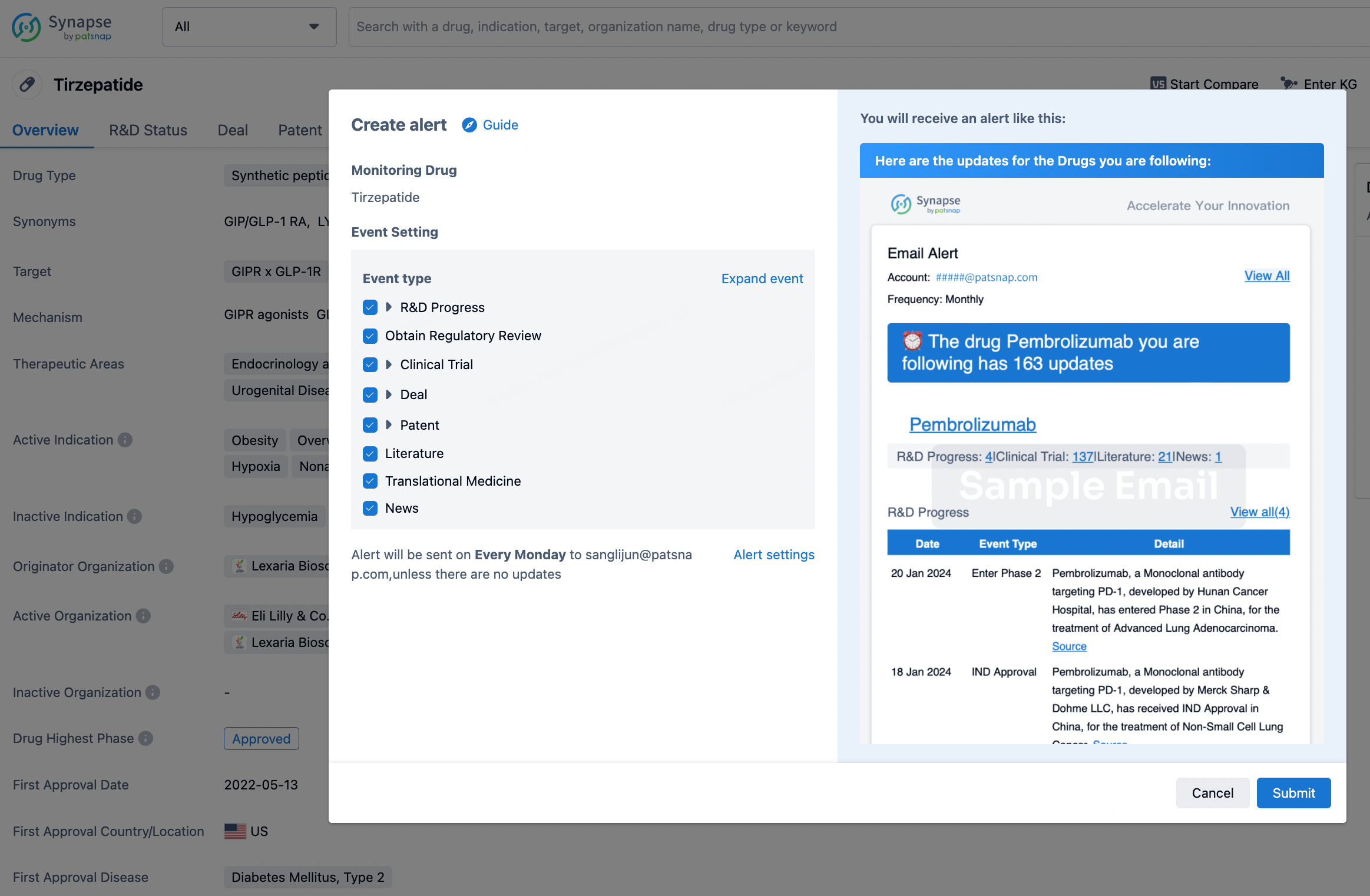
In the Synapse database, you can stay updated on the latest research and development advances of all drugs. This service is accessible anytime and anywhere, with updates available daily or weekly. Use the "Set Alert" function to stay informed. Click on the image below to embark on a brand new journey of drug discovery!
AI Agents Built for Biopharma Breakthroughs
Accelerate discovery. Empower decisions. Transform outcomes.
Get started for free today!
Accelerate Strategic R&D decision making with Synapse, PatSnap’s AI-powered Connected Innovation Intelligence Platform Built for Life Sciences Professionals.
Start your data trial now!
Synapse data is also accessible to external entities via APIs or data packages. Empower better decisions with the latest in pharmaceutical intelligence.