Request Demo
What is Inotersen sodium used for?
17 June 2024
Inotersen sodium is a groundbreaking therapeutic option in the field of genetic medicine, primarily used to treat a rare and debilitating condition known as hereditary transthyretin-mediated amyloidosis (hATTR). Marketed under the trade name Tegsedi, Inotersen sodium is an antisense oligonucleotide developed by Ionis Pharmaceuticals and subsequently licensed to Akcea Therapeutics. Its approval marked a significant advancement for patients suffering from hATTR, a progressive disease characterized by the accumulation of amyloid deposits, primarily affecting the nervous system and heart, leading to severe morbidity and mortality.
The rarity of hATTR necessitated extensive research and collaboration among various research institutions worldwide. Clinical trials and regulatory approvals have demonstrated the safety and efficacy of Inotersen sodium, providing hope for the thousands of individuals affected by this otherwise fatal genetic disorder. The drug was granted orphan drug designation and fast-tracked by the FDA, eventually receiving approval in 2018. Since then, it has been an indispensable tool in the management of hATTR, offering patients a chance to slow the progression of their disease and improve their quality of life.
Inotersen sodium works by targeting the messenger RNA (mRNA) responsible for the production of transthyretin (TTR), a protein that, when mutated, misfolds and forms amyloid deposits. These deposits accumulate in various tissues and organs, leading to the clinical manifestations of hATTR. By specifically binding to the TTR mRNA, Inotersen sodium prevents the translation and consequent production of the harmful protein. This mechanism of action places Inotersen sodium in the category of antisense oligonucleotide therapies, a relatively new and innovative approach in the treatment of genetic disorders.
The drug's mechanism of action is derived from the concept of antisense technology, which involves the synthesis of a strand of nucleic acid that is complementary to the mRNA sequence of the target gene. When Inotersen sodium binds to the TTR mRNA, it recruits RNase H, an enzyme that degrades the RNA strand of the RNA-DNA hybrid. This degradation prevents the synthesis of the TTR protein, thereby reducing the overall amyloid load in the body. Clinical studies have shown that patients treated with Inotersen sodium exhibit a significant reduction in serum TTR protein levels, correlating with a stabilization of neurological function and an improvement in quality of life.
Administration of Inotersen sodium is relatively straightforward, making it accessible for patients and manageable in a clinical setting. The drug is administered via subcutaneous injection, typically once a week. Each dose should be delivered into the abdomen, thigh, or upper arm, and patients or caregivers can be trained to self-administer the injections. The onset of action is gradual, with noticeable clinical improvements observed after several weeks to months of consistent treatment. It is essential for patients to adhere to the recommended dosing schedule to maintain therapeutic levels of the drug and achieve optimal outcomes.
The side effects of Inotersen sodium, while generally manageable, require careful monitoring and management. The most common adverse effects include injection site reactions, such as redness, swelling, and pain. Some patients may also experience flu-like symptoms, including fever, chills, and fatigue. More severe side effects, although less common, include thrombocytopenia (a decrease in platelet count), renal toxicity, and liver enzyme elevations. Due to these potential risks, regular blood tests are necessary to monitor platelet levels, kidney function, and liver enzymes throughout the course of treatment.
Contraindications for the use of Inotersen sodium primarily involve patients with a history of hypersensitivity to the drug or any of its components. Additionally, patients with severe thrombocytopenia or significant renal impairment should not use Inotersen sodium, as the risks may outweigh the potential benefits. It is crucial for healthcare providers to conduct a thorough medical evaluation before initiating therapy with Inotersen sodium to identify any contraindications and ensure patient safety.
Interactions with other drugs must also be considered when prescribing Inotersen sodium. Concomitant use of anticoagulants or antiplatelet agents may increase the risk of bleeding, particularly in patients with low platelet counts. Similarly, nephrotoxic drugs can exacerbate the risk of renal toxicity when used alongside Inotersen sodium. Patients should provide a comprehensive list of all medications they are taking, including over-the-counter drugs and supplements, to their healthcare provider to avoid potential interactions.
In summary, Inotersen sodium represents a significant advancement in the treatment of hereditary transthyretin-mediated amyloidosis. Its innovative mechanism of action, targeting the mRNA responsible for TTR production, has provided a much-needed therapeutic option for patients suffering from this debilitating genetic disorder. While the drug's administration and side effect profile require careful management, the benefits of slowing disease progression and improving quality of life make it a valuable addition to the arsenal of treatments available for hATTR. As research and clinical experience with Inotersen sodium continue to grow, so too will our understanding of its full potential and the best practices for its use in clinical settings.
The rarity of hATTR necessitated extensive research and collaboration among various research institutions worldwide. Clinical trials and regulatory approvals have demonstrated the safety and efficacy of Inotersen sodium, providing hope for the thousands of individuals affected by this otherwise fatal genetic disorder. The drug was granted orphan drug designation and fast-tracked by the FDA, eventually receiving approval in 2018. Since then, it has been an indispensable tool in the management of hATTR, offering patients a chance to slow the progression of their disease and improve their quality of life.
Inotersen sodium works by targeting the messenger RNA (mRNA) responsible for the production of transthyretin (TTR), a protein that, when mutated, misfolds and forms amyloid deposits. These deposits accumulate in various tissues and organs, leading to the clinical manifestations of hATTR. By specifically binding to the TTR mRNA, Inotersen sodium prevents the translation and consequent production of the harmful protein. This mechanism of action places Inotersen sodium in the category of antisense oligonucleotide therapies, a relatively new and innovative approach in the treatment of genetic disorders.
The drug's mechanism of action is derived from the concept of antisense technology, which involves the synthesis of a strand of nucleic acid that is complementary to the mRNA sequence of the target gene. When Inotersen sodium binds to the TTR mRNA, it recruits RNase H, an enzyme that degrades the RNA strand of the RNA-DNA hybrid. This degradation prevents the synthesis of the TTR protein, thereby reducing the overall amyloid load in the body. Clinical studies have shown that patients treated with Inotersen sodium exhibit a significant reduction in serum TTR protein levels, correlating with a stabilization of neurological function and an improvement in quality of life.
Administration of Inotersen sodium is relatively straightforward, making it accessible for patients and manageable in a clinical setting. The drug is administered via subcutaneous injection, typically once a week. Each dose should be delivered into the abdomen, thigh, or upper arm, and patients or caregivers can be trained to self-administer the injections. The onset of action is gradual, with noticeable clinical improvements observed after several weeks to months of consistent treatment. It is essential for patients to adhere to the recommended dosing schedule to maintain therapeutic levels of the drug and achieve optimal outcomes.
The side effects of Inotersen sodium, while generally manageable, require careful monitoring and management. The most common adverse effects include injection site reactions, such as redness, swelling, and pain. Some patients may also experience flu-like symptoms, including fever, chills, and fatigue. More severe side effects, although less common, include thrombocytopenia (a decrease in platelet count), renal toxicity, and liver enzyme elevations. Due to these potential risks, regular blood tests are necessary to monitor platelet levels, kidney function, and liver enzymes throughout the course of treatment.
Contraindications for the use of Inotersen sodium primarily involve patients with a history of hypersensitivity to the drug or any of its components. Additionally, patients with severe thrombocytopenia or significant renal impairment should not use Inotersen sodium, as the risks may outweigh the potential benefits. It is crucial for healthcare providers to conduct a thorough medical evaluation before initiating therapy with Inotersen sodium to identify any contraindications and ensure patient safety.
Interactions with other drugs must also be considered when prescribing Inotersen sodium. Concomitant use of anticoagulants or antiplatelet agents may increase the risk of bleeding, particularly in patients with low platelet counts. Similarly, nephrotoxic drugs can exacerbate the risk of renal toxicity when used alongside Inotersen sodium. Patients should provide a comprehensive list of all medications they are taking, including over-the-counter drugs and supplements, to their healthcare provider to avoid potential interactions.
In summary, Inotersen sodium represents a significant advancement in the treatment of hereditary transthyretin-mediated amyloidosis. Its innovative mechanism of action, targeting the mRNA responsible for TTR production, has provided a much-needed therapeutic option for patients suffering from this debilitating genetic disorder. While the drug's administration and side effect profile require careful management, the benefits of slowing disease progression and improving quality of life make it a valuable addition to the arsenal of treatments available for hATTR. As research and clinical experience with Inotersen sodium continue to grow, so too will our understanding of its full potential and the best practices for its use in clinical settings.
How to obtain the latest development progress of all drugs?
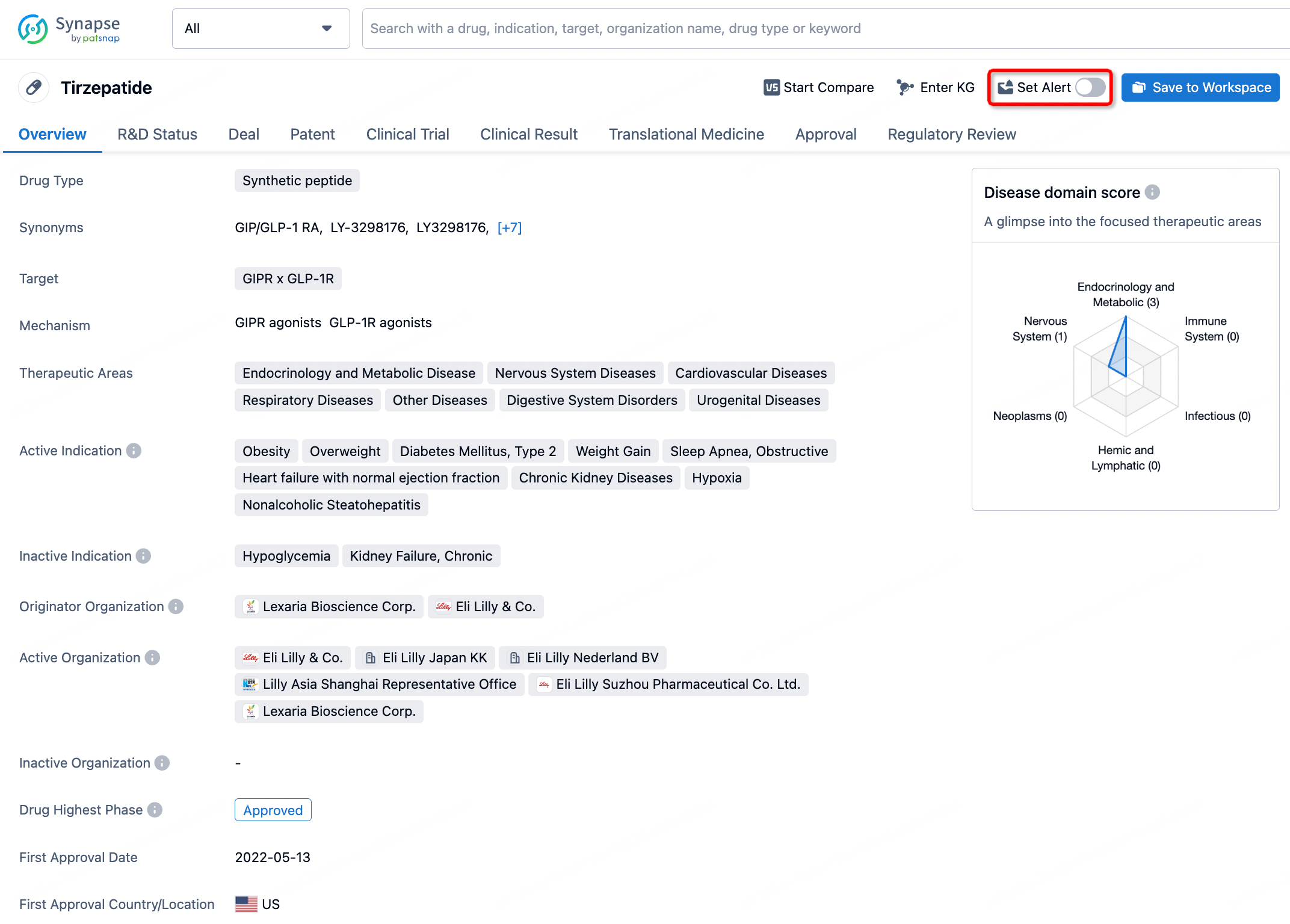
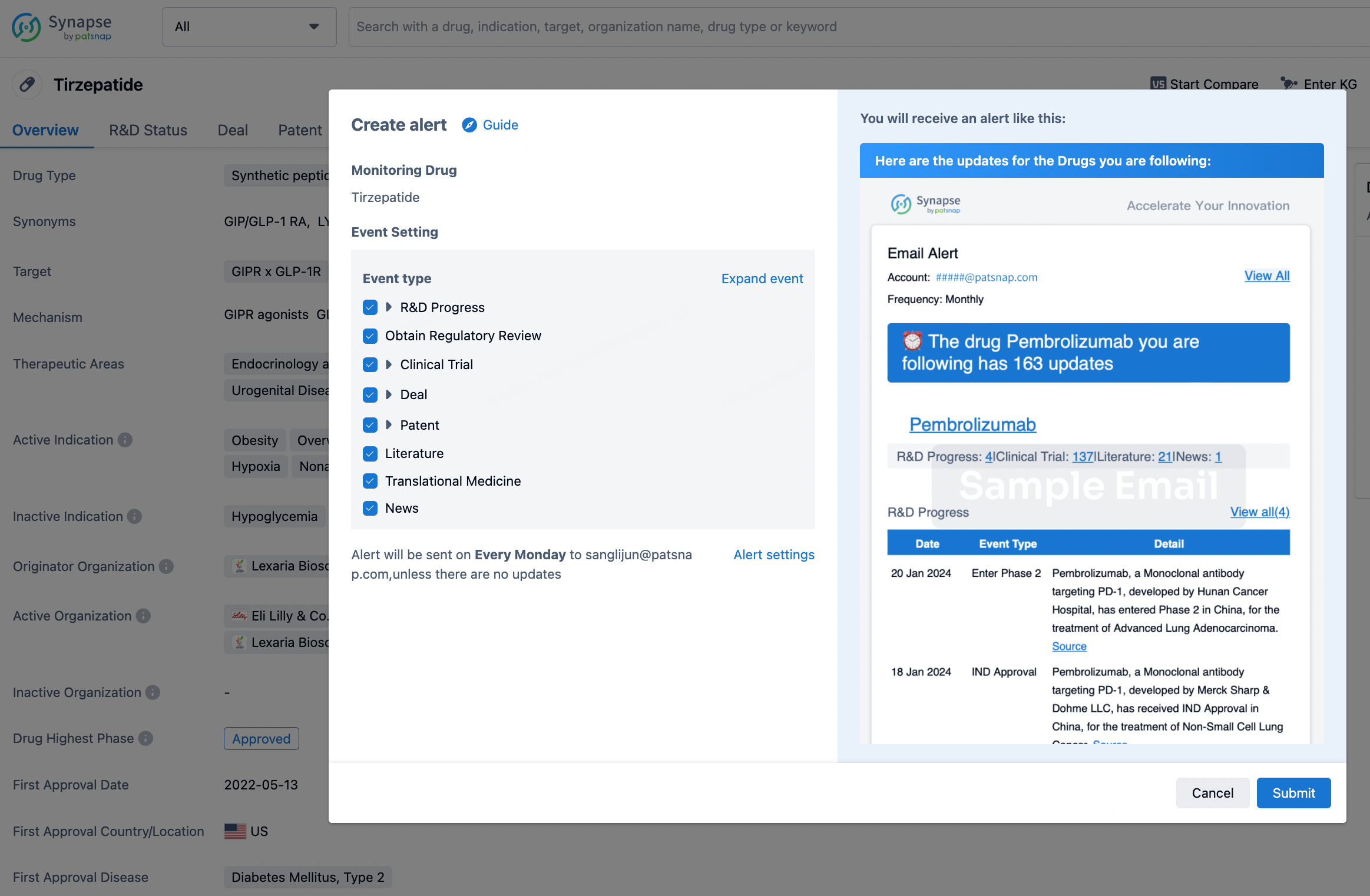
In the Synapse database, you can stay updated on the latest research and development advances of all drugs. This service is accessible anytime and anywhere, with updates available daily or weekly. Use the "Set Alert" function to stay informed. Click on the image below to embark on a brand new journey of drug discovery!
AI Agents Built for Biopharma Breakthroughs
Accelerate discovery. Empower decisions. Transform outcomes.
Get started for free today!
Accelerate Strategic R&D decision making with Synapse, PatSnap’s AI-powered Connected Innovation Intelligence Platform Built for Life Sciences Professionals.
Start your data trial now!
Synapse data is also accessible to external entities via APIs or data packages. Empower better decisions with the latest in pharmaceutical intelligence.