Request Demo
What is non-invasive prenatal testing (NIPT)?
28 May 2025
Introduction to Non-Invasive Prenatal Testing (NIPT)
Non-invasive prenatal testing (NIPT) has transformed the landscape of prenatal care by offering expectant parents a safe and effective way to screen for genetic conditions in their unborn child. This advanced screening method is lauded for its non-invasive nature, high accuracy, and early detection capabilities, allowing parents to make informed decisions about their pregnancy.
What is NIPT?
NIPT is a blood test conducted during pregnancy that analyzes small fragments of fetal DNA circulating in the mother's bloodstream. Unlike traditional invasive methods such as amniocentesis or chorionic villus sampling (CVS), which involve taking samples directly from the amniotic fluid or placenta, NIPT is entirely non-invasive, posing no risk to the fetus.
Purpose of NIPT
The primary purpose of NIPT is to screen for chromosomal abnormalities that could affect the fetus's development. The test is most commonly used to detect trisomies, which are conditions caused by an extra chromosome, such as Down syndrome (trisomy 21), Edwards syndrome (trisomy 18), and Patau syndrome (trisomy 13). NIPT can also provide information about the sex of the baby and identify other genetic conditions if needed.
How Does NIPT Work?
NIPT involves drawing a blood sample from the mother, typically between the 9th and 10th week of pregnancy. The sample is then analyzed in a laboratory, where technicians focus on the cell-free fetal DNA present in the mother's blood. By examining these DNA fragments, scientists can detect any abnormal chromosome numbers, providing crucial insights into the health and development of the fetus.
Who Should Consider NIPT?
NIPT is suitable for all pregnancies, but it is particularly recommended for women who are at a higher risk of carrying a baby with chromosomal abnormalities. This includes women over the age of 35, those with a family history of genetic disorders, or pregnancies identified as high-risk following other screening tests. NIPT can also be beneficial for expectant parents seeking peace of mind about their baby's health.
Benefits of NIPT
One of the most significant advantages of NIPT is its non-invasive nature, eliminating the risk of miscarriage associated with invasive procedures. Additionally, NIPT boasts a high degree of accuracy, with detection rates for Down syndrome often exceeding 99%. The test provides early results, usually within a week, allowing parents ample time to discuss findings and consider further diagnostic testing if necessary.
Limitations and Considerations
While NIPT is highly accurate, it is important to understand that it is a screening test, not a diagnostic one. This means that while it can indicate a high probability of certain conditions, it cannot provide a definitive diagnosis. In cases of positive results, further diagnostic tests such as amniocentesis or CVS may be recommended to confirm the findings. Also, NIPT is not able to detect all genetic disorders, limiting its scope to specific conditions.
Conclusion
Non-invasive prenatal testing (NIPT) represents a significant advancement in prenatal care, offering a safer, more accurate way to screen for genetic conditions early in pregnancy. By understanding its purpose, benefits, and limitations, expectant parents can make informed decisions about their prenatal care options. As technology continues to evolve, NIPT may pave the way for even more comprehensive and accessible prenatal screening solutions.
Non-invasive prenatal testing (NIPT) has transformed the landscape of prenatal care by offering expectant parents a safe and effective way to screen for genetic conditions in their unborn child. This advanced screening method is lauded for its non-invasive nature, high accuracy, and early detection capabilities, allowing parents to make informed decisions about their pregnancy.
What is NIPT?
NIPT is a blood test conducted during pregnancy that analyzes small fragments of fetal DNA circulating in the mother's bloodstream. Unlike traditional invasive methods such as amniocentesis or chorionic villus sampling (CVS), which involve taking samples directly from the amniotic fluid or placenta, NIPT is entirely non-invasive, posing no risk to the fetus.
Purpose of NIPT
The primary purpose of NIPT is to screen for chromosomal abnormalities that could affect the fetus's development. The test is most commonly used to detect trisomies, which are conditions caused by an extra chromosome, such as Down syndrome (trisomy 21), Edwards syndrome (trisomy 18), and Patau syndrome (trisomy 13). NIPT can also provide information about the sex of the baby and identify other genetic conditions if needed.
How Does NIPT Work?
NIPT involves drawing a blood sample from the mother, typically between the 9th and 10th week of pregnancy. The sample is then analyzed in a laboratory, where technicians focus on the cell-free fetal DNA present in the mother's blood. By examining these DNA fragments, scientists can detect any abnormal chromosome numbers, providing crucial insights into the health and development of the fetus.
Who Should Consider NIPT?
NIPT is suitable for all pregnancies, but it is particularly recommended for women who are at a higher risk of carrying a baby with chromosomal abnormalities. This includes women over the age of 35, those with a family history of genetic disorders, or pregnancies identified as high-risk following other screening tests. NIPT can also be beneficial for expectant parents seeking peace of mind about their baby's health.
Benefits of NIPT
One of the most significant advantages of NIPT is its non-invasive nature, eliminating the risk of miscarriage associated with invasive procedures. Additionally, NIPT boasts a high degree of accuracy, with detection rates for Down syndrome often exceeding 99%. The test provides early results, usually within a week, allowing parents ample time to discuss findings and consider further diagnostic testing if necessary.
Limitations and Considerations
While NIPT is highly accurate, it is important to understand that it is a screening test, not a diagnostic one. This means that while it can indicate a high probability of certain conditions, it cannot provide a definitive diagnosis. In cases of positive results, further diagnostic tests such as amniocentesis or CVS may be recommended to confirm the findings. Also, NIPT is not able to detect all genetic disorders, limiting its scope to specific conditions.
Conclusion
Non-invasive prenatal testing (NIPT) represents a significant advancement in prenatal care, offering a safer, more accurate way to screen for genetic conditions early in pregnancy. By understanding its purpose, benefits, and limitations, expectant parents can make informed decisions about their prenatal care options. As technology continues to evolve, NIPT may pave the way for even more comprehensive and accessible prenatal screening solutions.
Discover Eureka LS: AI Agents Built for Biopharma Efficiency
Stop wasting time on biopharma busywork. Meet Eureka LS - your AI agent squad for drug discovery.
▶ See how 50+ research teams saved 300+ hours/month
From reducing screening time to simplifying Markush drafting, our AI Agents are ready to deliver immediate value. Explore Eureka LS today and unlock powerful capabilities that help you innovate with confidence.
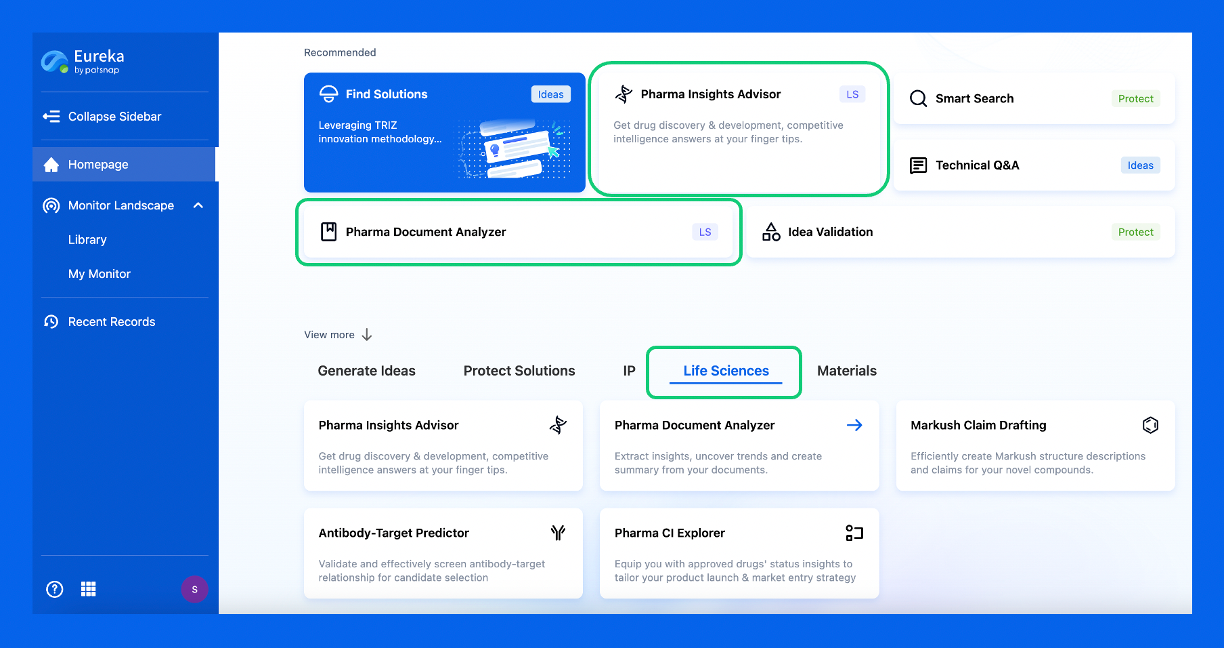
AI Agents Built for Biopharma Breakthroughs
Accelerate discovery. Empower decisions. Transform outcomes.
Get started for free today!
Accelerate Strategic R&D decision making with Synapse, PatSnap’s AI-powered Connected Innovation Intelligence Platform Built for Life Sciences Professionals.
Start your data trial now!
Synapse data is also accessible to external entities via APIs or data packages. Empower better decisions with the latest in pharmaceutical intelligence.