Request Demo
What is Potastin used for?
14 June 2024
Potastin is a relatively new yet promising player in the pharmaceutical industry, capturing the attention of medical professionals and researchers alike. It is a trade name for a medication primarily aimed at treating a range of conditions, including chronic pain, inflammation, and certain neurological disorders. Potastin targets specific neurotransmitter pathways in the brain and spinal cord, offering a novel approach to managing these conditions.
Developed by a collaboration of several leading research institutions, including the prestigious Mayo Clinic and the National Institutes of Health (NIH), Potastin has undergone extensive preclinical and clinical trials. These studies indicate that Potastin is not only effective but also boasts a favorable safety profile compared to other medications in its class. Classified as a synthetic compound, Potastin has shown promise in treating conditions like fibromyalgia, neuropathic pain, and even some forms of refractory epilepsy. The drug is currently in Phase III clinical trials, with researchers optimistic about its upcoming FDA approval.
Potastin works by modulating neurotransmitter levels in the central nervous system (CNS). Its primary mechanism of action involves inhibiting the reuptake of serotonin and norepinephrine, two key neurotransmitters involved in pain perception and mood regulation. By preventing their reabsorption into nerve cells, Potastin increases the levels of these neurotransmitters in the synaptic cleft, enhancing their pain-relieving and mood-stabilizing effects.
Moreover, Potastin has been found to interact with specific receptors in the CNS that are involved in the modulation of pain and inflammation. This dual-action — both as a reuptake inhibitor and receptor modulator — makes Potastin particularly effective in conditions where both pain and inflammation are present. The drug's unique mechanism of action sets it apart from other analgesics and anti-inflammatory medications, offering a multi-faceted approach to treatment.
Potastin can be administered in several ways, depending on the condition being treated and the patient’s specific needs. The most common forms are oral tablets and capsules, which are typically taken once or twice daily. For patients experiencing severe or acute pain, Potastin can also be administered intravenously in a clinical setting, providing more immediate relief.
The onset of action for oral Potastin usually occurs within 30 to 60 minutes, with peak effects observed around two to three hours post-administration. The intravenous form acts more rapidly, often providing relief within 15 to 30 minutes. The duration of Potastin's effects can vary, but most patients experience relief for four to six hours following a single dose.
It is crucial for patients to follow their healthcare provider's instructions closely when using Potastin. Dosage adjustments may be necessary based on the individual's response to the medication and the presence of any side effects. Abrupt discontinuation of Potastin should be avoided, as it can lead to withdrawal symptoms and a potential exacerbation of the underlying condition.
Like all medications, Potastin is associated with a range of side effects. The most commonly reported adverse effects include nausea, dizziness, drowsiness, and dry mouth. While these side effects are generally mild and transient, they can be bothersome for some patients. More serious side effects, though less common, include increases in blood pressure, heart rate irregularities, and potential liver toxicity.
Patients with a history of cardiovascular disease, hypertension, or liver dysfunction should use Potastin with caution and under strict medical supervision. It is also contraindicated in individuals with a known hypersensitivity to the drug or any of its components. Pregnant or nursing women should consult their healthcare provider before starting Potastin, as its effects on fetal development and breast milk are not yet fully understood.
Additionally, Potastin has the potential to interact with other medications, leading to either reduced efficacy or increased risk of adverse effects. It is particularly important to avoid combining Potastin with other medications that affect serotonin levels, such as selective serotonin reuptake inhibitors (SSRIs) or serotonin-norepinephrine reuptake inhibitors (SNRIs). Doing so can increase the risk of a potentially life-threatening condition known as serotonin syndrome, characterized by symptoms such as agitation, confusion, rapid heart rate, and high blood pressure.
Other drugs that may interact with Potastin include certain anticoagulants, antiplatelet agents, and nonsteroidal anti-inflammatory drugs (NSAIDs). These combinations can increase the risk of bleeding or other cardiovascular complications. Additionally, Potastin may interact with medications metabolized by the liver, potentially altering their levels in the bloodstream and leading to either decreased efficacy or increased toxicity.
Patients should always inform their healthcare provider of all medications they are currently taking, including over-the-counter drugs, supplements, and herbal remedies, to avoid potential drug interactions. Regular monitoring and follow-up appointments are essential to ensure the safe and effective use of Potastin.
In conclusion, Potastin represents a significant advancement in the treatment of chronic pain, inflammation, and certain neurological disorders. Its unique mechanism of action, combined with its favorable safety profile, makes it a promising option for patients who have not responded well to other treatments. As research continues and more data become available, Potastin has the potential to become a cornerstone in the management of these challenging conditions. However, like all medications, it is essential for patients to use Potastin under the guidance of a qualified healthcare provider to minimize risks and maximize benefits.
Developed by a collaboration of several leading research institutions, including the prestigious Mayo Clinic and the National Institutes of Health (NIH), Potastin has undergone extensive preclinical and clinical trials. These studies indicate that Potastin is not only effective but also boasts a favorable safety profile compared to other medications in its class. Classified as a synthetic compound, Potastin has shown promise in treating conditions like fibromyalgia, neuropathic pain, and even some forms of refractory epilepsy. The drug is currently in Phase III clinical trials, with researchers optimistic about its upcoming FDA approval.
Potastin works by modulating neurotransmitter levels in the central nervous system (CNS). Its primary mechanism of action involves inhibiting the reuptake of serotonin and norepinephrine, two key neurotransmitters involved in pain perception and mood regulation. By preventing their reabsorption into nerve cells, Potastin increases the levels of these neurotransmitters in the synaptic cleft, enhancing their pain-relieving and mood-stabilizing effects.
Moreover, Potastin has been found to interact with specific receptors in the CNS that are involved in the modulation of pain and inflammation. This dual-action — both as a reuptake inhibitor and receptor modulator — makes Potastin particularly effective in conditions where both pain and inflammation are present. The drug's unique mechanism of action sets it apart from other analgesics and anti-inflammatory medications, offering a multi-faceted approach to treatment.
Potastin can be administered in several ways, depending on the condition being treated and the patient’s specific needs. The most common forms are oral tablets and capsules, which are typically taken once or twice daily. For patients experiencing severe or acute pain, Potastin can also be administered intravenously in a clinical setting, providing more immediate relief.
The onset of action for oral Potastin usually occurs within 30 to 60 minutes, with peak effects observed around two to three hours post-administration. The intravenous form acts more rapidly, often providing relief within 15 to 30 minutes. The duration of Potastin's effects can vary, but most patients experience relief for four to six hours following a single dose.
It is crucial for patients to follow their healthcare provider's instructions closely when using Potastin. Dosage adjustments may be necessary based on the individual's response to the medication and the presence of any side effects. Abrupt discontinuation of Potastin should be avoided, as it can lead to withdrawal symptoms and a potential exacerbation of the underlying condition.
Like all medications, Potastin is associated with a range of side effects. The most commonly reported adverse effects include nausea, dizziness, drowsiness, and dry mouth. While these side effects are generally mild and transient, they can be bothersome for some patients. More serious side effects, though less common, include increases in blood pressure, heart rate irregularities, and potential liver toxicity.
Patients with a history of cardiovascular disease, hypertension, or liver dysfunction should use Potastin with caution and under strict medical supervision. It is also contraindicated in individuals with a known hypersensitivity to the drug or any of its components. Pregnant or nursing women should consult their healthcare provider before starting Potastin, as its effects on fetal development and breast milk are not yet fully understood.
Additionally, Potastin has the potential to interact with other medications, leading to either reduced efficacy or increased risk of adverse effects. It is particularly important to avoid combining Potastin with other medications that affect serotonin levels, such as selective serotonin reuptake inhibitors (SSRIs) or serotonin-norepinephrine reuptake inhibitors (SNRIs). Doing so can increase the risk of a potentially life-threatening condition known as serotonin syndrome, characterized by symptoms such as agitation, confusion, rapid heart rate, and high blood pressure.
Other drugs that may interact with Potastin include certain anticoagulants, antiplatelet agents, and nonsteroidal anti-inflammatory drugs (NSAIDs). These combinations can increase the risk of bleeding or other cardiovascular complications. Additionally, Potastin may interact with medications metabolized by the liver, potentially altering their levels in the bloodstream and leading to either decreased efficacy or increased toxicity.
Patients should always inform their healthcare provider of all medications they are currently taking, including over-the-counter drugs, supplements, and herbal remedies, to avoid potential drug interactions. Regular monitoring and follow-up appointments are essential to ensure the safe and effective use of Potastin.
In conclusion, Potastin represents a significant advancement in the treatment of chronic pain, inflammation, and certain neurological disorders. Its unique mechanism of action, combined with its favorable safety profile, makes it a promising option for patients who have not responded well to other treatments. As research continues and more data become available, Potastin has the potential to become a cornerstone in the management of these challenging conditions. However, like all medications, it is essential for patients to use Potastin under the guidance of a qualified healthcare provider to minimize risks and maximize benefits.
How to obtain the latest development progress of all drugs?
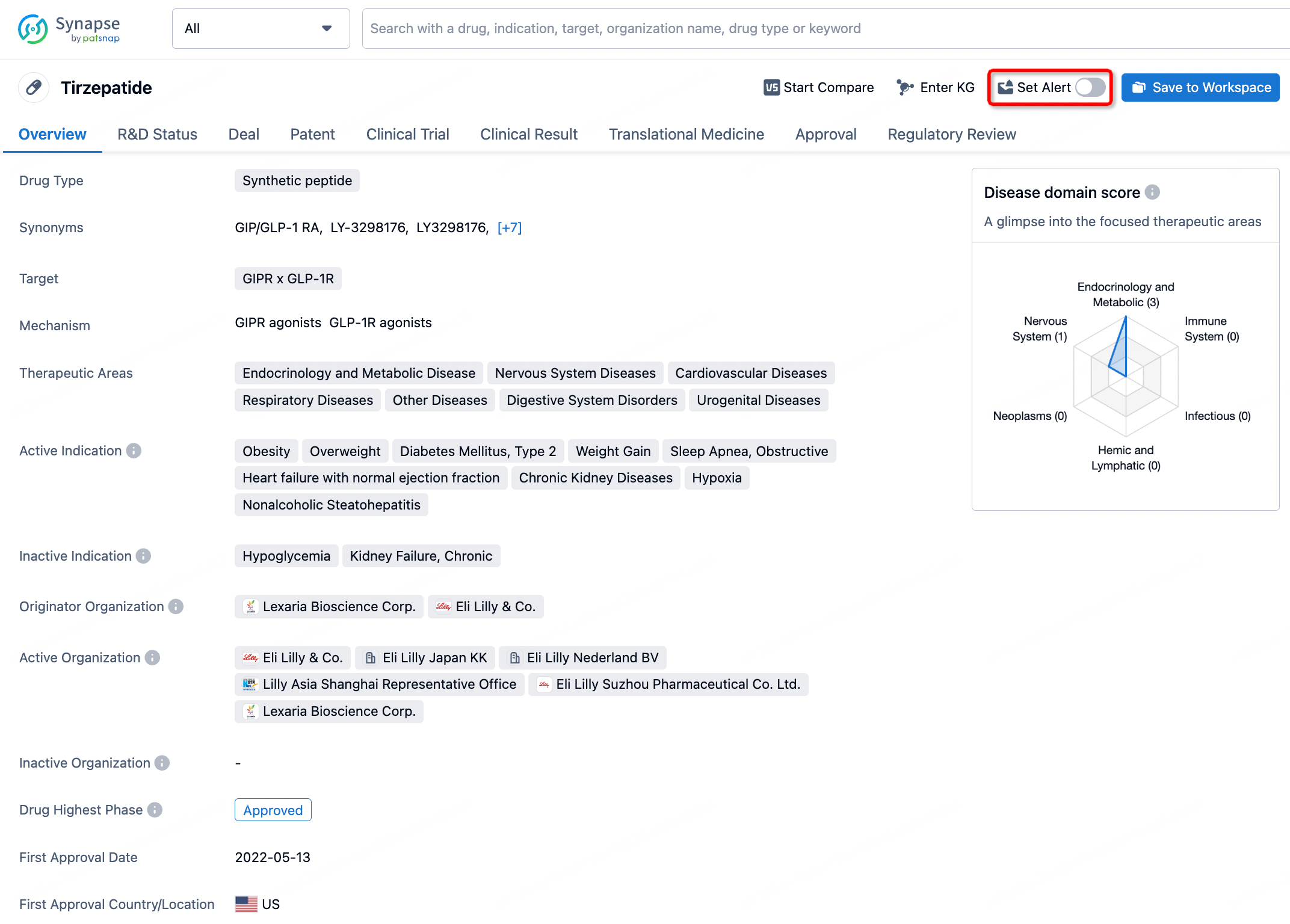
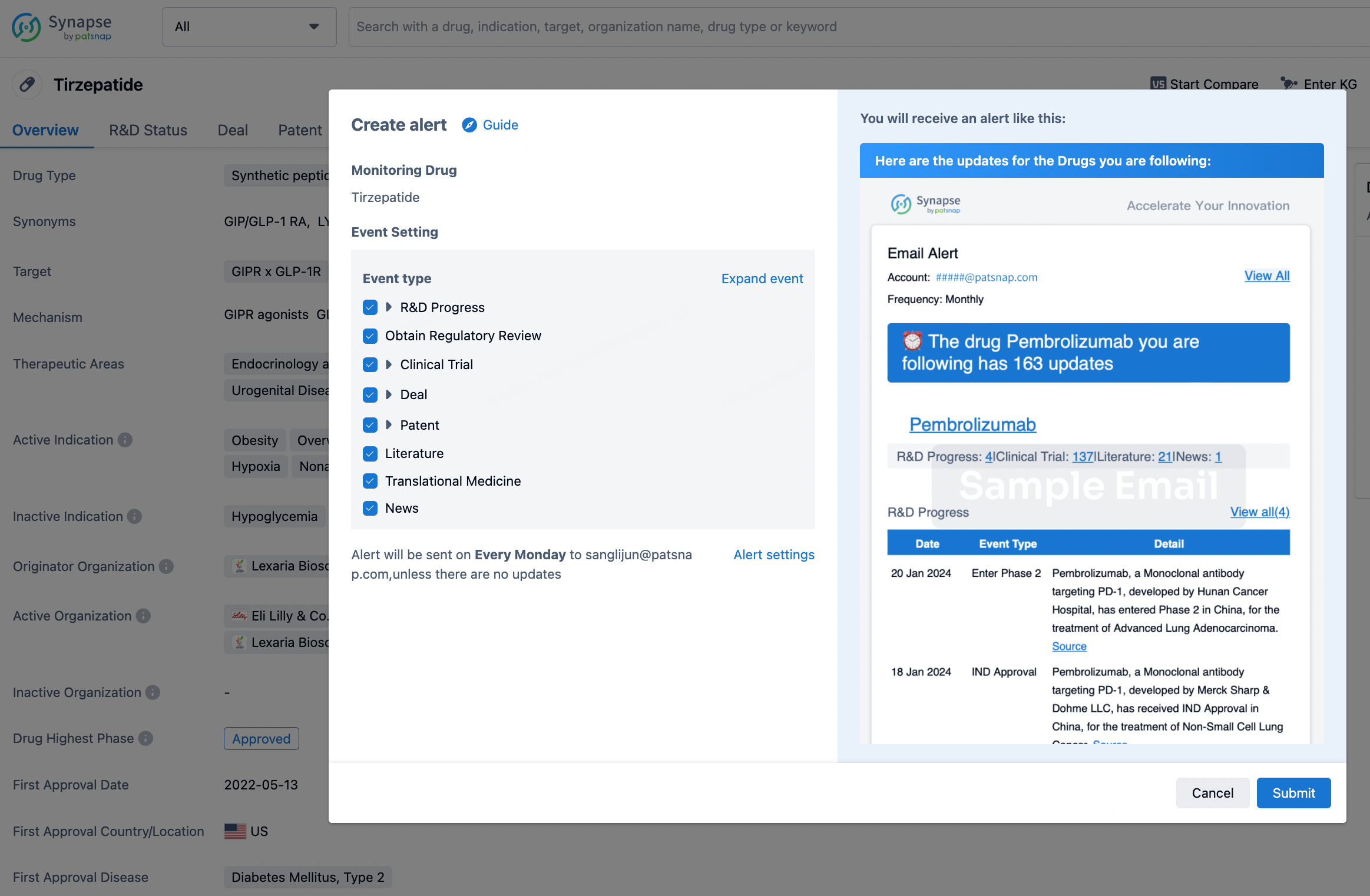
In the Synapse database, you can stay updated on the latest research and development advances of all drugs. This service is accessible anytime and anywhere, with updates available daily or weekly. Use the "Set Alert" function to stay informed. Click on the image below to embark on a brand new journey of drug discovery!
AI Agents Built for Biopharma Breakthroughs
Accelerate discovery. Empower decisions. Transform outcomes.
Get started for free today!
Accelerate Strategic R&D decision making with Synapse, PatSnap’s AI-powered Connected Innovation Intelligence Platform Built for Life Sciences Professionals.
Start your data trial now!
Synapse data is also accessible to external entities via APIs or data packages. Empower better decisions with the latest in pharmaceutical intelligence.