Request Demo
What is Quinagolide Hydrochloride used for?
14 June 2024
Quinagolide Hydrochloride, often marketed under the trade name Norprolac, is a medication primarily utilized in the treatment of hyperprolactinemia, a condition characterized by an abnormally high level of the hormone prolactin in the blood. Hyperprolactinemia can lead to a variety of health issues, including infertility, sexual dysfunction, and osteoporosis. Research on Quinagolide Hydrochloride has been conducted by several pharmaceutical companies and research institutions, highlighting its efficacy and safety profile over the years. This dopamine agonist selectively targets dopamine D2 receptors, which play a crucial role in the regulation of prolactin secretion. The drug has gained recognition for its utility in managing conditions associated with excess prolactin secretion, such as prolactinomas and other prolactin-related disorders.
The mechanism of action of Quinagolide Hydrochloride revolves around its ability to mimic the neurotransmitter dopamine. Dopamine is a critical regulator of prolactin secretion from the anterior pituitary gland. By binding to dopamine D2 receptors, Quinagolide Hydrochloride inhibits the release of prolactin from lactotroph cells in the pituitary. This inhibition leads to a reduction in circulating prolactin levels, thereby alleviating the symptoms and complications associated with hyperprolactinemia. The drug's selective action on dopamine D2 receptors ensures that it effectively reduces prolactin levels without significantly affecting other hormonal pathways, making it a targeted therapy for hyperprolactinemia.
Quinagolide Hydrochloride is administered orally, typically in tablet form. The dosage and duration of treatment are tailored to the individual patient's needs, based on the severity of the condition and the patient's response to the medication. It is usually recommended to start with a low dose, which is gradually increased to minimize the risk of side effects. The onset of action for Quinagolide Hydrochloride can vary; however, patients may start to notice a reduction in prolactin levels within days to weeks of initiating therapy. Consistent use as prescribed by a healthcare provider is important to achieve optimal results and manage hyperprolactinemia effectively.
Like all medications, Quinagolide Hydrochloride can have side effects. Common side effects include nausea, headache, dizziness, and fatigue. These side effects are often mild and tend to diminish as the body adjusts to the medication. However, some patients may experience more severe side effects, such as orthostatic hypotension (a drop in blood pressure when standing up), gastrointestinal disturbances, and sleep disturbances. Rarely, patients may develop cardiac issues or psychiatric symptoms, such as depression or hallucinations. It is crucial for patients to report any side effects to their healthcare provider, who can adjust the dosage or suggest alternative treatments if necessary. Contraindications for Quinagolide Hydrochloride include hypersensitivity to the drug or its components, and it should be used with caution in patients with a history of cardiovascular disease or psychiatric disorders.
The effectiveness and safety of Quinagolide Hydrochloride can be influenced by interactions with other medications. It is important to inform healthcare providers about all medications, including over-the-counter drugs and supplements, that a patient is taking. Some medications that may affect Quinagolide Hydrochloride include other dopamine agonists, which can enhance its effects and increase the risk of side effects. Conversely, dopamine antagonists, such as certain antipsychotics, can reduce the effectiveness of Quinagolide Hydrochloride by blocking dopamine receptors. Additionally, drugs that affect liver enzymes involved in drug metabolism, such as certain antibiotics and antifungals, can alter the plasma levels of Quinagolide Hydrochloride, necessitating dosage adjustments. Patients should also be cautious with alcohol consumption, as it can exacerbate some of the drug's side effects, such as dizziness and orthostatic hypotension.
In conclusion, Quinagolide Hydrochloride is a valuable medication in the management of hyperprolactinemia and its associated conditions. Its selective action on dopamine D2 receptors makes it an effective treatment with a well-defined mechanism of action. Proper administration and adherence to prescribed dosages are essential to minimize side effects and achieve the desired therapeutic outcomes. Patients and healthcare providers must communicate openly about any side effects or potential drug interactions to ensure safe and effective use of Quinagolide Hydrochloride. Continued research and clinical experience will further refine its use and enhance the quality of life for individuals with hyperprolactinemia.
The mechanism of action of Quinagolide Hydrochloride revolves around its ability to mimic the neurotransmitter dopamine. Dopamine is a critical regulator of prolactin secretion from the anterior pituitary gland. By binding to dopamine D2 receptors, Quinagolide Hydrochloride inhibits the release of prolactin from lactotroph cells in the pituitary. This inhibition leads to a reduction in circulating prolactin levels, thereby alleviating the symptoms and complications associated with hyperprolactinemia. The drug's selective action on dopamine D2 receptors ensures that it effectively reduces prolactin levels without significantly affecting other hormonal pathways, making it a targeted therapy for hyperprolactinemia.
Quinagolide Hydrochloride is administered orally, typically in tablet form. The dosage and duration of treatment are tailored to the individual patient's needs, based on the severity of the condition and the patient's response to the medication. It is usually recommended to start with a low dose, which is gradually increased to minimize the risk of side effects. The onset of action for Quinagolide Hydrochloride can vary; however, patients may start to notice a reduction in prolactin levels within days to weeks of initiating therapy. Consistent use as prescribed by a healthcare provider is important to achieve optimal results and manage hyperprolactinemia effectively.
Like all medications, Quinagolide Hydrochloride can have side effects. Common side effects include nausea, headache, dizziness, and fatigue. These side effects are often mild and tend to diminish as the body adjusts to the medication. However, some patients may experience more severe side effects, such as orthostatic hypotension (a drop in blood pressure when standing up), gastrointestinal disturbances, and sleep disturbances. Rarely, patients may develop cardiac issues or psychiatric symptoms, such as depression or hallucinations. It is crucial for patients to report any side effects to their healthcare provider, who can adjust the dosage or suggest alternative treatments if necessary. Contraindications for Quinagolide Hydrochloride include hypersensitivity to the drug or its components, and it should be used with caution in patients with a history of cardiovascular disease or psychiatric disorders.
The effectiveness and safety of Quinagolide Hydrochloride can be influenced by interactions with other medications. It is important to inform healthcare providers about all medications, including over-the-counter drugs and supplements, that a patient is taking. Some medications that may affect Quinagolide Hydrochloride include other dopamine agonists, which can enhance its effects and increase the risk of side effects. Conversely, dopamine antagonists, such as certain antipsychotics, can reduce the effectiveness of Quinagolide Hydrochloride by blocking dopamine receptors. Additionally, drugs that affect liver enzymes involved in drug metabolism, such as certain antibiotics and antifungals, can alter the plasma levels of Quinagolide Hydrochloride, necessitating dosage adjustments. Patients should also be cautious with alcohol consumption, as it can exacerbate some of the drug's side effects, such as dizziness and orthostatic hypotension.
In conclusion, Quinagolide Hydrochloride is a valuable medication in the management of hyperprolactinemia and its associated conditions. Its selective action on dopamine D2 receptors makes it an effective treatment with a well-defined mechanism of action. Proper administration and adherence to prescribed dosages are essential to minimize side effects and achieve the desired therapeutic outcomes. Patients and healthcare providers must communicate openly about any side effects or potential drug interactions to ensure safe and effective use of Quinagolide Hydrochloride. Continued research and clinical experience will further refine its use and enhance the quality of life for individuals with hyperprolactinemia.
How to obtain the latest development progress of all drugs?
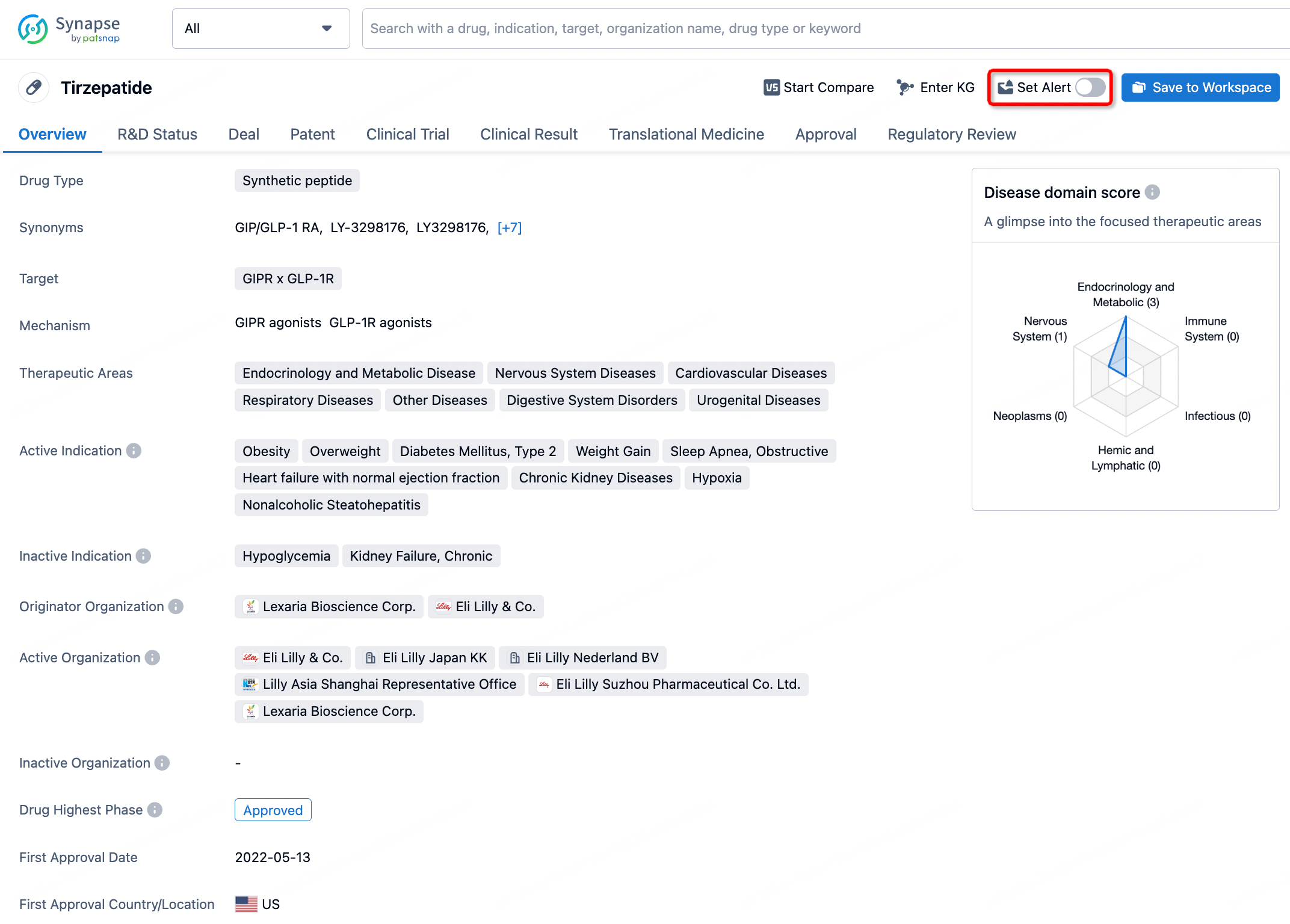
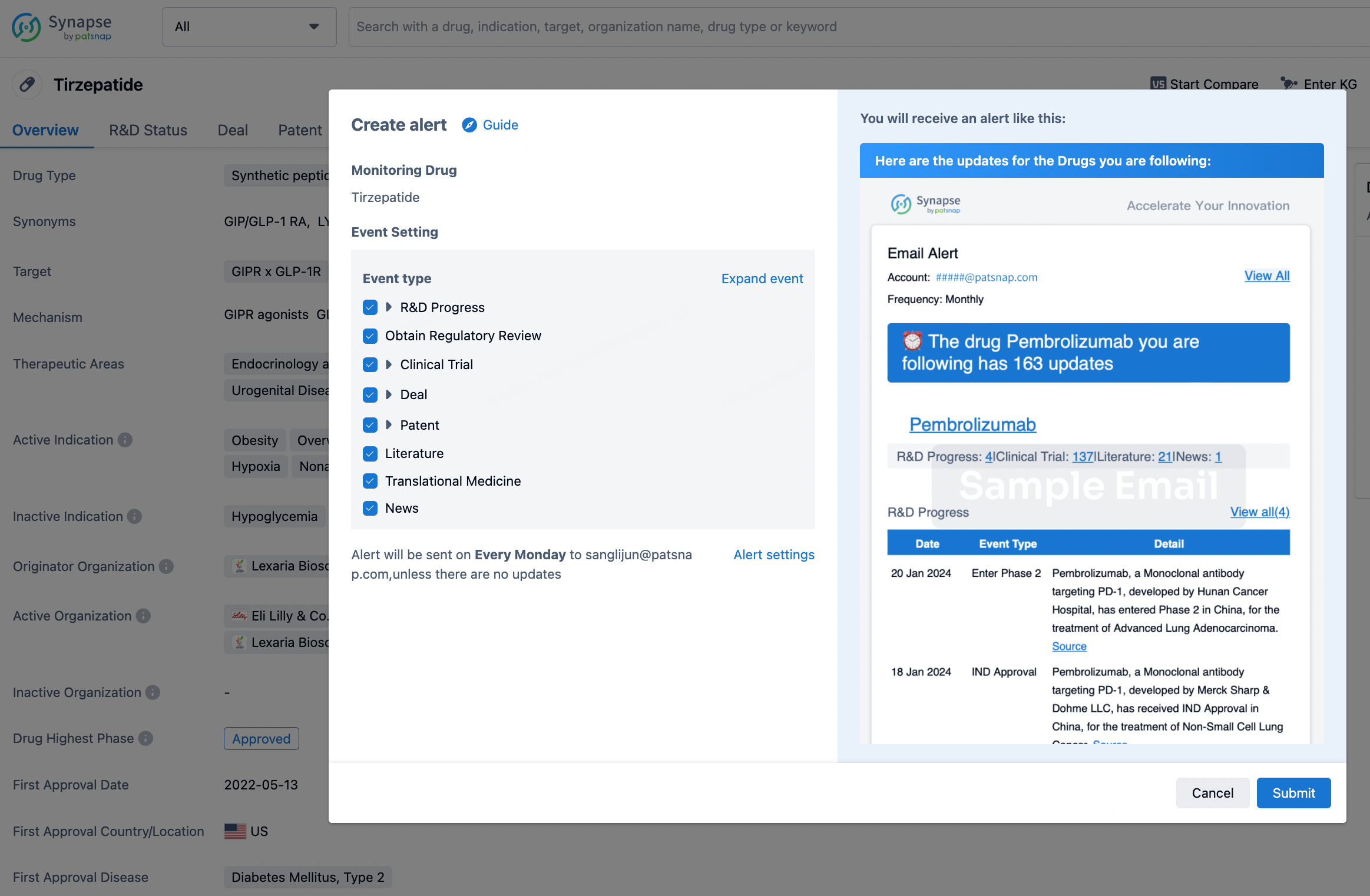
In the Synapse database, you can stay updated on the latest research and development advances of all drugs. This service is accessible anytime and anywhere, with updates available daily or weekly. Use the "Set Alert" function to stay informed. Click on the image below to embark on a brand new journey of drug discovery!
AI Agents Built for Biopharma Breakthroughs
Accelerate discovery. Empower decisions. Transform outcomes.
Get started for free today!
Accelerate Strategic R&D decision making with Synapse, PatSnap’s AI-powered Connected Innovation Intelligence Platform Built for Life Sciences Professionals.
Start your data trial now!
Synapse data is also accessible to external entities via APIs or data packages. Empower better decisions with the latest in pharmaceutical intelligence.