Request Demo
What is Rabimabs used for?
14 June 2024
Introduction to Rabimabs:
Rabimabs is a groundbreaking biologic drug that has been generating significant interest in the fields of immunology and oncology. Marketed under various trade names such as Rabimabex and ImmunoRab, this monoclonal antibody has been developed to target specific antigens on cancer cells, making it a potent tool in the fight against various types of malignancies. The primary targets for Rabimabs include the overexpressed proteins and receptors commonly found on the surface of tumor cells. Among these, the EGFR (epidermal growth factor receptor) and HER2 (human epidermal growth factor receptor 2) are particularly notable, as they play crucial roles in cell proliferation and survival.
Developed by leading research institutions, including the National Institute of Health (NIH) and several renowned pharmaceutical companies, Rabimabs represents a fusion of cutting-edge science and clinical expertise. It falls under the category of monoclonal antibodies—laboratory-produced molecules engineered to serve as substitute antibodies that can restore, enhance, or mimic the immune system's attack on cancer cells. The drug is currently in the advanced stages of clinical trials for a variety of indications, including non-small cell lung cancer (NSCLC), colorectal cancer, and certain types of breast cancer. Preliminary results have shown promising efficacy and safety profiles, marking a significant milestone in cancer therapeutics.
Rabimabs Mechanism of Action:
The mechanism of action of Rabimabs is rooted in its ability to specifically bind to the targeted antigens on cancer cells. By binding to EGFR and HER2 receptors, Rabimabs effectively blocks the signaling pathways that promote tumor cell growth and survival. This binding prevents the cancer cells from receiving the external growth signals they need, thereby inhibiting their proliferation.
Additionally, Rabimabs recruits the body’s immune system to attack the cancer cells. It enhances antibody-dependent cell-mediated cytotoxicity (ADCC), a mechanism through which immune cells, such as natural killer (NK) cells, recognize and destroy the antibody-coated cancer cells. Moreover, Rabimabs can also induce complement-dependent cytotoxicity (CDC), a process that leads to the formation of a membrane attack complex, ultimately causing cell lysis and death.
In essence, Rabimabs works on two fronts: it directly interferes with the tumor's growth signals and activates the immune system to specifically target and kill the cancer cells. This dual action not only curbs the progression of cancer but also helps in minimizing the risk of recurrence, a common challenge in oncology.
How to Use Rabimabs:
Rabimabs is typically administered via intravenous (IV) infusion. The dosage and scheduling depend on various factors, including the type and stage of cancer, the patient's overall health, and their response to treatment. Generally, the infusion is given in a healthcare setting under the supervision of qualified medical professionals.
The onset of action for Rabimabs can vary. Some patients may begin to see a therapeutic effect within weeks, while for others, it might take a few months. Regular monitoring through imaging studies and blood tests is essential to assess the drug's efficacy and to make any necessary adjustments to the treatment regimen.
Patients usually receive premedication to mitigate potential infusion-related reactions, which can include antihistamines, corticosteroids, or antipyretics. The infusion itself may last anywhere from 30 minutes to several hours, depending on the specific protocol recommended by the healthcare provider. Following the administration, patients are typically observed for a period to manage any immediate adverse reactions.
What is Rabimabs Side Effects:
Like all medications, Rabimabs comes with a potential for side effects, though not everyone will experience them. Common side effects include fatigue, infusion-related reactions (such as fever, chills, and rash), nausea, and diarrhea. These side effects are generally manageable and tend to resolve as the body adjusts to the treatment.
However, there are more serious side effects that warrant immediate medical attention. These can include severe allergic reactions, signs of infection (such as persistent fever, sore throat, or difficulty breathing), and gastrointestinal issues like severe abdominal pain or persistent diarrhea. Additionally, Rabimabs can cause hepatotoxicity, which manifests as elevated liver enzymes and, in rare cases, liver failure.
Contraindications for Rabimabs include patients with a known hypersensitivity to monoclonal antibodies or any component of the drug formulation. It is also contraindicated in pregnant or breastfeeding women due to the potential risks to the fetus or infant. Patients with pre-existing conditions such as autoimmune diseases or chronic infections should use Rabimabs with caution and under strict medical supervision.
What Other Drugs Will Affect Rabimabs:
Drug interactions can alter the effectiveness of Rabimabs or increase the risk of adverse effects. It is essential for patients to inform their healthcare providers of all the medications they are taking, including prescription drugs, over-the-counter medications, and herbal supplements.
Common drugs that may interact with Rabimabs include other immunosuppressive agents, which can enhance the risk of infections and other immune-related complications. Additionally, chemotherapeutic agents may have synergistic or antagonistic effects when used in combination with Rabimabs, necessitating careful dose adjustments and monitoring.
Non-steroidal anti-inflammatory drugs (NSAIDs) and corticosteroids can also affect the immune-modulating action of Rabimabs, potentially diminishing its efficacy. Furthermore, live vaccines should be avoided during treatment with Rabimabs due to the potential risk of infections caused by the attenuated pathogens in the vaccines.
In summary, Rabimabs is a promising monoclonal antibody therapy that targets specific antigens on cancer cells, offering a dual mechanism of action to inhibit tumor growth and activate the immune system. While generally well-tolerated, it does come with a range of potential side effects and contraindications that need to be carefully managed. Understanding the possible drug interactions is crucial for optimizing treatment outcomes and ensuring patient safety. As research progresses, Rabimabs holds the potential to become a cornerstone in the arsenal of cancer therapies, offering hope to many patients facing this formidable disease.
Rabimabs is a groundbreaking biologic drug that has been generating significant interest in the fields of immunology and oncology. Marketed under various trade names such as Rabimabex and ImmunoRab, this monoclonal antibody has been developed to target specific antigens on cancer cells, making it a potent tool in the fight against various types of malignancies. The primary targets for Rabimabs include the overexpressed proteins and receptors commonly found on the surface of tumor cells. Among these, the EGFR (epidermal growth factor receptor) and HER2 (human epidermal growth factor receptor 2) are particularly notable, as they play crucial roles in cell proliferation and survival.
Developed by leading research institutions, including the National Institute of Health (NIH) and several renowned pharmaceutical companies, Rabimabs represents a fusion of cutting-edge science and clinical expertise. It falls under the category of monoclonal antibodies—laboratory-produced molecules engineered to serve as substitute antibodies that can restore, enhance, or mimic the immune system's attack on cancer cells. The drug is currently in the advanced stages of clinical trials for a variety of indications, including non-small cell lung cancer (NSCLC), colorectal cancer, and certain types of breast cancer. Preliminary results have shown promising efficacy and safety profiles, marking a significant milestone in cancer therapeutics.
Rabimabs Mechanism of Action:
The mechanism of action of Rabimabs is rooted in its ability to specifically bind to the targeted antigens on cancer cells. By binding to EGFR and HER2 receptors, Rabimabs effectively blocks the signaling pathways that promote tumor cell growth and survival. This binding prevents the cancer cells from receiving the external growth signals they need, thereby inhibiting their proliferation.
Additionally, Rabimabs recruits the body’s immune system to attack the cancer cells. It enhances antibody-dependent cell-mediated cytotoxicity (ADCC), a mechanism through which immune cells, such as natural killer (NK) cells, recognize and destroy the antibody-coated cancer cells. Moreover, Rabimabs can also induce complement-dependent cytotoxicity (CDC), a process that leads to the formation of a membrane attack complex, ultimately causing cell lysis and death.
In essence, Rabimabs works on two fronts: it directly interferes with the tumor's growth signals and activates the immune system to specifically target and kill the cancer cells. This dual action not only curbs the progression of cancer but also helps in minimizing the risk of recurrence, a common challenge in oncology.
How to Use Rabimabs:
Rabimabs is typically administered via intravenous (IV) infusion. The dosage and scheduling depend on various factors, including the type and stage of cancer, the patient's overall health, and their response to treatment. Generally, the infusion is given in a healthcare setting under the supervision of qualified medical professionals.
The onset of action for Rabimabs can vary. Some patients may begin to see a therapeutic effect within weeks, while for others, it might take a few months. Regular monitoring through imaging studies and blood tests is essential to assess the drug's efficacy and to make any necessary adjustments to the treatment regimen.
Patients usually receive premedication to mitigate potential infusion-related reactions, which can include antihistamines, corticosteroids, or antipyretics. The infusion itself may last anywhere from 30 minutes to several hours, depending on the specific protocol recommended by the healthcare provider. Following the administration, patients are typically observed for a period to manage any immediate adverse reactions.
What is Rabimabs Side Effects:
Like all medications, Rabimabs comes with a potential for side effects, though not everyone will experience them. Common side effects include fatigue, infusion-related reactions (such as fever, chills, and rash), nausea, and diarrhea. These side effects are generally manageable and tend to resolve as the body adjusts to the treatment.
However, there are more serious side effects that warrant immediate medical attention. These can include severe allergic reactions, signs of infection (such as persistent fever, sore throat, or difficulty breathing), and gastrointestinal issues like severe abdominal pain or persistent diarrhea. Additionally, Rabimabs can cause hepatotoxicity, which manifests as elevated liver enzymes and, in rare cases, liver failure.
Contraindications for Rabimabs include patients with a known hypersensitivity to monoclonal antibodies or any component of the drug formulation. It is also contraindicated in pregnant or breastfeeding women due to the potential risks to the fetus or infant. Patients with pre-existing conditions such as autoimmune diseases or chronic infections should use Rabimabs with caution and under strict medical supervision.
What Other Drugs Will Affect Rabimabs:
Drug interactions can alter the effectiveness of Rabimabs or increase the risk of adverse effects. It is essential for patients to inform their healthcare providers of all the medications they are taking, including prescription drugs, over-the-counter medications, and herbal supplements.
Common drugs that may interact with Rabimabs include other immunosuppressive agents, which can enhance the risk of infections and other immune-related complications. Additionally, chemotherapeutic agents may have synergistic or antagonistic effects when used in combination with Rabimabs, necessitating careful dose adjustments and monitoring.
Non-steroidal anti-inflammatory drugs (NSAIDs) and corticosteroids can also affect the immune-modulating action of Rabimabs, potentially diminishing its efficacy. Furthermore, live vaccines should be avoided during treatment with Rabimabs due to the potential risk of infections caused by the attenuated pathogens in the vaccines.
In summary, Rabimabs is a promising monoclonal antibody therapy that targets specific antigens on cancer cells, offering a dual mechanism of action to inhibit tumor growth and activate the immune system. While generally well-tolerated, it does come with a range of potential side effects and contraindications that need to be carefully managed. Understanding the possible drug interactions is crucial for optimizing treatment outcomes and ensuring patient safety. As research progresses, Rabimabs holds the potential to become a cornerstone in the arsenal of cancer therapies, offering hope to many patients facing this formidable disease.
How to obtain the latest development progress of all drugs?
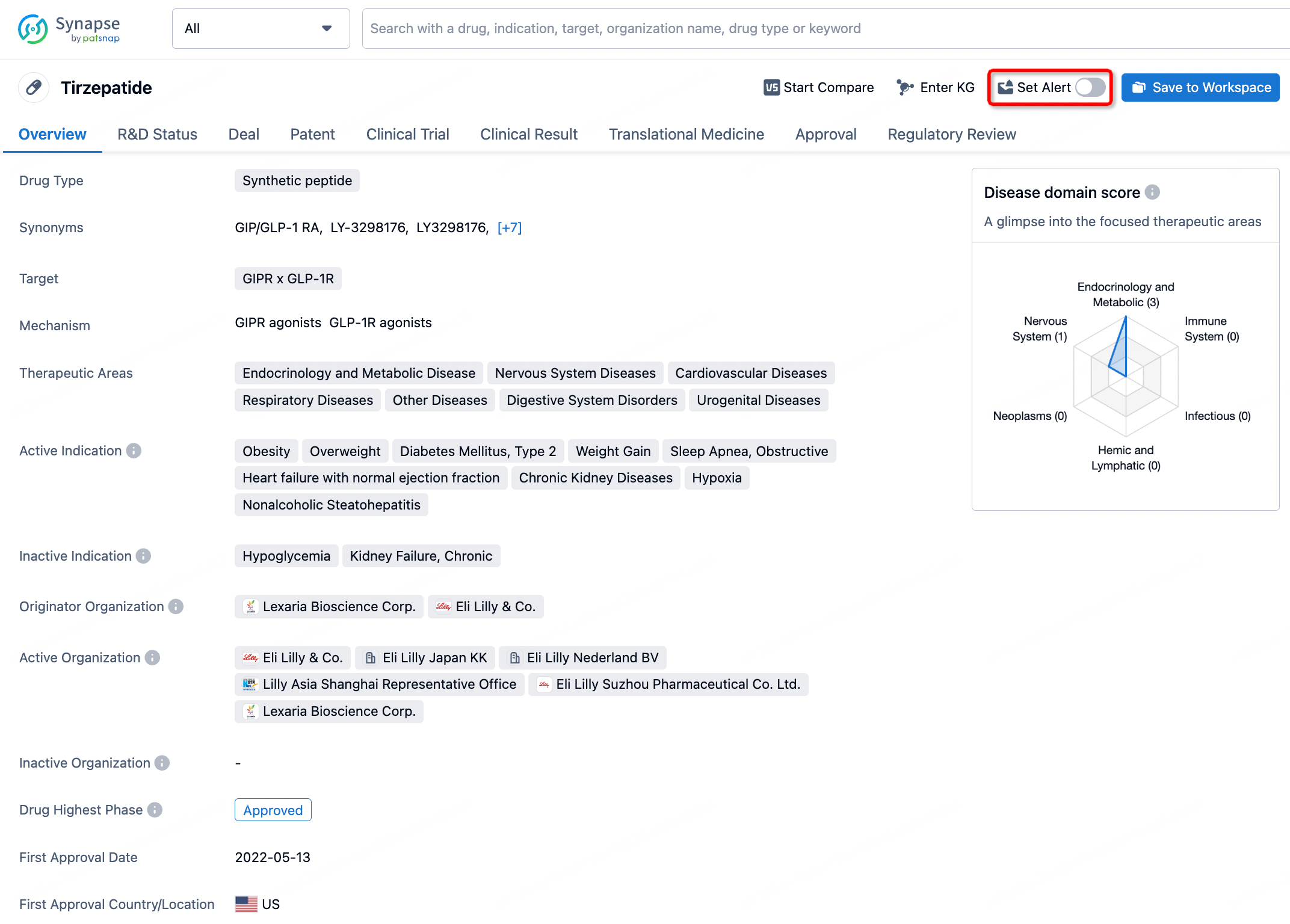
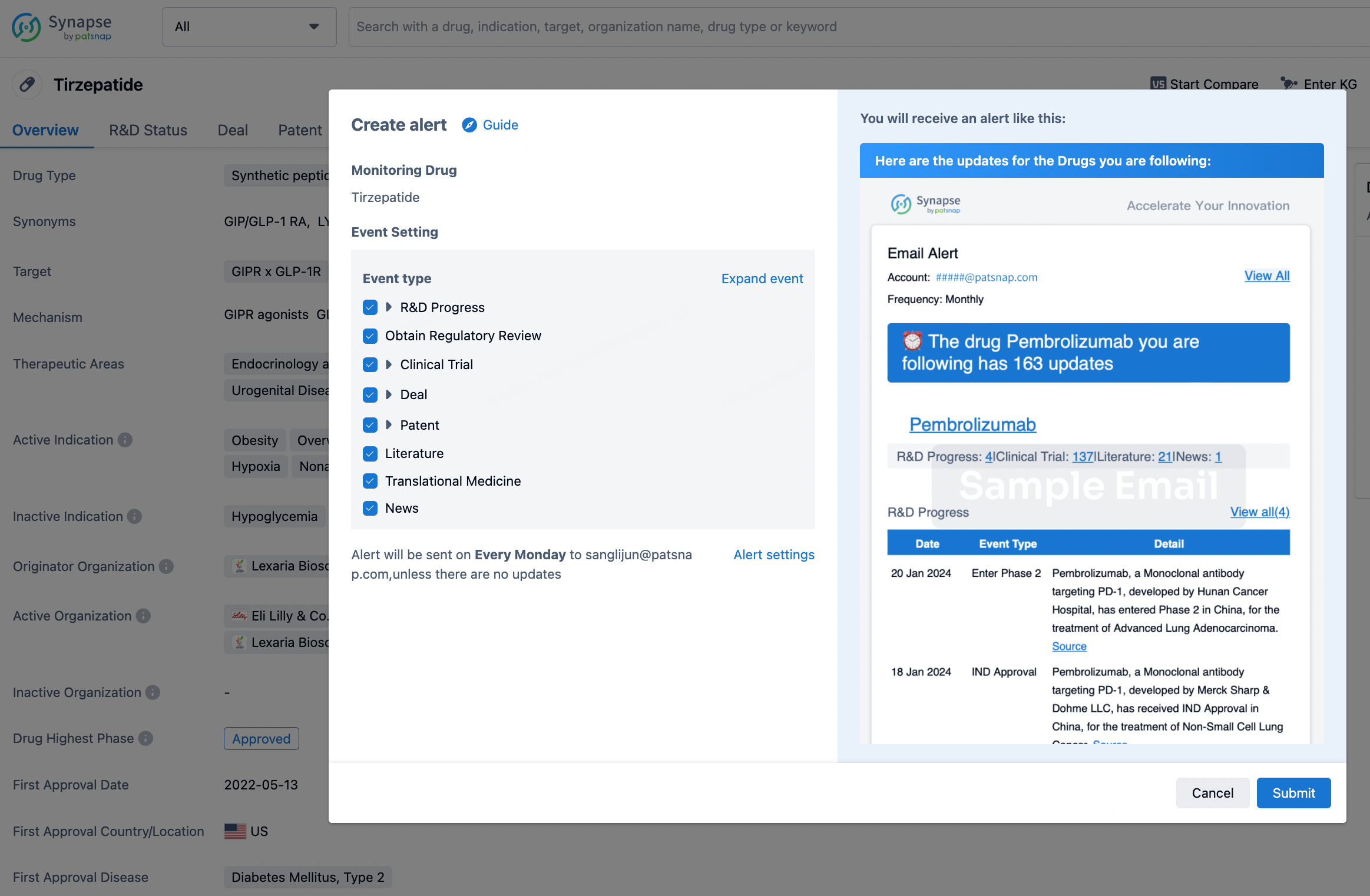
In the Synapse database, you can stay updated on the latest research and development advances of all drugs. This service is accessible anytime and anywhere, with updates available daily or weekly. Use the "Set Alert" function to stay informed. Click on the image below to embark on a brand new journey of drug discovery!

AI Agents Built for Biopharma Breakthroughs
Accelerate discovery. Empower decisions. Transform outcomes.
Get started for free today!
Accelerate Strategic R&D decision making with Synapse, PatSnap’s AI-powered Connected Innovation Intelligence Platform Built for Life Sciences Professionals.
Start your data trial now!
Synapse data is also accessible to external entities via APIs or data packages. Empower better decisions with the latest in pharmaceutical intelligence.